Akston Health
Akston Health
Akston Health
L-Leucine, an essential branched-chain amino acid (BCAA), serves as a cornerstone in both mammalian protein synthesis and modern industrial biotechnology. As a primary signaling molecule activating the mTOR (mechanistic target of rapamycin) pathway, it directly governs metabolic regulation, tissue repair, and protein translation.
The global market demand for L-Leucine has expanded significantly over the past decade. Historically restricted to niche pharmaceutical formulations, L-Leucine is now widely integrated into clinical nutrition products, sports supplements, functional foods, cosmetics, and advanced animal feeds. In sports nutrition, it is recognized as the most critical of the three BCAAs for triggering muscle protein synthesis (MPS). Concurrently, in clinical medicine, L-Leucine-enriched amino acid infusions are standard supportive care for patients suffering from sarcopenia, hepatic disorders, post-surgical recovery, and severe muscle wasting conditions.
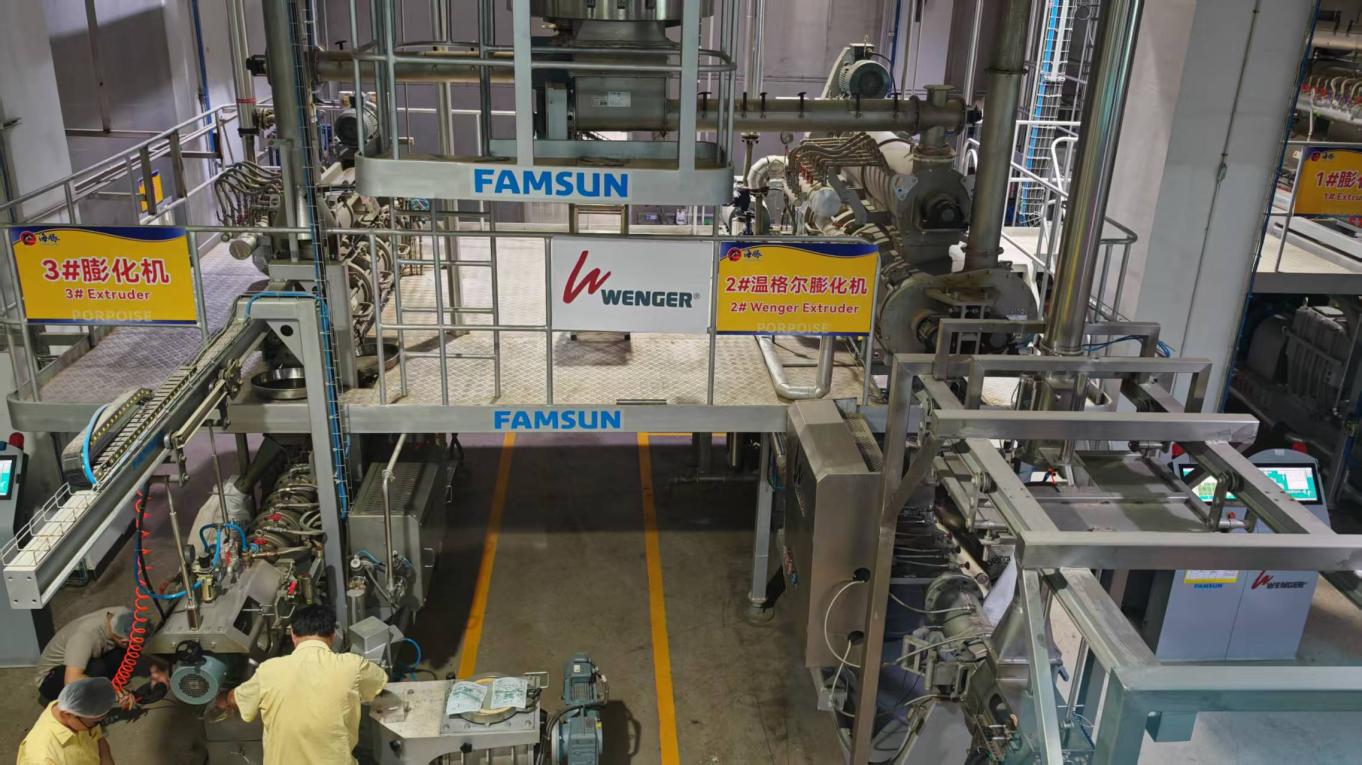
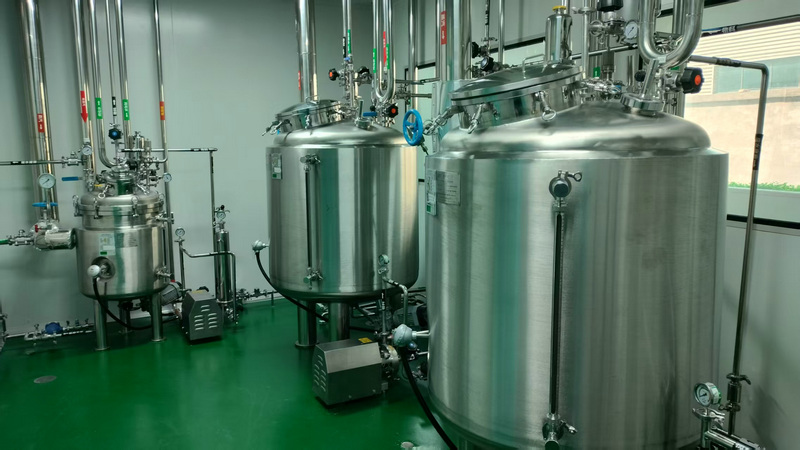
From an industrial synthesis perspective, the transition from traditional acid hydrolysis of animal-derived keratin sources (such as feathers or hair) to advanced microbial fermentation has revolutionized the supply chain. This biochemical transition has not only significantly lowered environmental impact but also improved batch consistency and compliance with stringent dietary certifications (such as Halal, Kosher, and Vegan). The global supply chain relies heavily on a highly concentrated network of large-scale manufacturing facilities, with East Asian producers—specifically within China—leading the global export volumes due to cost-competitive feedstocks, advanced industrial scale, and deep optimization of microbial strain efficiency.
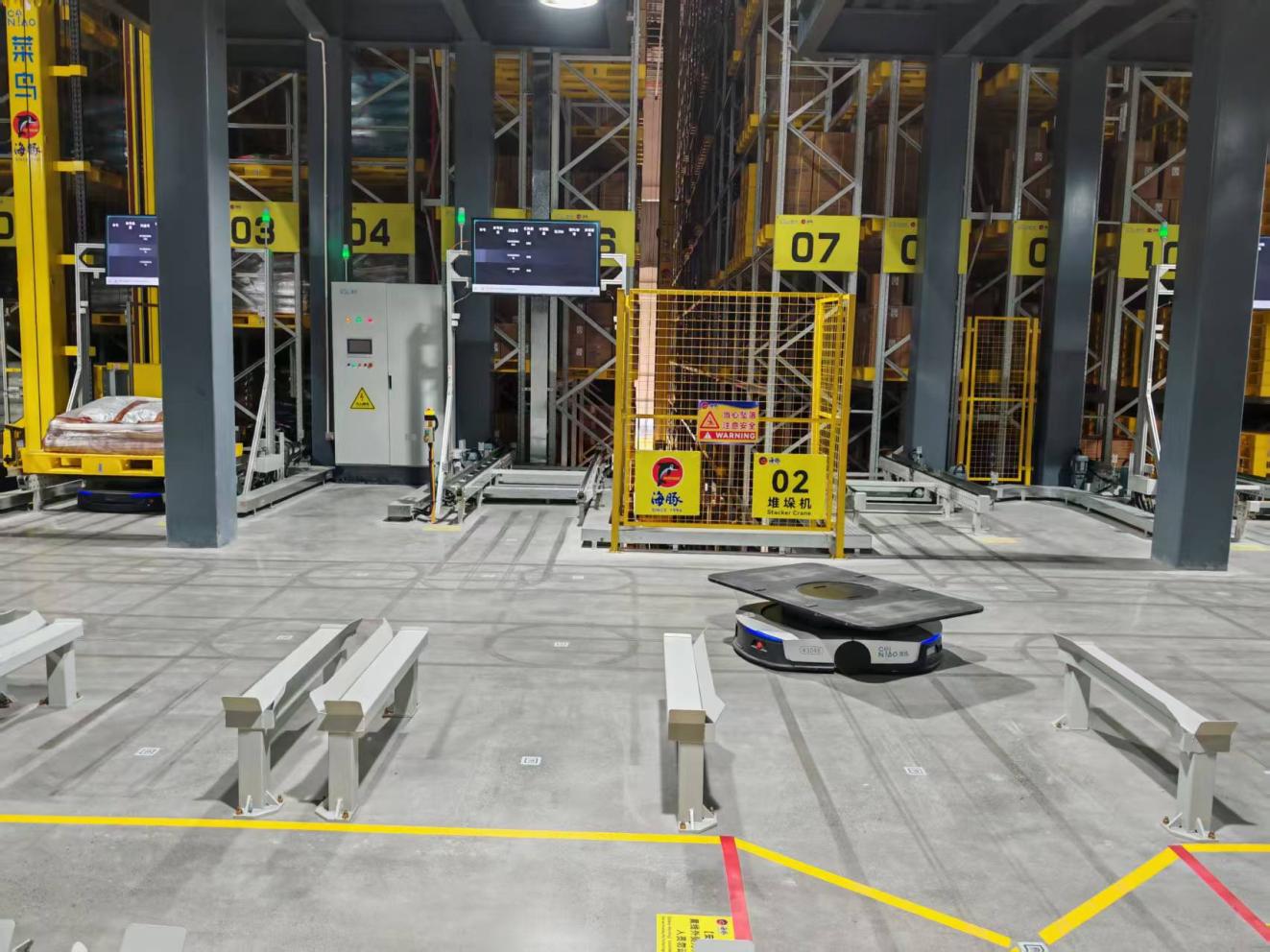
China's dominance in the global L-Leucine supply chain is not merely a matter of scale; it is rooted in vertical integration and chemical engineering efficiency. The major amino acid manufacturing clusters in China are strategically located near key agricultural hubs. This proximity ensures a constant, low-cost supply of primary raw feedstocks, such as corn starch and glucose, which serve as the primary carbon source for the bacterial fermentation processes.
Direct vertical integration with national corn processing facilities mitigates volatility in glucose substrate costs, providing highly predictable B2B pricing contracts.
Chinese biotech companies employ highly engineered Corynebacterium glutamicum and Escherichia coli strains, achieving industry-leading glucose-to-amino-acid conversion yields.
Coastal logistics hubs near ports like Qingdao enable rapid containerized shipping with robust customs compliance and complete export clearance services.
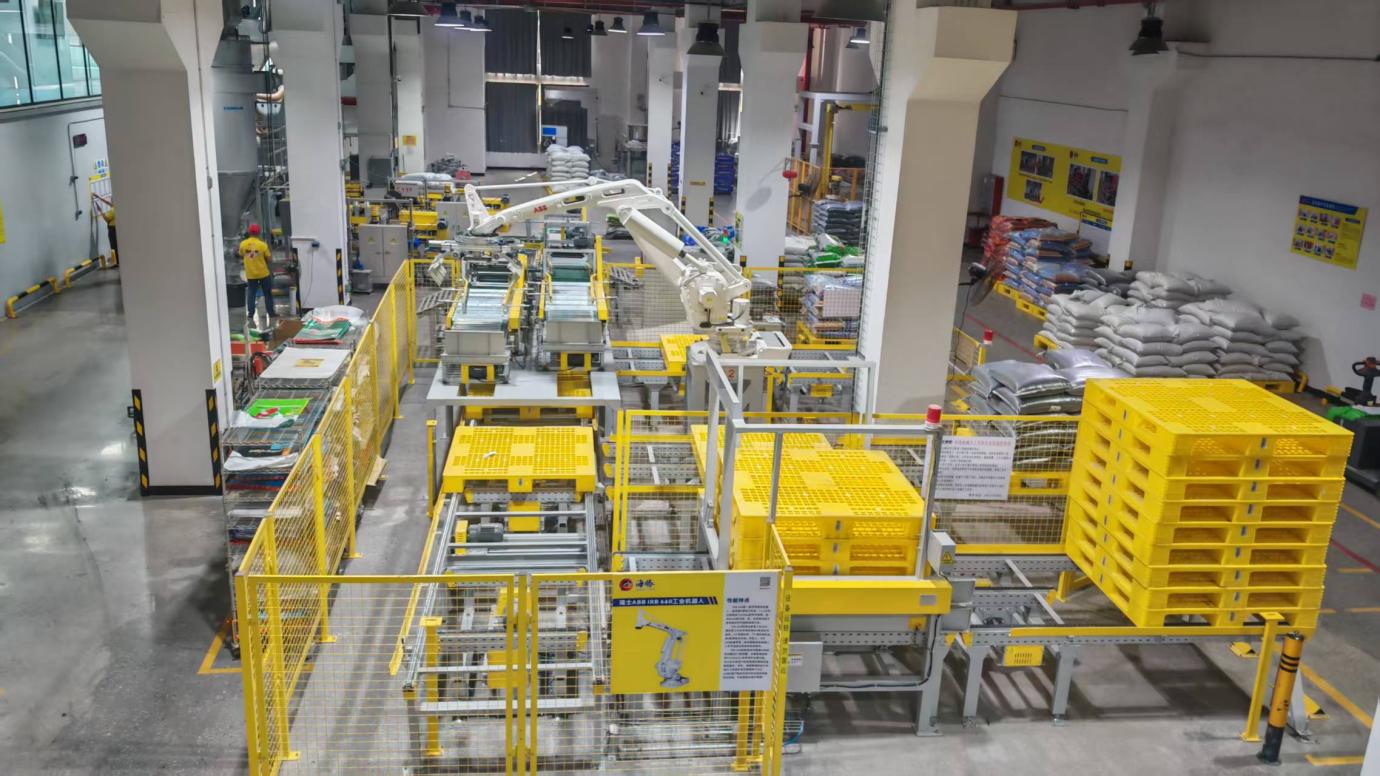
Additionally, the adoption of green chemistry principles—such as closed-loop water systems and clean crystallization technologies—has allowed Chinese manufacturers to meet the stringent environmental standards enforced by the European Union and North American regulatory authorities. Modern Chinese factories operate under strict compliance with Good Manufacturing Practices (GMP) and hold crucial international certifications, including CE, ISO 9001, FSSC 22000, and Feed Additives certificates, making them reliable long-term partners for multinational pharmaceutical and animal nutrition enterprises.
Depending on the target geographic market and industry sector, the requirements for L-Leucine processing, purity levels, and physical parameters vary. Here are the core application scenarios:
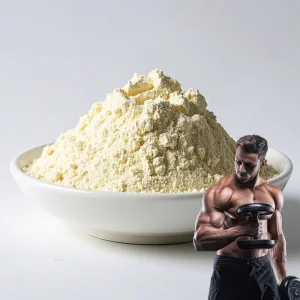
In Western Europe and North America, the consumer demand for clean-label, plant-based BCAAs has skyrocketed. Raw L-Leucine is naturally hydrophobic, meaning it does not dissolve easily in water, resulting in grittiness in ready-to-mix beverage powders. To resolve this issue, Chinese exporters supply specialized **Instantized L-Leucine**, which is coated with a microscopic amount of sunflower lecithin or soy lecithin (typically <1%) to facilitate rapid dispersion and dissolution in sports drinks and pre-workout formulas.
Pharmaceutical manufacturers require ultra-pure, endotoxin-controlled L-Leucine for parenteral nutrition (intravenous amino acid infusions). These applications demand rigorous compliance with USP, EP, and AJI monographs. Exporters must provide extensive analytical verification, including heavy metals assays (using ICP-MS), amino acid profile verification, and strict microbiological validation to ensure patient safety.
In animal husbandry, balancing the dietary amino acid profile is crucial for optimizing feed conversion ratios (FCR). Supplementation with L-Leucine, in combination with other essential amino acids like L-Lysine and L-Threonine, is standard in broiler chick and swine diets. This helps maximize lean muscle accretion and supports immune system development, reducing the necessity of sub-therapeutic antibiotics.
| Parameter / Specification | Pharmaceutical Grade (USP/EP) | Food / Sports Nutrition Grade | Feed Grade (Industrial) |
|---|---|---|---|
| Assay (Purity on Dry Basis) | 99.0% - 101.0% | ≥ 98.5% | ≥ 98.0% |
| Appearance | White crystals or crystalline powder | White to off-white crystalline powder | Crystalline powder / Micro-granule |
| Specific Rotation [a]D20 | +14.9° to +16.5° | +14.5° to +16.5° | Verified by batch |
| Loss on Drying | ≤ 0.20% | ≤ 0.50% | ≤ 1.0% |
| Residue on Ignition | ≤ 0.10% | ≤ 0.20% | ≤ 0.50% |
| Heavy Metals (as Pb) | ≤ 10 ppm | ≤ 15 ppm | ≤ 20 ppm |
| Source material | Microbial Fermentation (Non-GMO) | Microbial Fermentation | Microbial Fermentation |
Qingdao Akston Health Co., Ltd. is a trusted manufacturer and global supplier dedicated to delivering innovative health and nutrition solutions for the animal feed industry. With a strong commitment to quality, sustainability, and continuous innovation, we provide high-performance feed additives and nutritional ingredients that support healthier livestock, improved productivity, and safer food production worldwide.
Our comprehensive product portfolio includes choline chloride, amino acids (such as L-Leucine, L-Lysine, and L-Threonine), vitamins, minerals, and other functional feed additives designed to meet the nutritional requirements of poultry, swine, ruminants, aquaculture, and companion animals. Our science-based formulations help optimize animal growth, enhance immune function, improve feed efficiency, and contribute to reducing the reliance on antibiotics in modern livestock production.
At Akston Health, quality is the foundation of everything we do. We work closely with qualified manufacturing partners and implement strict quality control systems throughout sourcing, production, and logistics to ensure every product meets international standards. Our experienced technical team also provides customized solutions and professional support to help customers achieve better production performance and sustainable business growth.
Driven by integrity, innovation, and customer satisfaction, Qingdao Akston Health Co., Ltd. has established long-term partnerships with clients across Asia, Europe, the Middle East, Africa, and the Americas. We are committed to creating lasting value through reliable products, competitive pricing, efficient supply chain management, and responsive customer service.
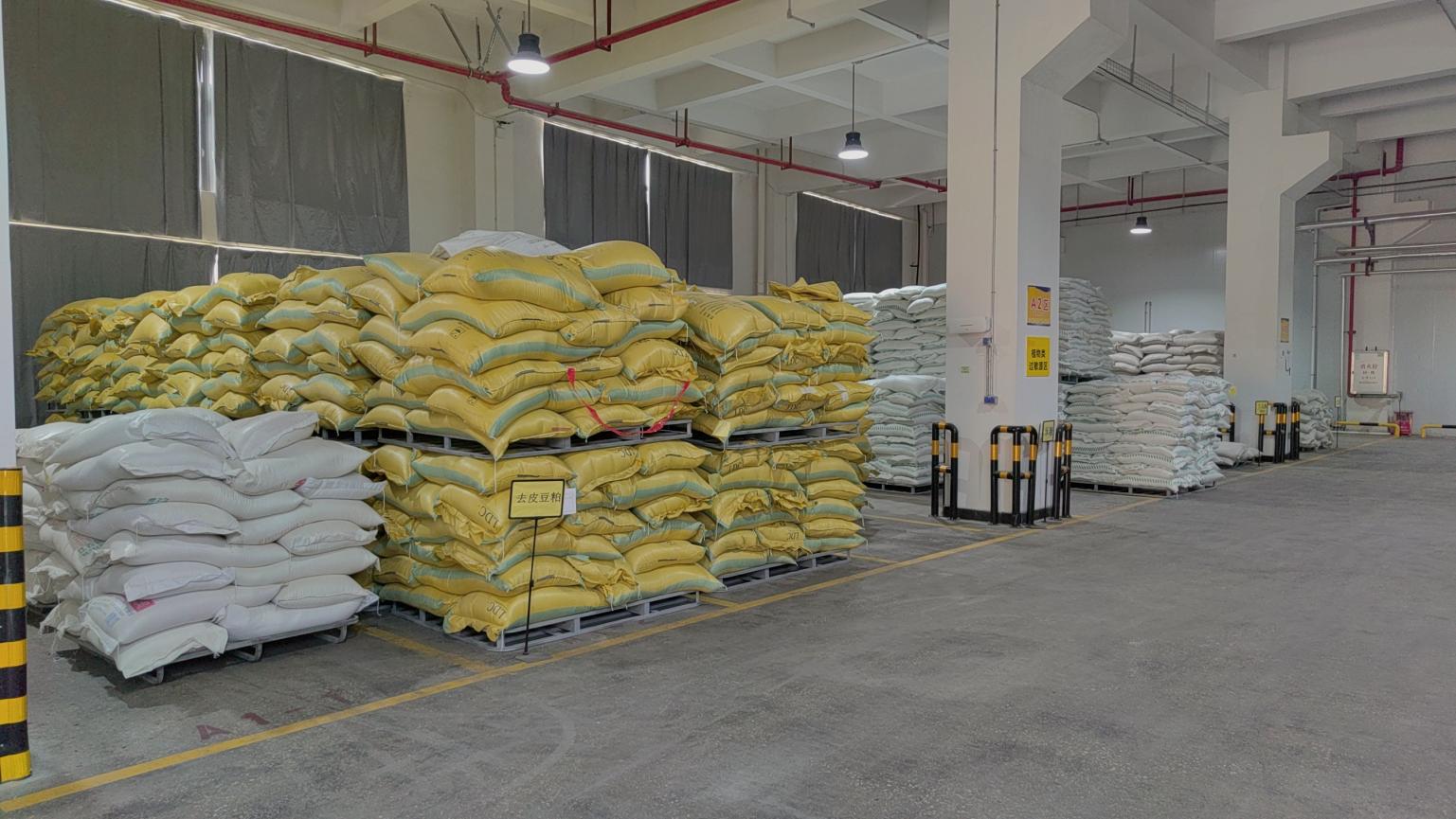
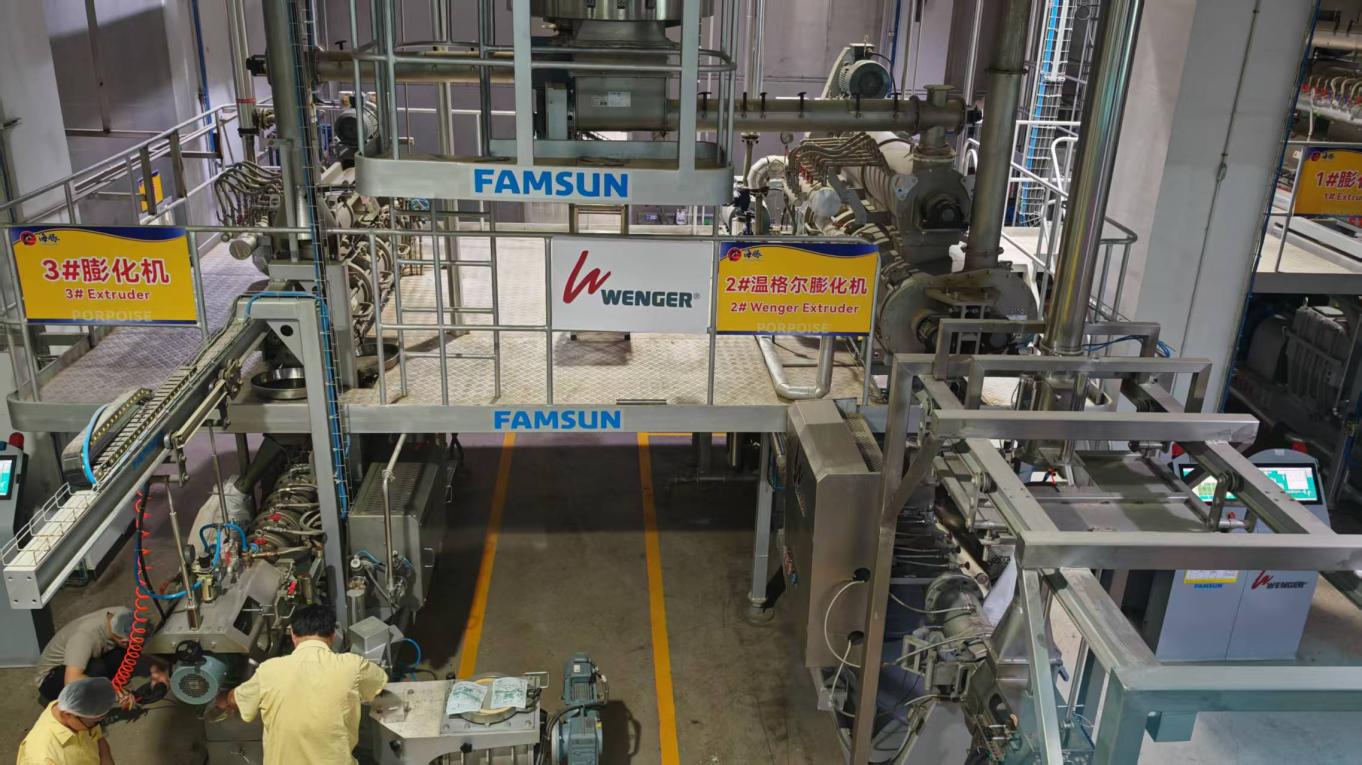
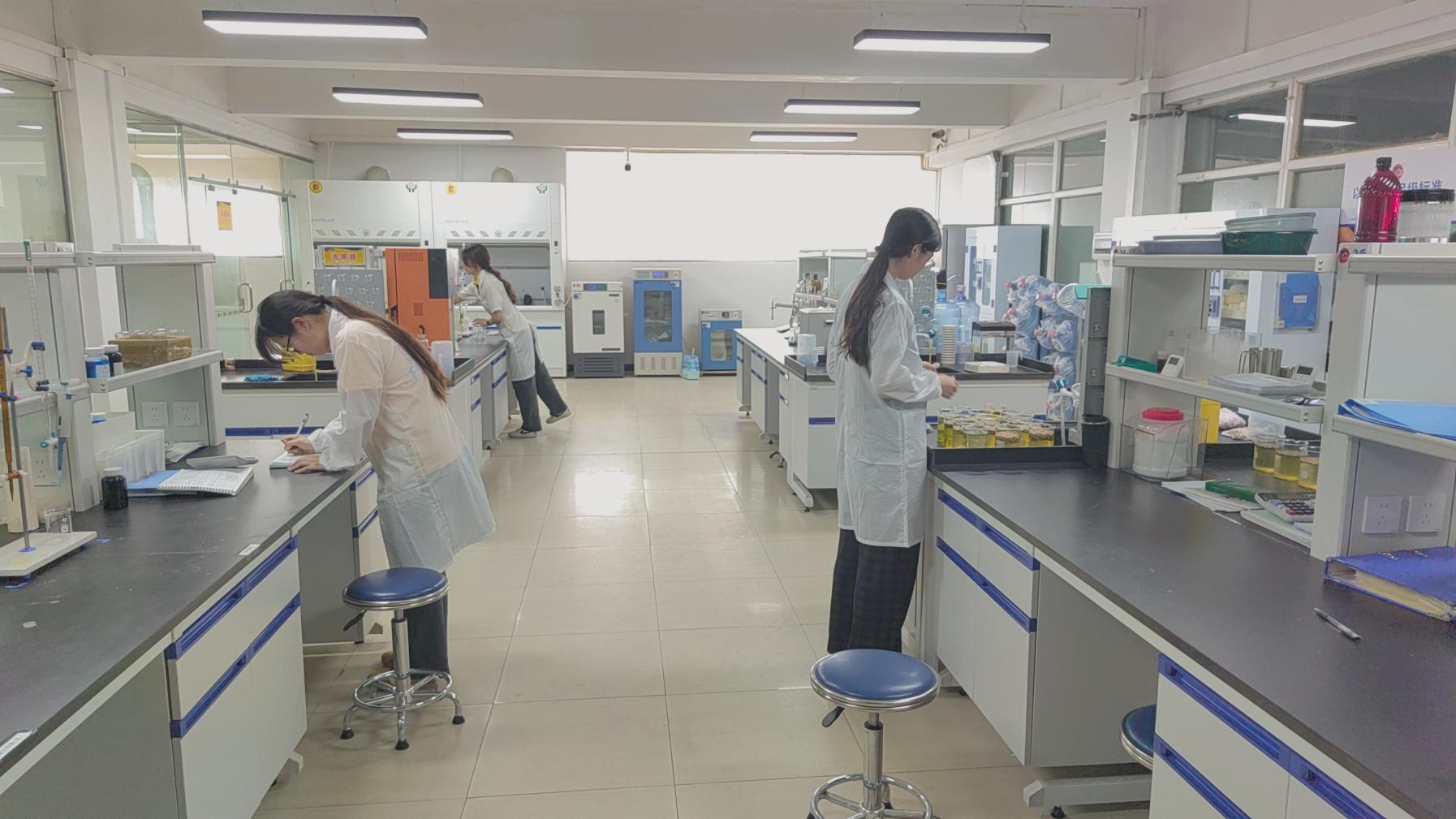
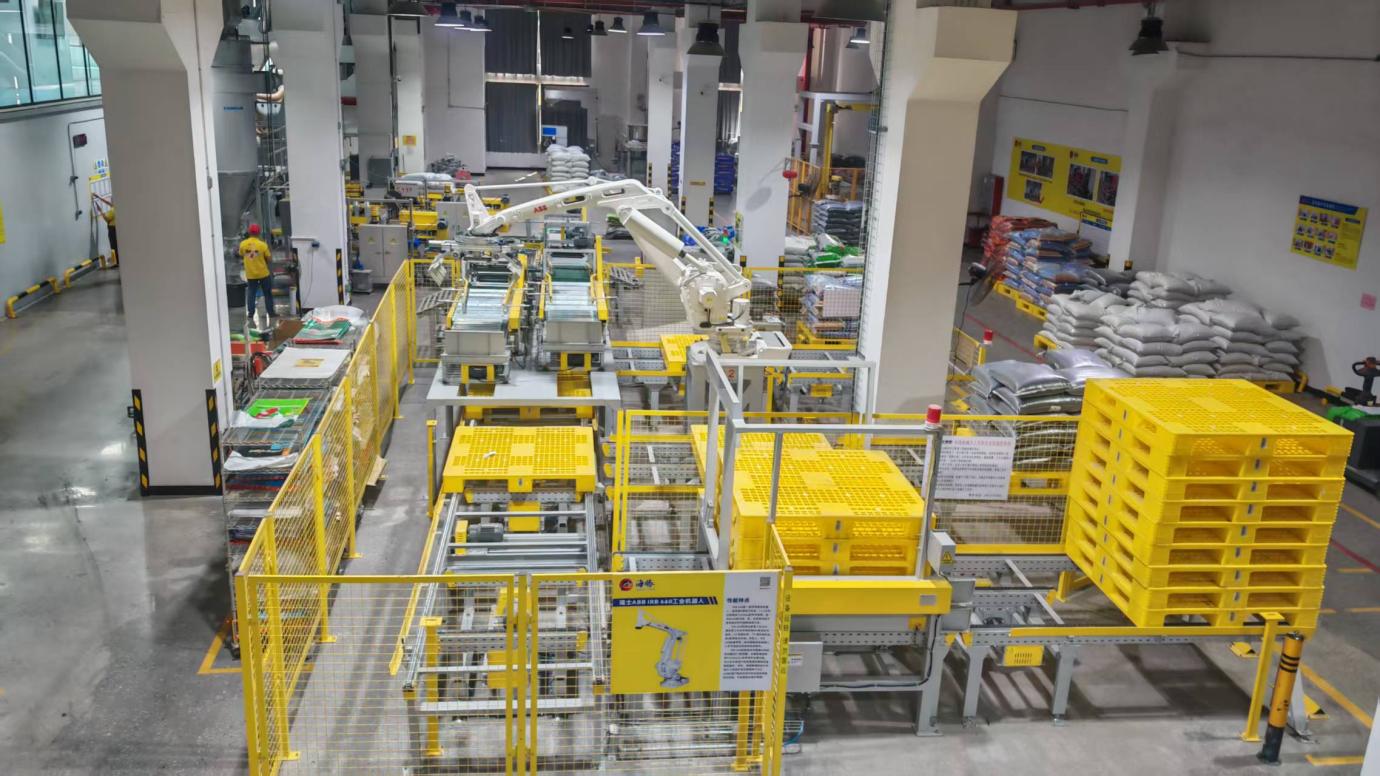
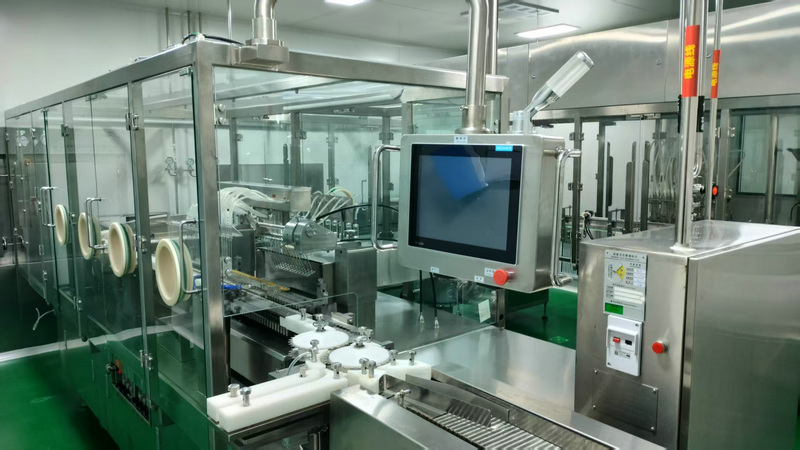
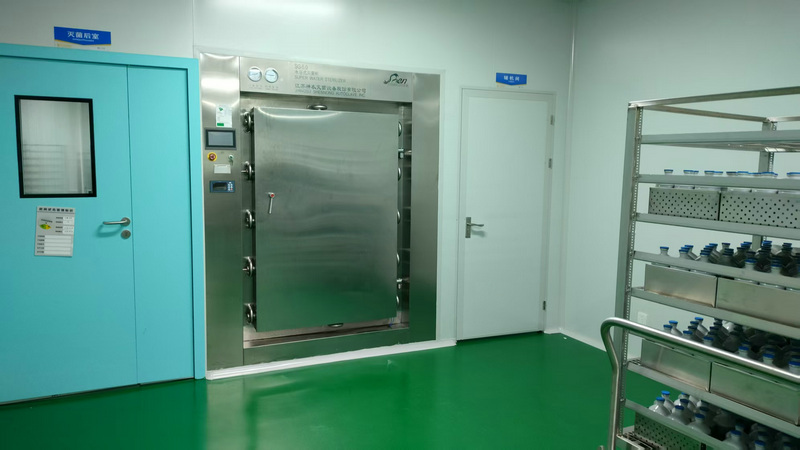
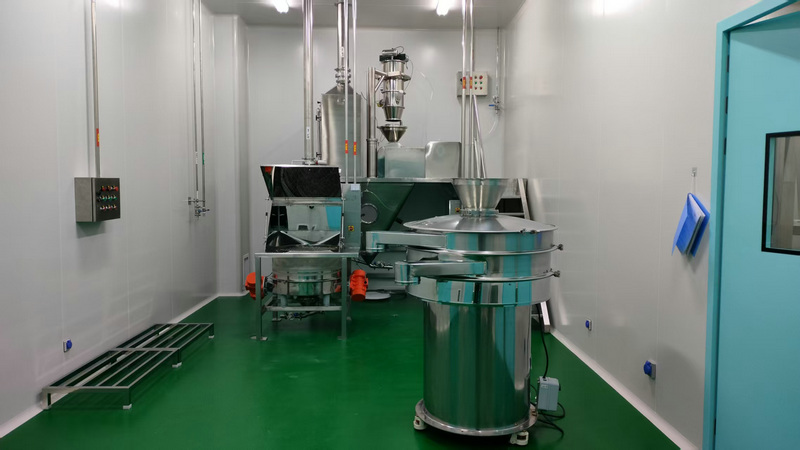
As global supply chains place greater emphasis on ESG (Environmental, Social, and Governance) targets, the L-Leucine manufacturing industry is moving away from energy-intensive extraction models. Synthetic biology (SynBio) is at the forefront of this shift, enabling scientists to re-engineer metabolic pathways in microbes to produce higher yields with less raw sugar consumption.
Additionally, localization of regulatory pathways has accelerated. The CE marking, along with compliance validation such as EU Feed Additives Regulation (EC No 1831/2003) and FDA GRAS status, acts as a primary filter for sourcing managers. Companies that fail to provide complete trace documentation, heavy metals analysis, and GMO-free certificates are rapidly being phased out by Tier-1 brands in Europe and North America.
To minimize international trade friction, procurement agents must evaluate chemical exporters across five core competencies:
Ensure the exporter can provide a complete Certificate of Analysis (COA), Safety Data Sheets (SDS) in the target language, CE compliance declarations, and Kosher/Halal documents.
Evaluate whether the manufacturer supports custom particle sizes (e.g., mesh size 80, 100, or micro-granulation) and instantization parameters to match your manufacturing machinery.
Verify domestic warehousing positions (e.g., US/EU local warehouses) and direct shipping capacity to mitigate seasonal freight delays and port congestion.
Fermentation-derived L-Leucine is manufactured using non-GMO bacterial strains (like Corynebacterium glutamicum) metabolizing glucose from corn or cane sugar. This process is vegan, clean, and complies with strict natural food requirements. Hydrolyzed L-Leucine is derived from animal protein sources (such as feathers or hair) via hydrochloric acid hydrolysis, which is more cost-effective but may not align with vegan and organic product positioning.
CE Certification and compliance with European Union directives ensure that the amino acid meets all mandatory safety, health, and environmental requirements. For animal feed applications, compliance with EU Feed Additive Regulations is mandatory to secure entry at European customs and to be included in commercial feed formulations.
We offer Instantized L-Leucine, treated with small quantities of sunflower or soy lecithin. This micro-coating process allows the naturally hydrophobic L-Leucine crystals to disperse immediately in cold water, making it suitable for functional BCAA drink mixes.
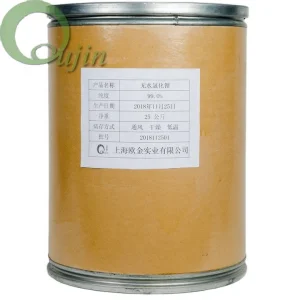
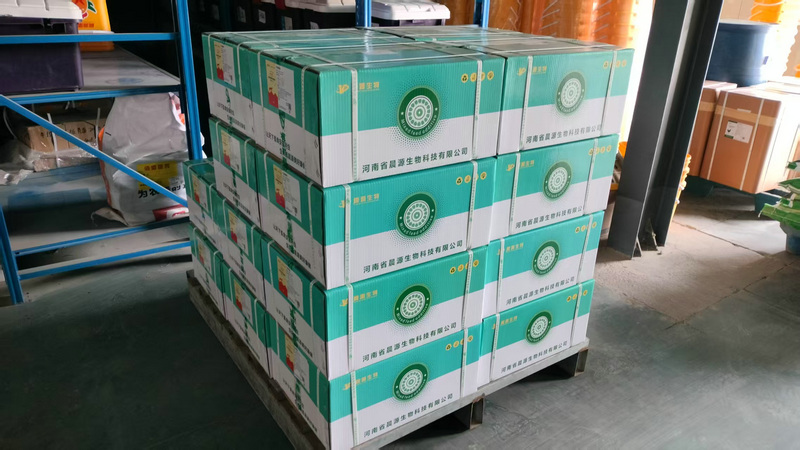
Our standard commercial configurations are 25 kg fiber drums or multi-wall kraft paper bags lined with dual-layer PE plastic bags. For larger industrial feed mill operations, 500 kg and 1,000 kg super sacks (FIBC) with anti-moisture liners are available.
Yes. Qingdao Akston Health Co., Ltd. specializes in custom premixes, integrating L-Leucine with other key amino acids, vitamins, minerals, and feed enzymes to meet specific livestock, poultry, or aquaculture nutritional specifications.