1 / 5
 Akston Health
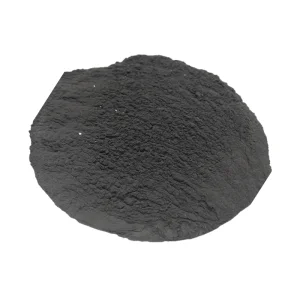
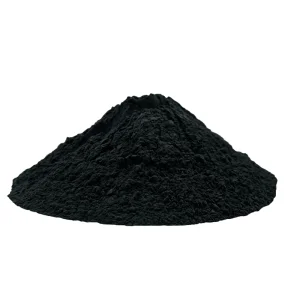
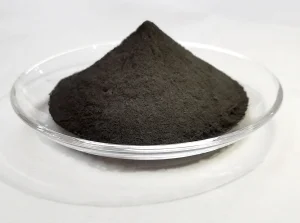
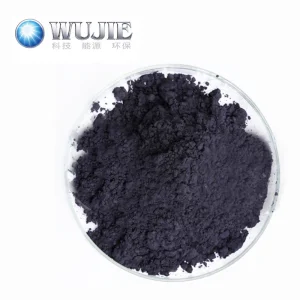
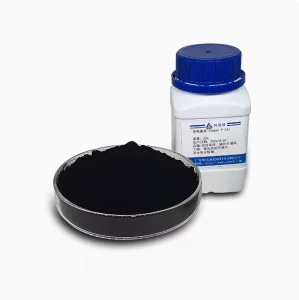
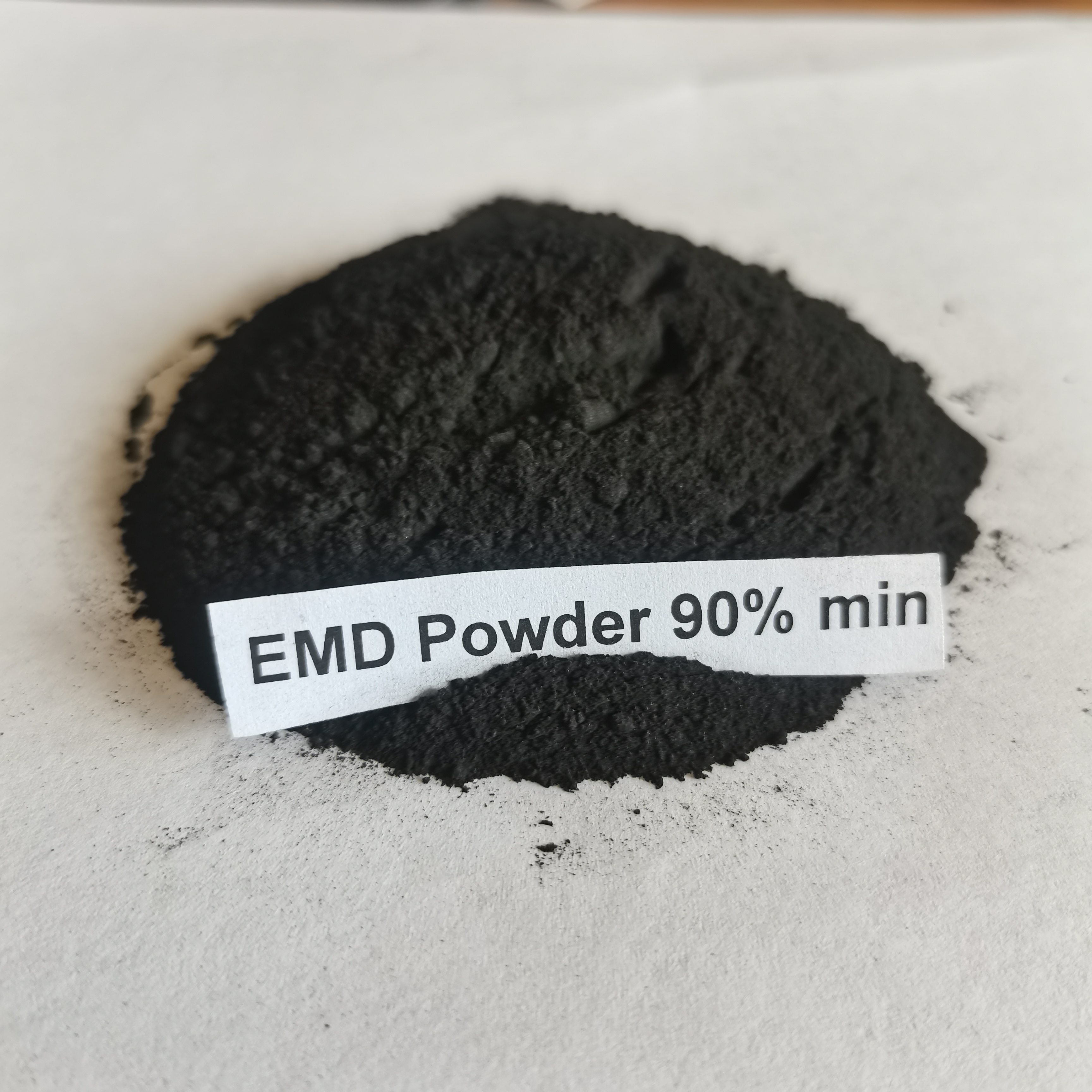
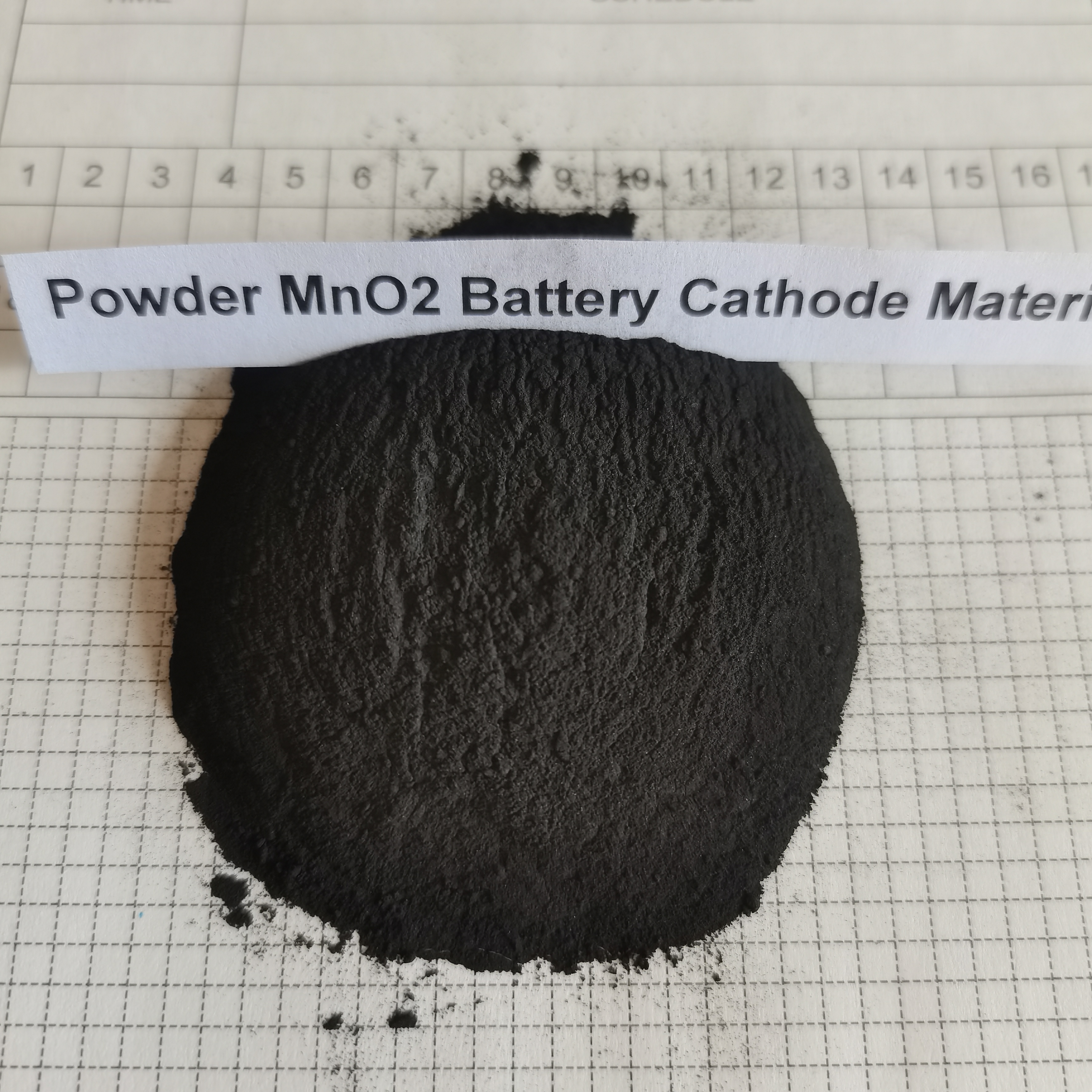
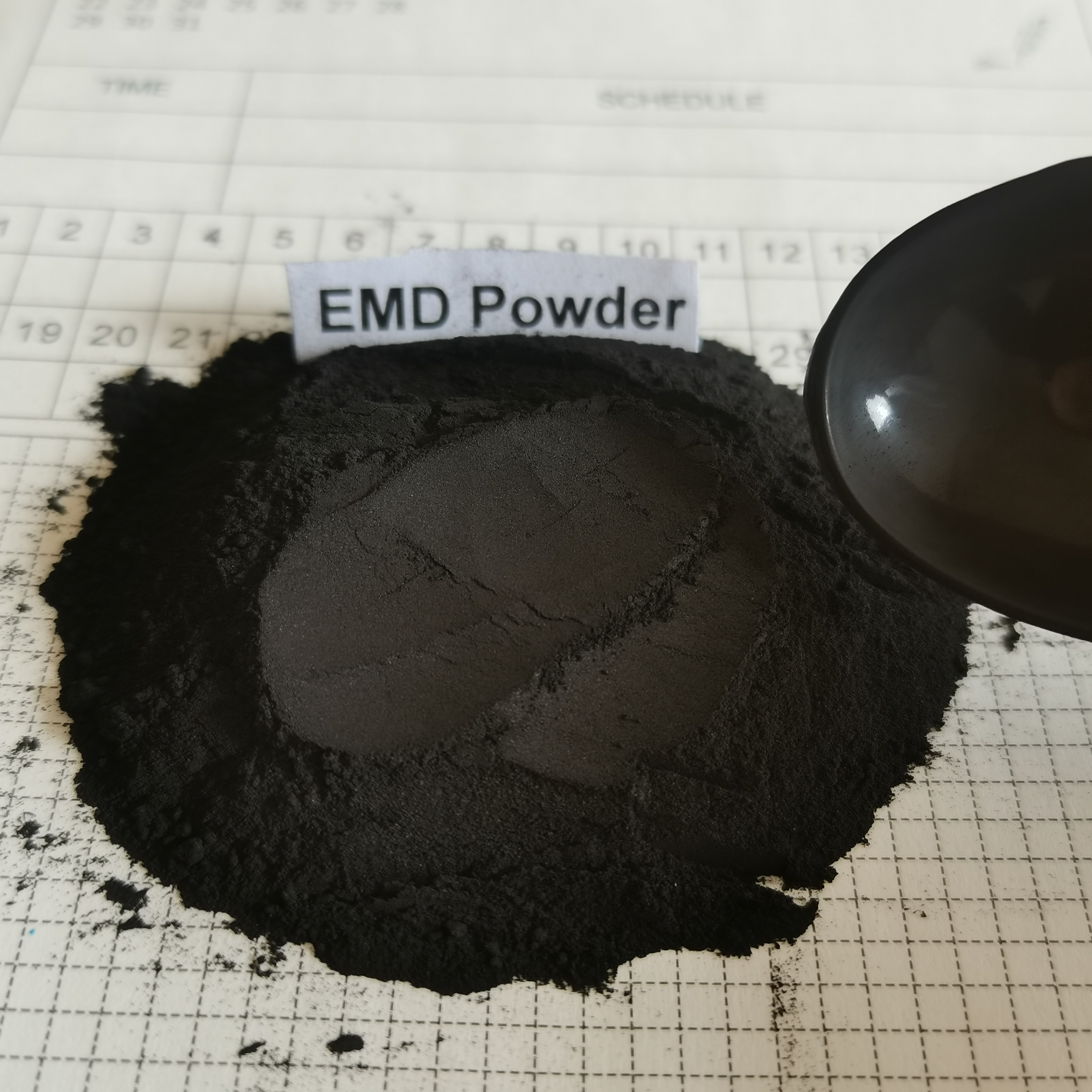
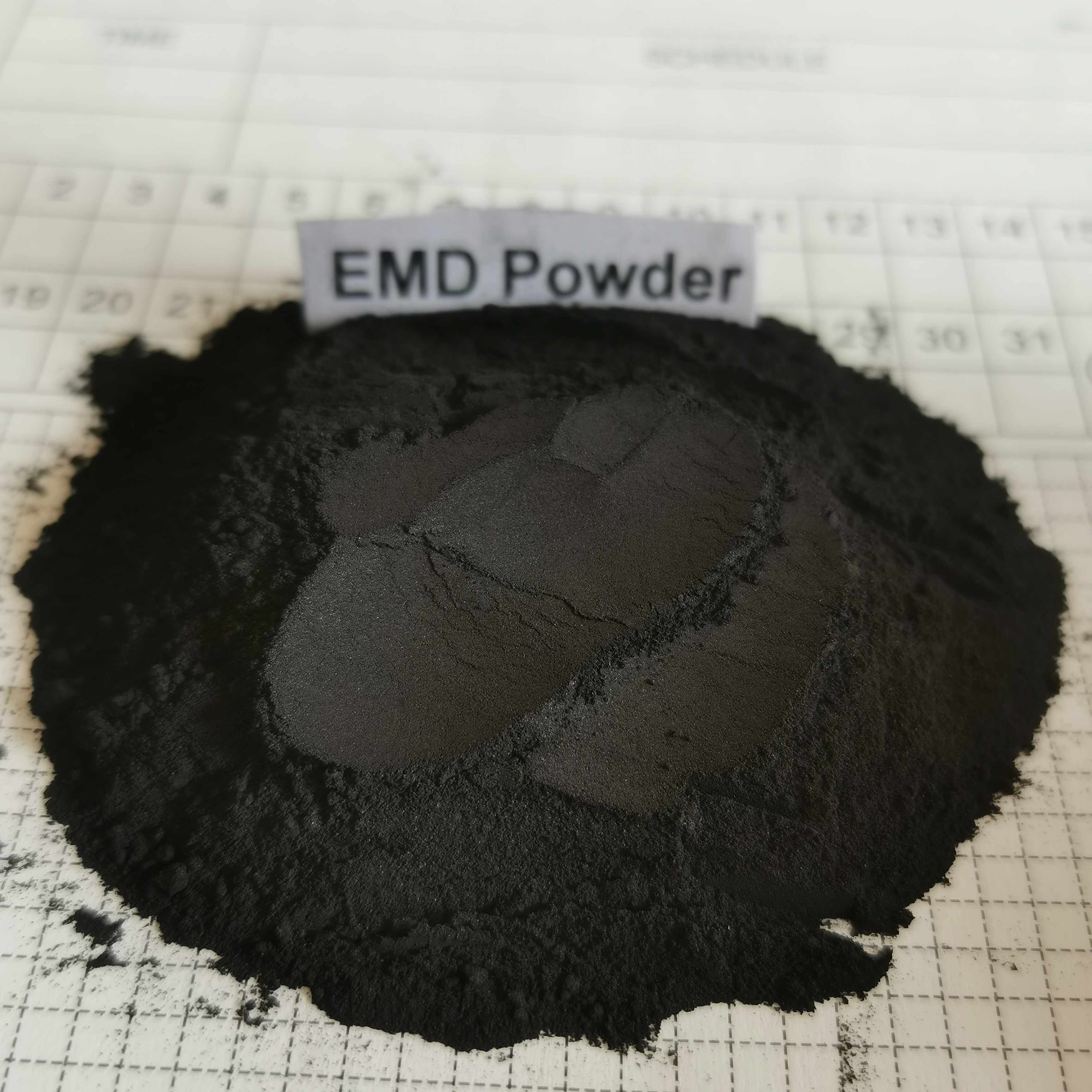
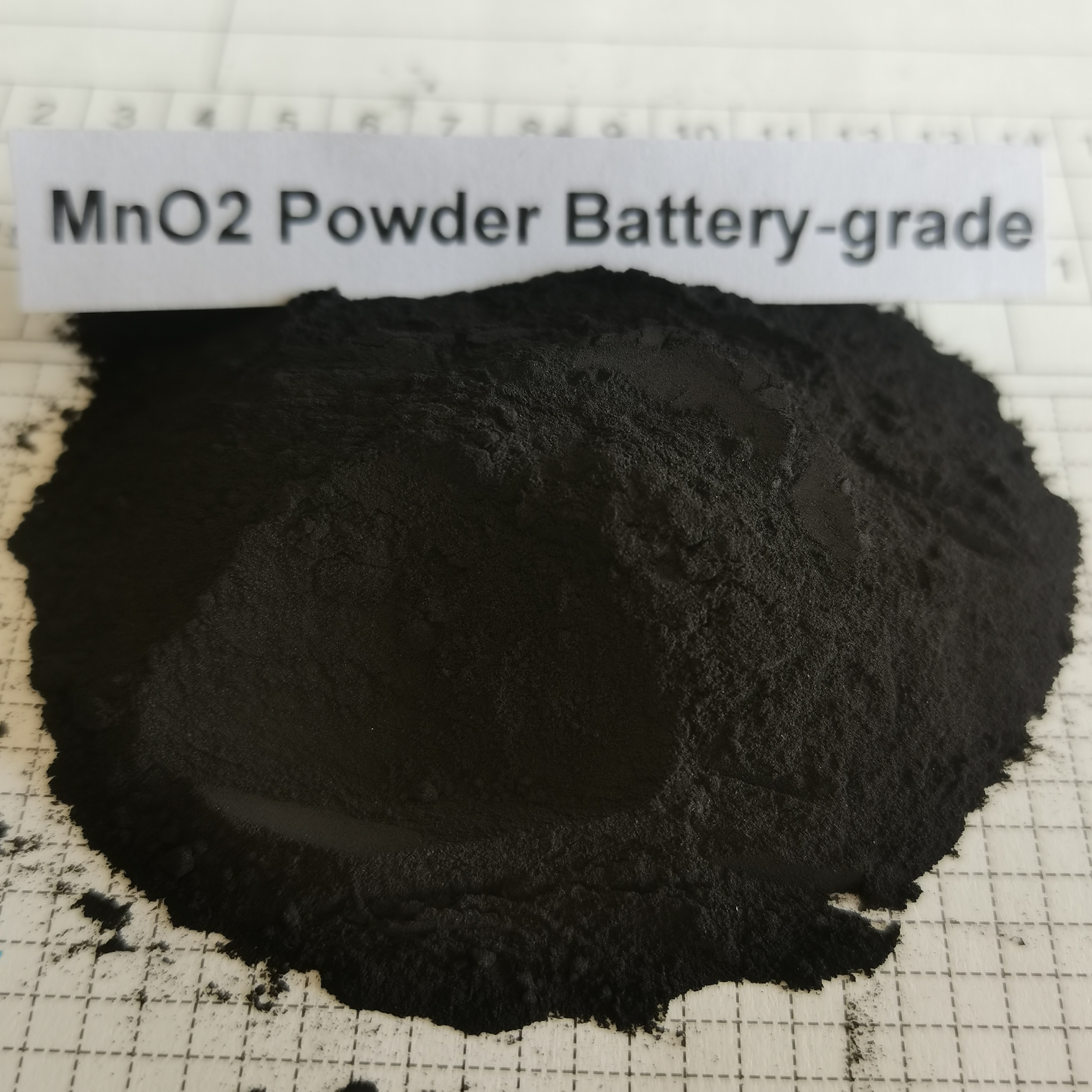
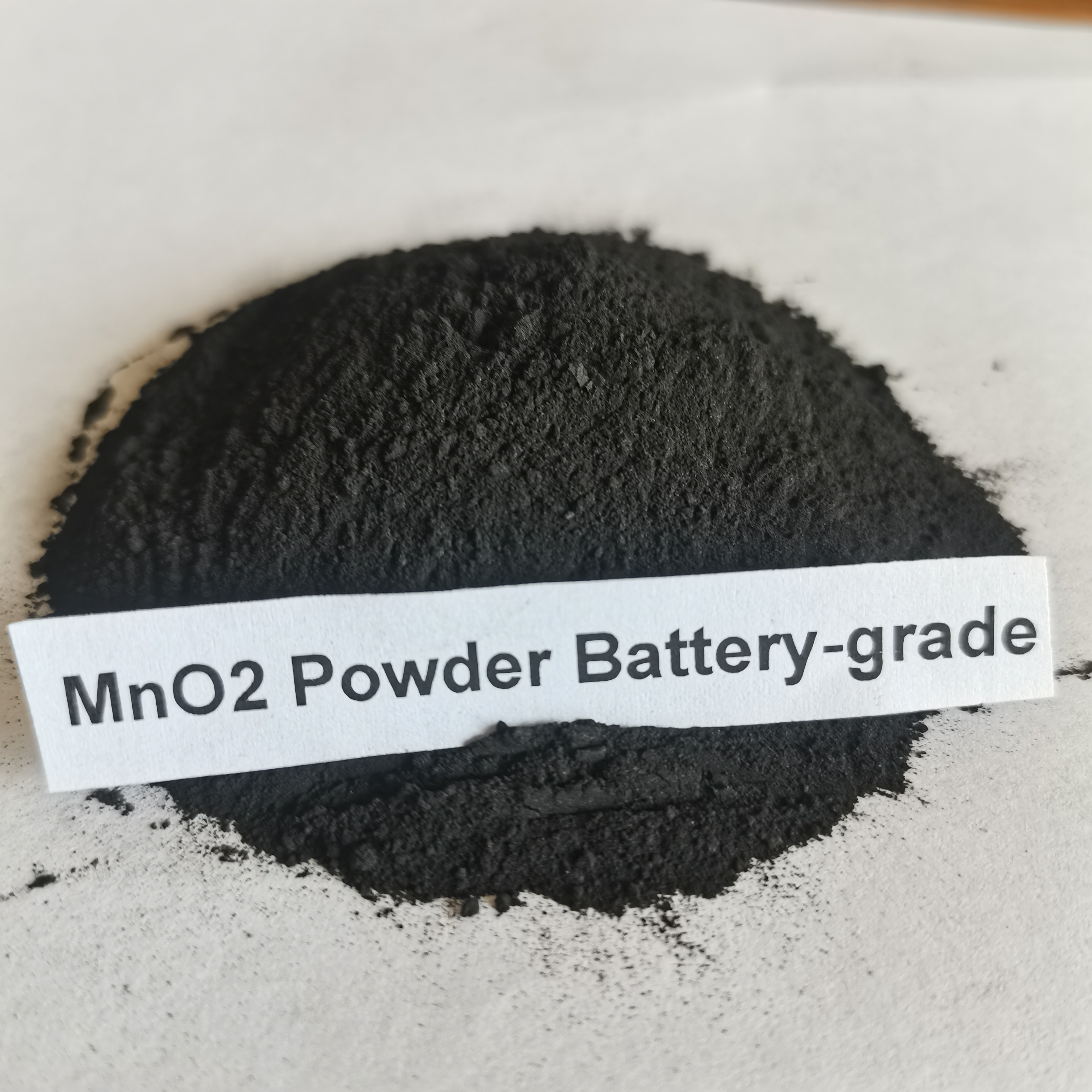
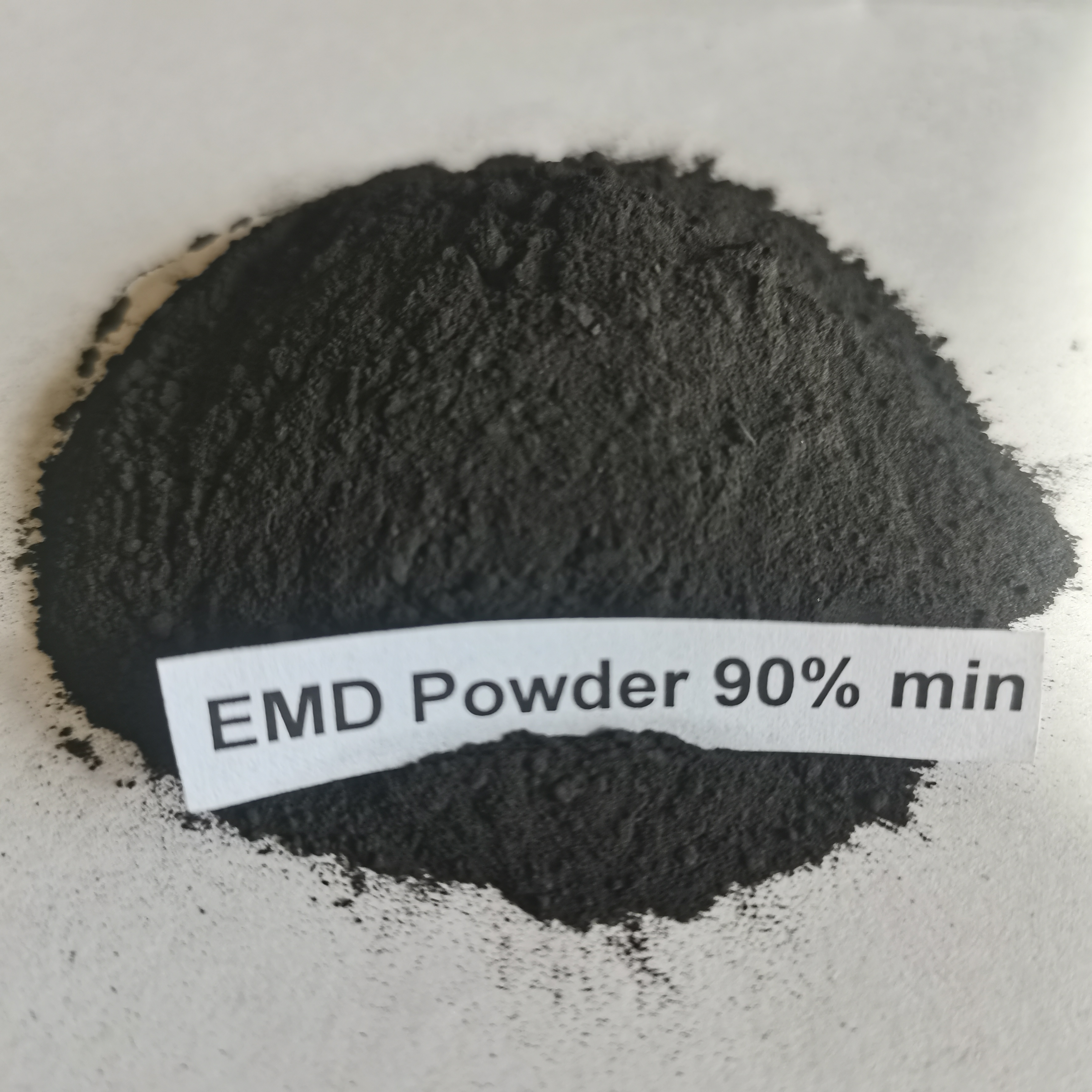
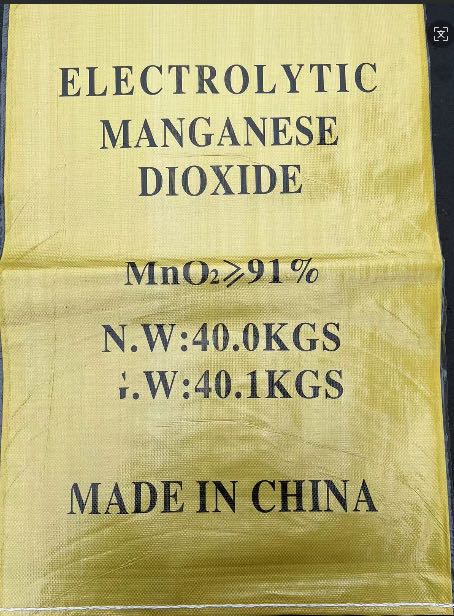
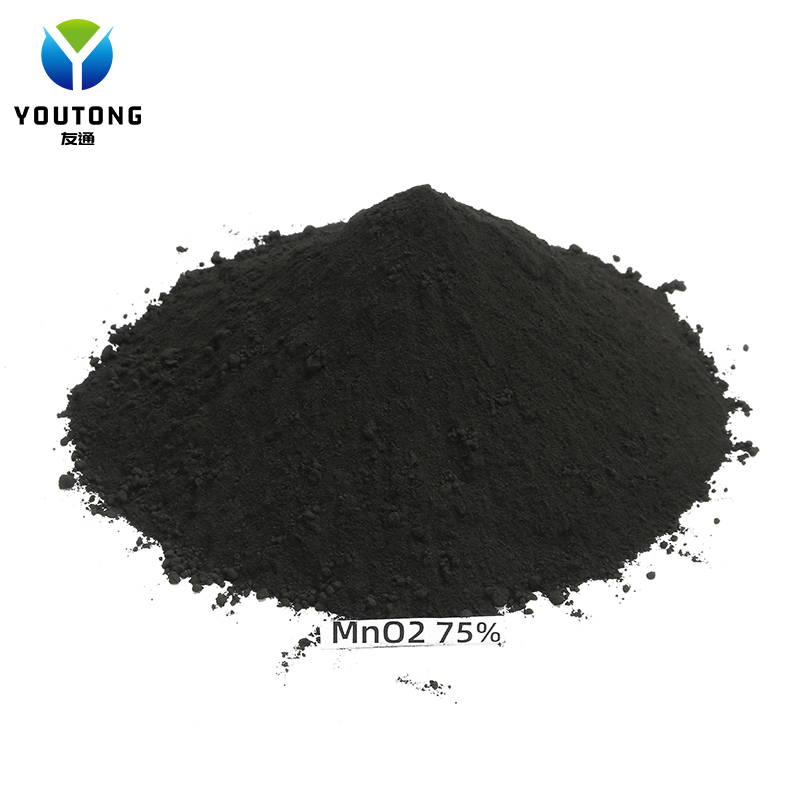
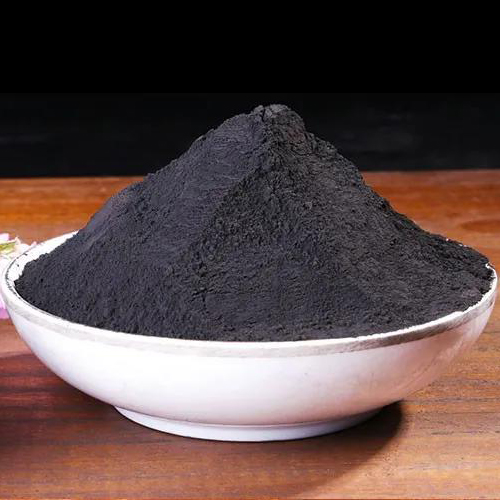
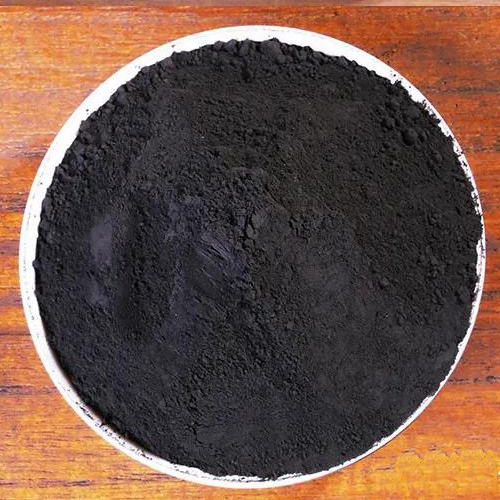
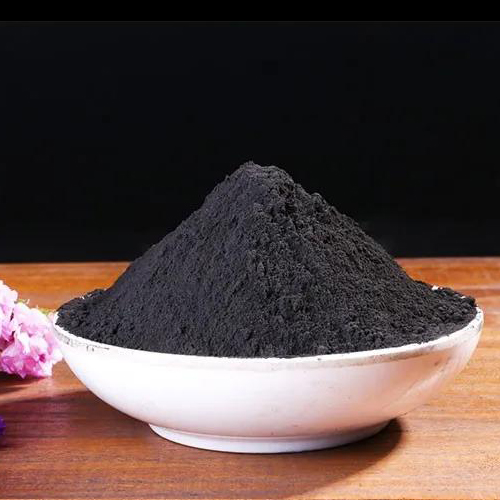
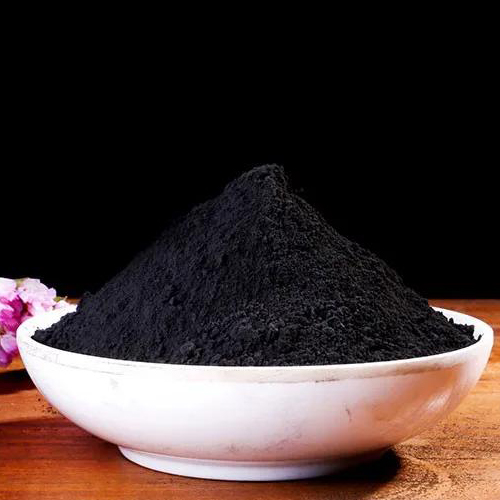
Electrolytic Manganese Dioxide Powder (abbreviated as EMD Powder) is a high-purity, crystalline manganese dioxide product prepared by an electrolytic process. It is currently the most widely used type of manganese dioxide, especially dominating the field of battery cathode materials. This document will provide a detailed introduction from aspects such as basic properties, production process, core applications, quality indicators, and comparison with natural manganese dioxide.
The preparation of EMD powder is a typical wet electrolysis process, with the core steps as follows:
With its porous structure and excellent electrochemical performance, EMD powder is irreplaceable in many fields. The main application scenarios are as follows:
The quality of EMD powder is evaluated by multiple indicators, which directly determine its application effect:
EMD: It is a synthetic manganese dioxide produced through an electrolysis process. The common raw material is manganese sulfate solution. Under specific temperature, current density, and pH conditions, Mn²⁺ is oxidized at the anode to deposit as high-purity MnO₂ on the electrode surface. This process is controllable, so the product's purity and crystal structure can be precisely adjusted.
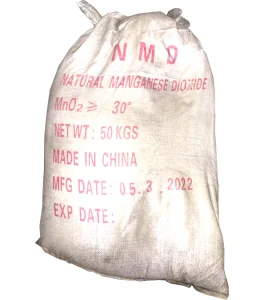
NMD: It is directly mined from natural manganese ore and processed through crushing, grinding, beneficiation, and purification. Its composition is determined by the ore deposit's geological conditions, so it contains more impurities (such as iron, silicon, aluminum oxides) and has inconsistent properties between different batches.
EMD: It mainly has a γ-type crystal structure (some modified EMD can have ε-type or composite structures). The crystal particles are uniform, with a porous, loose morphology and large specific surface area. The pore size distribution is also controllable, which is beneficial for ion diffusion.
NMD: Its crystal structure is complex, often a mixture of α-type, β-type, γ-type, and amorphous phases, depending on the ore source. The particle size is uneven, the specific surface area is smaller than EMD, and the porosity is lower, which limits its electrochemical performance.
| Items | Technical Datas |
|---|---|
| Product Category | Electrolytic Manganese Dioxide Powder |
| CAS No. | 1313-13-9 |
| Other Names | Manganese Powder |
| MF | MnO2 |
| EINECS No. | 231-545-4 |
| Place of Origin | China |
| Grade Standard | Agriculture Grade |
| MnO2 Purity | 90 % |
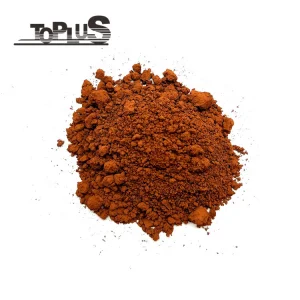
| Appearance | Brown black powder |
| MP Model Number | MP-150, MP-200, MP-300 |
| Product name | Electrolytic manganese dioxide powder |
| Shape | Brown or black powder |
| Grade | Industrial charge battery Grade |
| Size | 150-200 mesh, 300-400 mesh |
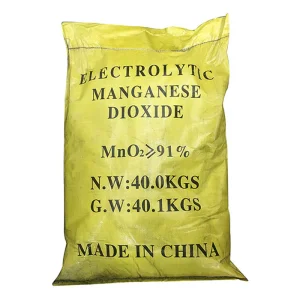
| Package | 25kg/bag, 40kg/bag, 1000kg/bag, customized |
| Sample | 1000g |
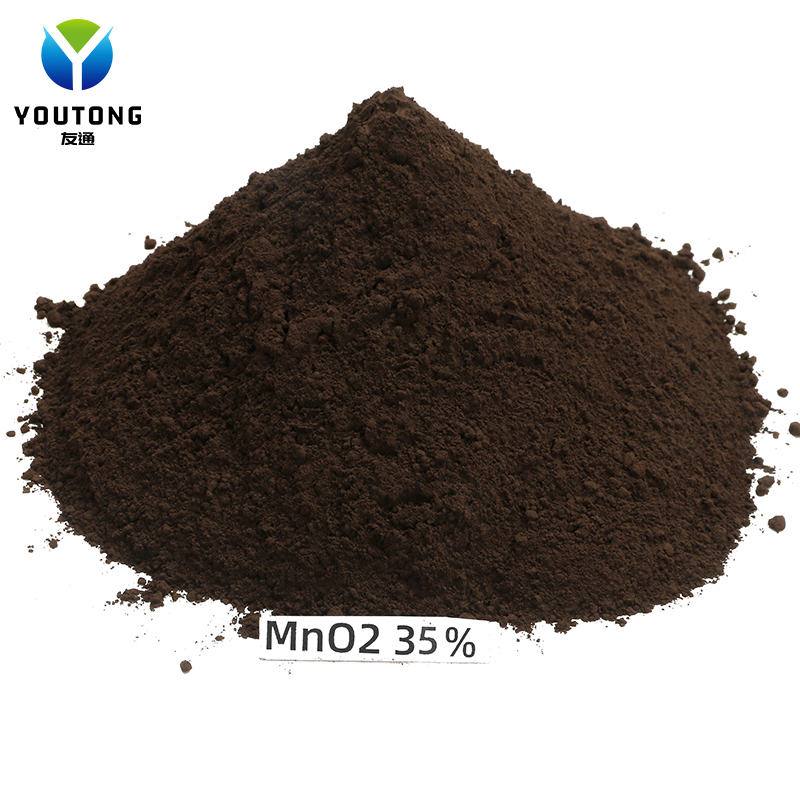
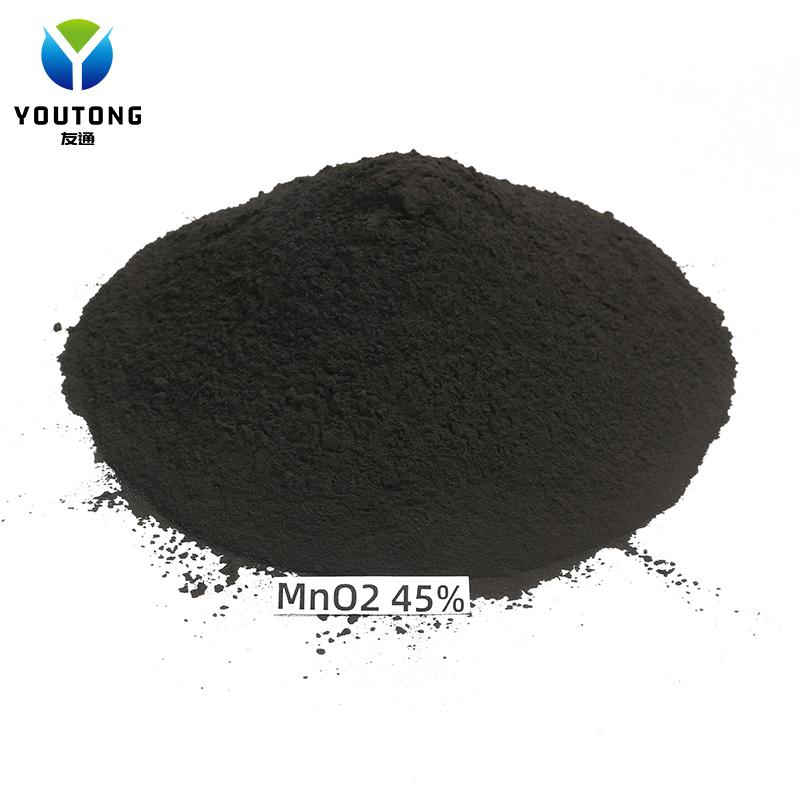
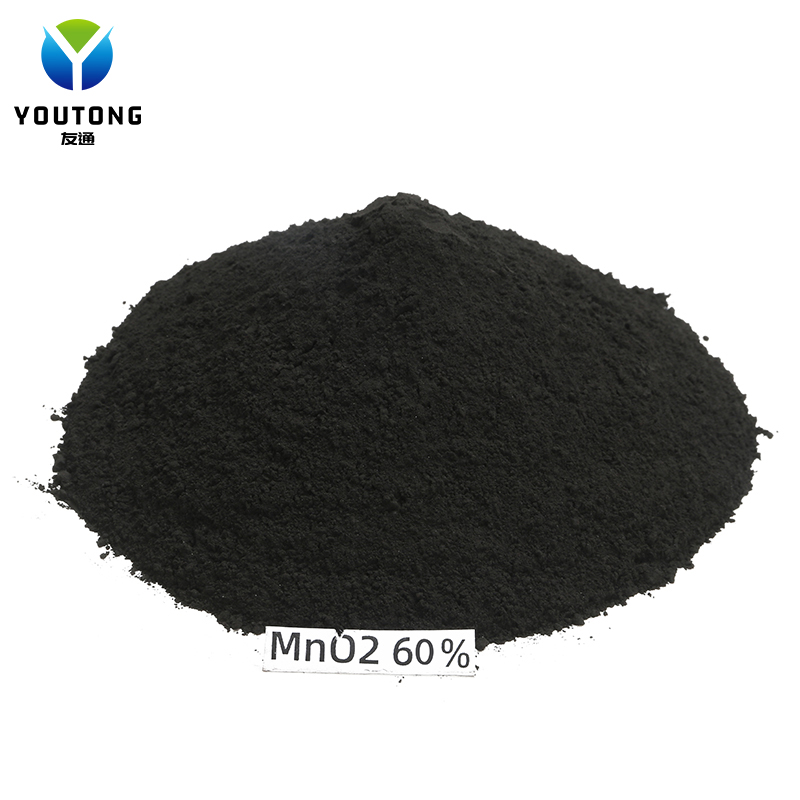
| MnO2 content | NMD 30-80%, EMD 90-92% |
Typical Chemical Compositions and physical datas for 90% grade
| Items | Test Data | Item | Test Data |
|---|---|---|---|
| Mn % | 60.86 | Al ug/g | 2 |
| MnO2 % | 92.25 | Ti ug/g | 44.3 |
| H2O % | 2.47 | Ca ug/g | 125 |
| Fe ug/g | 24 | Mg ug/g | 222 |
| Cu ug/g | 0.9 | PH | 5.9 |
| Ni ug/g | 1.3 | Tap Density g/cm3 | 2.35 |
| Pb ug/g | 0.5 | Apparent Density g/cm3 | 1.552 |
| K ug/g | 0.5 | SO42- % | 1.04 |
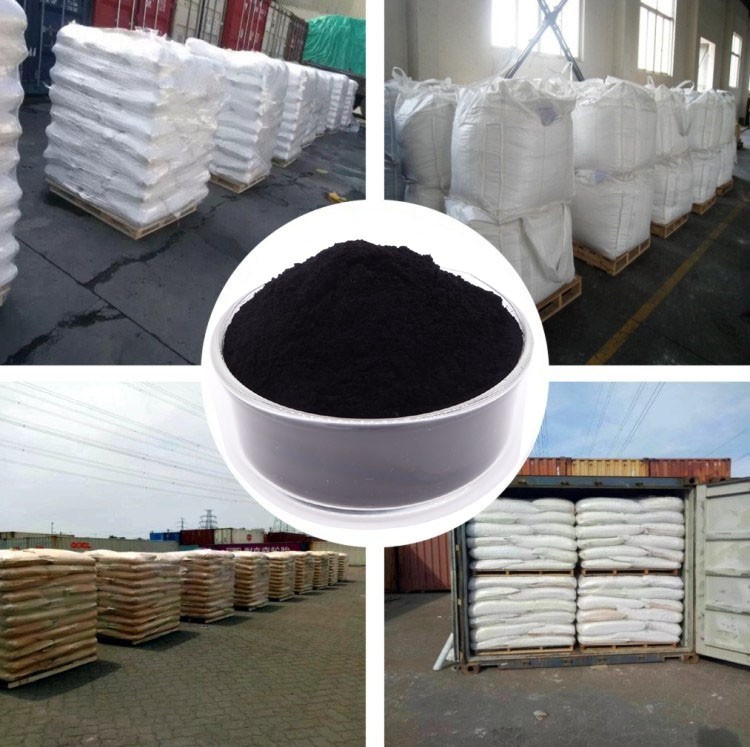
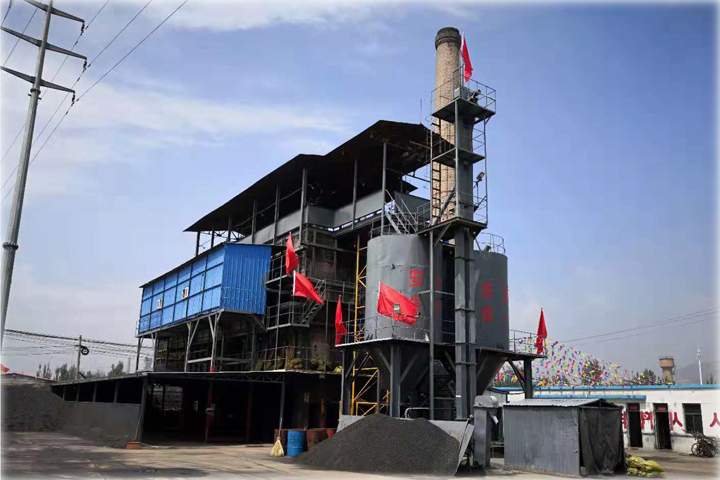
The monthly output of EMD 90 is around 2000 tons. We have a circulating pool, two large magnetic separators, two large drying furnaces, roller screen, vibrating screen, sand washing machine and four 6R Raymond powder production lines, which can supply nearly hundreds of tons of manganese products daily and produce more than ten thousand tons per month. We also have owned laboratory and professional quality inspection personnel, complete and scientific quality management system, fully ensure the quality of products leaving the factory.
Our goods delivery to port by car, by water, by train. We are located in the hub with convenient access to national and provincial roads, ensuring fast transportation. Motor transportation is commonly utilized to reduce handling loss and provide door-to-door delivery. Water transport is suitable for coastal or river regions. Train transport is typically not recommended unless requested due to higher transshipment losses.
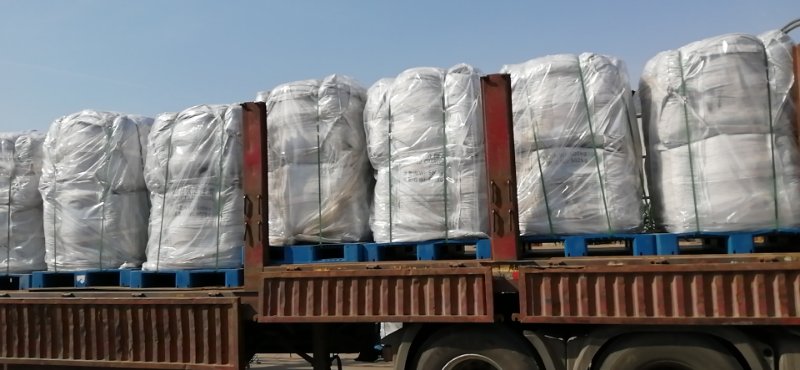
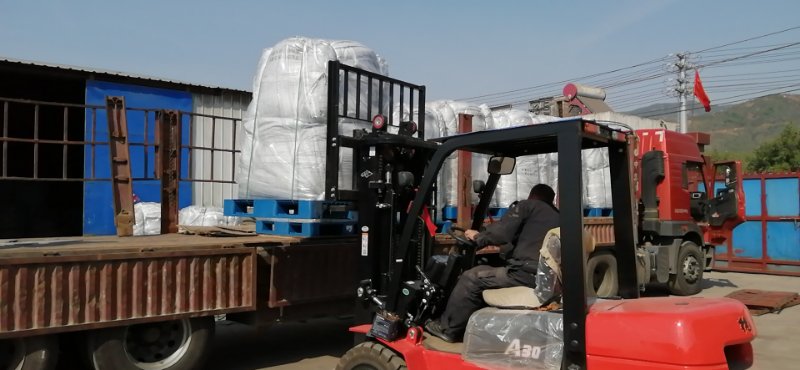
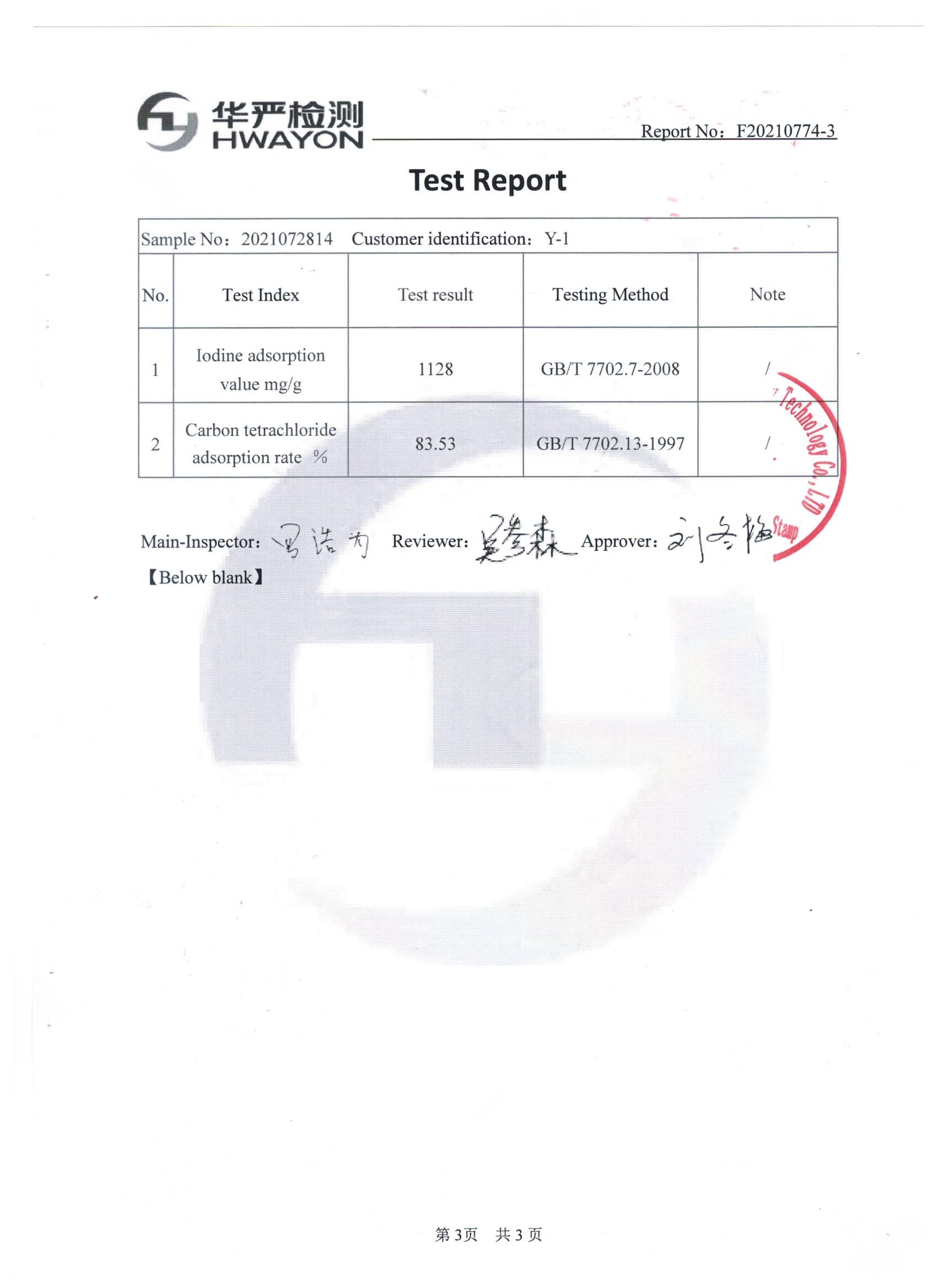
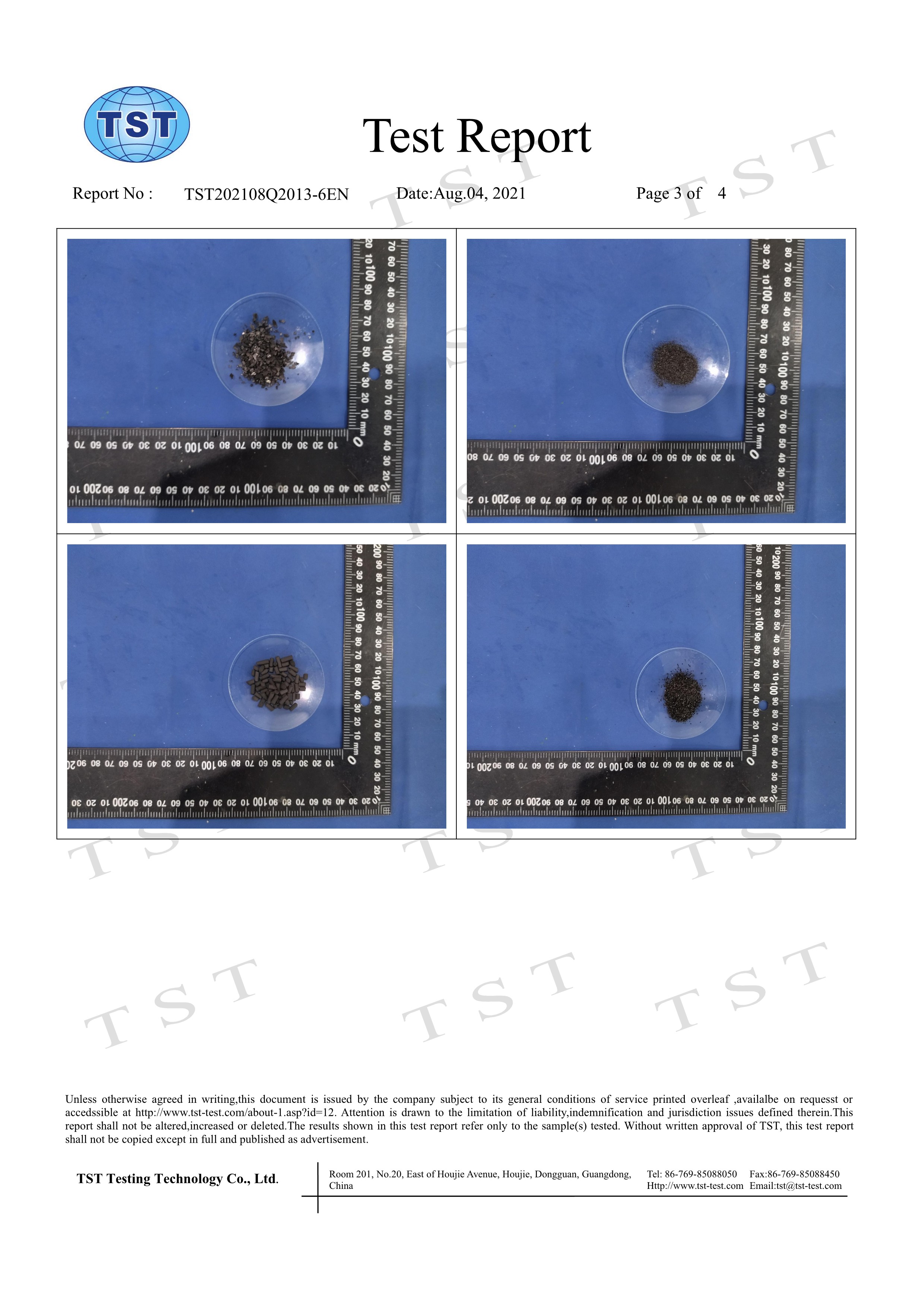
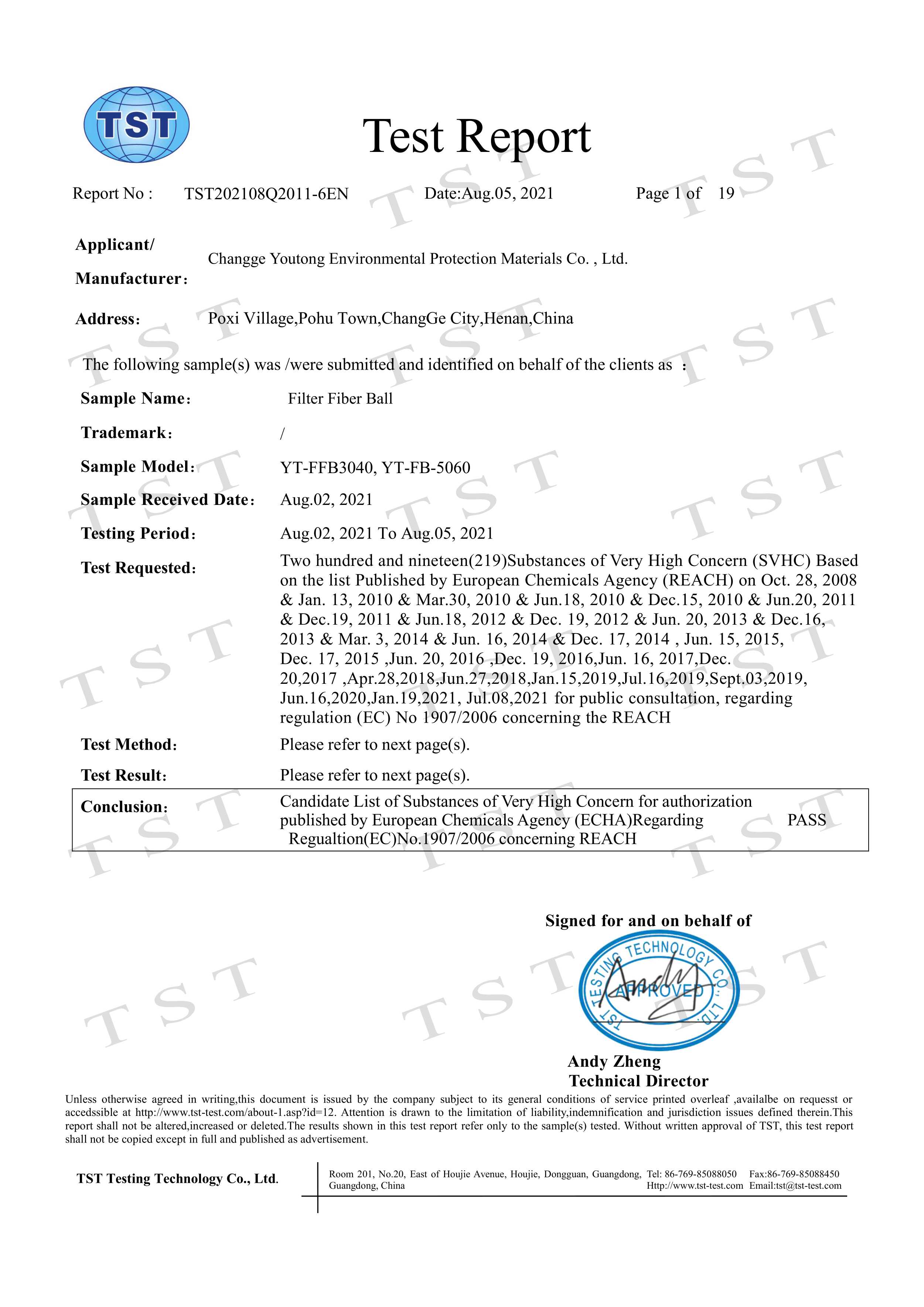
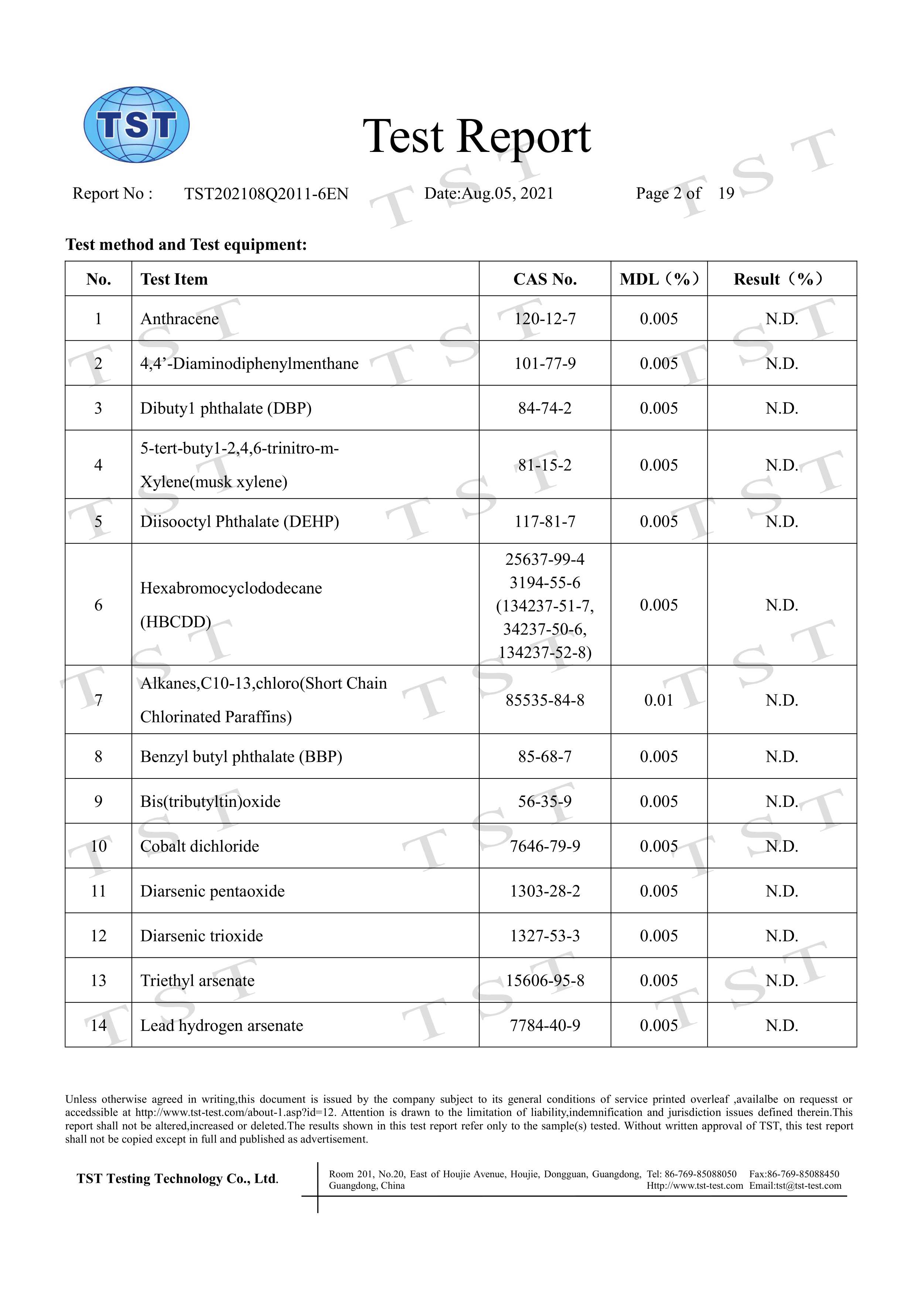
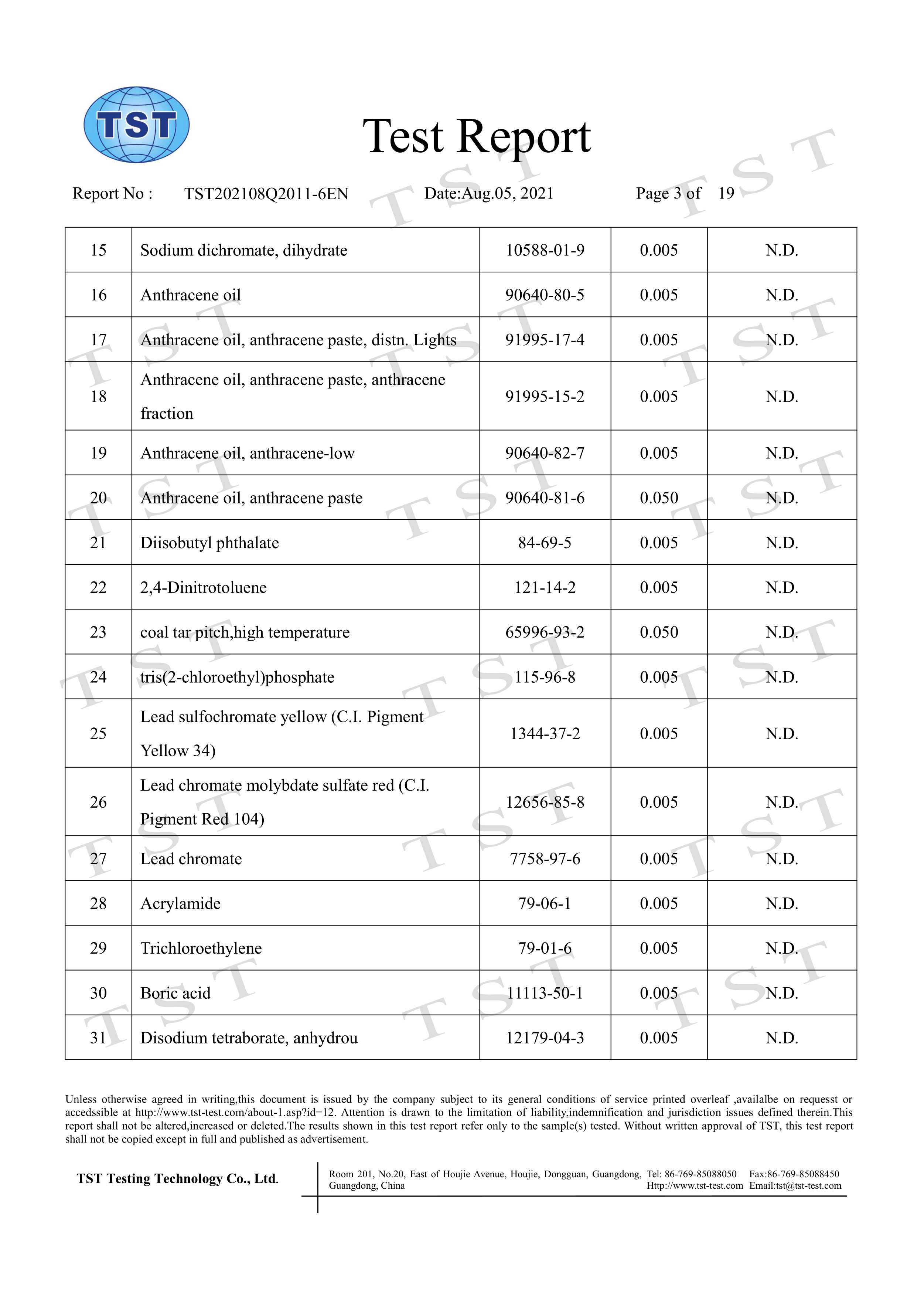
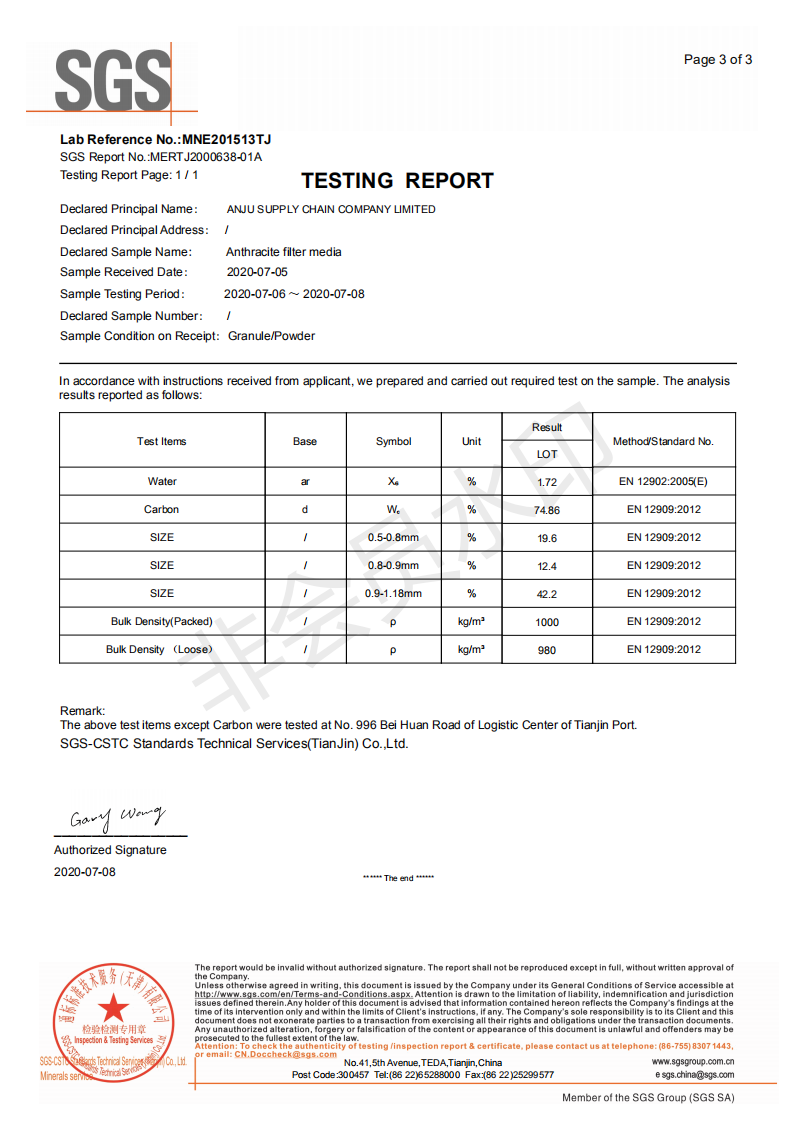
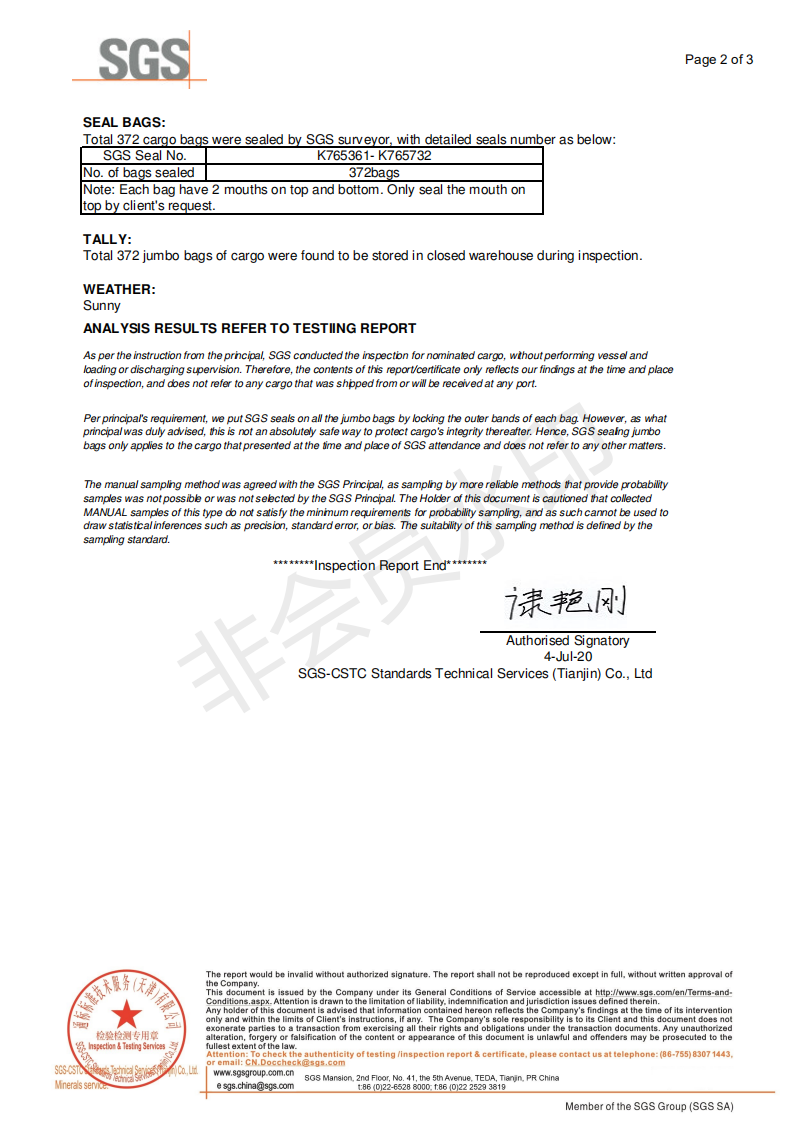
All our finished goods have factory-lab test reports. Custom required Inspection Methods are available. Third-party testing services we cooperate with include SGS, BV, and TST.