1 / 5
 Akston Health

| Parameter | Unit | Specification | Test Result |
|---|---|---|---|
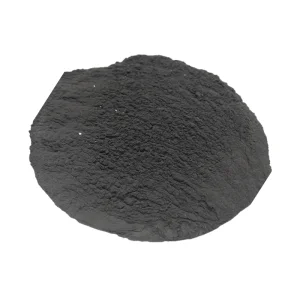
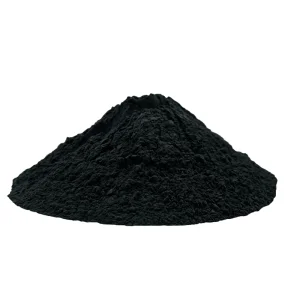
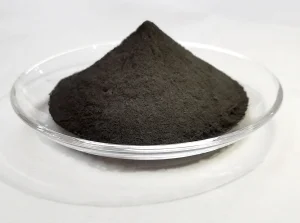
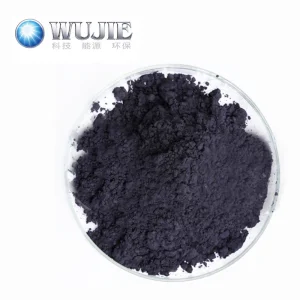
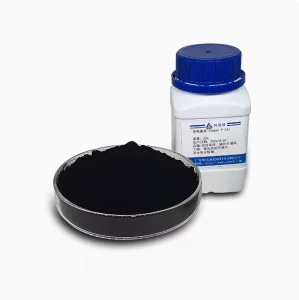
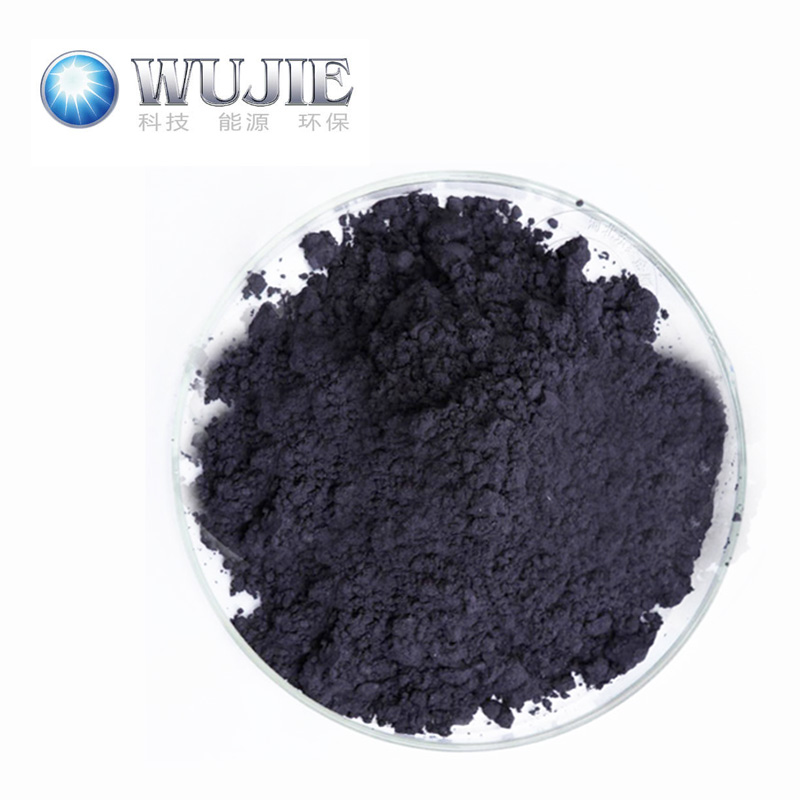
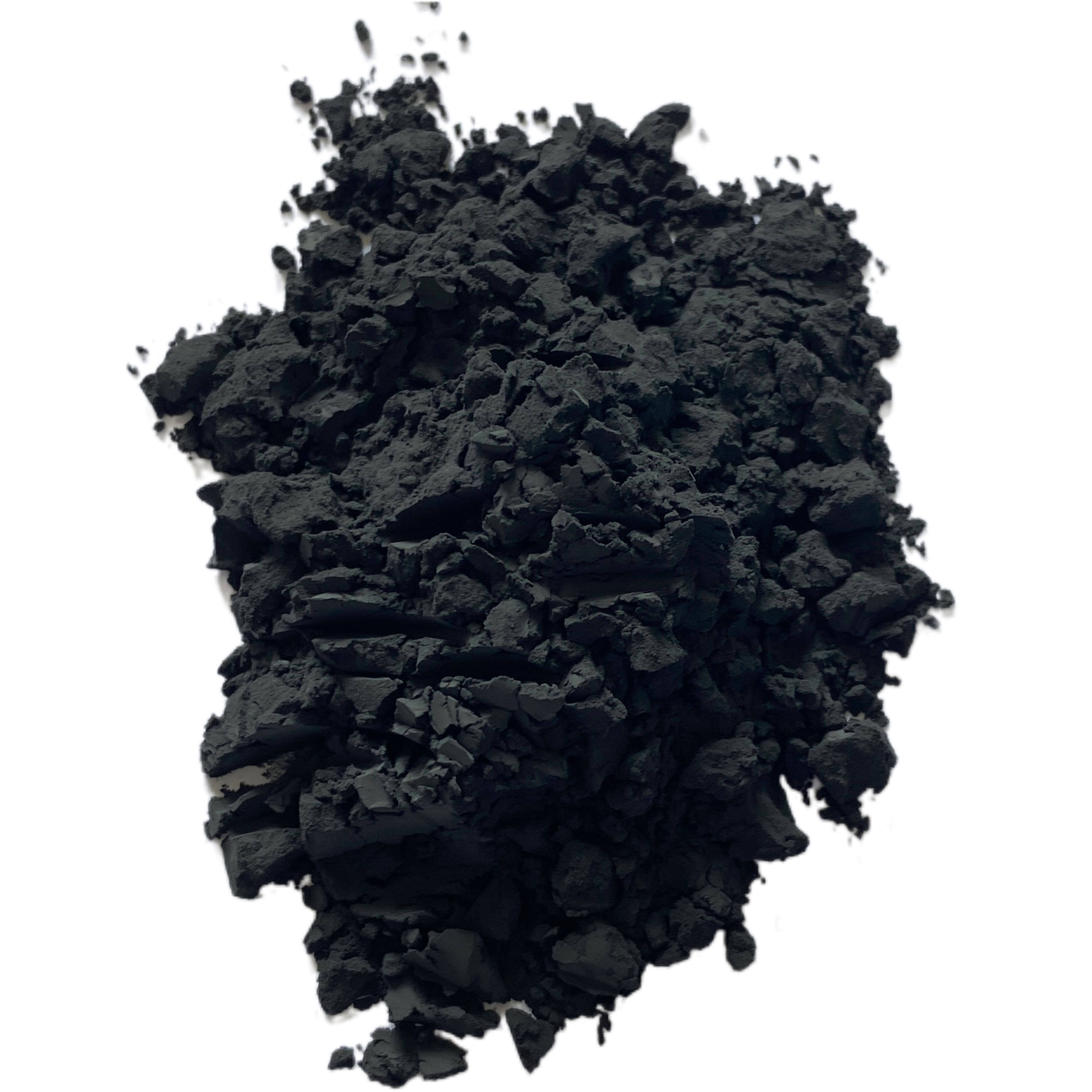
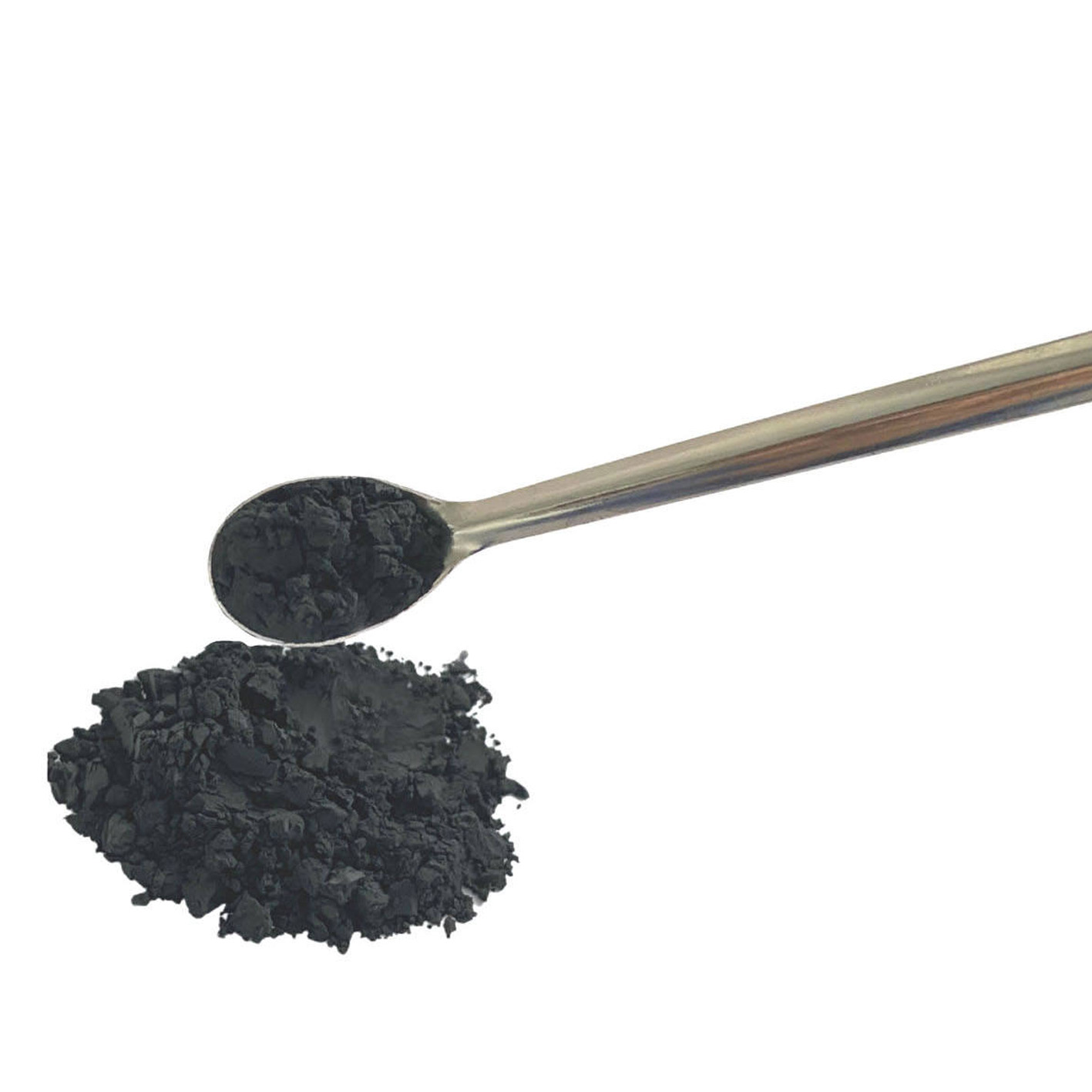
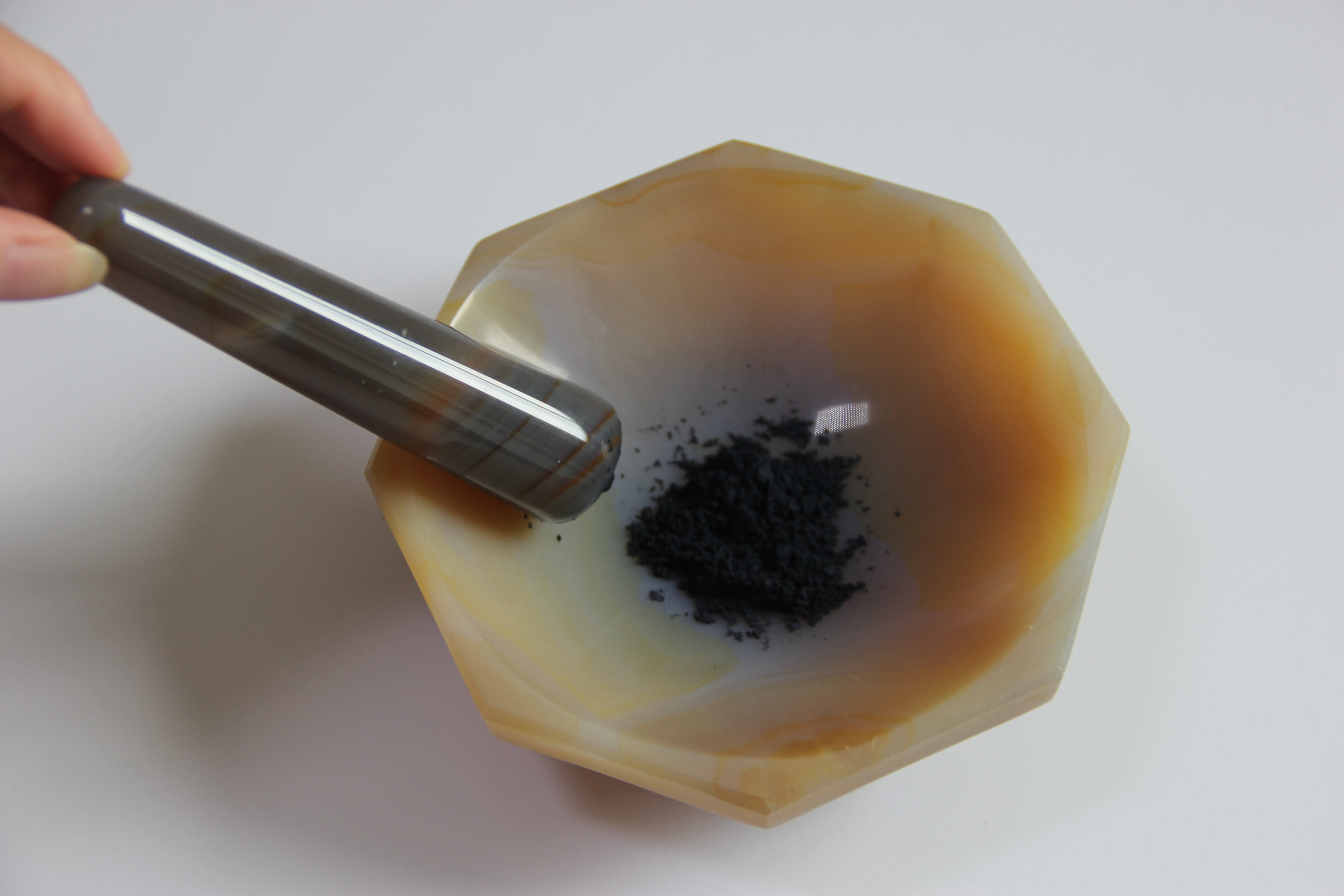
| Appearance | - | Gray-black powder, free-flowing | Gray-black powder, uniform |
| Tap Density | g/cm³ | ≥1.8 | 1.93 |
| Compacted Density | g/cm³ | ≥2.8 | 2.84 |
| BET Surface Area | m²/g | ≤0.8 | 0.53 |
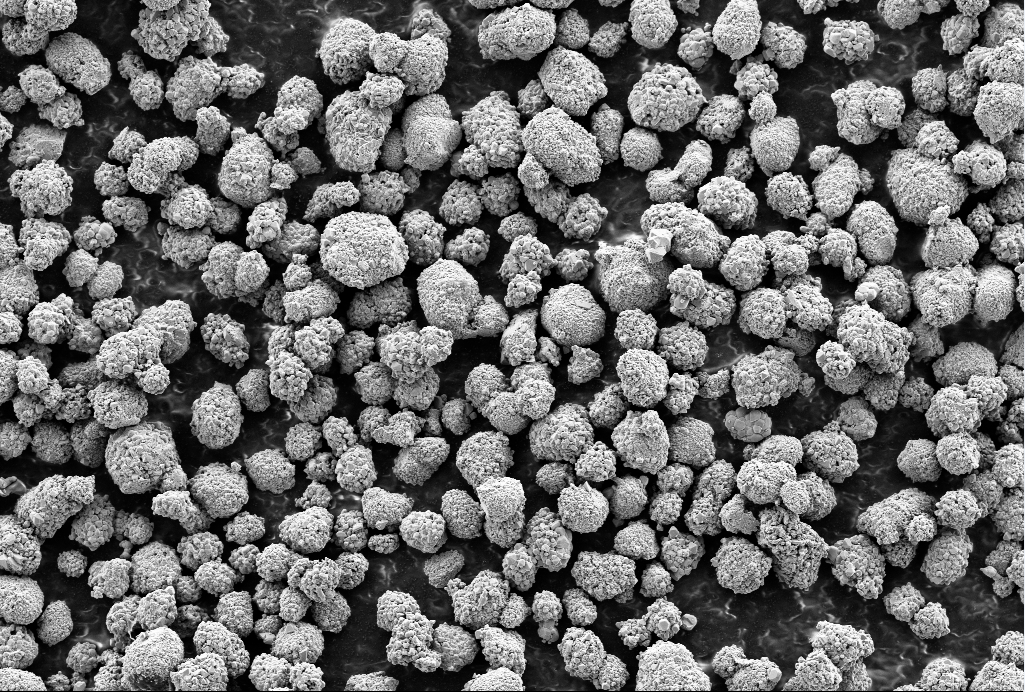
| Particle Size (D10) | µm | 3.0-6.0 | 4.69 |
| Particle Size (D50) | µm | 7.0-12.0 | 9.83 |
| Particle Size (D90) | µm | ≤30.0 | 21.24 |
| Lithium Content | % | 3.8±0.1 | 3.85 |
| Manganese content | % | 59.0±1.0 | 59.06 |
| Sodium impurities | % | ≤0.1 | 0.07 |
| Magnesium impurities | % | ≤0.01 | 0.008 |
| Calcium impurities | % | ≤0.01 | 0.008 |
| Iron impurity | % | ≤0.01 | 0.008 |
| Copper impurities | % | ≤0.002 | ≤0.0016 |
| pH Value | - | ≤9.5 | 8.69 |
| Initial Discharge Capacity (0.2C) | mAh/g | ≥116 | 118.6 |
| Initial Coulombic Efficiency | % | ≥96 | 97.5 |
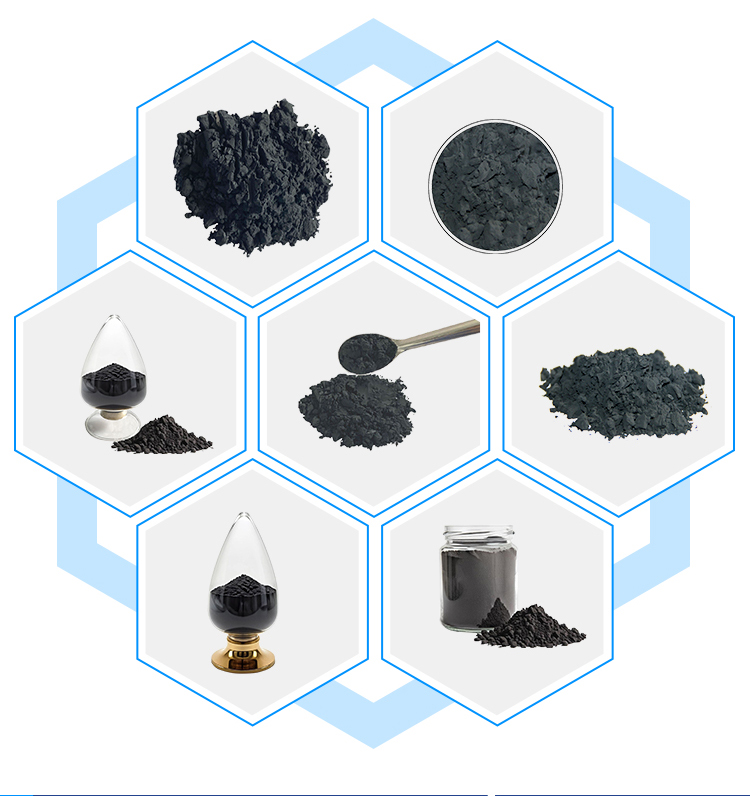
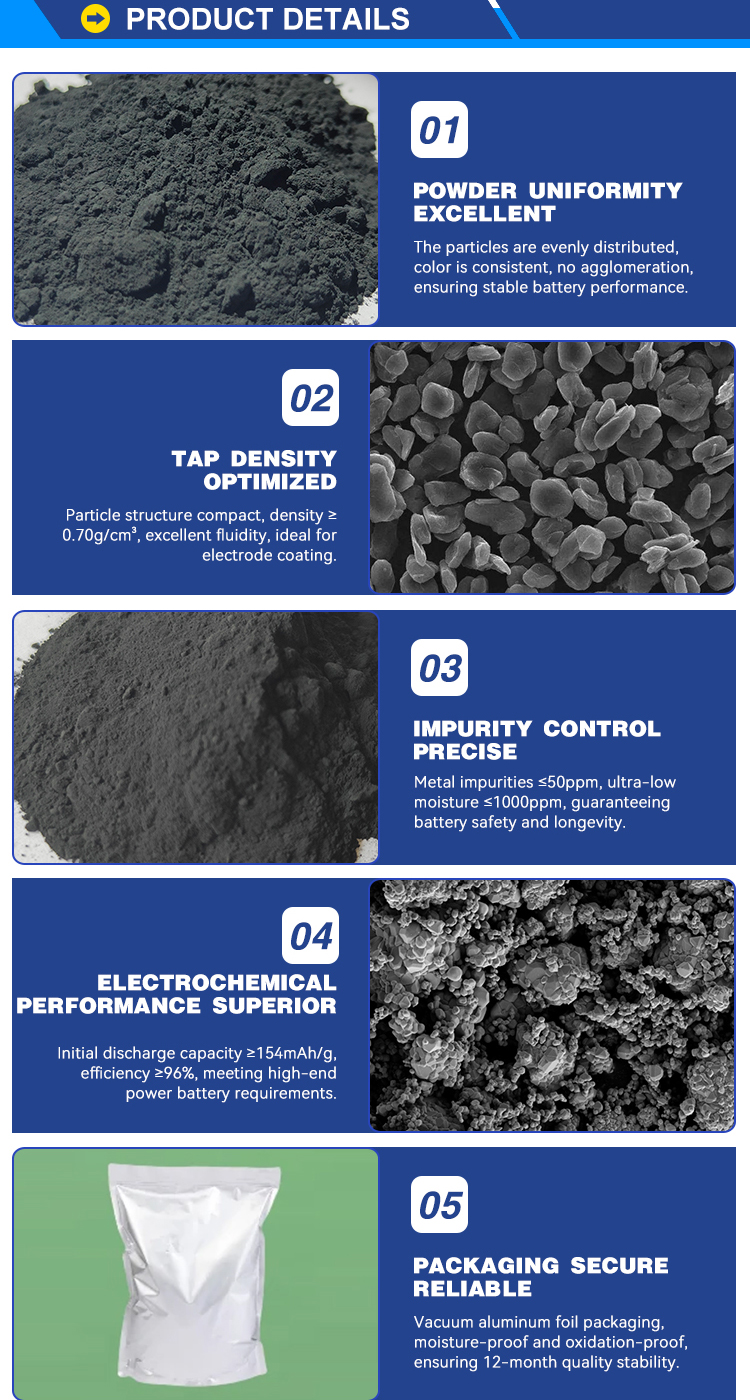

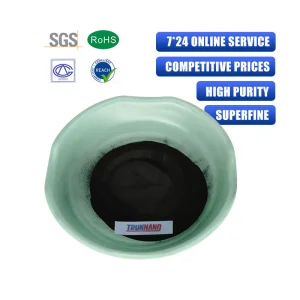
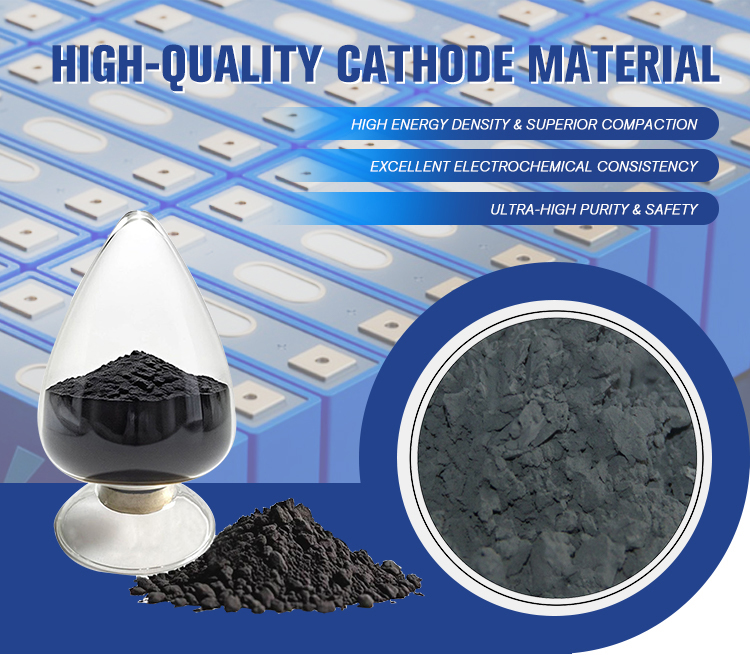
LiFePO₄ Cathode Material is widely used in lithium-ion batteries for electric vehicles, energy storage systems, and portable electronics. As a core component ensuring battery safety and performance, our high-purity LiFePO₄ delivers excellent cycle life, intrinsic safety, and manufacturing consistency. It is ideally suited for applications with stringent requirements on thermal stability and cost-effectiveness, including EV powertrains, grid-scale energy storage, and industrial backup power systems.