Akston Health
Akston Health
Akston Health
High-purity raw materials and formulation bases engineered for global manufacturers.
In modern industrial applications—ranging from food processing, pharmaceuticals, nutraceuticals, to advanced animal nutrition—the synthetic vs. natural colorant landscape is experiencing a definitive transformation. Consumers demand clean labels, and global regulatory bodies such as the US FDA and EFSA (European Food Safety Authority) enforce tighter limits on synthetic dyes. This shift has driven global brands to seek specialized OEM/ODM natural colorants manufacturers who possess the technical capability to replace synthetic dyes with stable, natural alternatives.
Natural colorants, unlike their coal-tar-derived synthetic counterparts, are complex botanical or biological matrices containing active pigments such as anthocyanins, carotenoids, chlorophylls, curcuminoids, and betalains. These organic molecules do not just provide visual appeal; they possess inherent antioxidant profiles, adding functional value to the end product. However, extracting and formulating these pigments at scale requires sophisticated technology. High thermal stability, light fastness, and pH resilience are critical metrics that professional ODM partners must address during the R&D phase.
Overcoming stability boundaries with micro-encapsulation, emulsion technology, and precision matrix formulation.
The manufacturing process at professional OEM facilities starts with rigorous crop-sourcing strategies. Whether extracting lutein from marigold flowers, anthocyanins from purple sweet potatoes, or phycocyanin from spirulina, botanical integrity is paramount. Advanced extraction methodologies such as Supercritical CO2 Extraction, ultrasound-assisted extraction, and low-temperature counter-current extraction ensure the pigment molecules are separated from the plant fiber without structural degradation.
Following extraction, liquid color pigments are highly susceptible to oxidation, temperature fluctuations, and environmental light. Through proprietary micro-encapsulation systems, manufacturers coat pigment molecules in matrices like dextrin, gum arabic, or food-grade starches. This stabilizes the natural colorants and ensures controlled release and dispersion profiles in both aqueous and oil-based application environments.
Every industrial sector has unique pigment criteria. Beverages require crystal-clear solubility with high acid stability; confectionery applications demand high thermal tolerance to withstand pasteurization and extrusion temperatures; pharmaceutical coatings need precise batch-to-batch uniformity and strict heavy-metal screening.
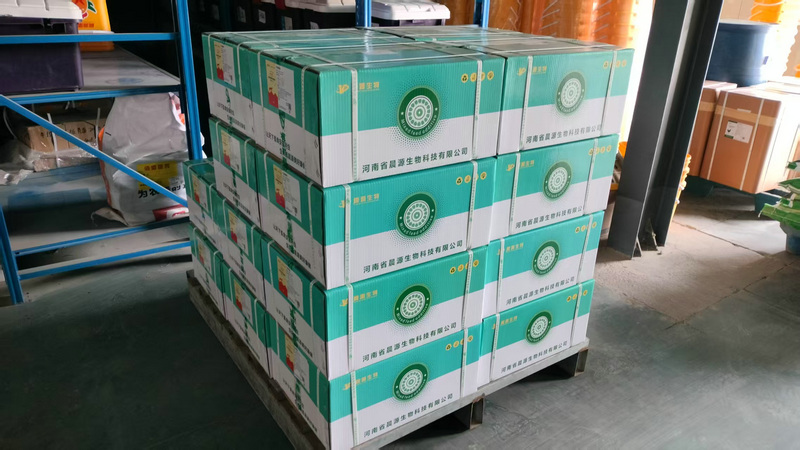
By providing professional ODM customization, we enable clients to select specific carriers, physical states (fine powders, granules, oil suspensions, water-dispersible liquids), and packaging options (from 25kg bulk bags to customized private-label options). Our science-backed formulations allow seamless drop-in replacements for artificial colors, requiring minimal adjustment to your current production lines.
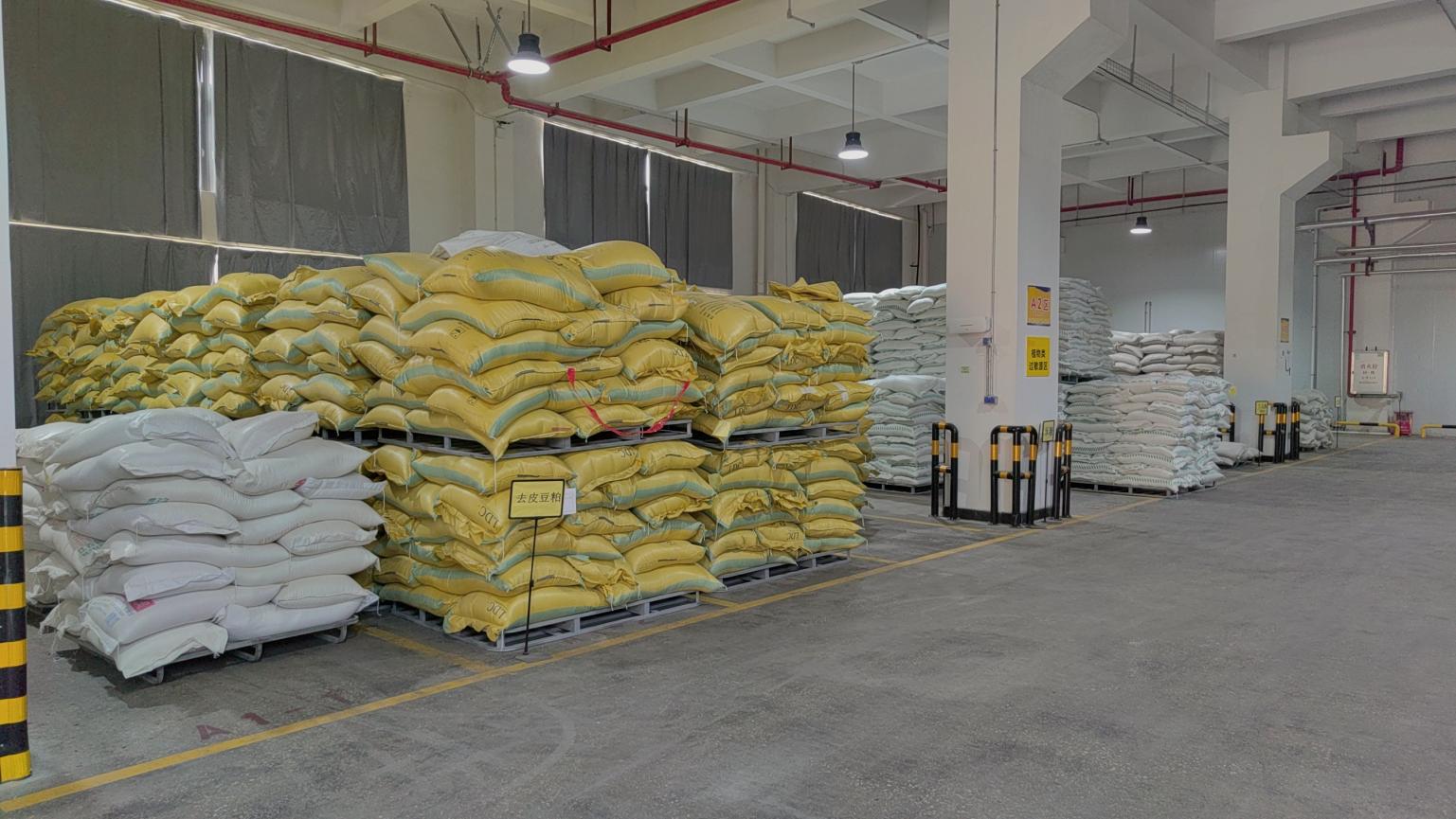
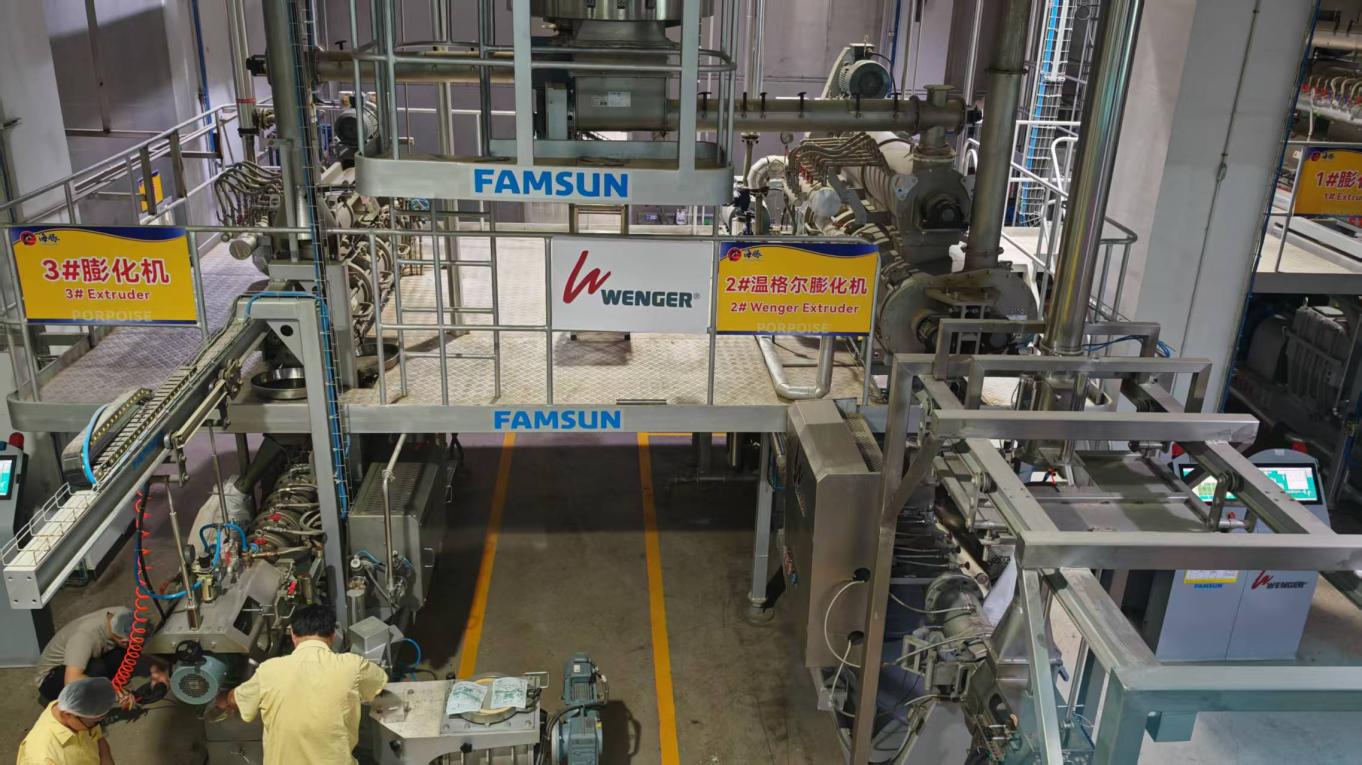
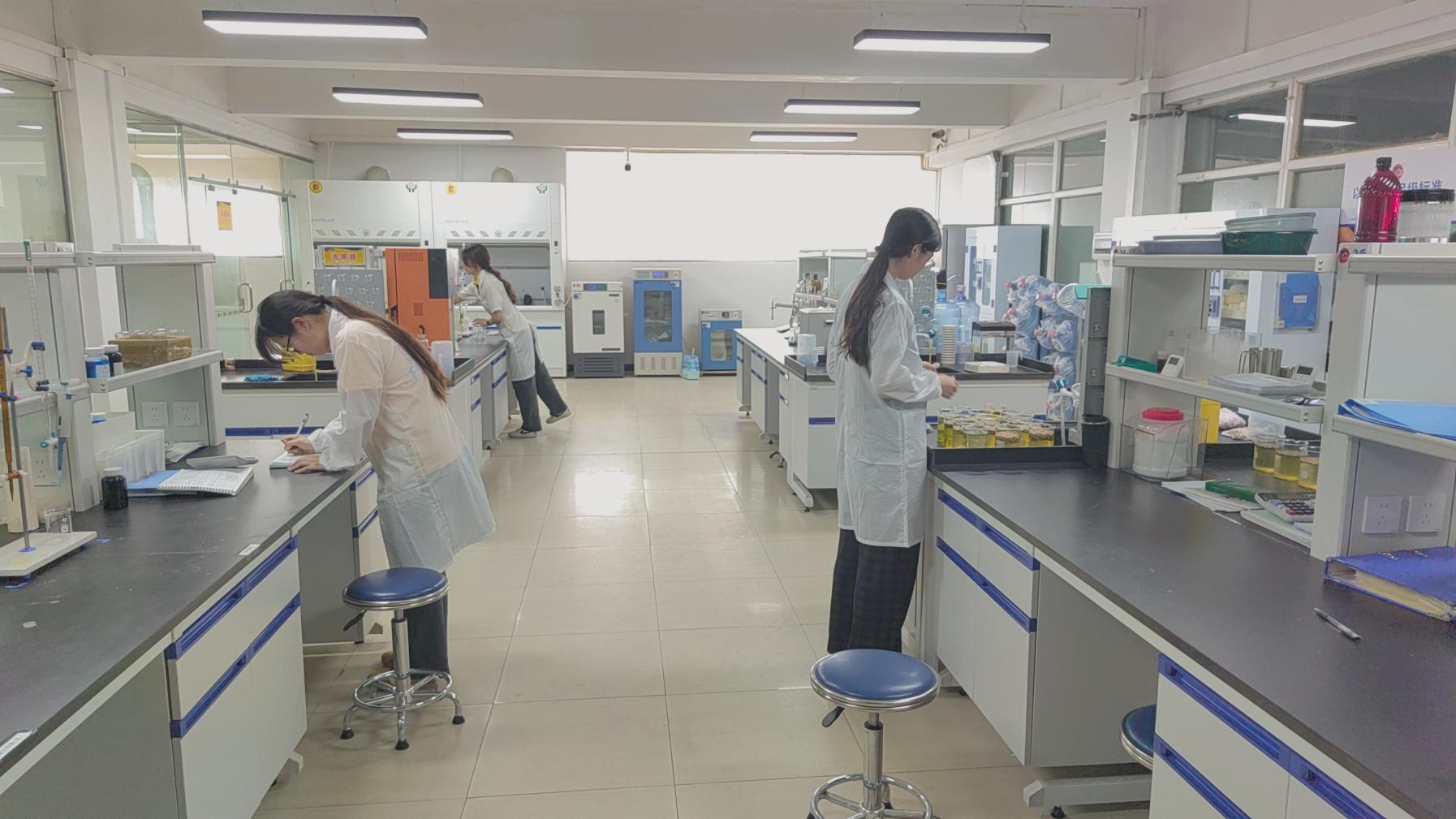
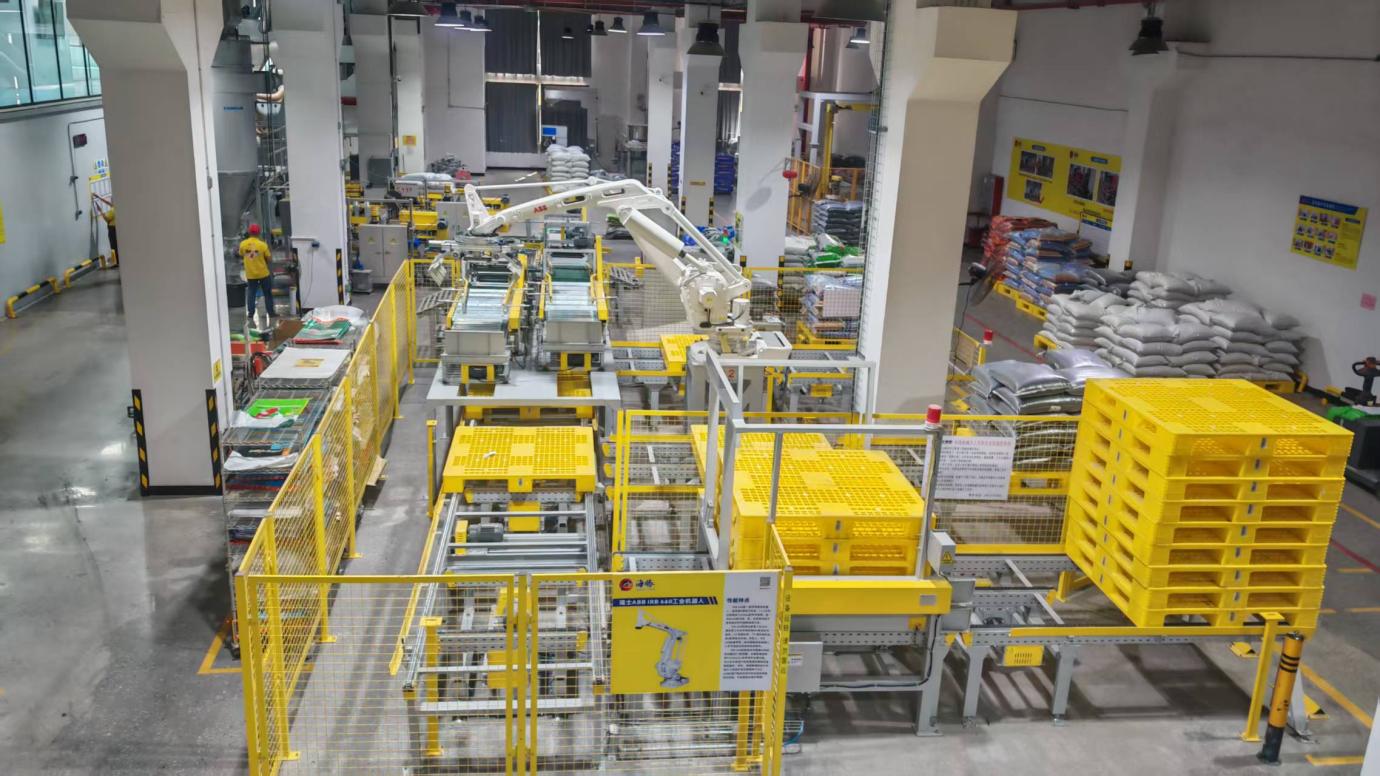

How localized raw materials sourcing and high-capacity facilities secure cost stability and global compliance.
China is a major processing hub for botanical extracts. We source plant species from geographically optimized cultivation areas (e.g., sweet potato, marigold, and microalgae farms). This regional clustering guarantees year-round raw material supply, bypassing global shipping interruptions and shielding international buyers from raw-crop cost volatility.
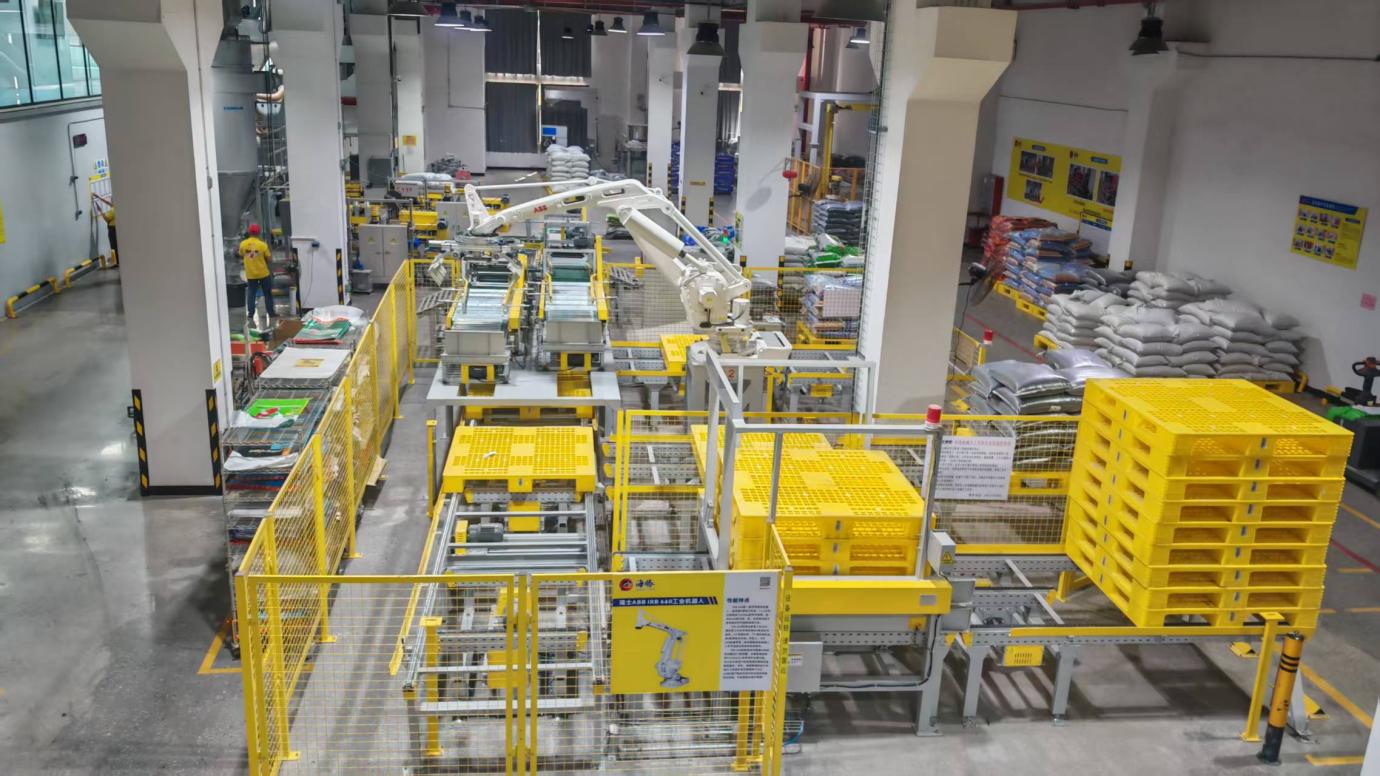
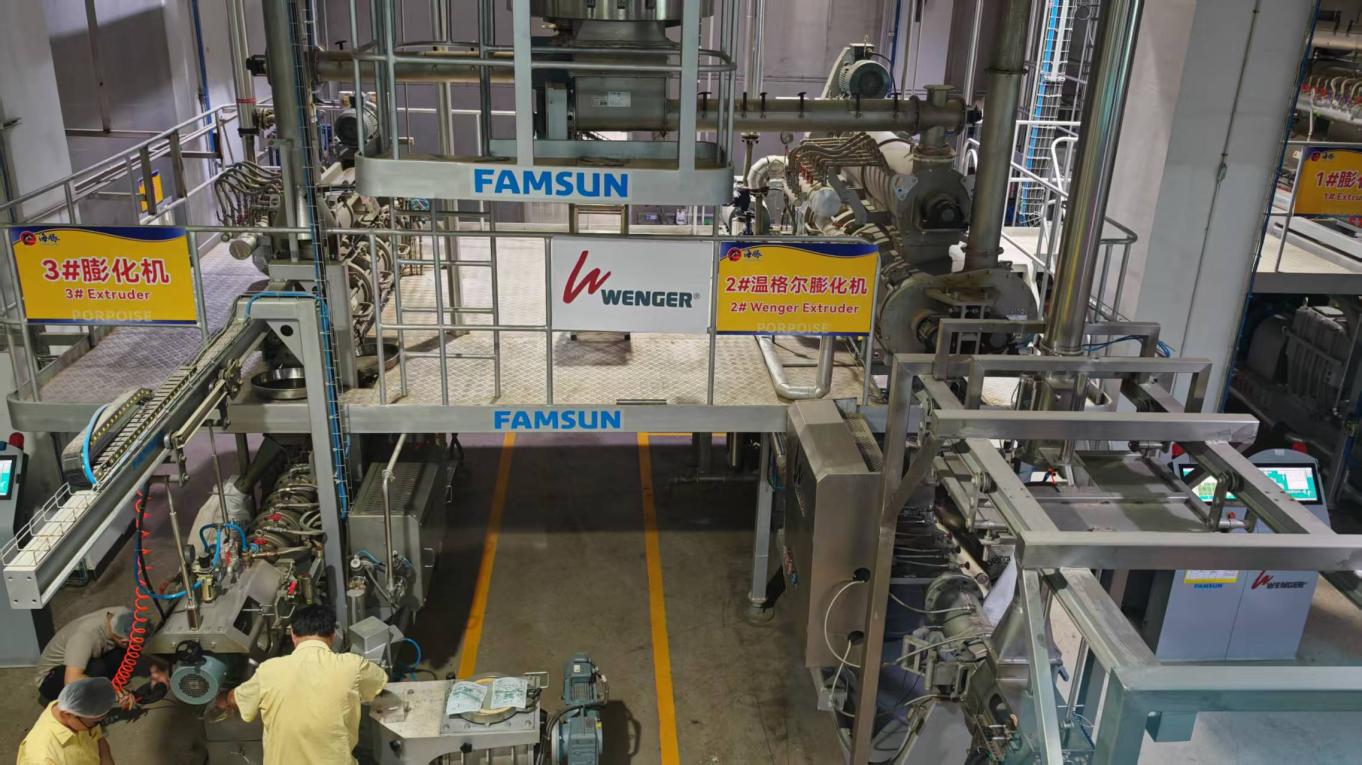
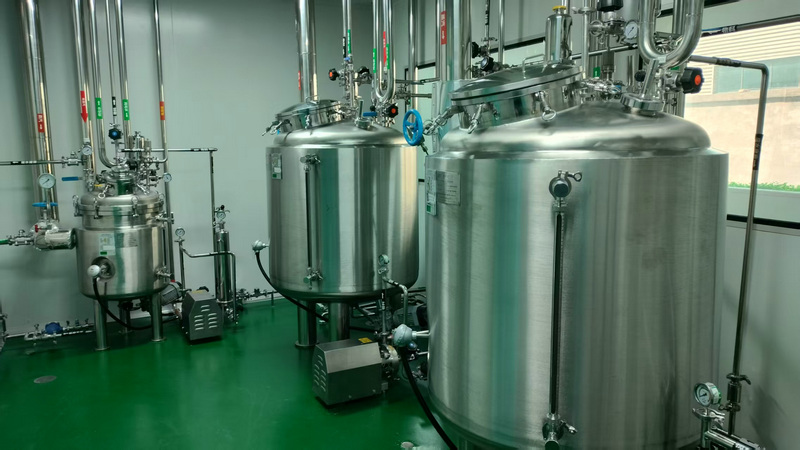
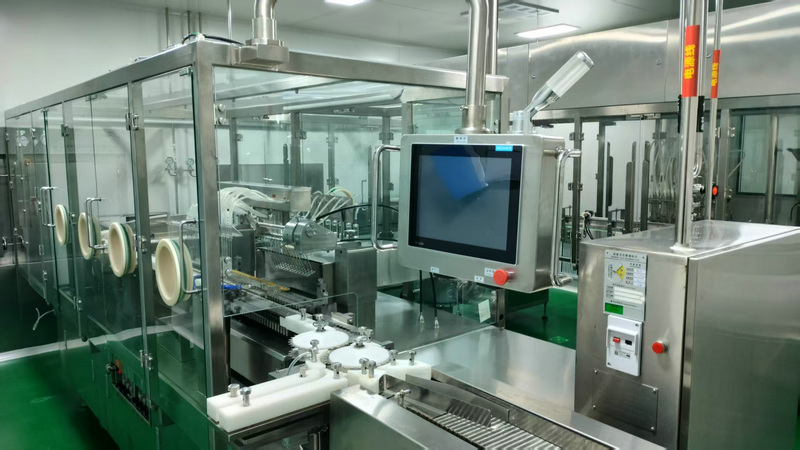
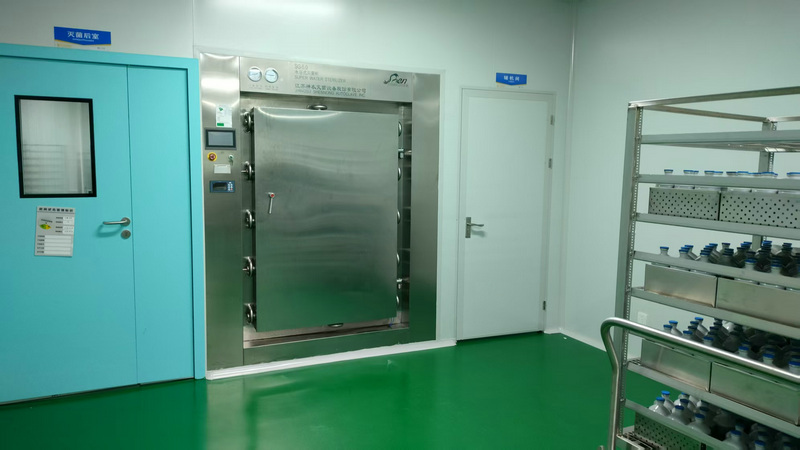
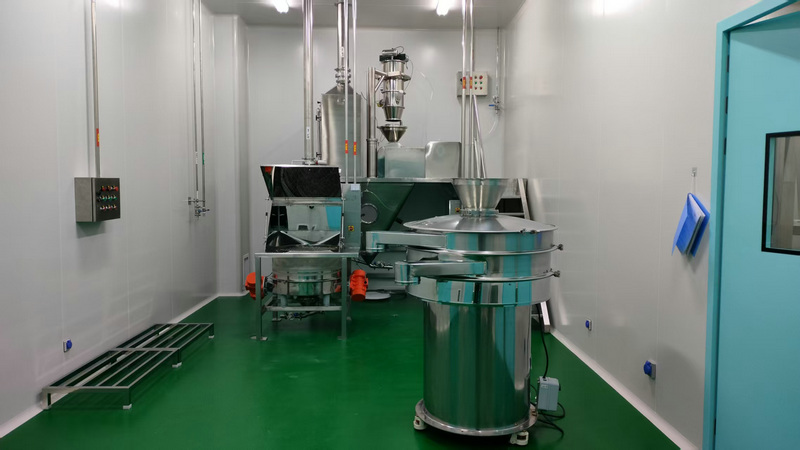
Our manufacturing model encompasses extraction, purification, concentration, spray drying, and automated packaging under one centralized system. This vertical configuration reduces logistics costs between processing stages, limits cross-contamination risks, and guarantees competitive pricing for bulk procurement.
We target full global export compliance. Our products meet FDA color additive standards (exempt from certification), EU Food Additive Regulations (Regulation EC 1333/2008), Chinese GB2760, and are certified under ISO22000, HACCP, Halal, and Kosher schemes. This facilitates seamless clearance at custom checkpoints globally.
Qingdao Akston Health Co., Ltd. is a trusted manufacturer and global supplier dedicated to delivering innovative health, nutritional, and formulation solutions. With a strong commitment to quality, sustainability, and continuous innovation, we provide high-performance ingredients that support health, food safety, and efficiency worldwide.
Our comprehensive portfolio spans critical nutrients, amino acids, plant extracts, vitamins, and specialized organic compounds. These products are carefully formulated to satisfy strict parameters across multiple sectors: food & beverage, human nutrition, cosmetics, and modern animal husbandry.
By integrating scientific research with manufacturing efficiency, we optimize key quality criteria, including biological activity, color stability, and bioavailability. We partner with qualified suppliers and enforce rigorous quality control at every phase of processing, inspection, and logistics to ensure compliance with global regulatory standards.
Akston Health maintains active distribution channels across North America, the European Union, South America, the Middle East, Southeast Asia, and Africa. We offer tailormade OEM/ODM support, competitive bulk pricing structures, and agile supply chain logistics.
Aligning development strategies with modern clean-label demands and region-specific requirements.
The Decimation of Synthetic Colorants: Recent regulatory shifts, including the ban on Titanium Dioxide (E171) in the EU and Red Dye No. 3 restrictions in several US states, have accelerated the demand for natural alternatives.
The Rise of Functional Food & Beverages: Modern consumers view color as a marker of health. As a result, colorants derived from superfoods like spirulina, turmeric, and black carrot are increasingly selected for their antioxidant profiles.
North America: A focus on Non-GMO Project Verified, organic certifications (USDA Organic), and clear labeling (e.g., "colored with fruit juice") to meet consumer demands.
European Union: Strict adherence to food additive regulations. Non-chemical botanical concentrates, known as "Coloring Foods," are preferred over additives with E-numbers.
Navigating global compliance can be complex, as regulatory agencies define "natural" differently depending on the region. The US FDA does not officially define the term "natural" for coloring agents, classifying them as either certified (synthetic) or exempt from certification (botanical, mineral, or animal sources). In contrast, EU regulators distinguish between natural food colors (which carry E-numbers) and "Coloring Foods" (minimally processed aqueous concentrates).
To address these regional differences, our OEM/ODM support services provide localized regulatory and documentation packages. We supply comprehensive dossiers, including pesticide residue analyses, heavy metal profiles, solvent residue tests, allergen statements, GMO declarations, and technical datasheets. This level of transparency ensures our clients' formulations remain compliant in their target consumer markets.
Technical clarifications on stability, manufacturing capabilities, regulations, and supply chain management.
Premium quality amino acids, additives, and specialized compounds for global manufacturing lines.