Akston Health
Akston Health
Akston Health
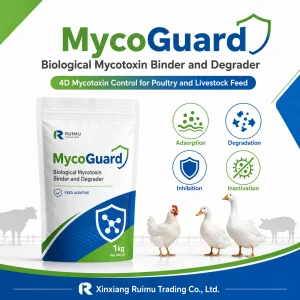
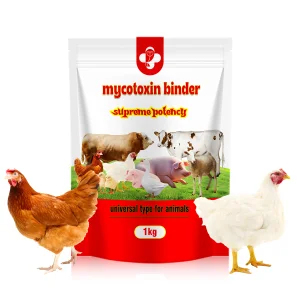
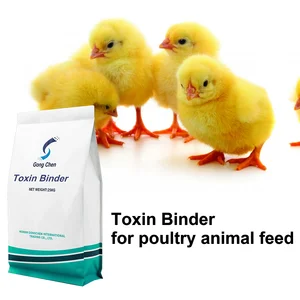
Jakarta, as the logistics heart and primary economic engine of Indonesia, acts as the central hub for the import and processing of raw agricultural commodities. Feed production facilities concentrated in surrounding industrial zones—spanning West Java, Tangerang, and Banten—face severe environmental challenges. The tropical monsoon climate of the Jakarta metropolitan region, characterized by relative humidity levels consistently exceeding 80% and average temperatures ranging between 28°C and 34°C, creates a high-risk ecosystem for mold growth and mycotoxin production.
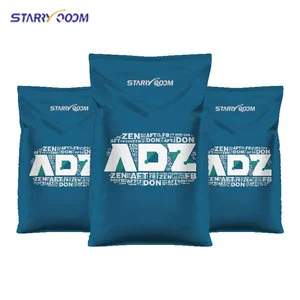
Key agricultural materials such as corn, corn gluten meal (CGM), soybean meal, wheat bran, and copra expellers are highly susceptible to pre-harvest and post-harvest fungal infestations. Primary molds including Aspergillus, Fusarium, and Penicillium thrive in these humid storage conditions. The secondary metabolites they secrete—notably Aflatoxins (B1, B2, G1, G2), Ochratoxin A (OTA), Zearalenone (ZEN), Deoxynivalenol (DON/Vomitoxin), and Fumonisins (FB1, FB2)—present significant threats to animal health. In poultry, swine, ruminants, and aquaculture, even low-level chronic exposure to mycotoxins leads to hepatic necrosis, immune suppression, impaired feed conversion rates (FCR), and reduced reproductive performance.
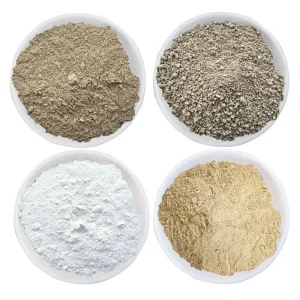
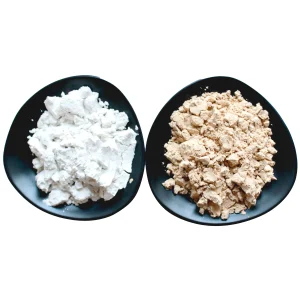
Historically, feed mills relied solely on basic clay minerals like bentonite or zeolite to bind toxins. While effective against polar mycotoxins like Aflatoxin B1, these single-source clays exhibit poor binding efficiency toward non-polar compounds such as Zearalenone and DON. Modern animal science requires a multi-pronged mitigation strategy. Akston Health’s formulations combine highly activated montmorillonite clay (mineral adsorption) with biological countermeasures, including probiotic strains like Bacillus subtilis and specialized cell wall fractions (yeast beta-glucans).
Our montmorillonite-based binders are processed to enhance their interlayer d-spacing and cation exchange capacity. This optimization expands the surface area available to trap planar polar mycotoxins in the gastrointestinal tract, preventing systemic absorption and ensuring excretion without damaging the intestinal mucosal lining.
Furthermore, in species like breeding swine and dairy cattle, the presence of Zearalenone can trigger hyperestrogenism and reproductive failure. Physical binders struggle with the hydrophobic nature of Zearalenone. Akston Health resolves this through enzymatic degradation. Specific enzymes produced by Bacillus subtilis break down the lactone ring of Zearalenone, converting it into non-toxic metabolites before absorption in the animal's gut. This combination of physical binding and enzymatic biodegradation provides comprehensive protection for all livestock classes.
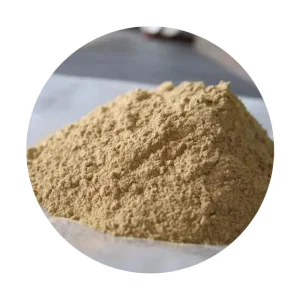
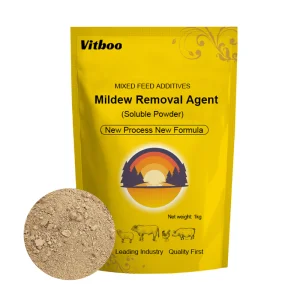
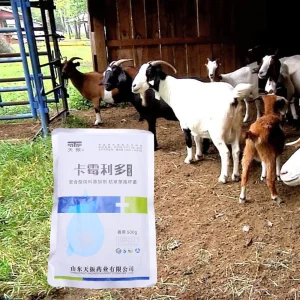
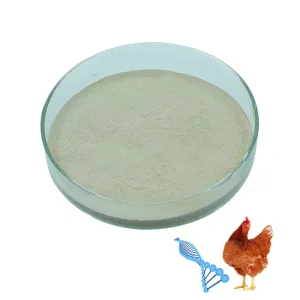
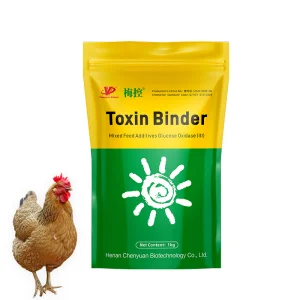
In Indonesia’s commercial poultry belt—spanning Bogor, Sukabumi, Cianjur, and Purwakarta—modern broiler and layer operations run at high density. Under tropical stress, a bird's intestinal barrier integrity is compromised. When feed contains even low levels of Ochratoxin or Aflatoxin B1, the gut lining's tight junctions loosen, leading to dysbiosis, wet litter syndrome, and poor nutrient absorption. By introducing our Feed Grade Bentonite Mycotoxin Binder into starter and grower rations, integrators can stabilize feed conversion rates, improve litter quality, and protect flock immunity against Newcastle Disease (ND) and Avian Influenza (AI) vaccinations.
For the aquaculture sector in the Bay of Jakarta and neighboring Banten province, mycotoxins present a different challenge. The shift toward plant-based proteins in fish and shrimp feeds has increased the risk of contamination with agricultural molds. Tilapia (Oreochromis niloticus) and Whiteleg Shrimp (Litopenaeus vannamei) fed diets contaminated with Zearalenone or Vomitoxin show high mortality rates, hepatopancreatic necrosis, and slow growth. Our specialized aquaculture formulations utilize modified montmorillonite with low heavy metal profiles, ensuring binding performance in saline conditions without depleting essential dietary trace minerals.
| Mycotoxin Class | Primary Target Organs | Preferred Solution Component | Mechanism of Action |
|---|---|---|---|
| Aflatoxin B1 (Polar) | Liver, Immune System | Activated Montmorillonite | Cationic interlayer trapping and surface hydrogen bonding. |
| Zearalenone (Non-Polar) | Reproductive Tract | Bacillus subtilis & Yeast Wall | Enzymatic esterase cleavage and beta-glucan adsorption. |
| Ochratoxin A | Kidneys, Immune System | Modified Bentonite + Enzymes | Steric entrapment and bacterial degradation. |
| Fumonisin B1 | Heart, Lungs, Liver | Composite Organic Binder | Electrostatic interaction at variable pH levels. |
For feed mills, import logistics present critical compliance challenges. Every batch of feed additives imported through the Port of Tanjung Priok must comply with regulations set by the Ministry of Agriculture of the Republic of Indonesia (KEMENTAN RI), meet Indonesian National Standards (SNI), and satisfy local Halal certification requirements. Akston Health ensures every shipment is backed by trace analysis certifications, heavy metal testing reports, and dioxin-free declarations, facilitating rapid customs clearance and uninterrupted manufacturing operations.
Our supply chain network is optimized for the Greater Jakarta area. We coordinate closely with local distributors and warehousing partners near major transport routes to ensure our products are stored under temperature and humidity-controlled conditions. This prevents premature moisture absorption, preserving the swelling capacity and binding activity of our products until they reach your mixing equipment.
Akston Health is committed to developing sustainable, residue-free feed additive technologies. Our current research focus is on bio-nanomaterials and biological detoxification enzymes. As global regulations tighten around antibiotic growth promoters and chemical additives, natural, mineral-based binders and probiotic degraders represent the future of clean animal nutrition. By investing in physical modification techniques that increase the basal d-spacing of phyllosilicates, we are designing next-generation binders capable of targeting multiple complex toxin profiles in a single, low-inclusion dosage.
Qingdao Akston Health Co., Ltd. is a trusted manufacturer and global supplier dedicated to delivering innovative health and nutrition solutions for the animal feed industry. With a strong commitment to quality, sustainability, and continuous innovation, we provide high-performance feed additives and nutritional ingredients that support healthier livestock, improved productivity, and safer food production worldwide.
Our comprehensive product portfolio includes choline chloride, amino acids, vitamins, minerals, and other functional feed additives designed to meet the nutritional requirements of poultry, swine, ruminants, aquaculture, and companion animals. Our science-based formulations help optimize animal growth, enhance immune function, improve feed efficiency, and contribute to reducing the reliance on antibiotics in modern livestock production.
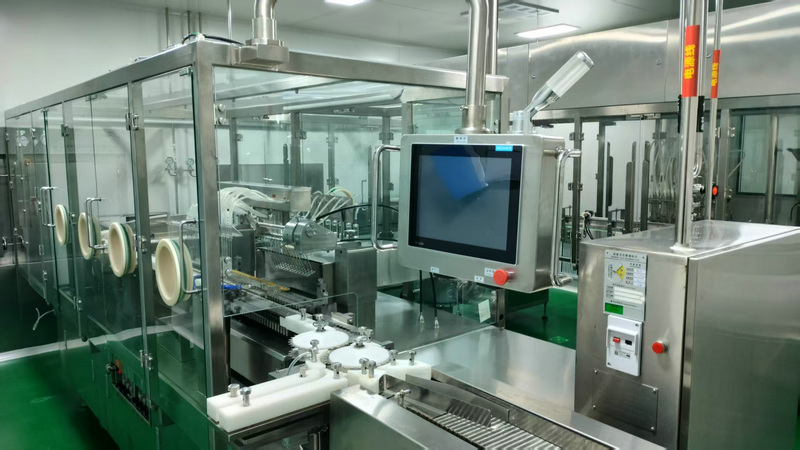
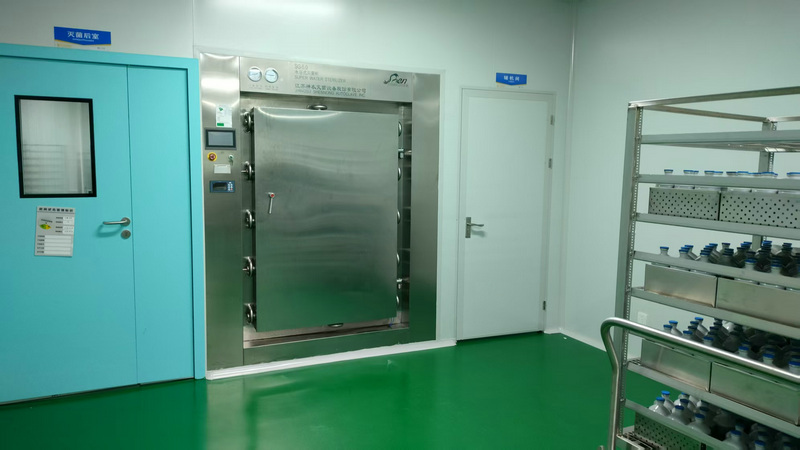
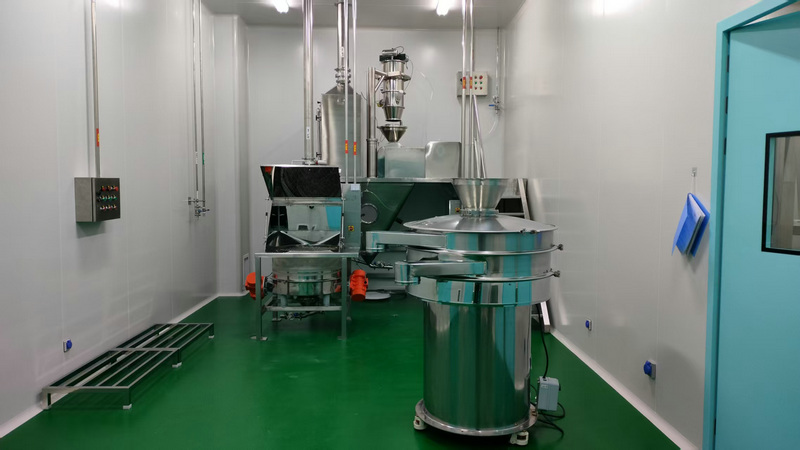
At Akston Health, quality is the foundation of everything we do. We work closely with qualified manufacturing partners and implement strict quality control systems throughout sourcing, production, and logistics to ensure every product meets international standards. Our experienced technical team also provides customized solutions and professional support to help customers achieve better production performance and sustainable business growth.
Driven by integrity, innovation, and customer satisfaction, Qingdao Akston Health Co., Ltd. has established long-term partnerships with clients across Asia, Europe, the Middle East, Africa, and the Americas. We are committed to creating lasting value through reliable products, competitive pricing, efficient supply chain management, and responsive customer service.
As your trusted partner in animal nutrition, Akston Health will continue to develop innovative solutions that promote animal health, improve farming efficiency, and contribute to a more sustainable global agriculture industry.
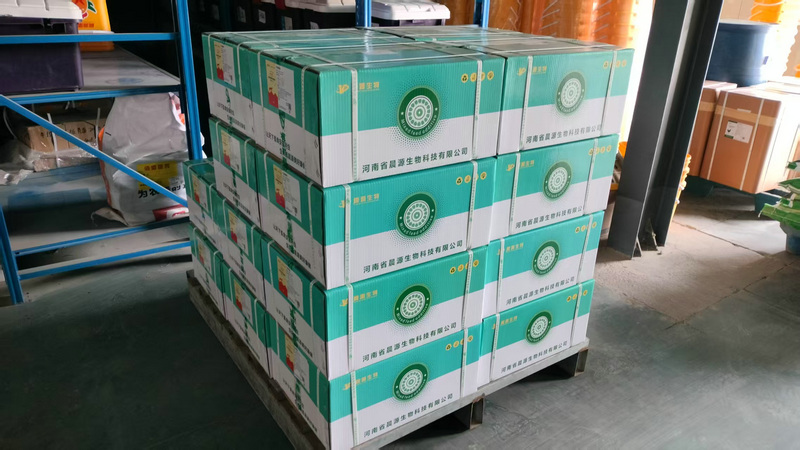
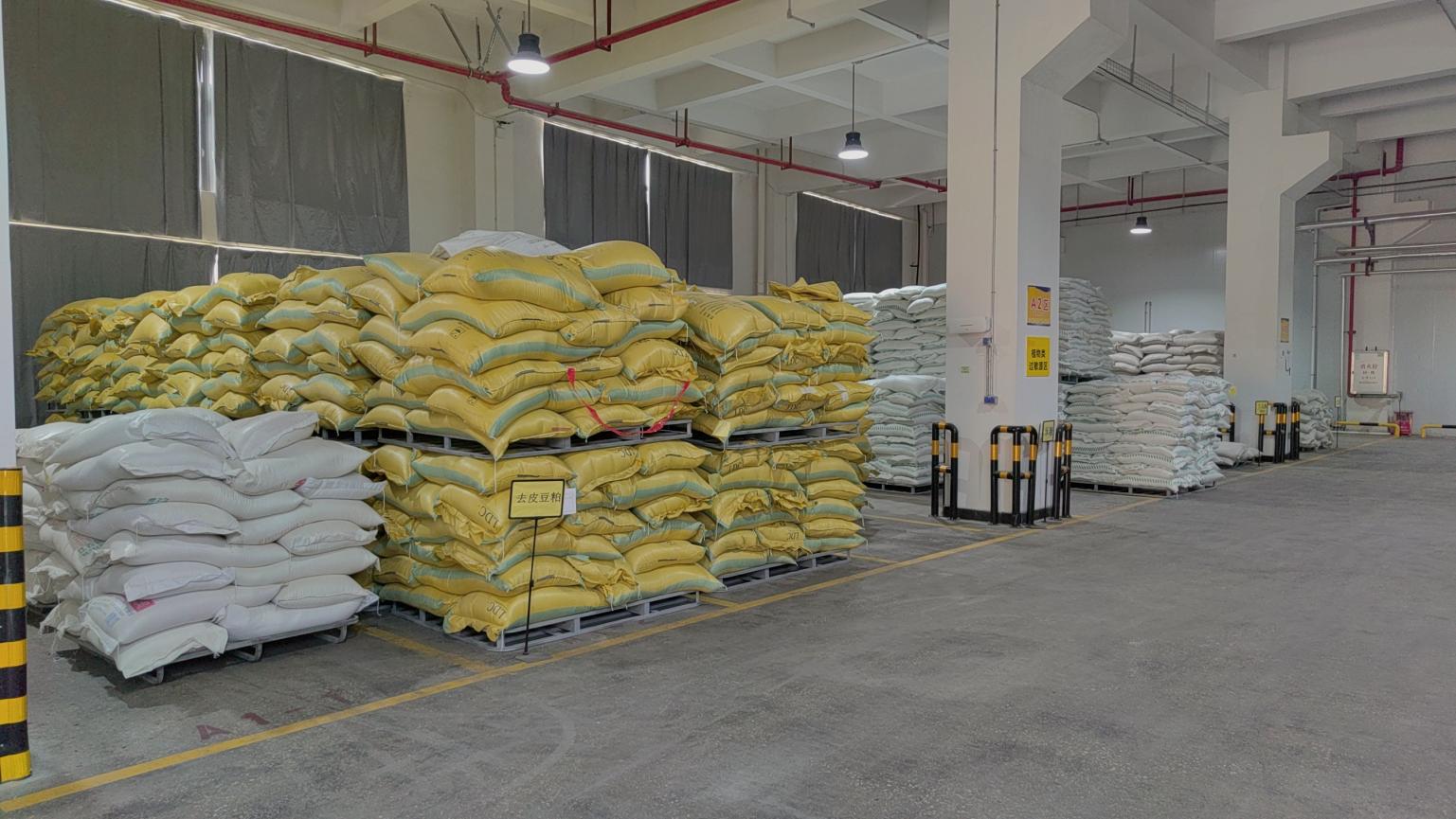
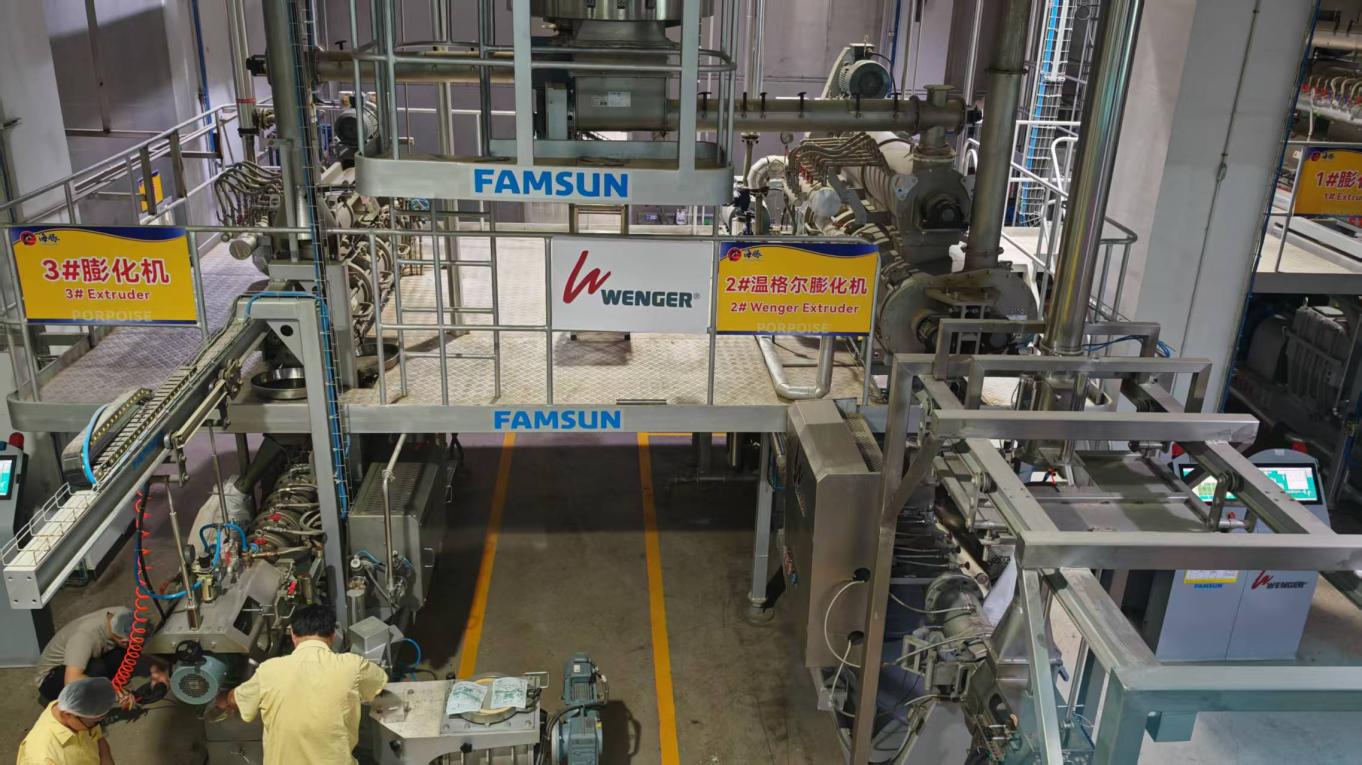
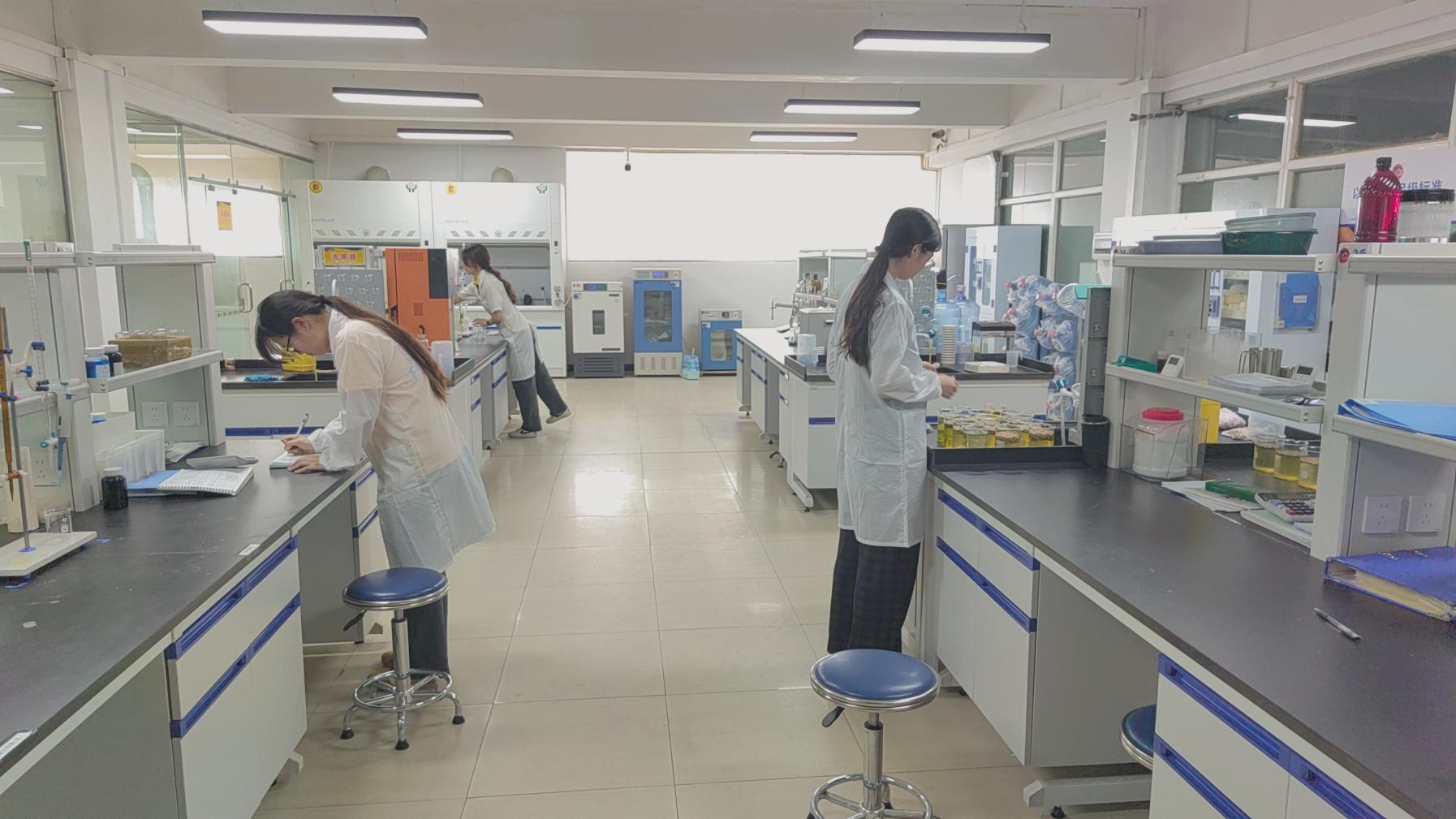

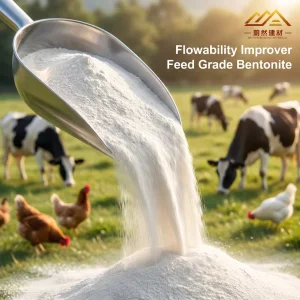
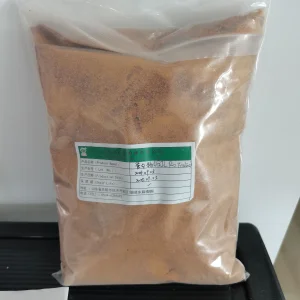
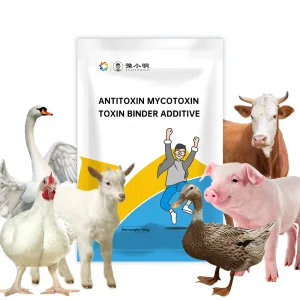
Contact our technical sales team to request product specifications, arrange sample evaluations, or discuss custom formulations tailored to your local requirements.
Send Inquiry Now