1 / 5
 Akston Health
| Product Name | activated bentonite clays |
| Activity (H+ mmol/kg) | ≥190 |
| Moisture w% | ≤10 |
| Particle size (D75, μm) | ≥90 |
| Free acid (H2SO4) w% | ≤0.2 |
| Specific area (m2/g) | ≥145 |
| Pb (mg/kg) | ≤20 |
| As (mg/kg) | ≤1 |
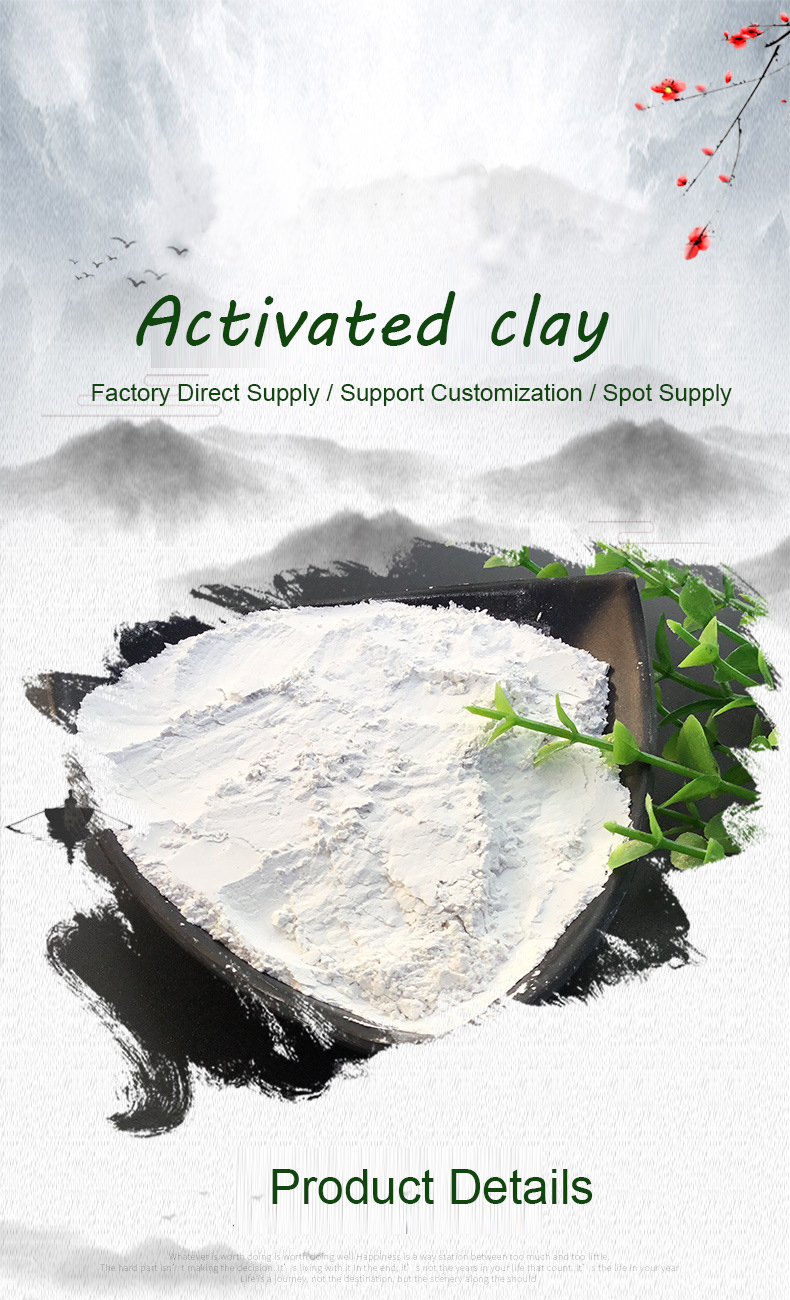
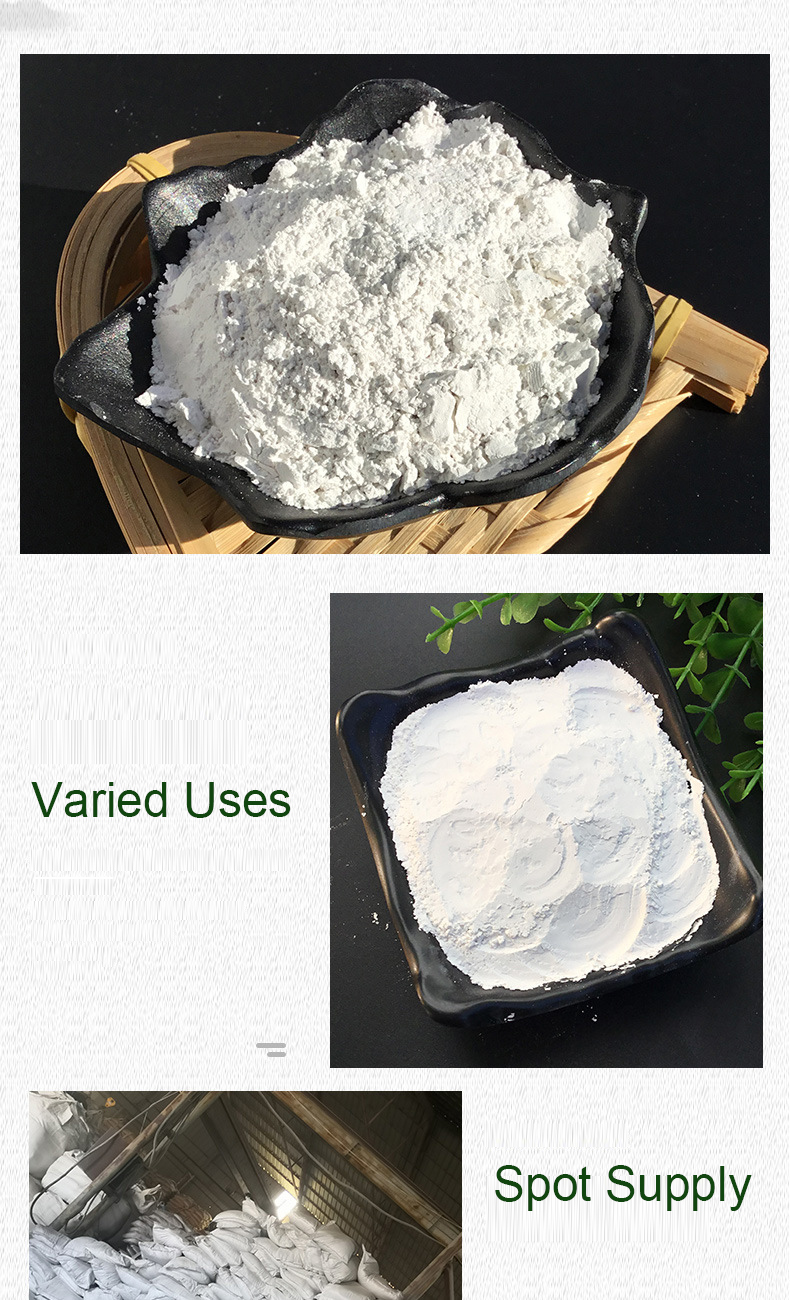
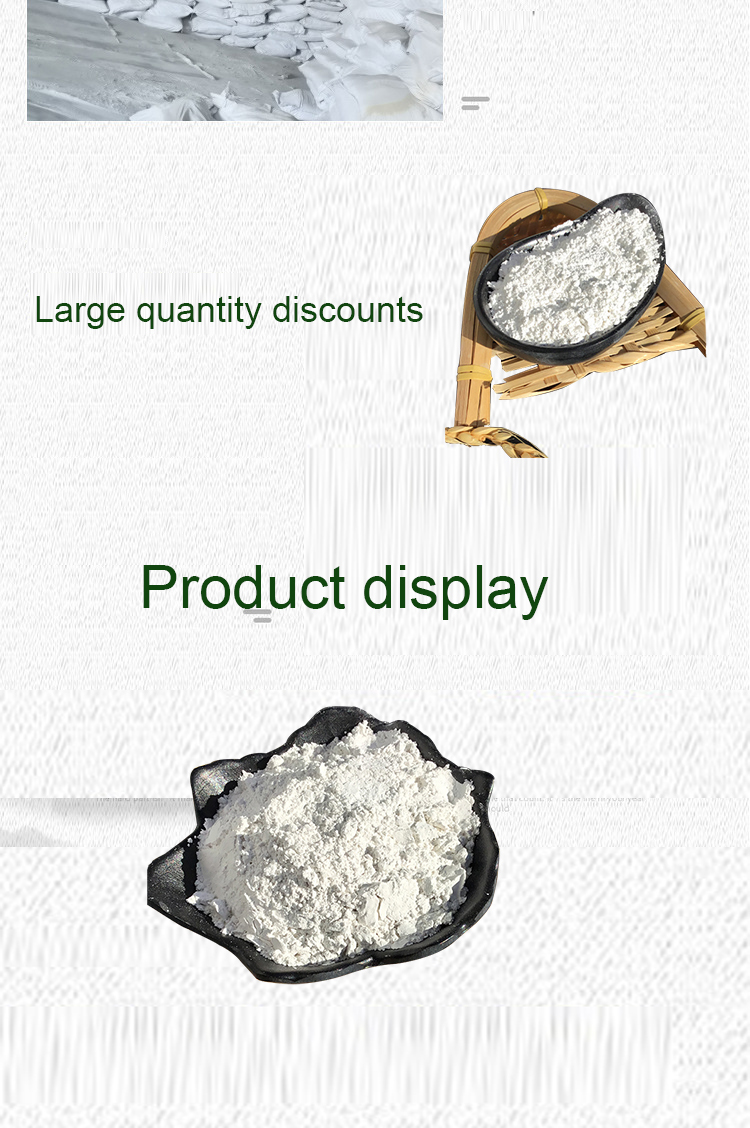
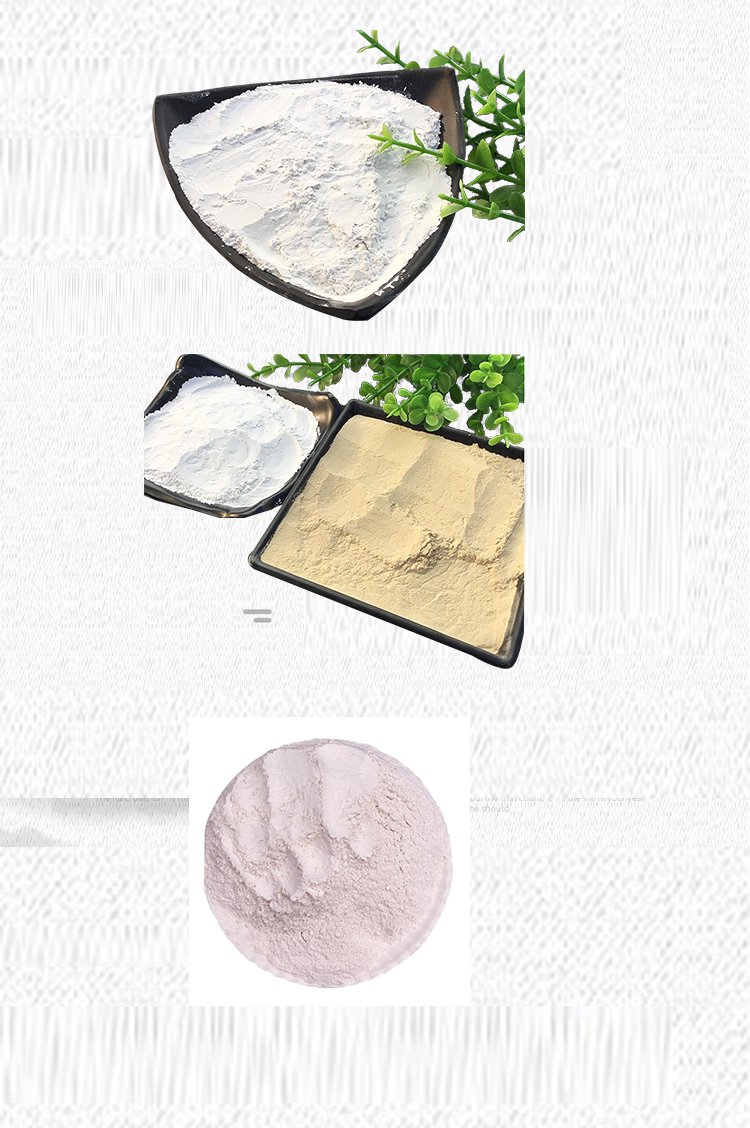
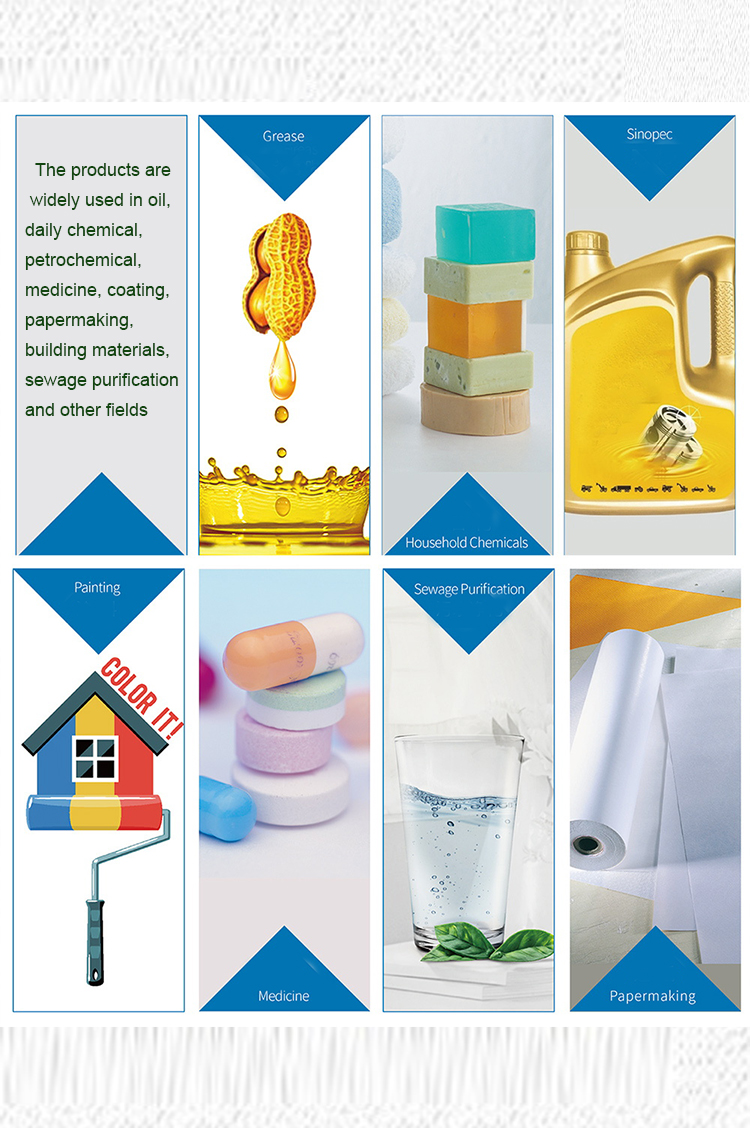
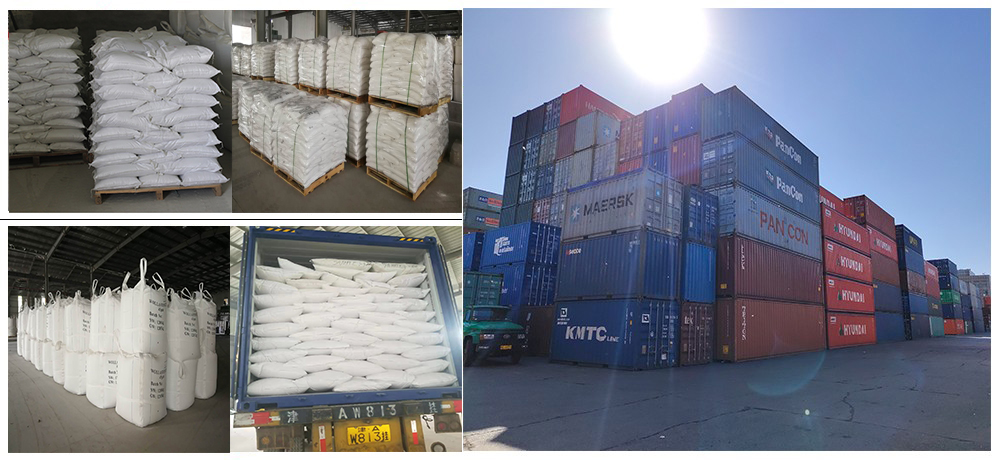
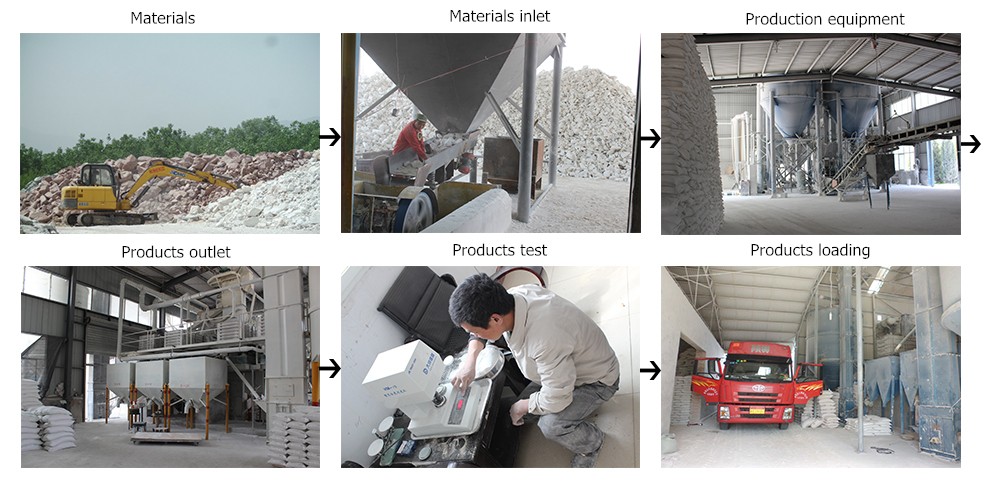
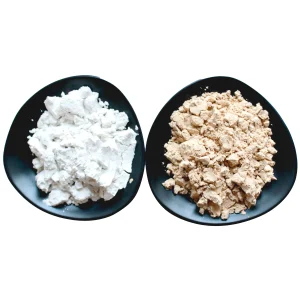
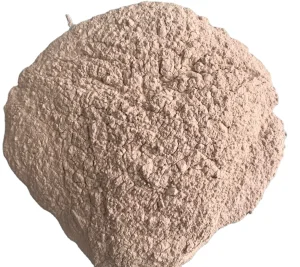
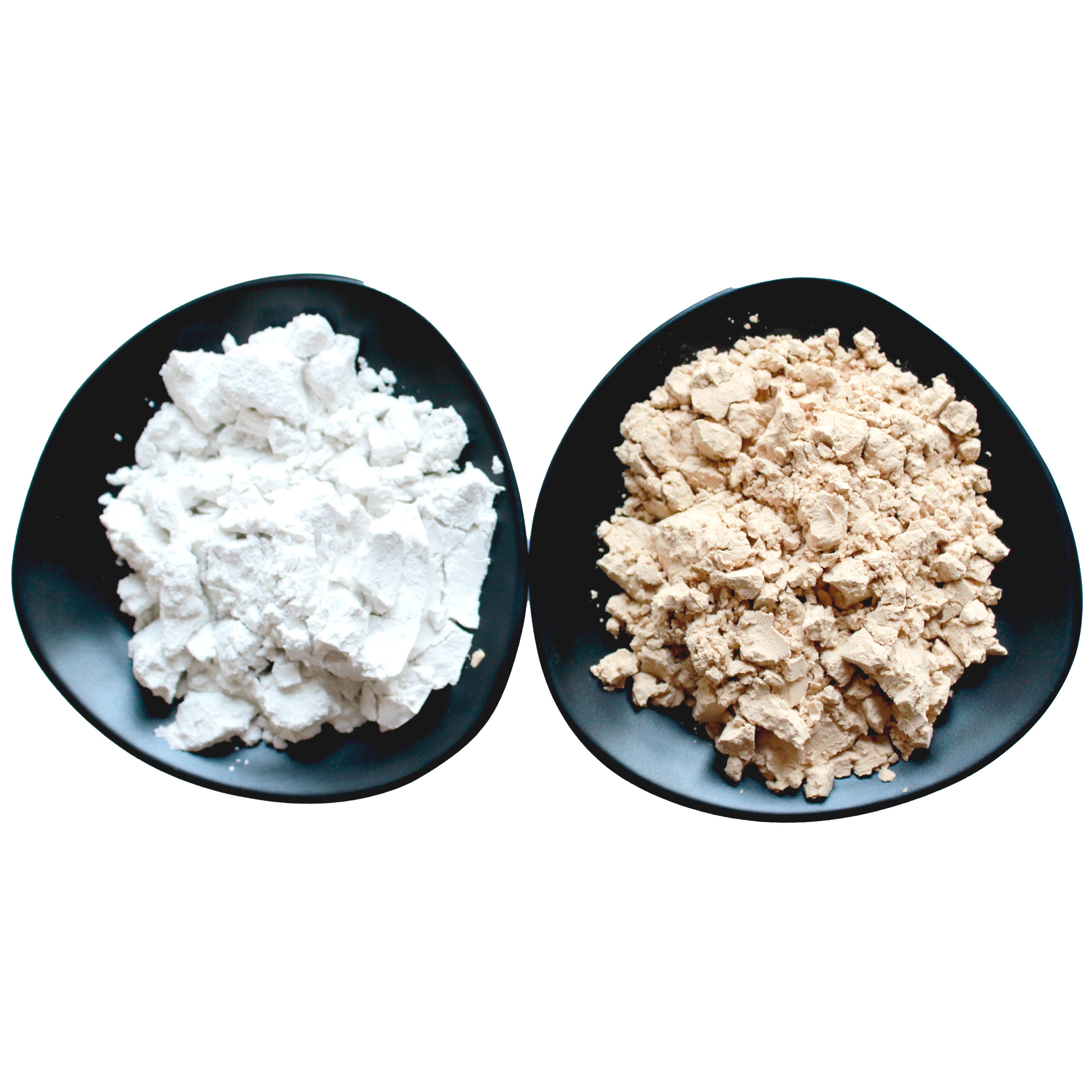
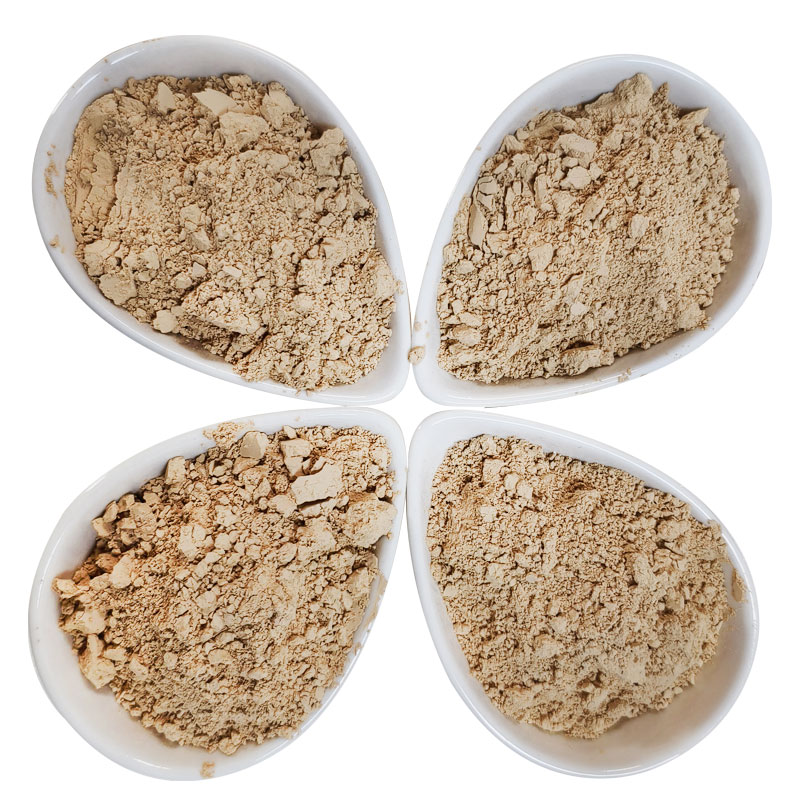
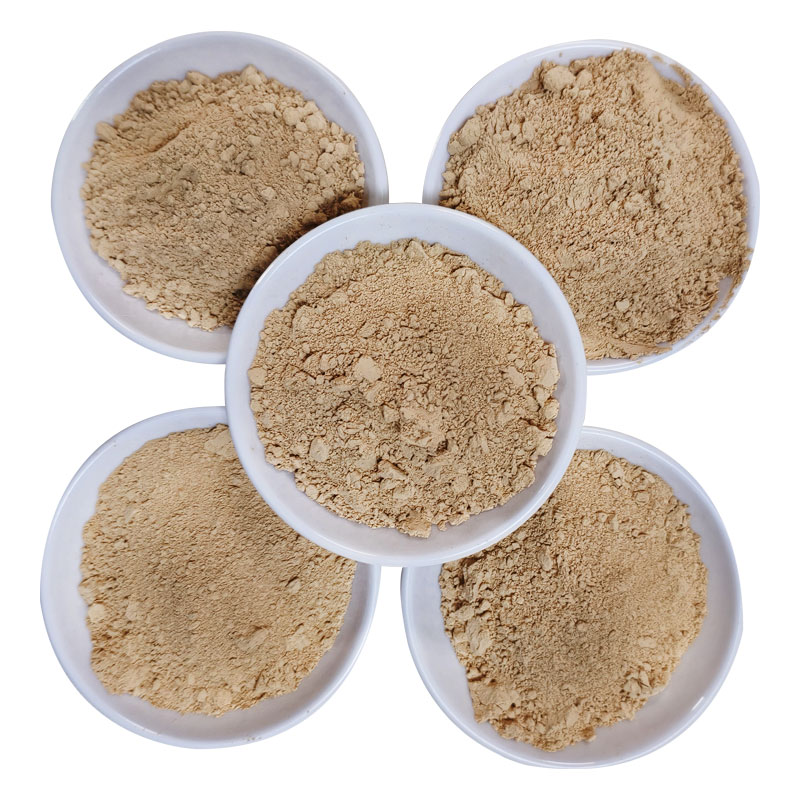
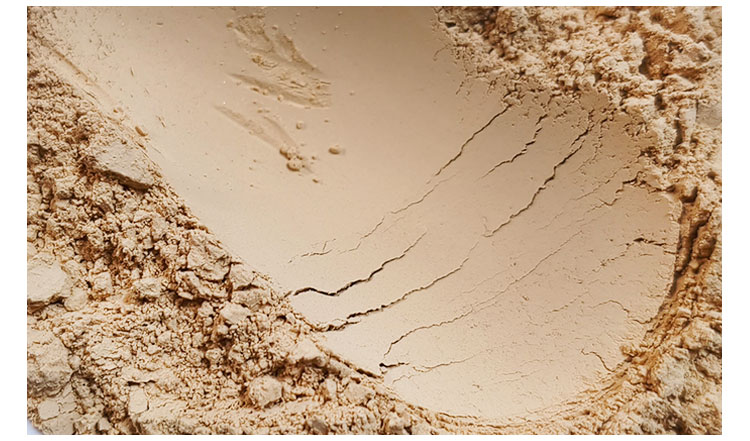
Activated bentonite clay is a highly adsorbent clay manufactured by treating natural bentonite with inorganic acid. This process increases the surface area and removes impurities, enhancing its decolorizing and refining capabilities.
It is widely used in refining edible oils, fats, and industrial lubricants, acting as a decolorizing agent, filter aid, and catalyst due to its strong adsorption capacity for pigments and impurities.
Key metrics include high activity (≥190 H+ mmol/kg), low moisture content (≤10%), optimal particle size distribution (D75 ≥ 90 μm), and a high specific surface area (≥145 m²/g).
Yes, our activated bentonite clays maintain strict limits on heavy metals, ensuring Lead (Pb) remains ≤ 20 mg/kg and Arsenic (As) is ≤ 1 mg/kg, which aligns with standard safety guidelines for food processing agents.
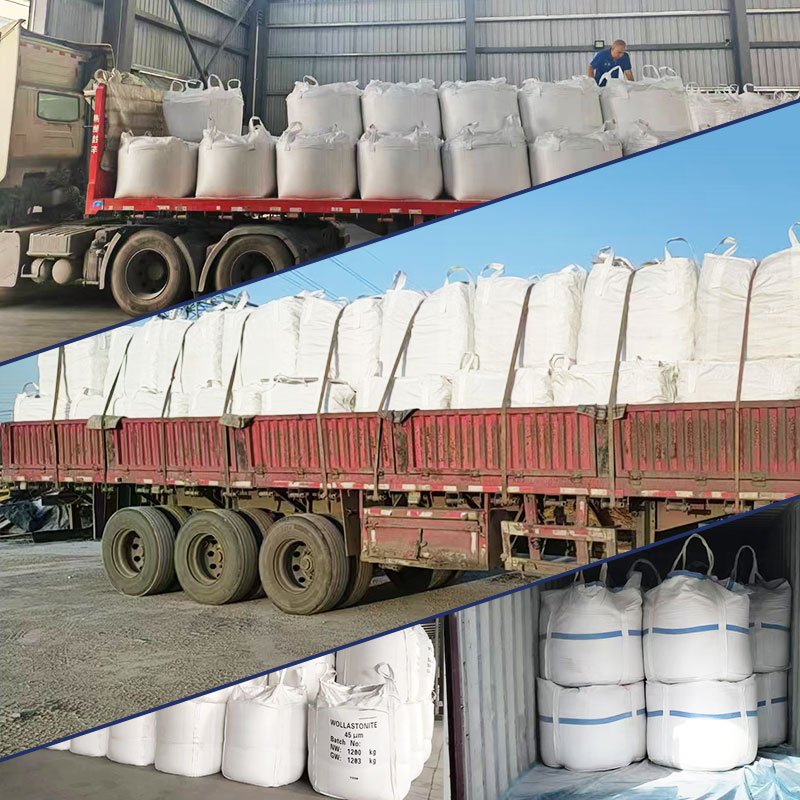
It should be stored in a cool, dry, well-ventilated warehouse away from moisture and direct sunlight. Proper sealing ensures the moisture level remains stable and the adsorption efficiency is preserved.