Akston Health
Akston Health
Akston Health
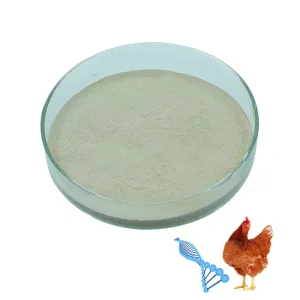
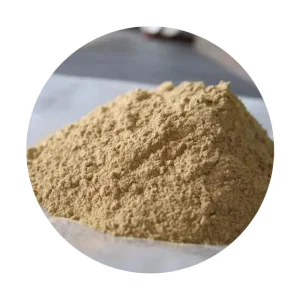
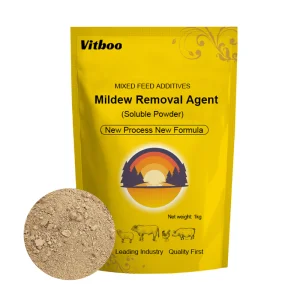
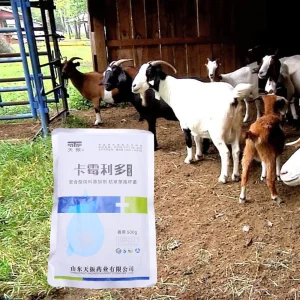
Select, high-potency mycotoxin adsorbents formulated to safeguard poultry, cattle, and aquaculture assets against aggressive feed mold contaminants.
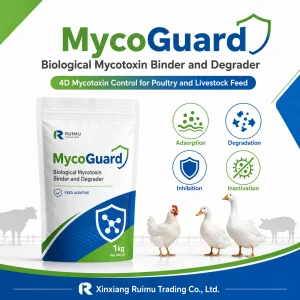
Kazakhstan, the agricultural heart of Central Asia, is aggressively modernizing its livestock and poultry sectors. With major hubs in Kostanay, Akmola, and the North Kazakhstan Region, cereal and grain cultivation acts as the bedrock for feed mills. However, the region’s extreme continental climate brings unique vulnerabilities. Sudden fluctuations in temperature and humidity during the autumn harvesting season trigger the rapid proliferation of pathogenic fungi like Aspergillus, Fusarium, and Penicillium.
These molds release secondary toxic metabolites, namely Aflatoxin B1, Zearalenone (ZEN), Deoxynivalenol (DON), and Ochratoxin A. Uncontrolled mycotoxins in silage, wheat, and barley cause heavy economic losses—leading to poor feed conversion ratios (FCR), immune system collapse in broiler flocks, and severe reproductive disorders in beef and dairy ruminant operations.
By implementing scientific grade mineral adsorbents and multi-functional enzyme degraders, large-scale poultry facilities and feed plants across Almaty and Astana are maintaining production yields and aligning with stringent international biosafety guidelines.
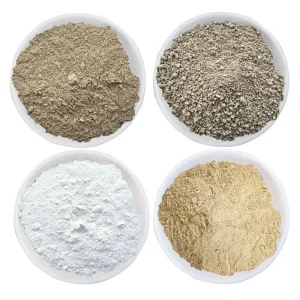
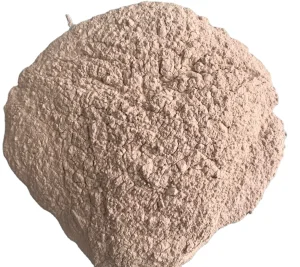
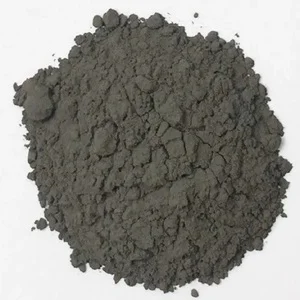
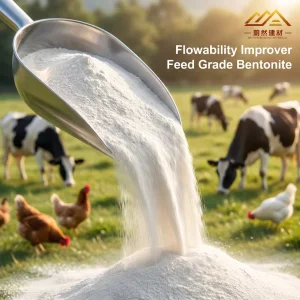
Effective toxin control requires more than basic clay addition. At the molecular level, premium mineral binders utilize a swelling, layered structure with a high Cation Exchange Capacity (CEC). Akston Health’s selected calcium and sodium montmorillonite layers swell in aqueous environments to trap the polar carbonyl groups of Aflatoxins. This steric entrapment prevents absorption in the animal's digestive tract, flushing the toxins safely through the feces.
For complex, non-polar toxins like Zearalenone and DON, electrostatic binding is supplemented by Bacillus subtilis probiotic cultures. These specialized strains secrete specific degrading enzymes that break down the toxic lactone rings and epoxide groups, converting mycotoxins into non-hazardous, organic metabolites.
Why large-scale feed mills and veterinary suppliers in Kazakhstan choose Qingdao Akston Health Co., Ltd. for direct industrial sourcing.
Situated in Qingdao, China, Akston Health benefits from immediate access to the China-Europe Railway Express (Yuxinou/Korgas). Bypassing long maritime detours, bulk containers can reach key logistics terminals in Dostyk, Almaty, and Astana in 12–15 days. This landbridge connection guarantees steady, year-round feedstock security for Central Asia.
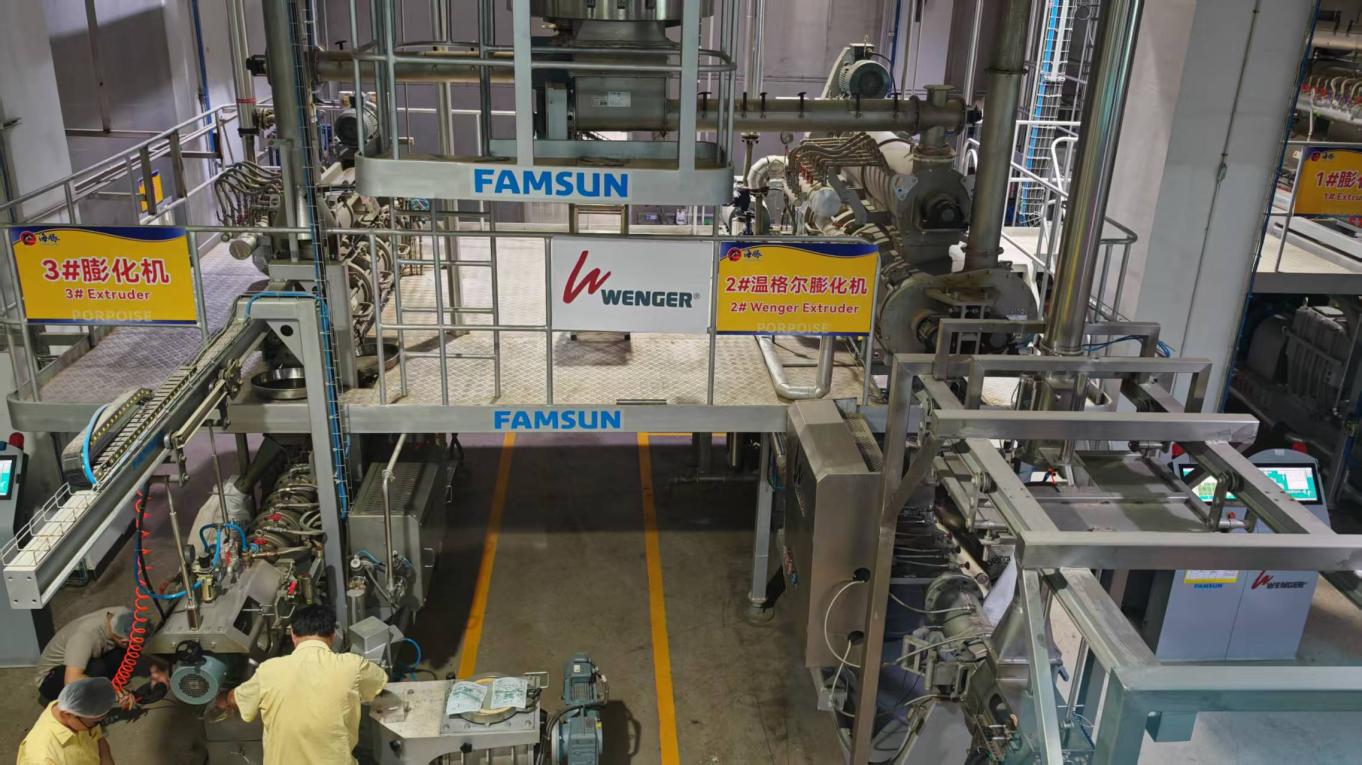
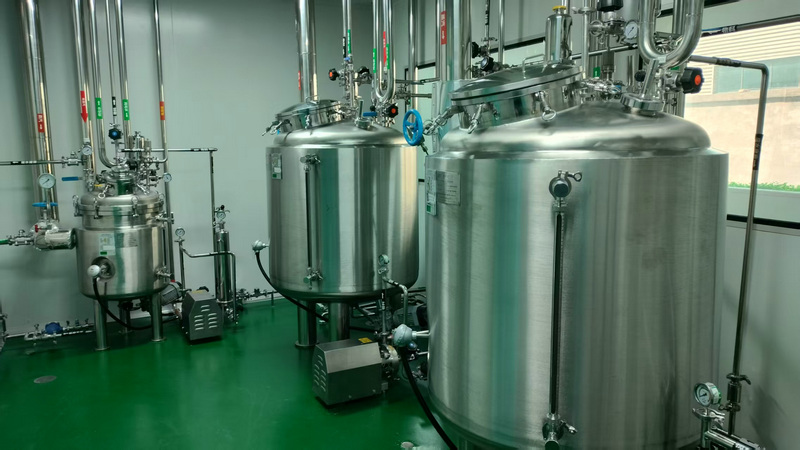
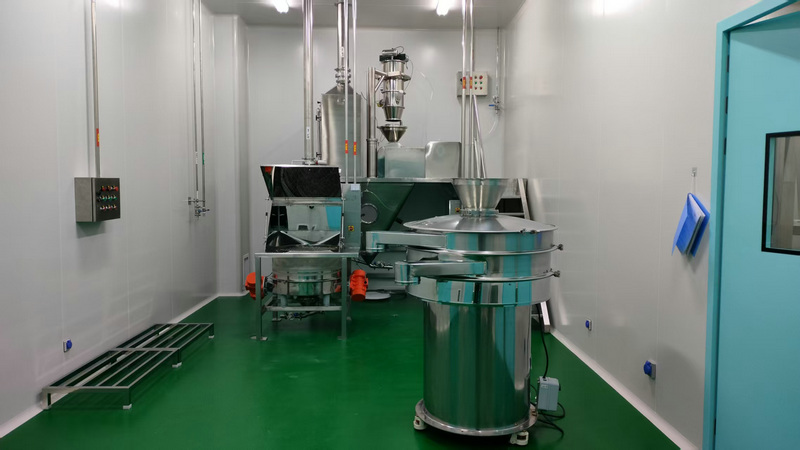
Our raw montmorillonite undergoes strict thermal activation and mechanical purification processes. This process expands the interlayer distance of the smectite clay sheets, maximizing the active surface area and raising the binding capacity while keeping heavy metal impurities (Lead, Arsenic) well below the regulatory limit.
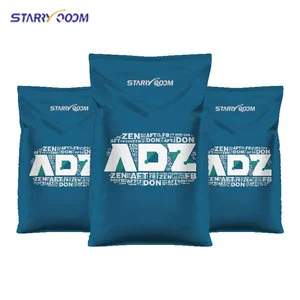
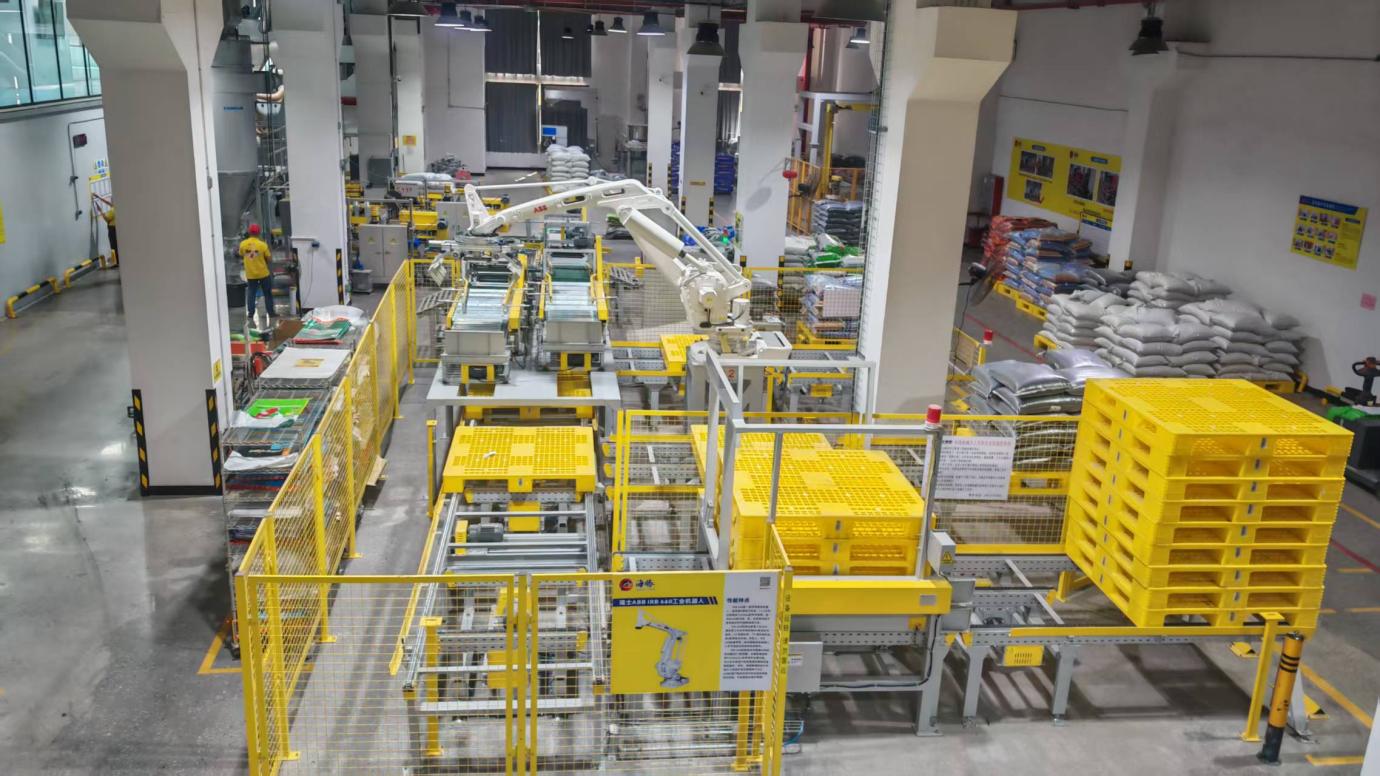
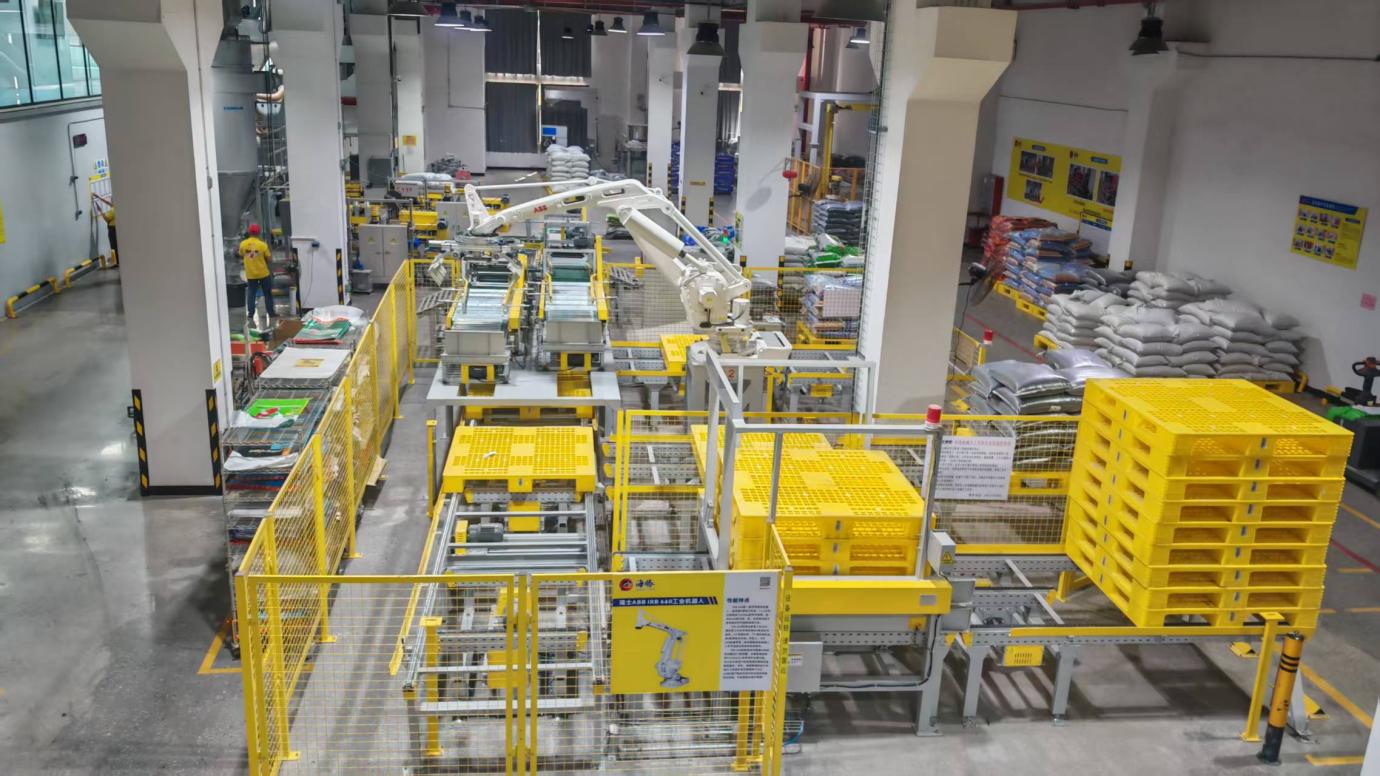
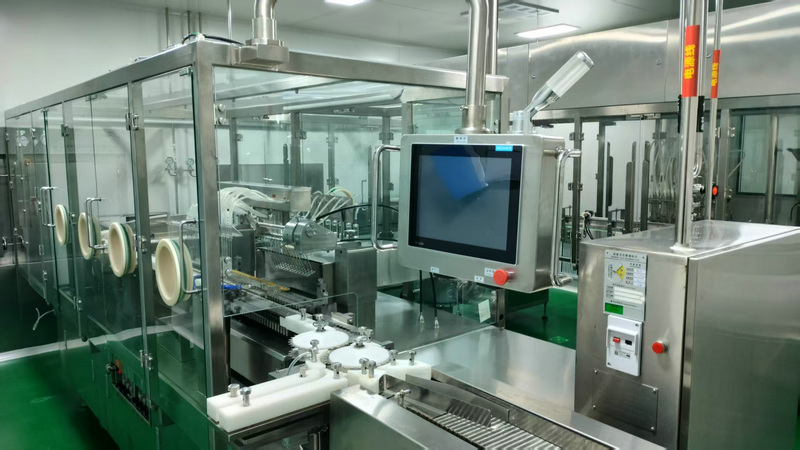
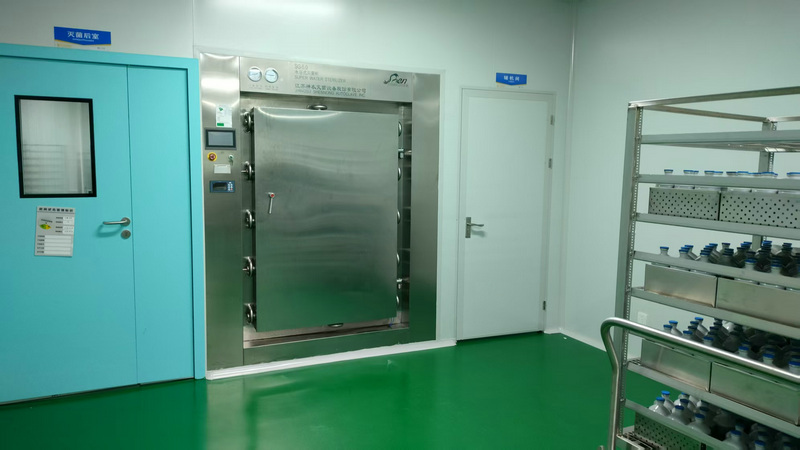
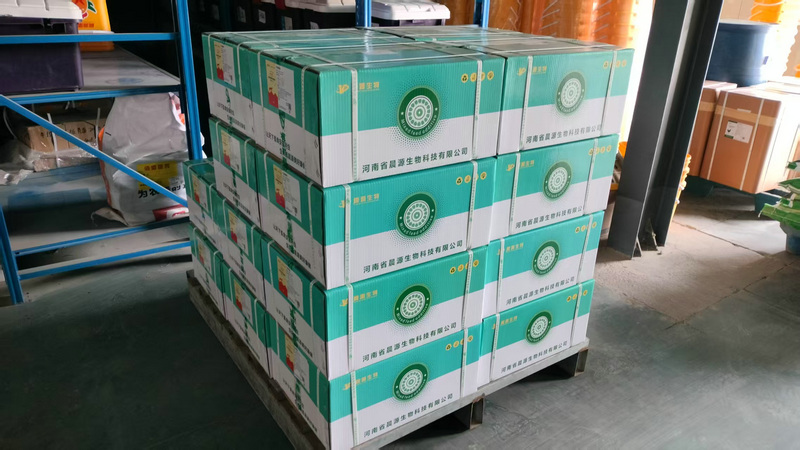
With fully automated production lines, the factory ensures batch-to-batch consistency. Our automated packing systems package materials in multi-layer moisture-proof paper bags and heavy-duty 1000kg jumbo bags, built to survive long-distance continental shipping across harsh climatic zones.
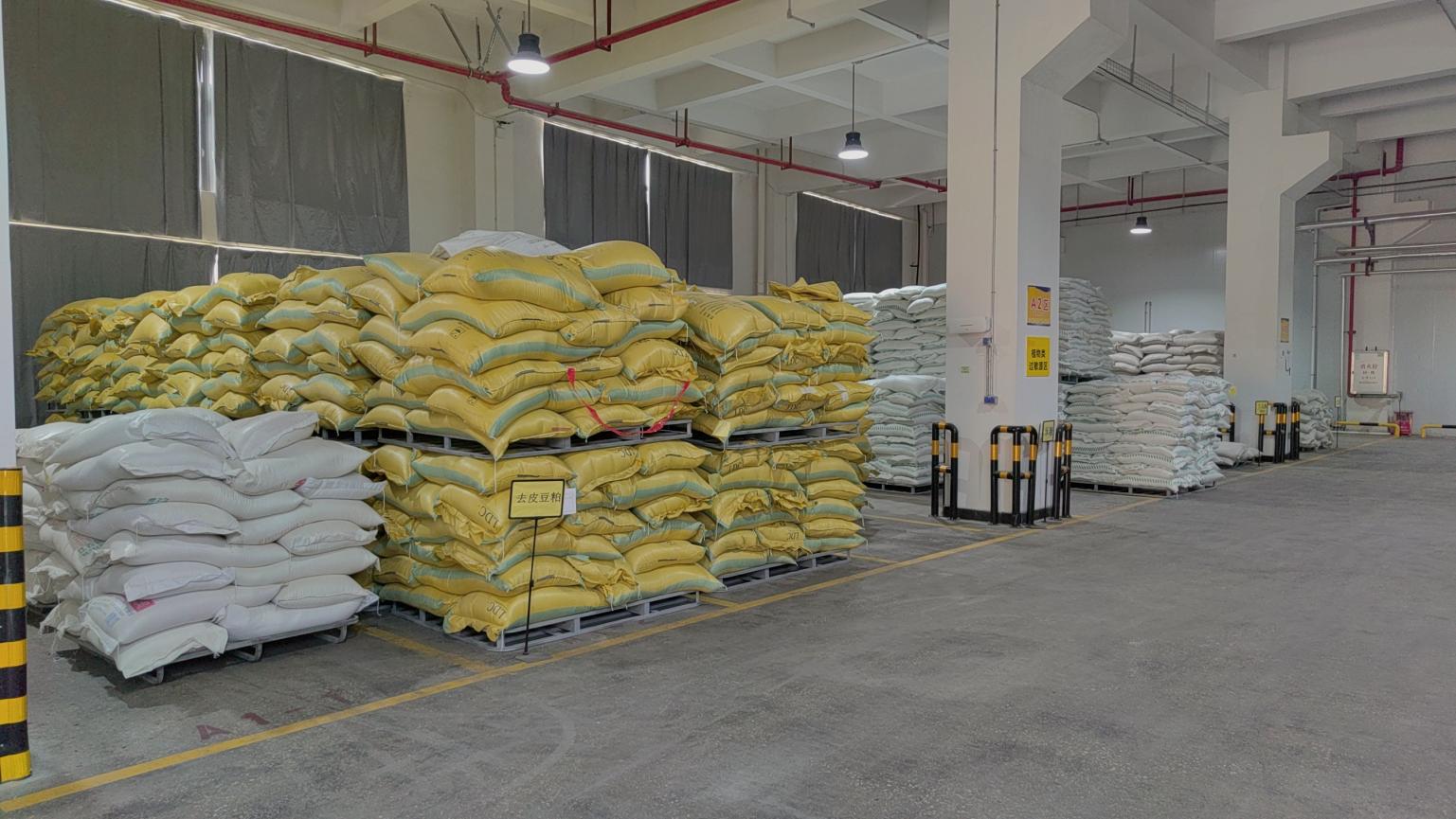
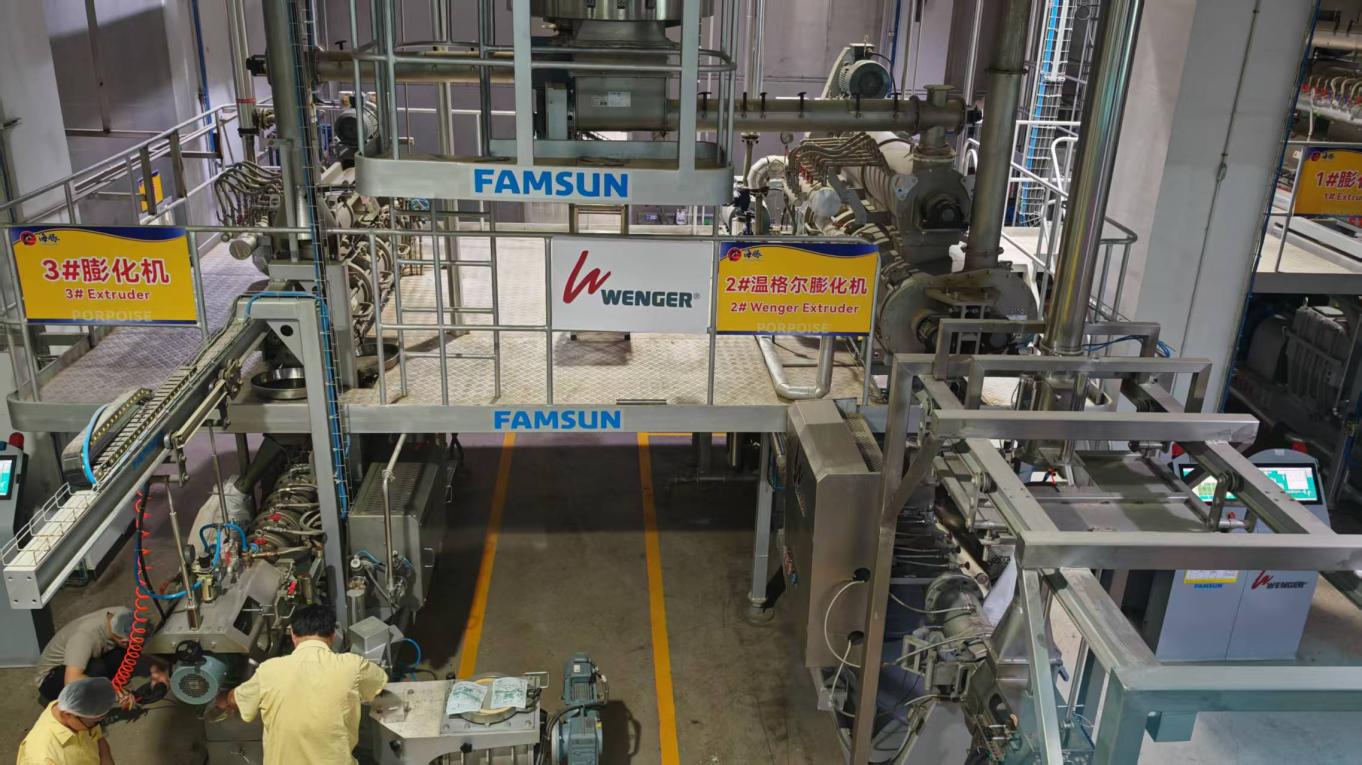
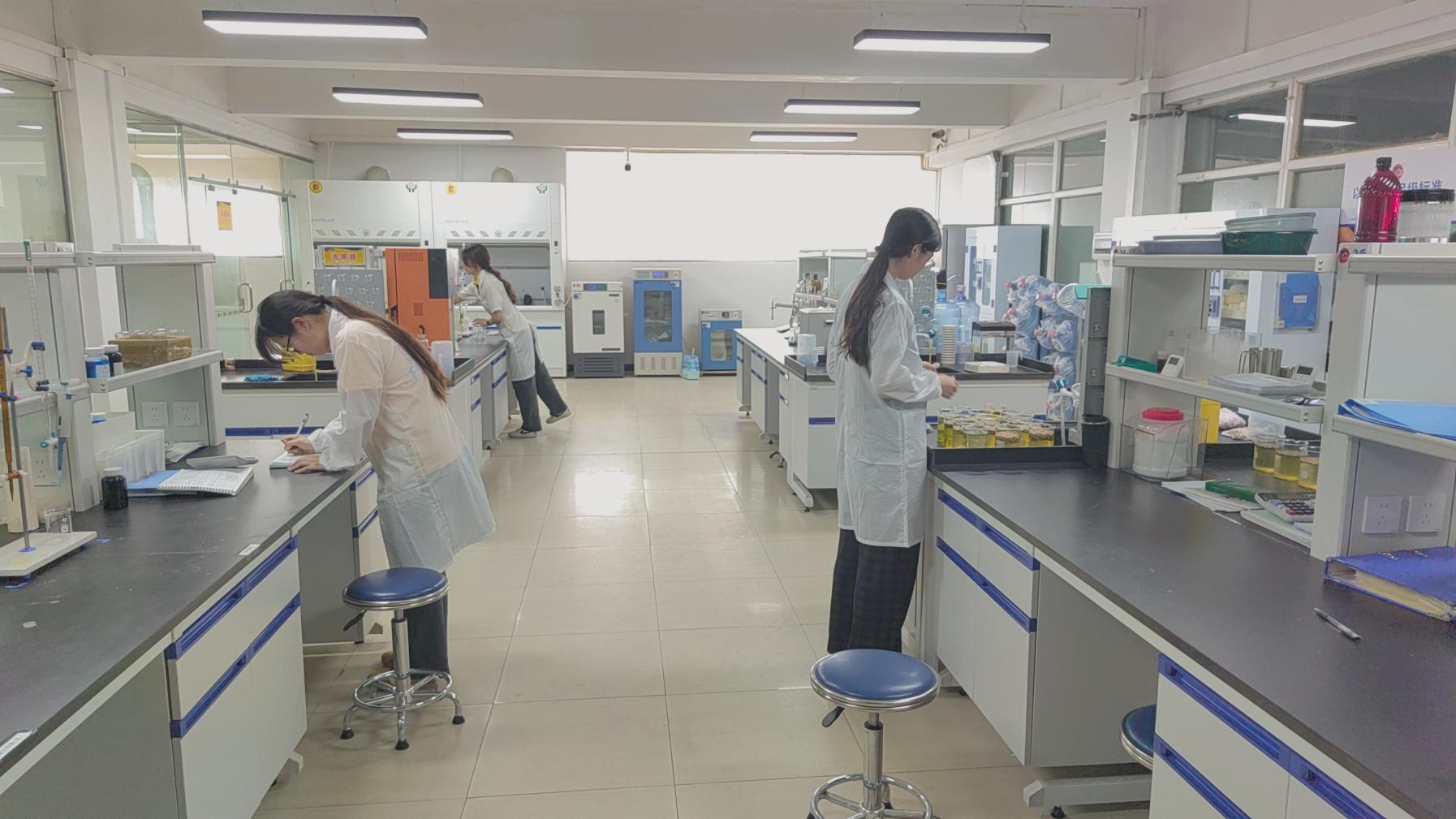

Understanding the chemical and physical characteristics of different toxin binder raw materials.
| Binder Type | Primary Target Toxins | Binding Mechanism | Efficacy Level | Nutrient Preservation Rating |
|---|---|---|---|---|
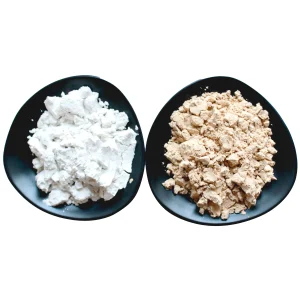
| Hydrated Sodium Calcium Aluminosilicate (HSCAS) | Aflatoxins (B1, B2, G1) | Electrostatic adsorption between interlayer ions | Very High (>90%) | Good (Minimal binding of micro-nutrients) |
| Enzymatic Yeast Cell Wall Extract | Zearalenone, Ochratoxin A | Hydrogen bonding & hydrophobic interaction | Moderate to High | Excellent |
| Probiotic Bacillus Subtilis Agents | DON, T-2 Toxin, Zearalenone | Enzymatic degradation & ring-cleavage biodetoxification | Very High (Biochemical transformation) | Outstanding (Supports intestinal health) |
| Modified Organo-Bentonite | Broad-spectrum (Polar & Non-Polar) | Expanded pore size and hydrophobic organo-cation exchange | High (>85%) | Good (Dosage monitoring advised) |
Qingdao Akston Health Co., Ltd. is a trusted manufacturer and global supplier dedicated to delivering innovative health and nutrition solutions for the animal feed industry. With a strong commitment to quality, sustainability, and continuous innovation, we provide high-performance feed additives and nutritional ingredients that support healthier livestock, improved productivity, and safer food production worldwide.
Our comprehensive product portfolio includes choline chloride, amino acids, vitamins, minerals, and other functional feed additives designed to meet the nutritional requirements of poultry, swine, ruminants, aquaculture, and companion animals. Our science-based formulations help optimize animal growth, enhance immune function, improve feed efficiency, and contribute to reducing the reliance on antibiotics in modern livestock production.
At Akston Health, quality is the foundation of everything we do. We work closely with qualified manufacturing partners and implement strict quality control systems throughout sourcing, production, and logistics to ensure every product meets international standards. Our experienced technical team also provides customized solutions and professional support to help customers achieve better production performance and sustainable business growth.
Driven by integrity, innovation, and customer satisfaction, Qingdao Akston Health Co., Ltd. has established long-term partnerships with clients across Asia, Europe, the Middle East, Africa, and the Americas. We are committed to creating lasting value through reliable products, competitive pricing, efficient supply chain management, and responsive customer service.
As your trusted partner in animal nutrition, Akston Health will continue to develop innovative solutions that promote animal health, improve farming efficiency, and contribute to a more sustainable global agriculture industry.
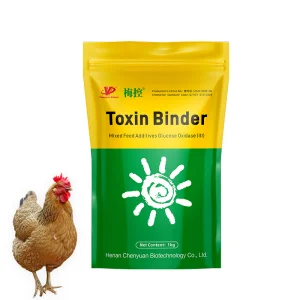
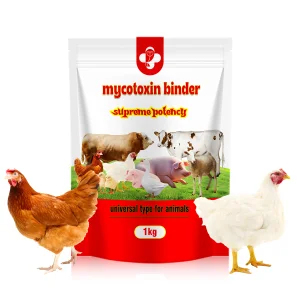
Explore our complete range of high-efficiency bentonites, montmorillonites, and organic degrading enzyme supplements.
Answers to critical questions asked by Feed Nutritionists, Purchasing Directors, and Farm Managers in Central Asia.