Akston Health
Akston Health
Akston Health
Direct factory supply of certified chemical agents, performance feed additives, and technical mineral compounds for global enterprise sourcing.

A comprehensive analysis of production chemistry, application matrices, supply chain validation, and manufacturing capacities in global commerce.
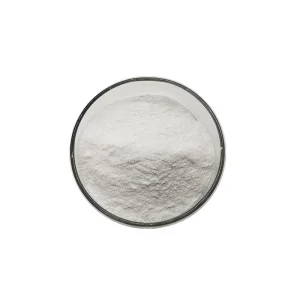
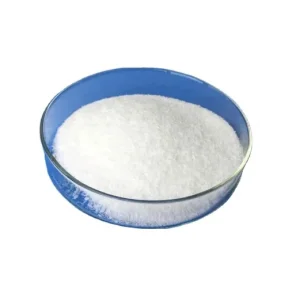
Potassium Bicarbonate (CAS 298-14-6) is a vital chemical compound widely acknowledged for its versatile chemical properties. Typically appearing as a white, crystalline, odorless powder, it functions as an exceptional source of potassium and carbon dioxide. Primarily synthesized through the reaction of carbon dioxide with an aqueous potassium carbonate solution, the manufacturing process requires strict temperature and pressure control to achieve consistent particle morphology and high purity levels.
In modern industrial applications, potassium bicarbonate has emerged as a premium alternative to sodium bicarbonate. Its low-sodium footprint makes it highly preferred in pharmaceuticals, human nutrition, and livestock diet balancing. As global regulations tighten on sodium intake and environmental carbon outputs, $KHCO_3$ provides an ecologically sound chemistry solution across diverse manufacturing verticals.
The structural efficacy of potassium bicarbonate depends heavily on minimizing sodium and heavy metal contaminants. Premium factories leverage advanced crystallization technologies that manage cooling rates to dictate particle size distribution. Whether sourcing for granular forms to ensure dust-free animal feed mixing or ultra-fine powders for instant-dissolve beverage formulations, technical managers must evaluate crystallization integrity, bulk density, and anti-caking properties.
By implementing real-time optical monitoring during the crystallization process, our partnering facilities ensure that potassium bicarbonate crystals maintain a uniform micro-structure. This mitigates the risk of spontaneous caking during transoceanic shipping and guarantees predictable dissolution kinetics in liquid formulations.
*Standard specifications meet FCC, USP, and European Commission directive parameters.
How systemic integration, raw material abundance, and green industrial upgrades position China as the premier sourcing destination.
China is home to some of the world's largest potassium reserves and high-efficiency carbon dioxide recapture facilities. This localized access to key feedstocks ($K_2CO_3$ and $CO_2$) minimizes supply chain friction and insulates international buyers from extreme price volatility.
Modern Chinese chemical plants operate under stringent environmental mandates. Factories employ closed-loop thermal recovery and zero-liquid-discharge (ZLD) purification, minimizing carbon footprints while meeting strict international ESG audit standards.
Strategic positioning near key deepwater shipping ports like Qingdao, Shanghai, and Tianjin guarantees rapid transit, optimized freight consolidation, and containerized moisture protection protocols for long-distance transport.
From organic agriculture to advanced food systems: mapping the utility of Potassium Bicarbonate across industries.
Widely utilized as a non-toxic bio-fungicide for powdery mildew control. It alters the pH balance on plant leaves, disrupting fungal spores without leaving harmful residues, making it ideal for certified organic farming.
Acts as an exceptional low-sodium leavening agent. It releases carbon dioxide during baking, replacing sodium bicarbonate to assist food manufacturers in achieving heart-healthy, low-sodium label requirements.
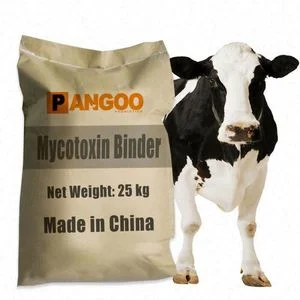
Essential in dairy cattle nutrition to prevent subacute ruminal acidosis (SARA). It replenishes blood potassium levels and stabilizes rumen pH, maintaining milk yields and overall animal health during heat stress.
Key component in Class BC dry chemical fire suppressants. It is twice as effective as sodium bicarbonate in flame suppression due to the high surface area of potassium ions produced during thermal degradation.
Used by vintners to adjust acidity profiles. It binds with excess tartaric acid to form potassium bitartrate precipitates, allowing precise control of pH and flavor characteristics in premium wines.
Serving as an active agent in antacids and pain-relief effervescent tablets. High-grade $KHCO_3$ provides rapid carbonation effects and supplies dietary potassium under clinical specifications.
A trusted global supplier dedicated to delivering advanced nutritional and chemical solutions for international livestock, farming, and food industries.
Qingdao Akston Health Co., Ltd. is a trusted manufacturer and global supplier dedicated to delivering innovative health and nutrition solutions for the animal feed industry. With a strong commitment to quality, sustainability, and continuous innovation, we provide high-performance feed additives and nutritional ingredients that support healthier livestock, improved productivity, and safer food production worldwide.
Our comprehensive product portfolio includes choline chloride, amino acids, vitamins, minerals, and other functional feed additives designed to meet the nutritional requirements of poultry, swine, ruminants, aquaculture, and companion animals. Our science-based formulations help optimize animal growth, enhance immune function, improve feed efficiency, and contribute to reducing the reliance on antibiotics in modern livestock production.
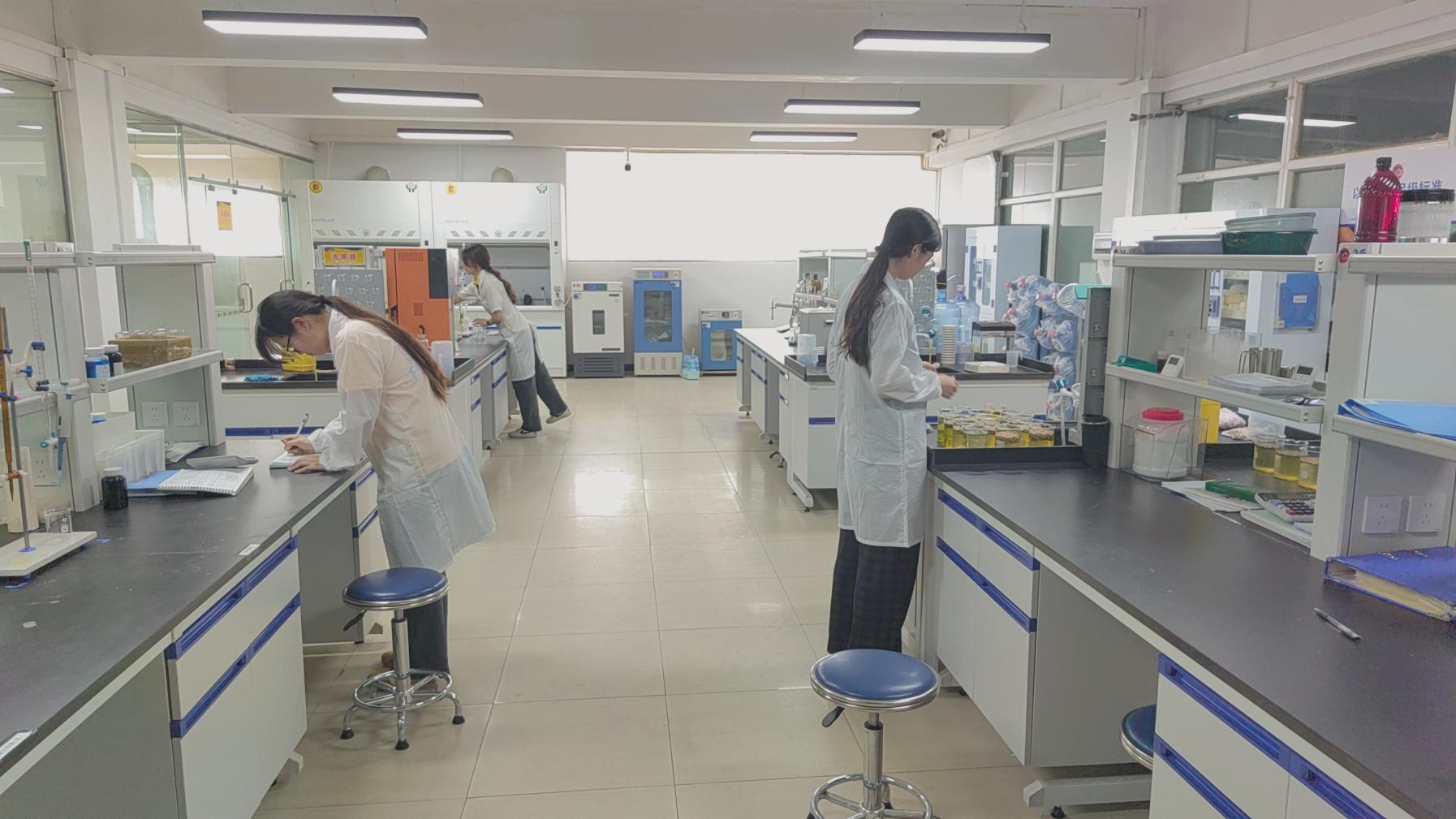
At Akston Health, quality is the foundation of everything we do. We work closely with qualified manufacturing partners and implement strict quality control systems throughout sourcing, production, and logistics to ensure every product meets international standards. Our experienced technical team also provides customized solutions and professional support to help customers achieve better production performance and sustainable business growth.
Driven by integrity, innovation, and customer satisfaction, Qingdao Akston Health Co., Ltd. has established long-term partnerships with clients across Asia, Europe, the Middle East, Africa, and the Americas. We are committed to creating lasting value through reliable products, competitive pricing, efficient supply chain management, and responsive customer service.
As your trusted partner in animal nutrition, Akston Health will continue to develop innovative solutions that promote animal health, improve farming efficiency, and contribute to a more sustainable global agriculture industry.
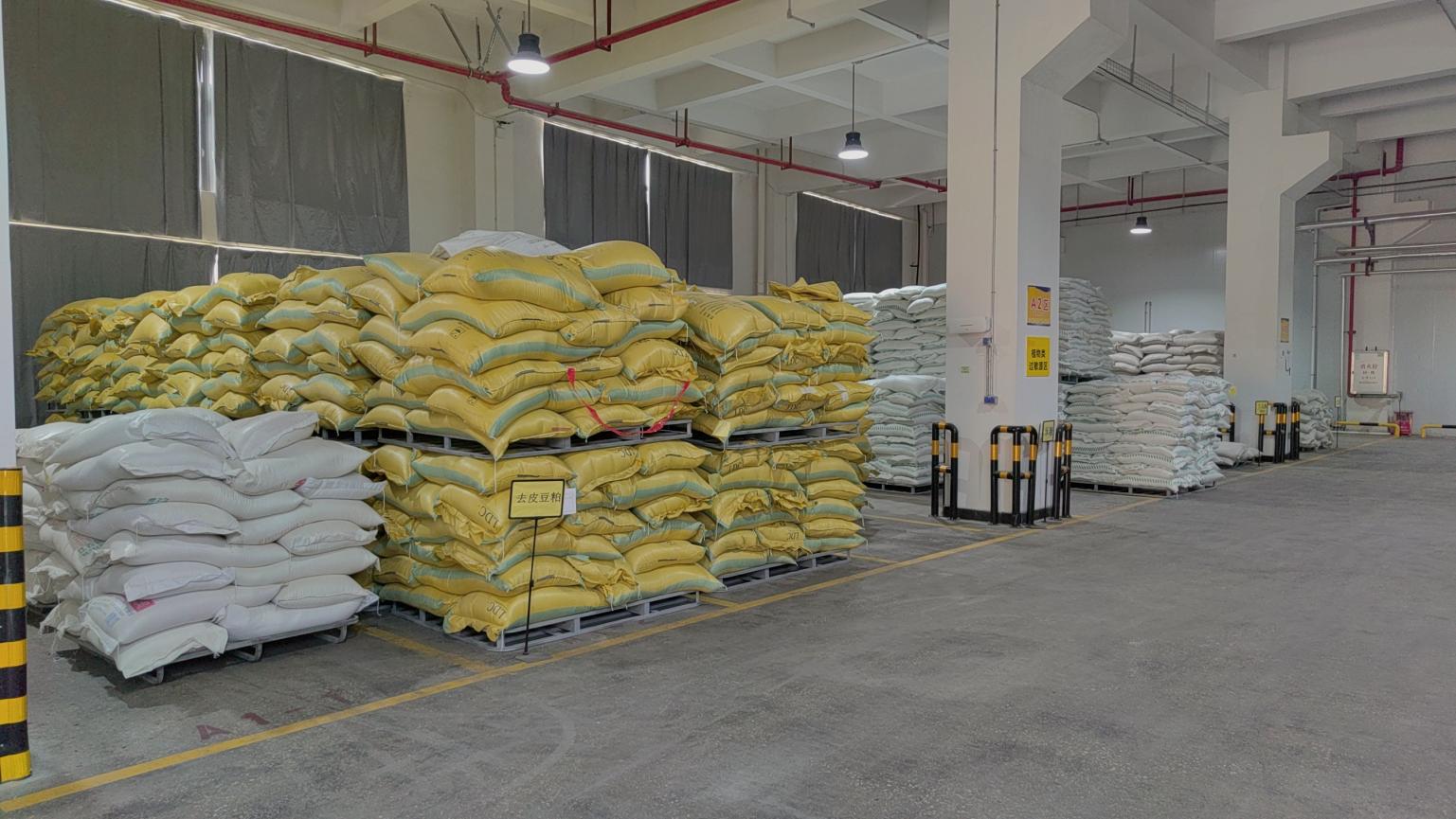
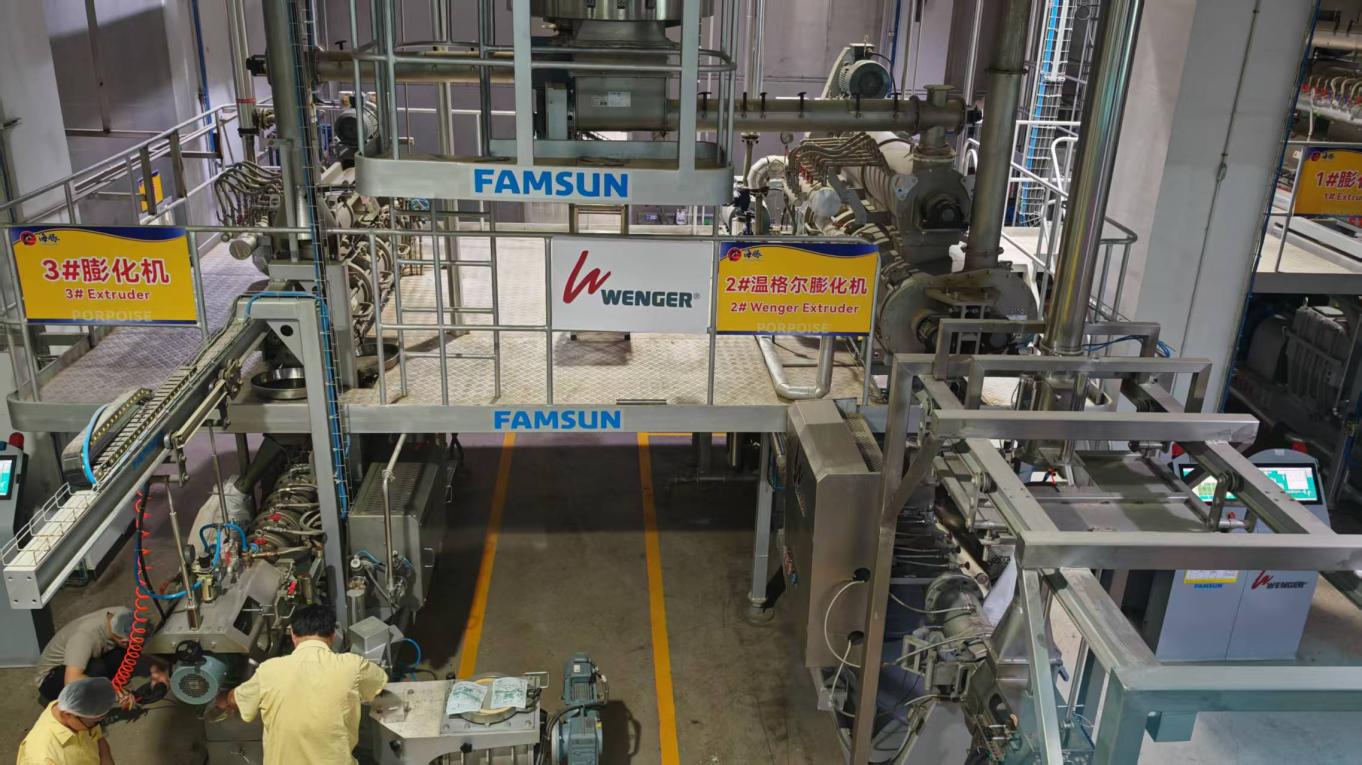
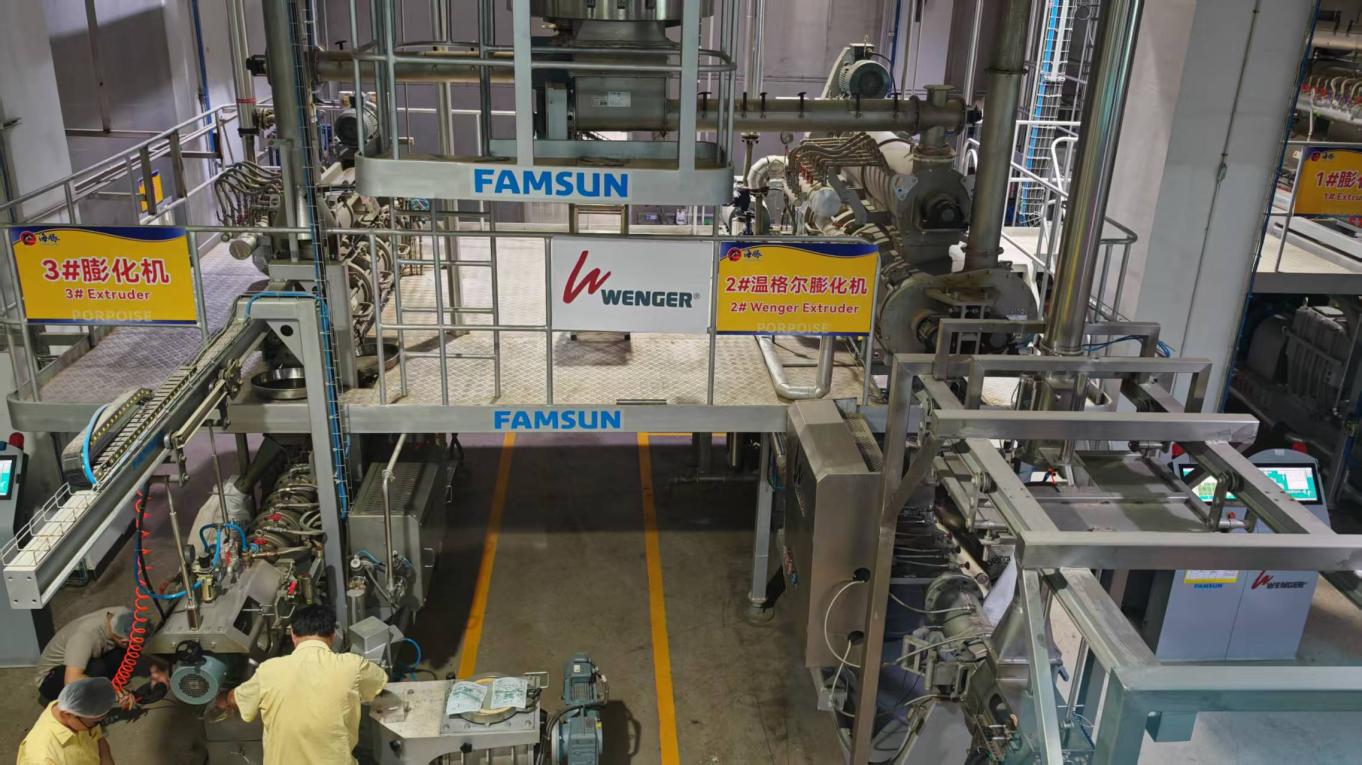
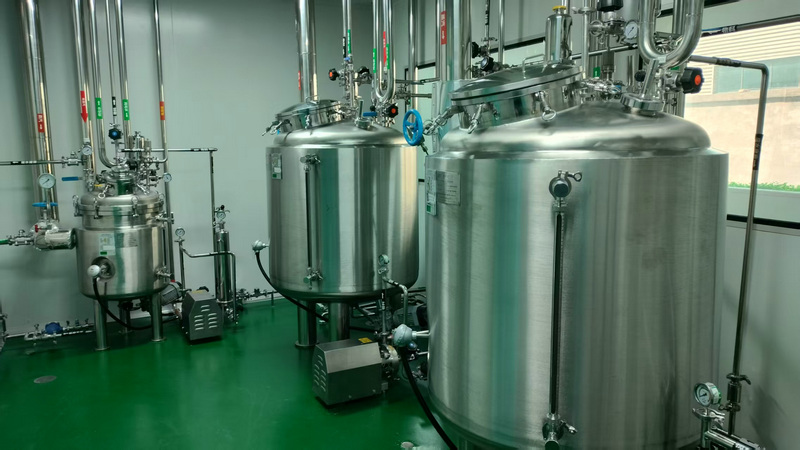
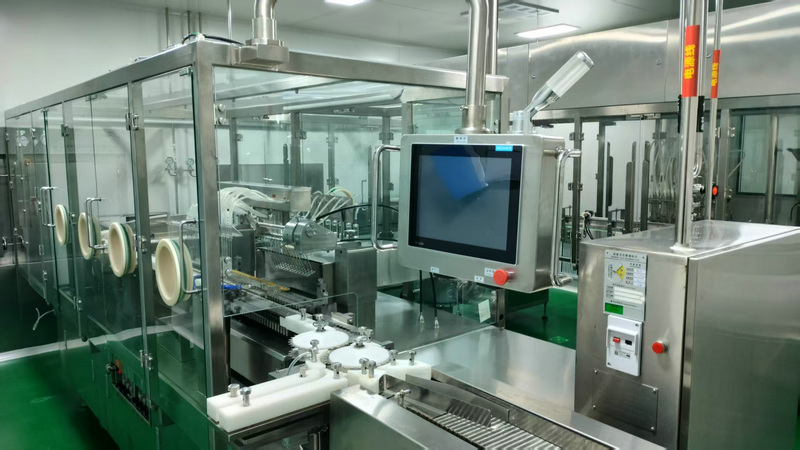
Our manufacturing workflow is strictly monitored under standard operating procedures, ensuring product safety and stability from warehouse storage to final delivery.




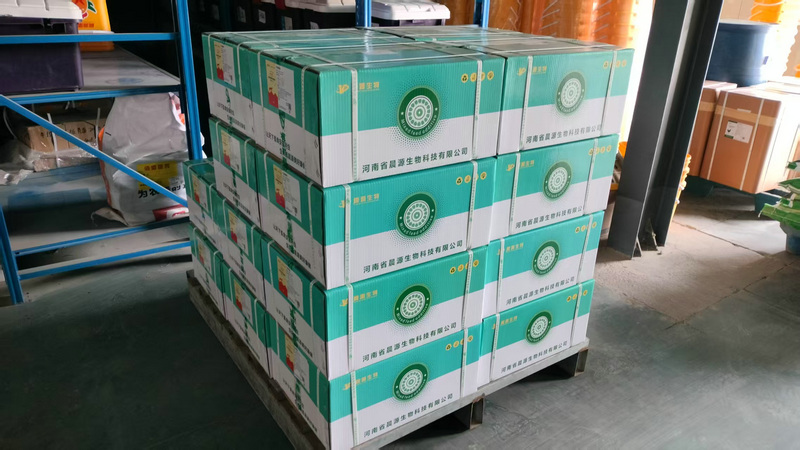
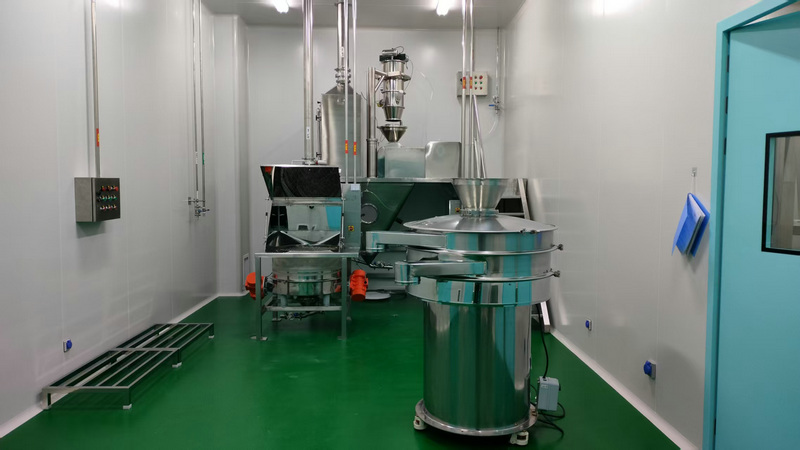
Direct technical feedback from our engineering and chemical logistics departments.
Explore our secondary catalog of livestock concentrates, amino acids, and high-purity inorganic minerals.