1 / 5
 Akston Health
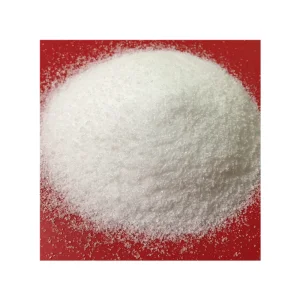
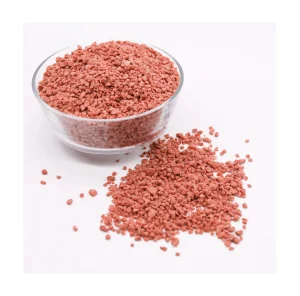
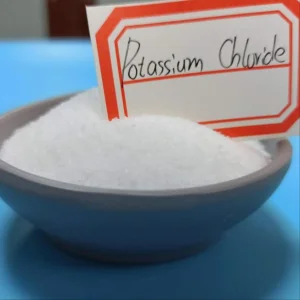
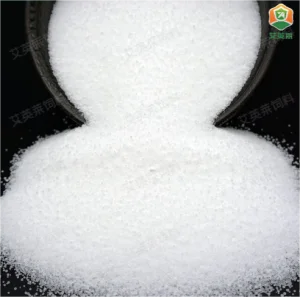
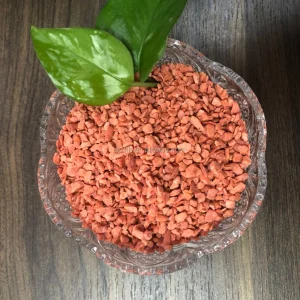
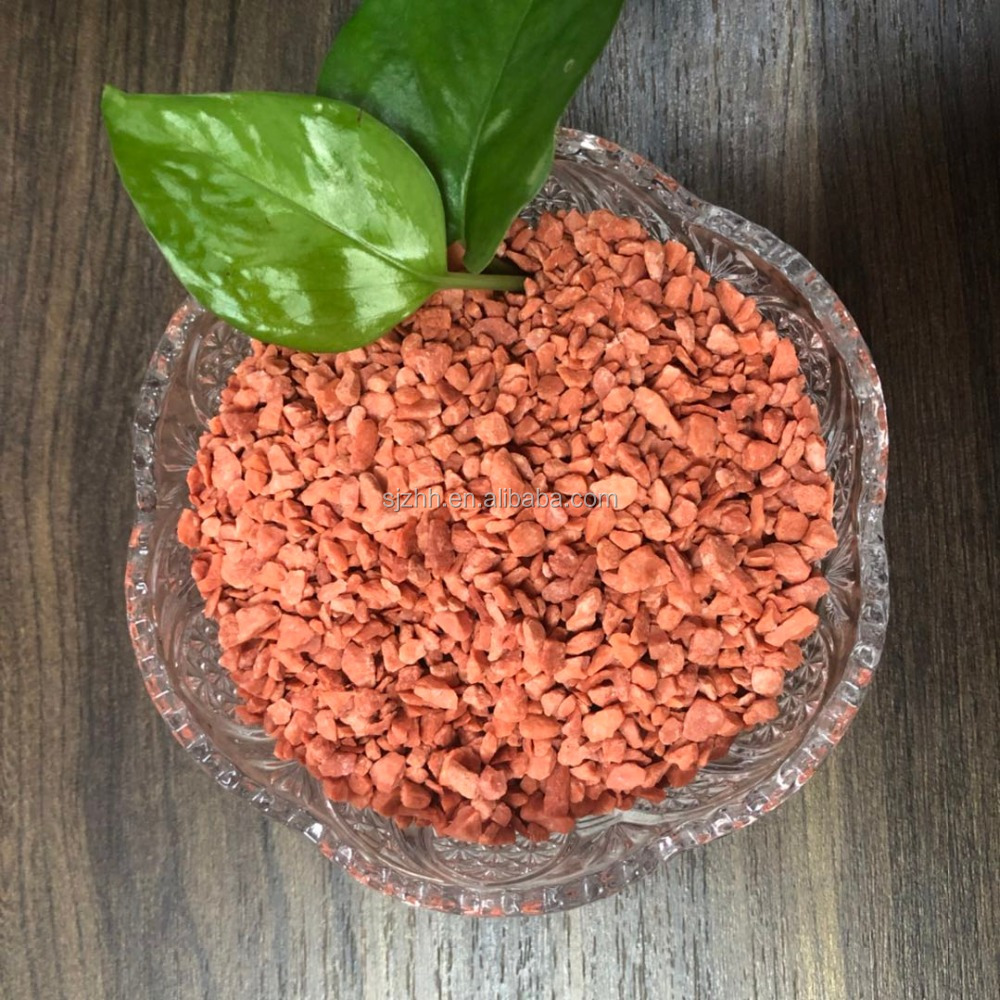
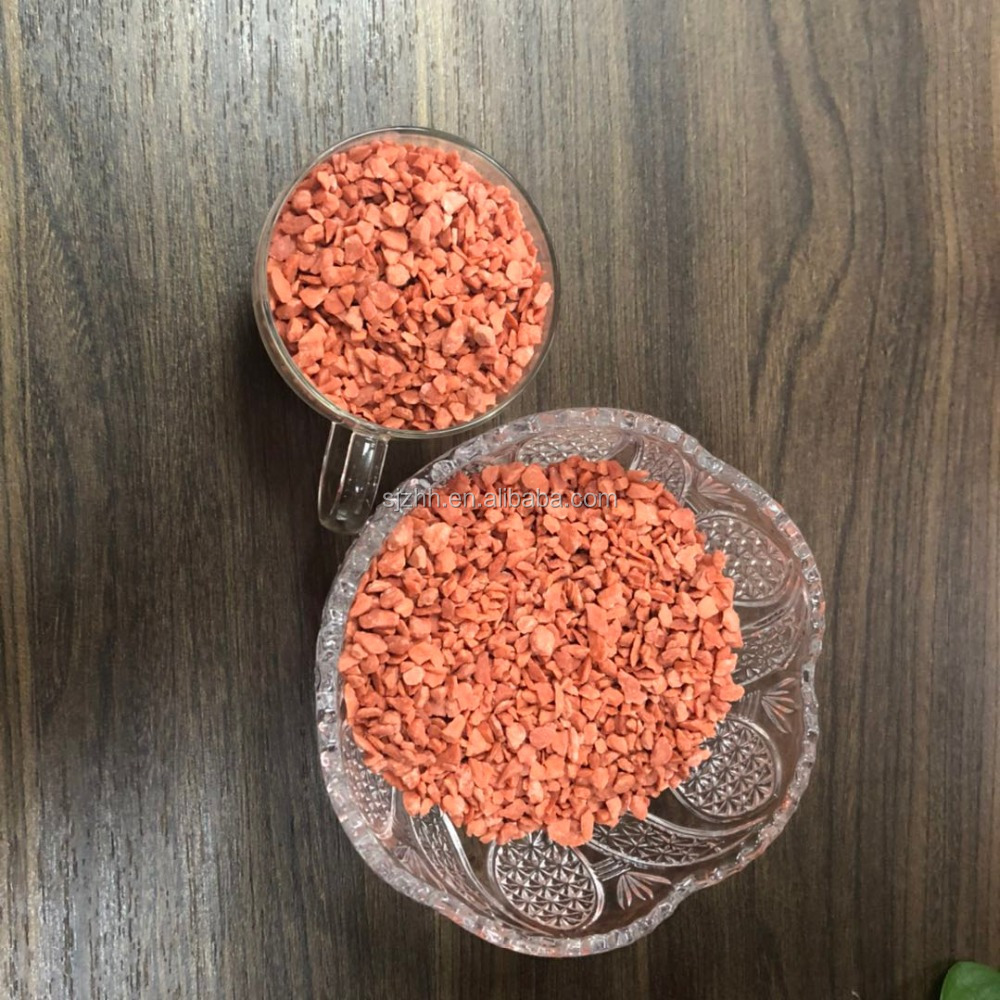
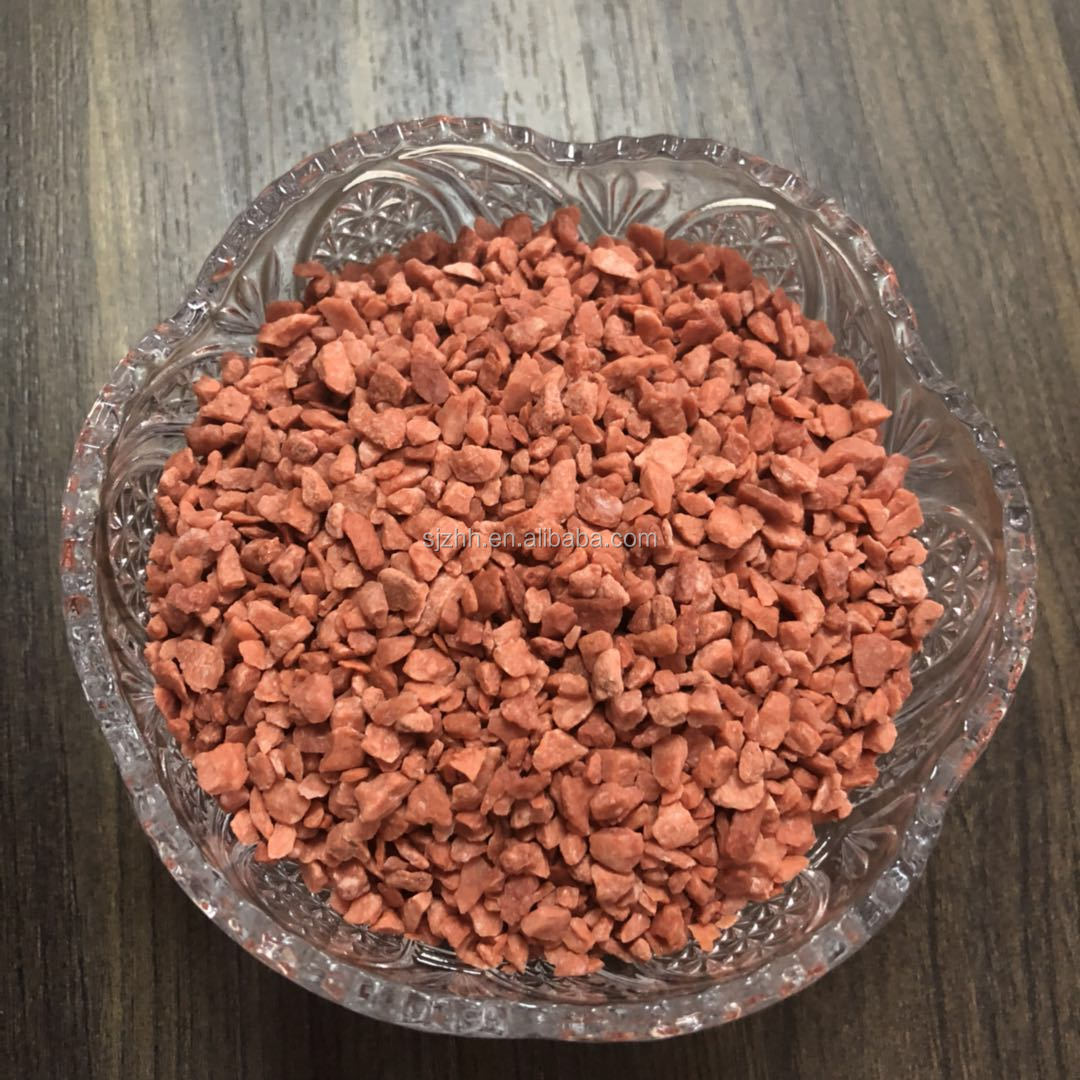
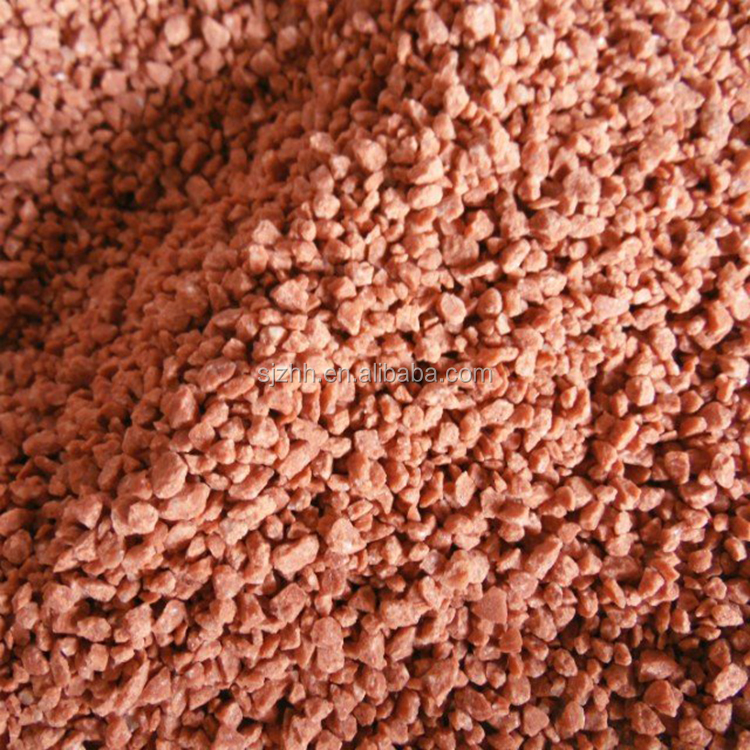
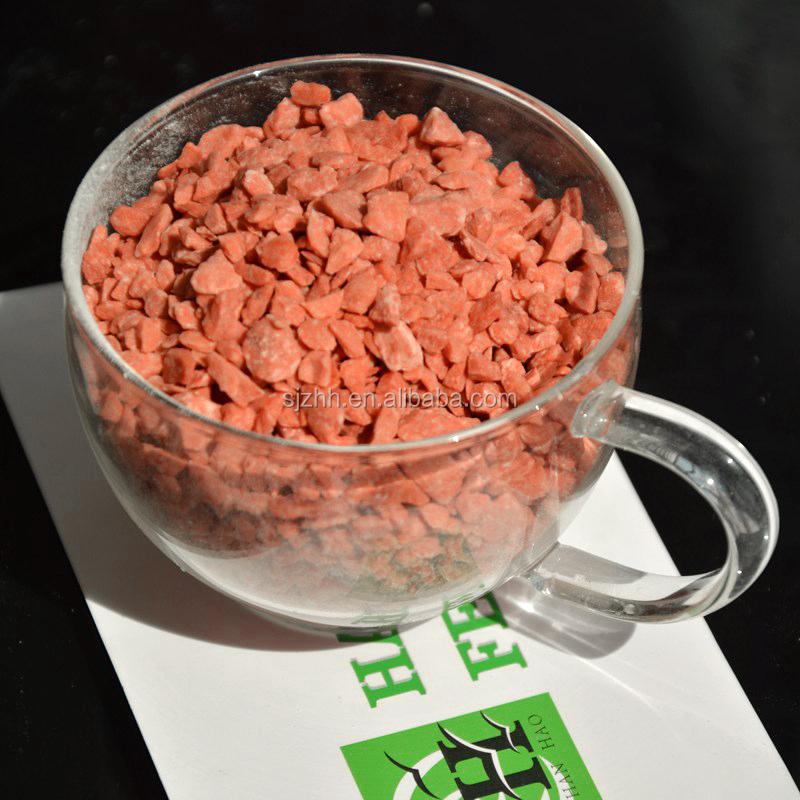
Potassium chloride (KCl) (0-0-60) or Muriate of Potash (MOP): Most K deposits are found as KCl (sylvite) mixed with NaCl (halite) in the mineral sylvanite, often in ancient marine deposits buried deep beneath the Earth’s surface. In processing, the ore is crushed and the KCl and NaCl are separated.
Agricultural potassium chloride usually from sylvine, carnallite or in brine containing potassium chloride extraction, physiological acid fertilizer, soluble in water, fertilizer effect quickly, as a basic fertilizer, fertilizer is unfavorable for seed manure and at the base.
| ITEM | INDEX | RESULT |
|---|---|---|
| Potassium chloride | 98%min | 98.2 |
| K2O | 60%min | 61 |
| Moisture | 2.0%max | 1.8 |
| Water-insoluble | 0.1%max | 0.1 |
| NaCl | 1.2%max | 1.0 |
| Ca | 0.2%max | 0.2 |
| Mg | 0.2%max | 0.1 |
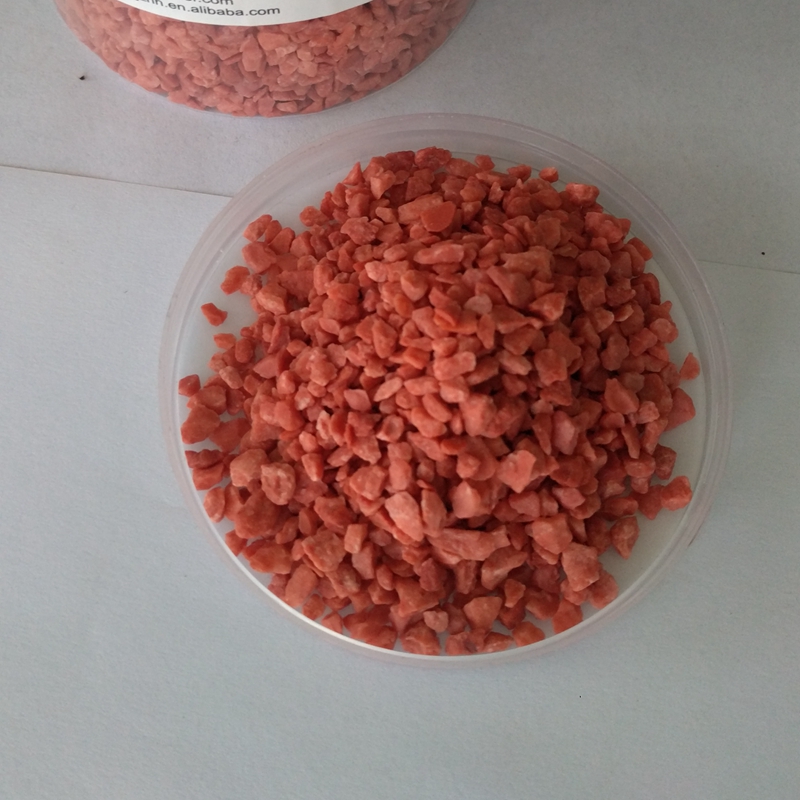
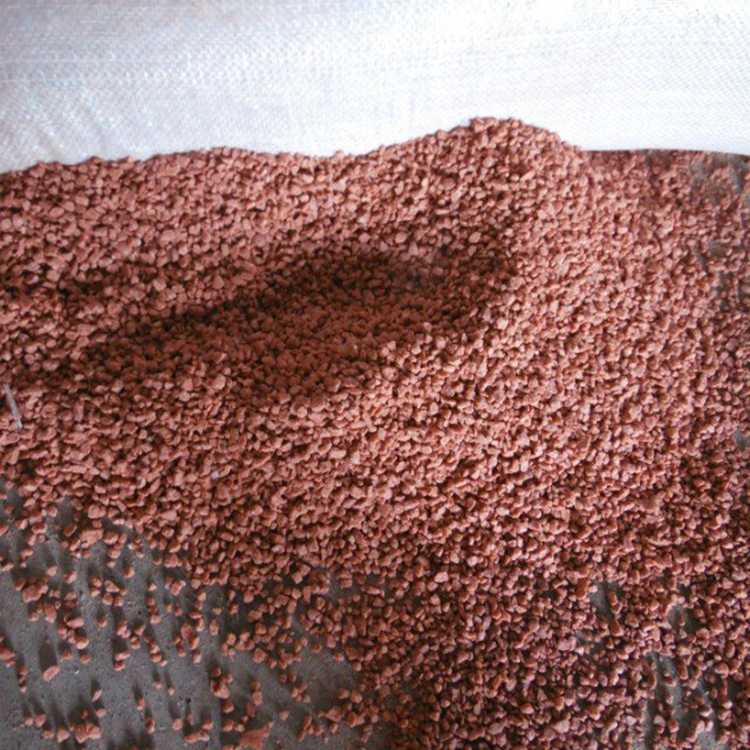

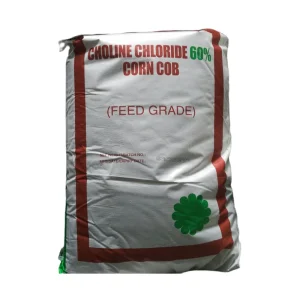
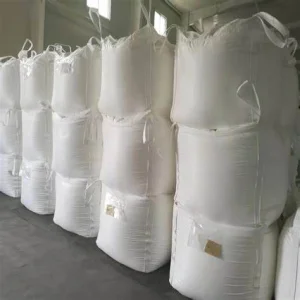
PP bag with PE liner, net weight 25Kg, 50kg bag, 1000kg.
In a ventilated and dry place, kept away from moisture, water, rain, or fire.

Potassium Chloride, commonly known as Muriate of Potash (MOP), is a highly concentrated potassium fertilizer featuring 60% potash (K2O) content, crucial for water regulation and yield enhancement in crops.
It is most effective when used as a base fertilizer applied to the soil before planting, or as a root-zone fertilizer later. It should not be used as seed fertilizer to avoid seedling damage.
Chlorine-sensitive crops (such as tobacco, grapes, and certain fruits) should not be fertilized with MOP, as the high chlorine content can negatively affect crop quality.
In acidic soils, Potassium Chloride should be applied in combination with organic manure or lime to help neutralize the soil environment and optimize plant nutrient uptake.
It comes packaged in 25Kg, 50Kg, or 1000Kg PP bags lined with PE. Store the bags in a ventilated, dry area, and ensure they are kept away from water, moisture, and fire.