Akston Health
Akston Health
Akston Health
Understanding the shifting patterns of agricultural processing, food science innovation, and global supply configurations.
In the contemporary B2B agricultural and ingredient landscape, Garlic Powder stands as one of the most volatile yet indispensable industrial food seasonings and functional health feed additives globally. Cultivated for thousands of years, the active organosulfur chemistry of garlic—chiefly Alliin and its enzymatically converted active form, Allicin—drives double-digit compound annual growth rates (CAGR) across industrial food sectors, pharmaceutical processing, and high-performance animal nutrition formulations.
Historically valued primarily for its intense aromatic properties, garlic powder has transitioned into a highly technical product category. Global food buyers must navigate the differences between Dehydrated (AD) Garlic Powder and Freeze-Dried (FD) Garlic Powder, which are highly dependent on final application scenarios. Recent scientific breakthroughs pointing to garlic's efficacy as a natural antimicrobial agent have further accelerated its inclusion in sub-therapeutic growth promoter feed alternatives, aligning with the worldwide policy shift away from livestock antibiotics.
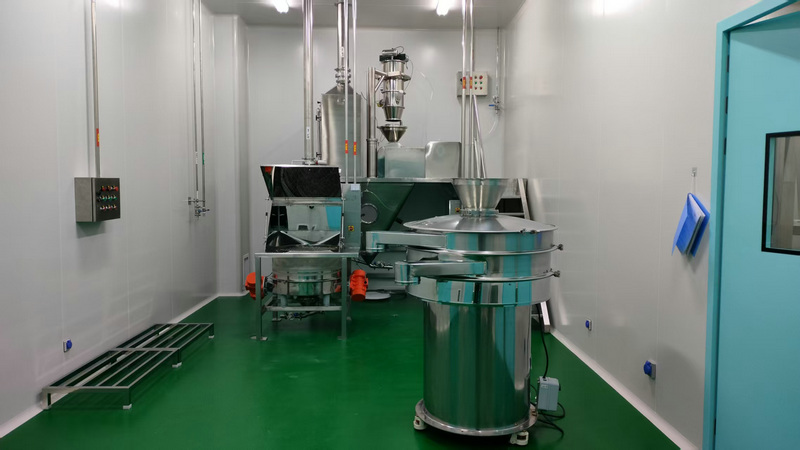
Technological advancement allows China’s leading processing plants to achieve ultra-fine particle sizes (down to 100-120 mesh) without generating localized friction heat that degrades essential volatile oils (specifically diallyl disulfide and diallyl trisulfide).
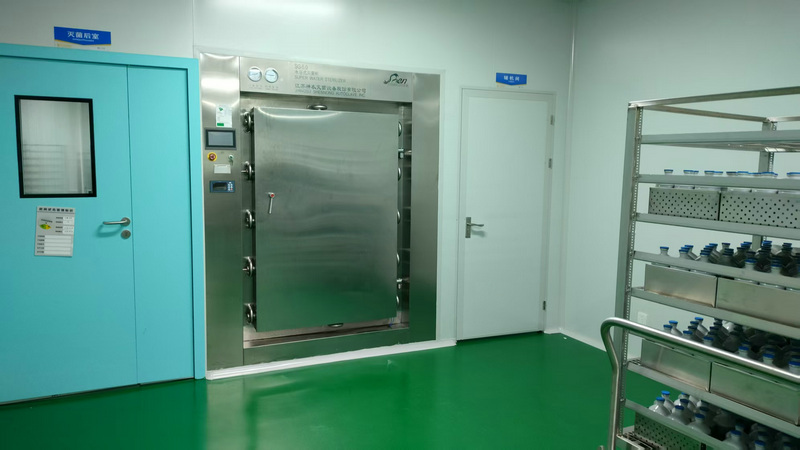
With global food safety regulations tightening under US FDA FSMA and EU EFSA, modern exporters utilize advanced continuous steam sterilization and irradiation to achieve zero-pathogen guarantees while preserving original flavor profiles.
Modern factories leverage direct farm partnerships, establishing complete traceability networks back to Shandong, Henan, and Gansu agricultural hubs to comply with Scope 3 emissions reporting and global sustainability audits.
Global Export Market Share
Strict SO2 Residue Standard
HACCP/GMP Compliance Rate
Batch Traceability Assured
How enterprise procurement teams evaluate moisture levels, volatile oil indicators, and heavy metal limits for safety and longevity.
Enterprise sourcing managers at multinational conglomerates realize that buying garlic powder is not a simple commodity transaction. Variations in harvest season, soil quality, dehydration temperature, and milling velocity yield highly divergent batches of raw material. Uncontrolled drying variables can lead to the caramelization of natural sugars present in the garlic bulb (fructans), causing irreversible discoloration and clumping.
Therefore, the integration of technical sheets that detail chemical parameters, physical limits, and microbiological assays is essential. Quality assurance departments rely on standard reference specifications to verify that batches meet regional regulatory policies (such as FDA and EU food codes).
| Quality Metric Parameter | Dehydrated (AD) Garlic Powder Standard | Primary Industrial Utility / Test Method |
|---|---|---|
| Moisture Content | ≤ 6.0% Maximum | Prevents biological degradation and clumping during silo storage (Karl Fischer / Halogen Dry Method). |
| Allicin Active Content | ≥ 10,000 ppm (1.0% Min) | Key marker representing therapeutic and sensory potency (HPLC Analysis). |
| Particle Size (Mesh Distribution) | 80 - 100 mesh / 100 - 120 mesh | Governs dispersibility and mixing homogeneity in spice blends (Sieve Shaker Analysis). |
| Total Ash Content | ≤ 5.0% Maximum | Determines pure vegetable biomass ratio; reveals potential sand/soil contamination. |
| Microbiological Profile (Sterilized) | TPC < 20,000 CFU/g; Yeast/Mold < 100 CFU/g | Crucial validation metric for ready-to-eat products (AOAC Plate Count Method). |
| Heavy Metals (Pb, As, Cd) | Pb ≤ 1.0 mg/kg; As ≤ 0.5 mg/kg | Strict regulatory threshold verification (ICP-MS testing). |
In a global economy defined by geopolitical shifts and logistics bottlenecks, China's garlic powder factories have transitioned from traditional labor-intensive operations to fully automated, digitally integrated processing complexes.
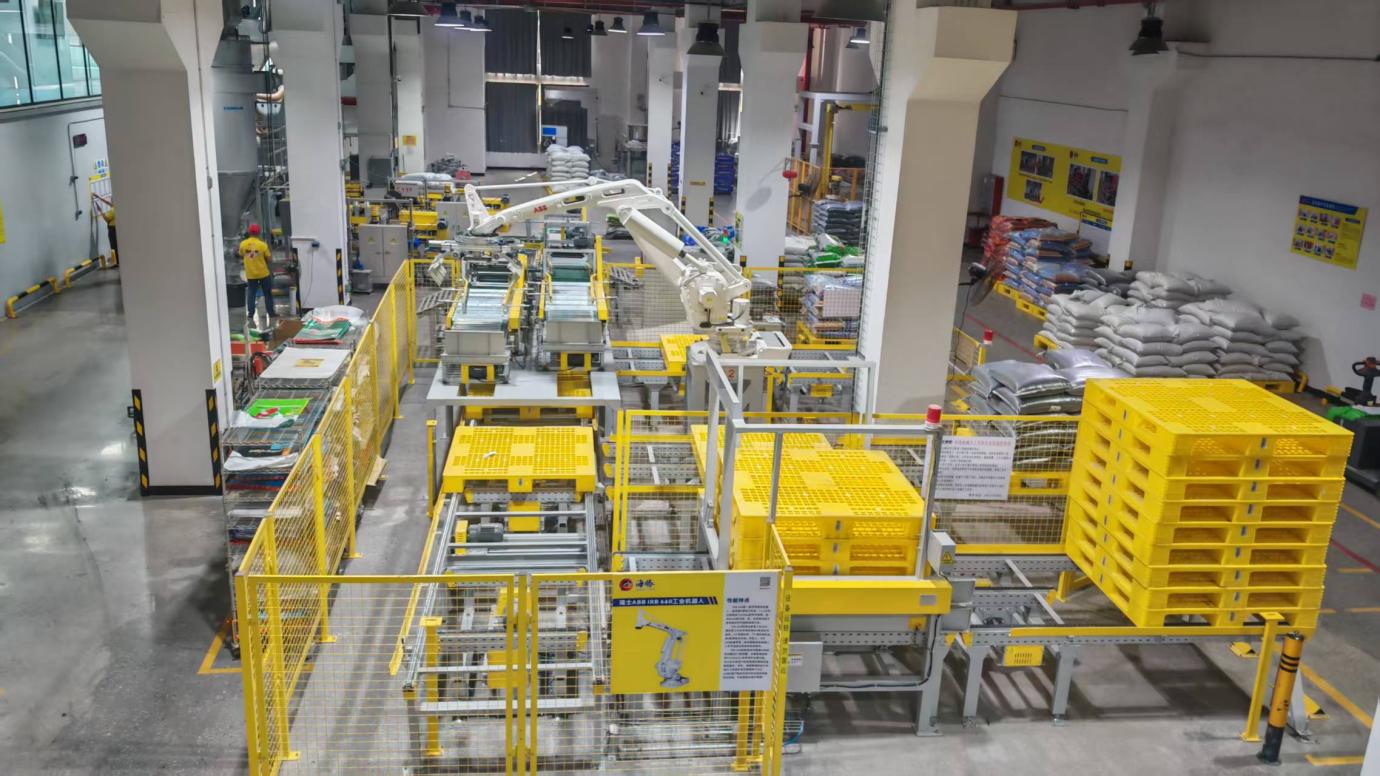
By using optical sorters, intelligent drying chambers, and robotic packaging lines, top-tier factories minimize manual contact, reducing pathogen risk while maintaining competitive price points. Vertical integration from raw agricultural farming directly to international ports provides predictable supply lines, allowing overseas distributors to maintain optimal inventory levels.
Our collaborative ecosystems ensure that the high-volume processing capacity of garlic powder complements other nutritional ingredients, mineral supplements, and chemical reagents. This integration allows global enterprise buyers to consolidate purchase orders, optimize container loading configurations, and lower custom clearance fees at destinations.
Bridging the gap between agricultural processing and global logistics since our inception.
Qingdao Akston Health Co., Ltd. is a trusted manufacturer and global supplier dedicated to delivering innovative health and nutrition solutions for the animal feed industry. With a strong commitment to quality, sustainability, and continuous innovation, we provide high-performance feed additives and nutritional ingredients that support healthier livestock, improved productivity, and safer food production worldwide.
Our comprehensive product portfolio includes choline chloride, amino acids, vitamins, minerals, and other functional feed additives designed to meet the nutritional requirements of poultry, swine, ruminants, aquaculture, and companion animals. Our science-based formulations help optimize animal growth, enhance immune function, improve feed efficiency, and contribute to reducing the reliance on antibiotics in modern livestock production.
At Akston Health, quality is the foundation of everything we do. We work closely with qualified manufacturing partners and implement strict quality control systems throughout sourcing, production, and logistics to ensure every product meets international standards. Our experienced technical team also provides customized solutions and professional support to help customers achieve better production performance and sustainable business growth.
Driven by integrity, innovation, and customer satisfaction, Qingdao Akston Health Co., Ltd. has established long-term partnerships with clients across Asia, Europe, the Middle East, Africa, and the Americas. We are committed to creating lasting value through reliable products, competitive pricing, efficient supply chain management, and responsive customer service.
As your trusted partner in animal nutrition, Akston Health will continue to develop innovative solutions that promote animal health, improve farming efficiency, and contribute to a more sustainable global agriculture industry.
Leveraging our deep agricultural footprint, we coordinate cross-industry shipments ensuring all health parameters align with the destination country’s food safety regulations.
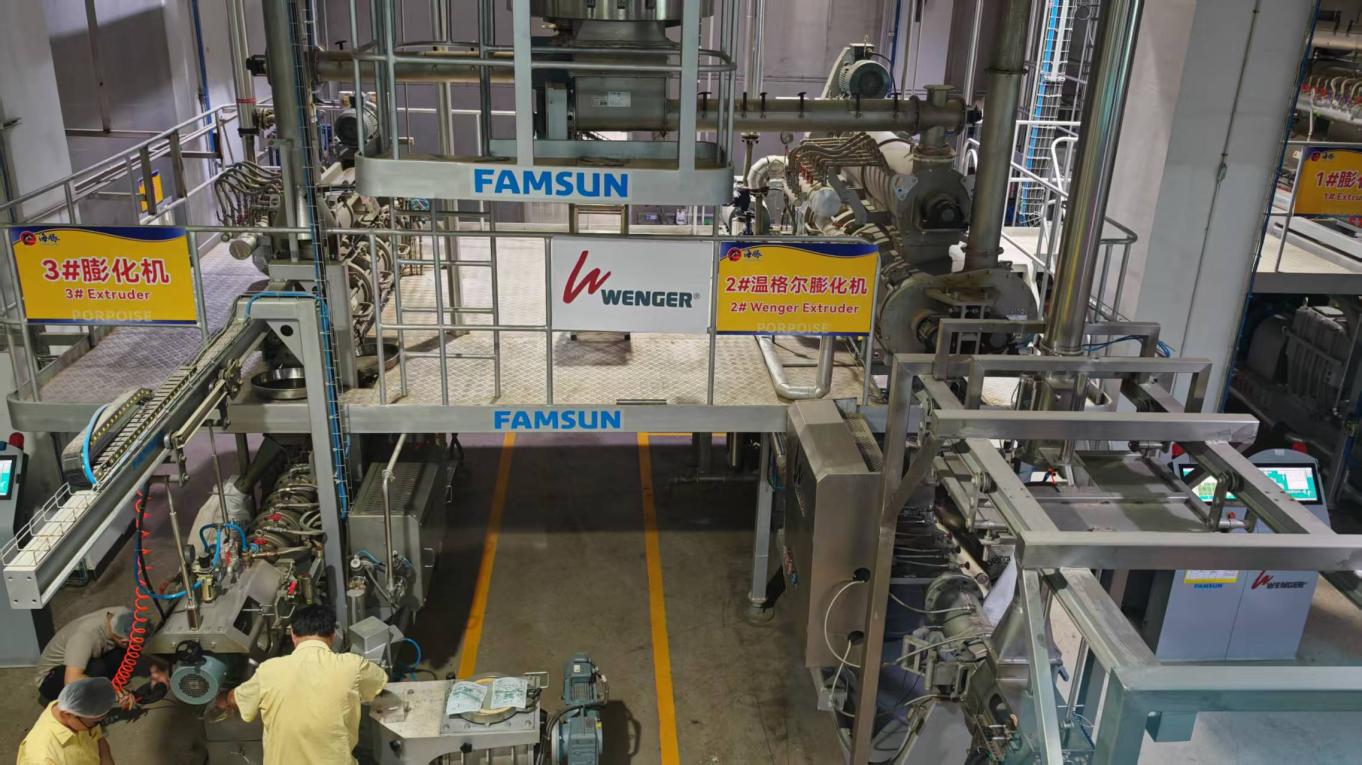
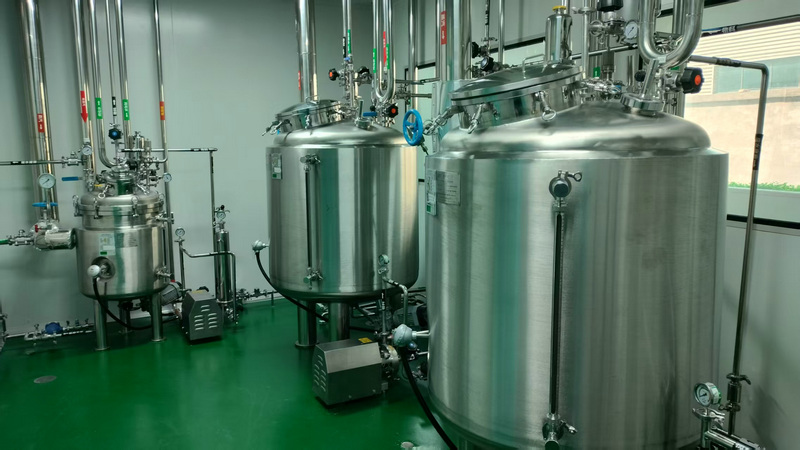
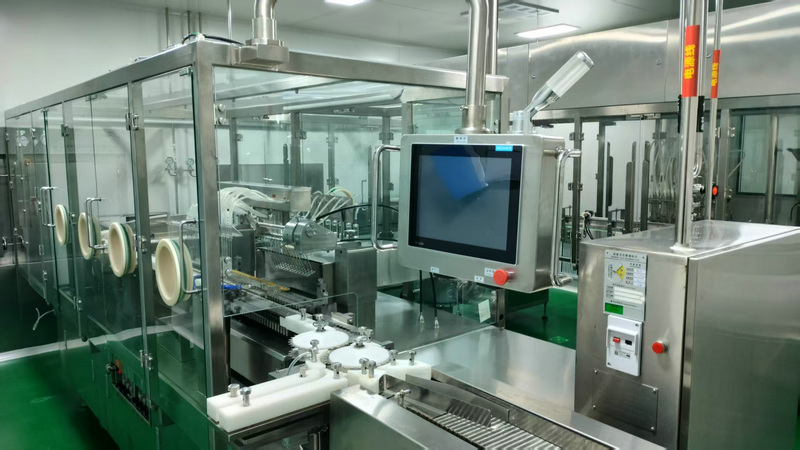
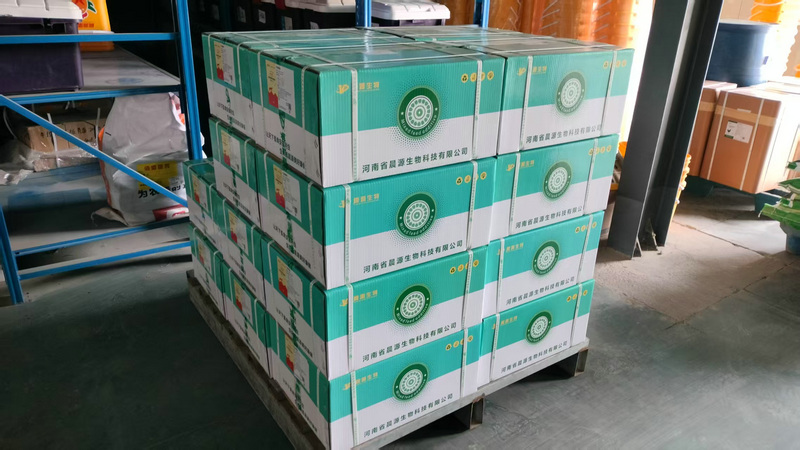
An inside look at our integrated production line, processing units, and storage infrastructure.
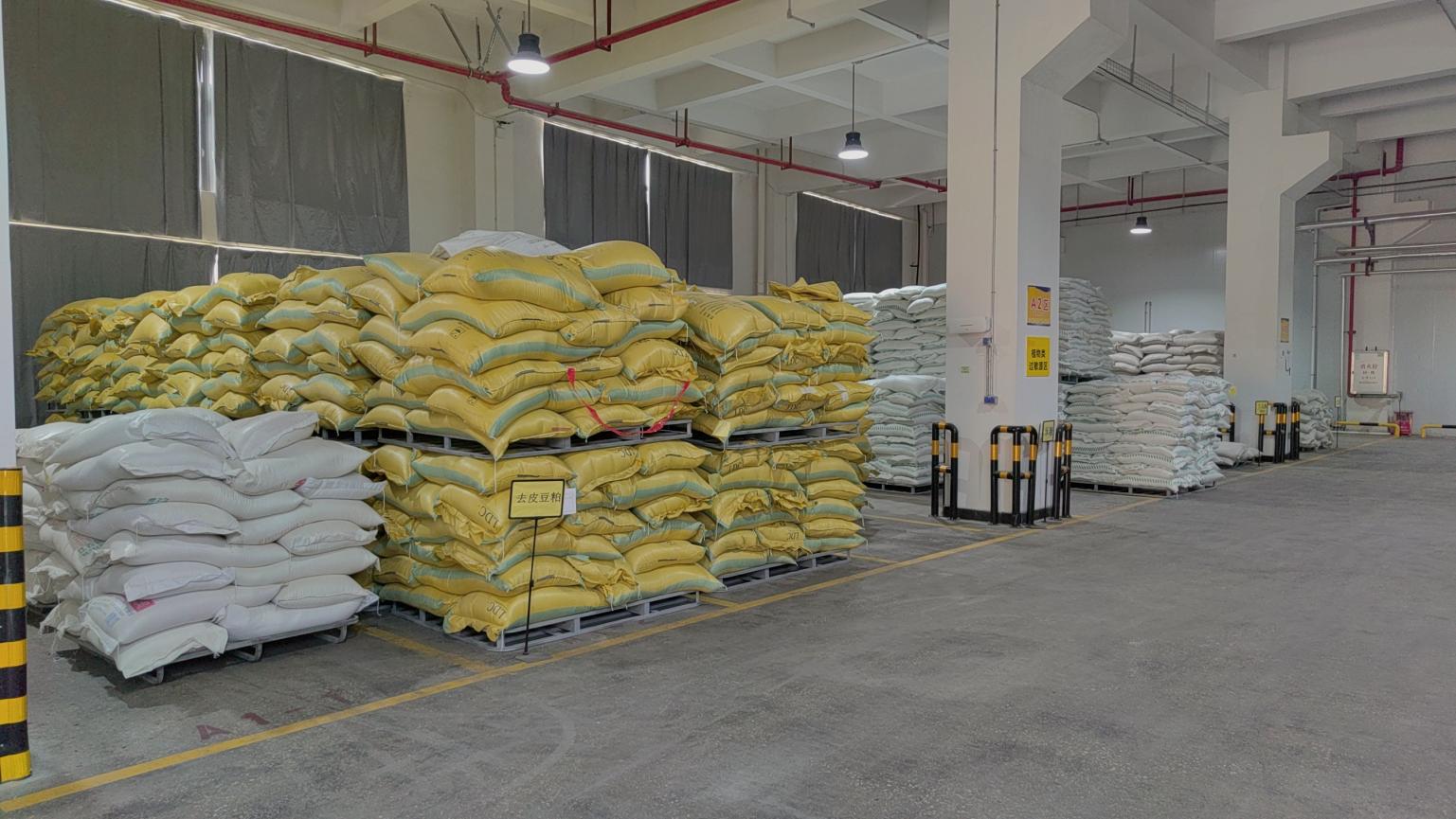
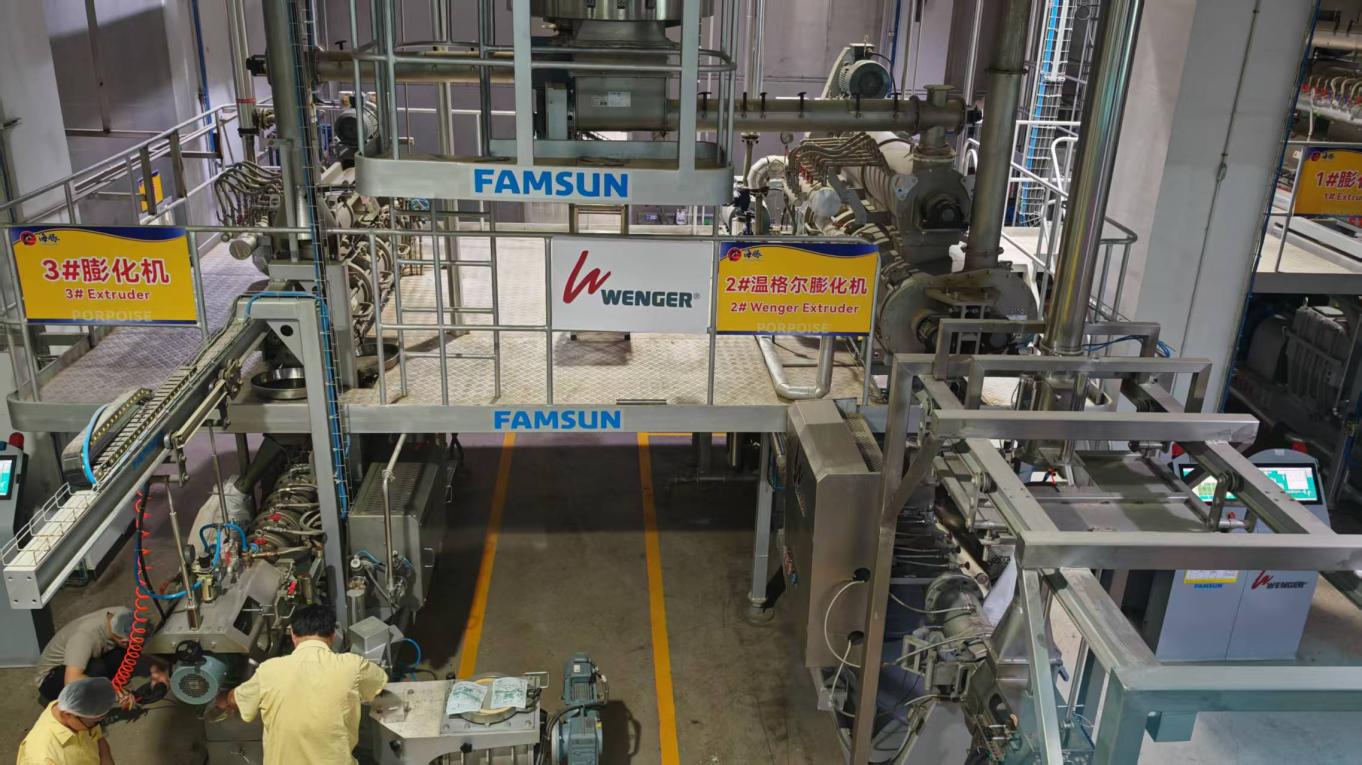
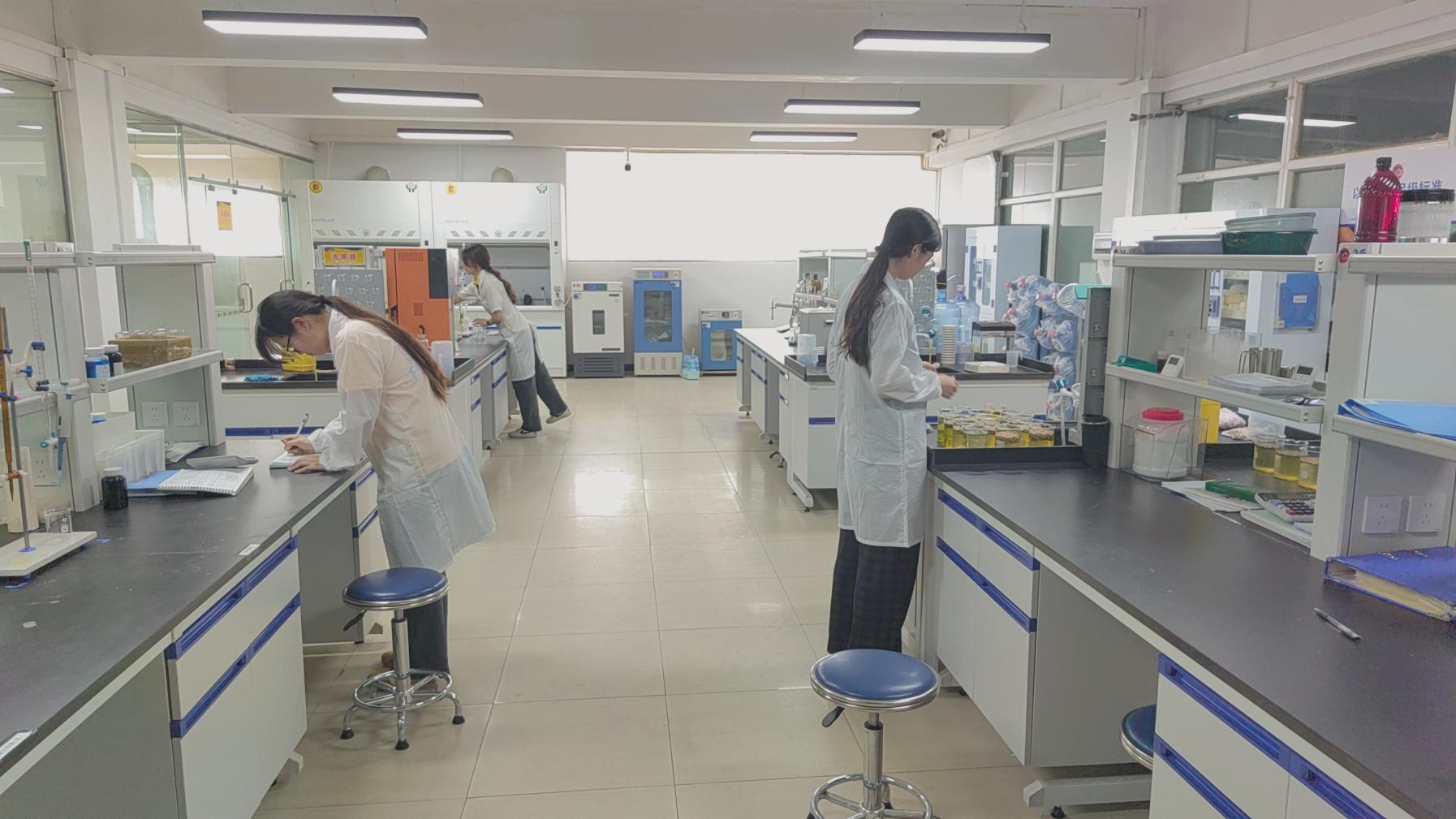
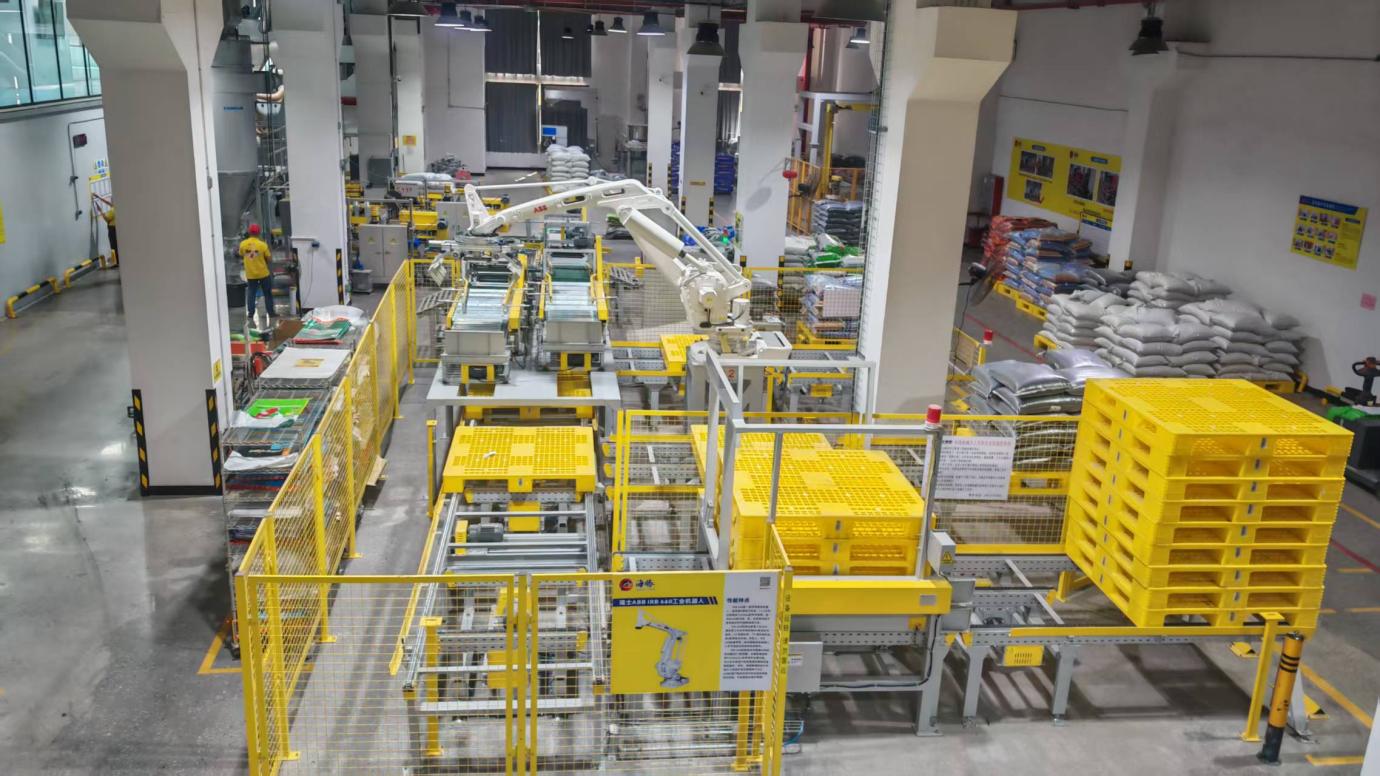

How different vertical markets formulate, process, and apply bulk garlic powder globally.
In North America and Europe, processed food industries utilize garlic powder as a primary ingredient in dry rubs, marinades, and ready-to-eat snack seasonings. Its ability to absorb moisture without clumping makes it a staple for high-speed manufacturing lines.
Modern swine and poultry nutrition utilizes the antibacterial properties of garlic powder (specifically allicin content) to optimize gut flora. This serves as a natural growth promoter, reducing dependency on synthetic antibiotics.
High-potency garlic extract powders are formulated into tablets and softgels targeting cardiovascular health. Dehydrating at low temperatures preserves active compounds, meeting global health standard requirements.
Answers to critical technical questions from industrial spice buyers and quality control specialists.