Akston Health
Akston Health
Akston Health
Explore our high-purity chemical and feed-grade solutions designed for optimal biochemical efficacy and process performance.


An in-depth perspective on market drivers, material science, and strategic value chains of technical and food-grade sodium phosphates.
Sodium phosphate is not a single chemical component but rather a generic term representing a versatile family of sodium-derived salts of phosphoric acid. These compounds encompass Monosodium Phosphate (MSP), Disodium Phosphate (DSP), and Trisodium Phosphate (TSP), alongside various pyrophosphate and polyphosphate structures. On a global scale, these inorganic compounds act as the backbone for various heavy industries, food preservation technology, biotechnology research, and global agricultural feeds.
The global sodium phosphate market value exceeded USD 3.2 billion in 2024, and is projected to expand at a CAGR of 4.8% through 2032. The primary demand drivers include rapid modernization of meat processing systems in Latin America, water treatment and municipal pipeline passivation policies in North America and Western Europe, and high-growth animal nutrition and feed fortification industries in East and South Asia.
Understanding the molecular properties and functional purposes of each sodium phosphate compound is vital for procuring the correct quality tier for target applications. Below is an engineering overview of the primary commercial sodium phosphates:
| Compound Name | Chemical Formula | CAS Registry No. | Primary Technical Function | Target Industries |
|---|---|---|---|---|
| Monosodium Phosphate (MSP) | NaH2PO4 | 7558-80-7 | pH buffering agent, metal cleaning formulations, acidifier | Animal Feed, Food Processing, Metal Finishing |
| Disodium Phosphate (DSP) | Na2HPO4 | 7558-79-4 | Emulsification, moisture control agent, dispersion stabilization | Dairy Processing, Seafood, Water Management |
| Trisodium Phosphate (TSP) | Na3PO4 | 7601-54-9 | Heavy-duty alkaline degreasing, builder, saponification agent | Industrial Cleaners, Boiler Treatment, Painting prep |
| Sodium Acid Pyrophosphate (SAPP) | Na2H2P2O7 | 7758-16-9 | Controlled gas release, leavening speed modification | Industrial Bakery, Seafood Color Preservation |
From an industrial perspective, the production of these salts requires pure thermal phosphoric acid or high-grade wet-process phosphoric acid, reacted with a sodium base like sodium hydroxide (NaOH) or sodium carbonate (Na2CO3). Controlling the crystallization temperature and stoichiometry determines whether anhydrous variants or specific hydrated configurations (e.g., dihydrate, heptahydrate, dodecahydrate) are yielded. Each hydrate modification directly impacts dissolution speed, bulk density, and shelf stability in warehouses.
Analyzing why leading global enterprises prefer integration with Chinese chemical supply chains.
China holds some of the world's most abundant phosphate rock reserves. This ensures raw phosphoric acid price stability, insulating global supply chains from geopolitical disruptions and sudden raw material price shocks.
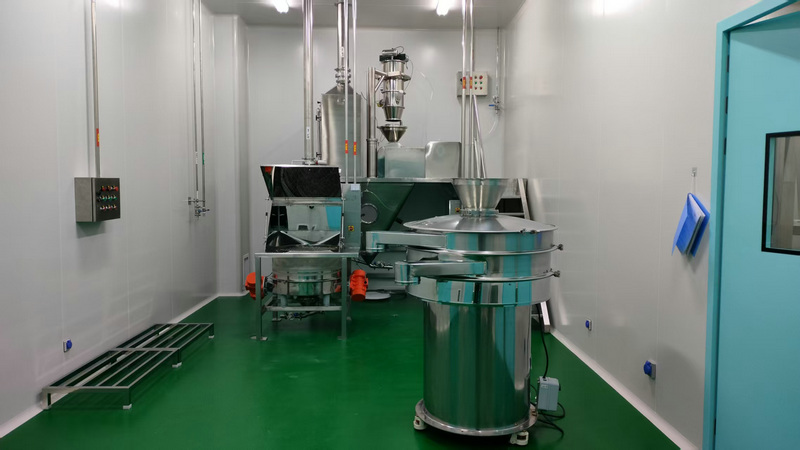
Modern Chinese manufacturing facilities utilize automated continuous neutralization reactors and computerized rotary dryers, ensuring extremely high batch-to-batch consistency and minimizing contamination risks.
With industrial plants linked to deepwater ports like Qingdao, Shanghai, and Tianjin, bulk shipments can be dispatched with minimum transit delays, ensuring rapid turnaround times and lower shipping rates.
For global procurement officers, the competitive advantages of sourcing from Chinese manufacturers go far beyond direct production costs. Real savings are realized through advanced process integration. Many top plants utilize steam heat-exchangers coupled with nearby chemical production lines to run energy-neutral operations. Furthermore, sophisticated water treatment and recycling infrastructures guarantee that production runs comply with strict domestic environmental standards without facing sudden regulatory plant shutdowns.
How sodium phosphates adapt to the requirements of regional and industrial ecosystems.
In the United States and Canada, USDA and Health Canada dictate strict rules on moisture retention and sodium limits in meat processing. Sourcing managers focus on specialized food-grade blends containing Disodium Phosphate (DSP) and Sodium Tripolyphosphate (STPP). These additives modify the ionic strength and pH of meat proteins (actin and myosin), opening up protein structures to retain natural water during thermal processing. The resulting products show improved cook yields, freeze-thaw stability, and juiciness.
European buyers operating under EFSA guidelines require low-heavy-metal impurities (arsenic, lead, and cadmium must remain well below USP/FCC limits). In industrial water remediation, sodium phosphates are utilized as scale preventatives. They react with hard calcium and magnesium ions in industrial boiler systems to form soft, non-adhering sludges that can be blown down easily. They also form protective microscopic polyphosphate films along copper and lead plumbing systems, preventing heavy metal leaching into municipal drinking water networks.
Across major aquaculture regions in Southeast Asia and South America, phosphorus supplements like Monocalcium Phosphate and Monosodium Phosphate are essential additions to high-density aquaculture feeds. Marine organisms have highly specific digestible phosphorus needs for skeletal development, exoskeleton mineralization in shrimp, and cellular energy transfer (ADP/ATP). Feed-grade phosphates must guarantee high bio-availability and minimum dust index to avoid ocean eutrophication caused by excess run-off nutrient waste.
A trusted manufacturer and global supplier dedicated to delivering innovative health and nutrition solutions for the animal feed and chemical industries.
Qingdao Akston Health Co., Ltd. is a trusted manufacturer and global supplier dedicated to delivering innovative health and nutrition solutions for the animal feed industry. With a strong commitment to quality, sustainability, and continuous innovation, we provide high-performance feed additives and nutritional ingredients that support healthier livestock, improved productivity, and safer food production worldwide.
Our comprehensive product portfolio includes choline chloride, amino acids, vitamins, minerals, and other functional feed additives designed to meet the nutritional requirements of poultry, swine, ruminants, aquaculture, and companion animals. Our science-based formulations help optimize animal growth, enhance immune function, improve feed efficiency, and contribute to reducing the reliance on antibiotics in modern livestock production.
At Akston Health, quality is the foundation of everything we do. We work closely with qualified manufacturing partners and implement strict quality control systems throughout sourcing, production, and logistics to ensure every product meets international standards. Our experienced technical team also provides customized solutions and professional support to help customers achieve better production performance and sustainable business growth.
Driven by integrity, innovation, and customer satisfaction, Qingdao Akston Health Co., Ltd. has established long-term partnerships with clients across Asia, Europe, the Middle East, Africa, and the Americas. We are committed to creating lasting value through reliable products, competitive pricing, efficient supply chain management, and responsive customer service.
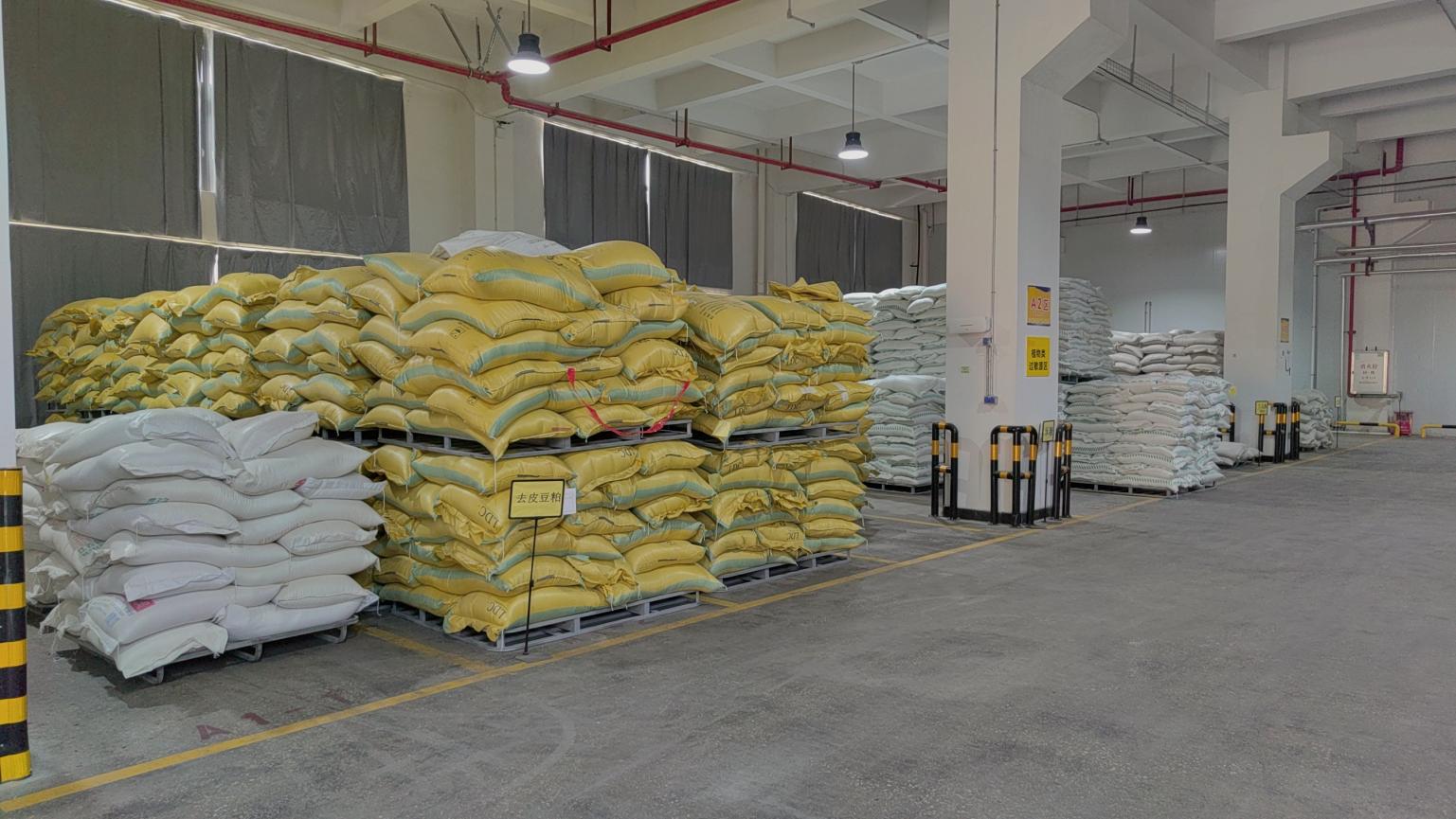
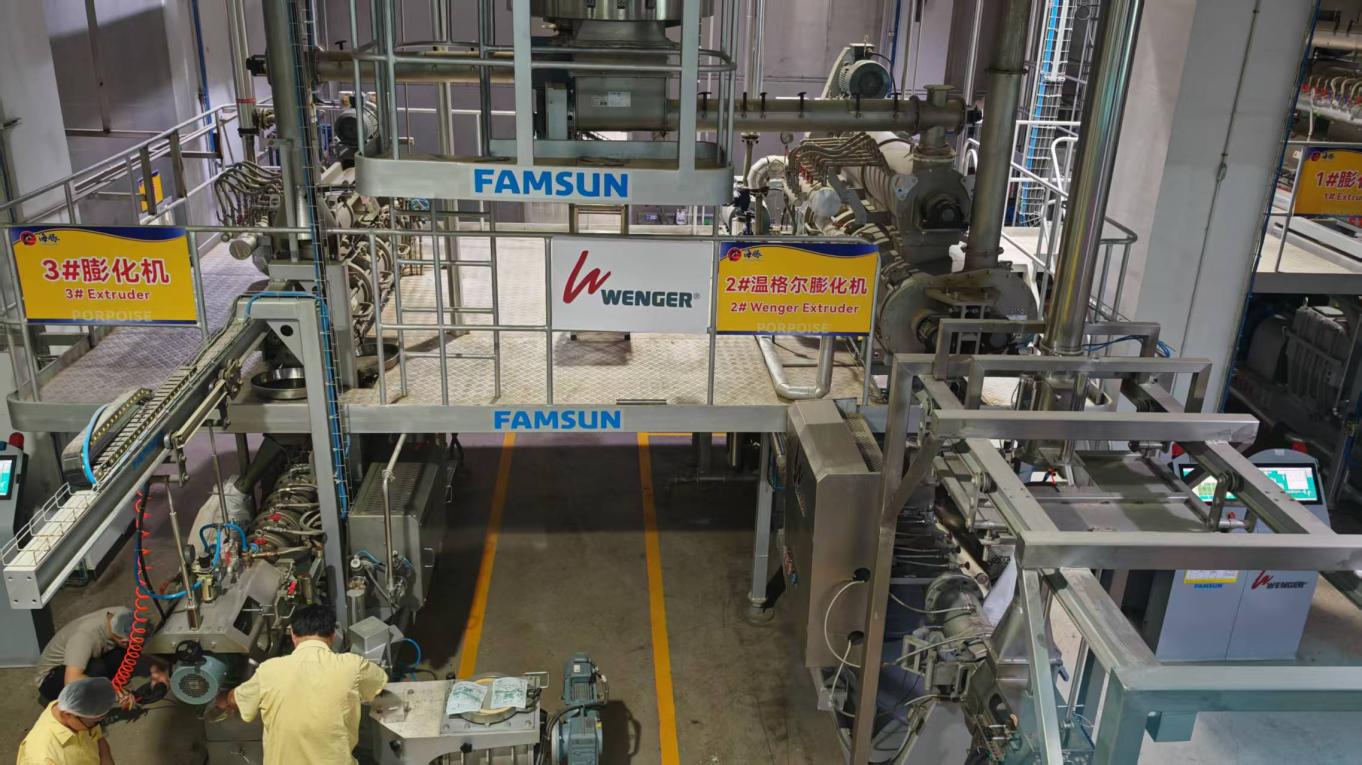
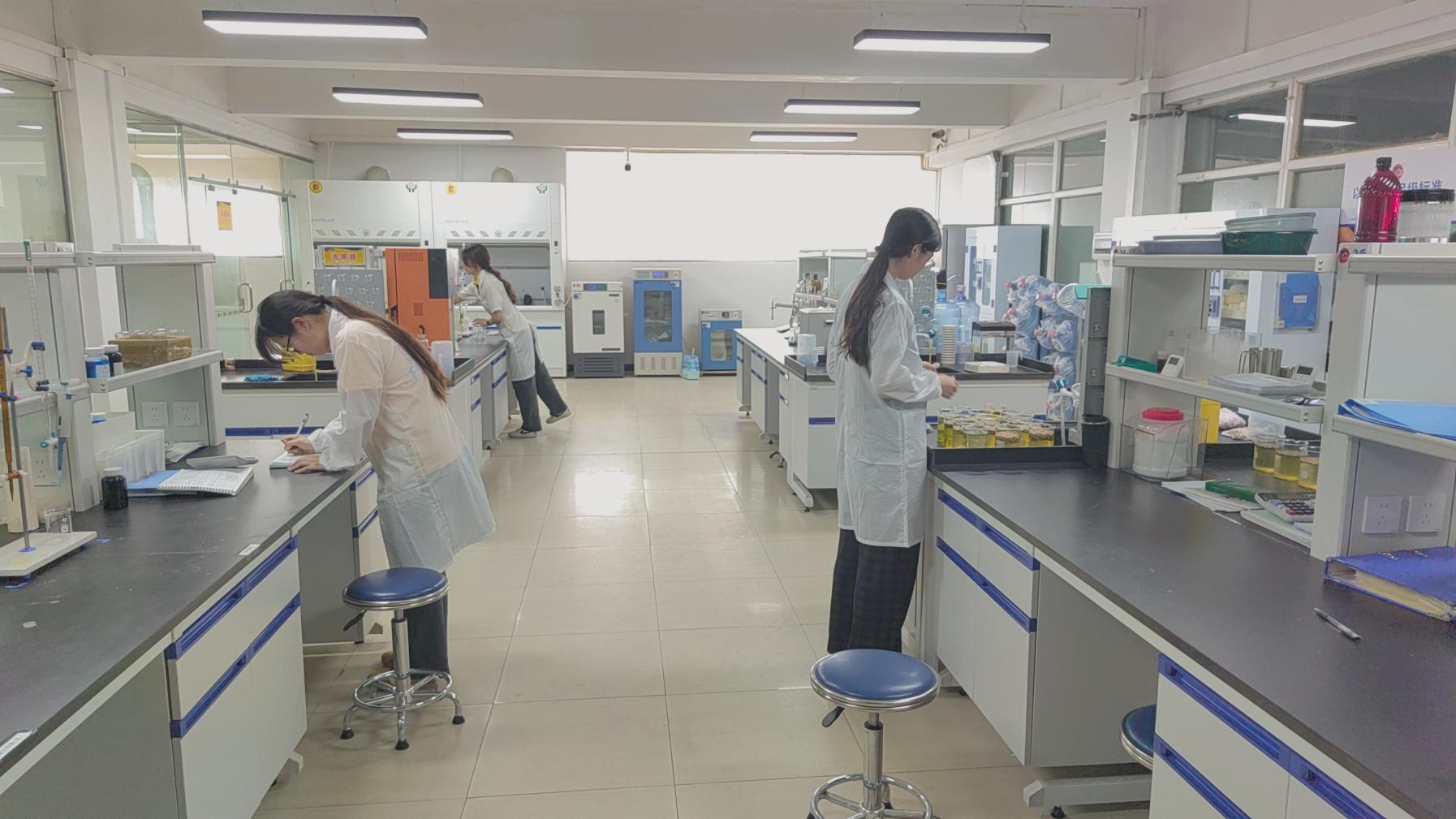
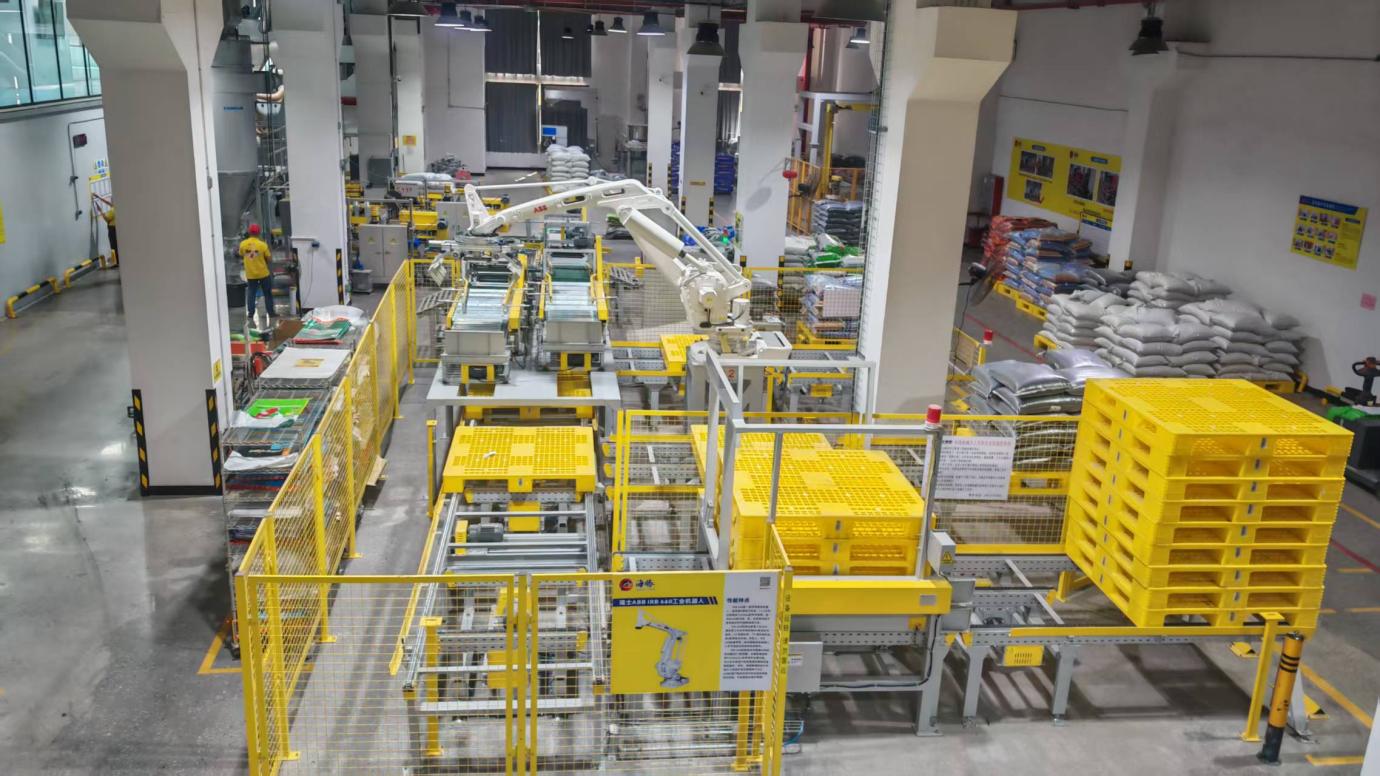
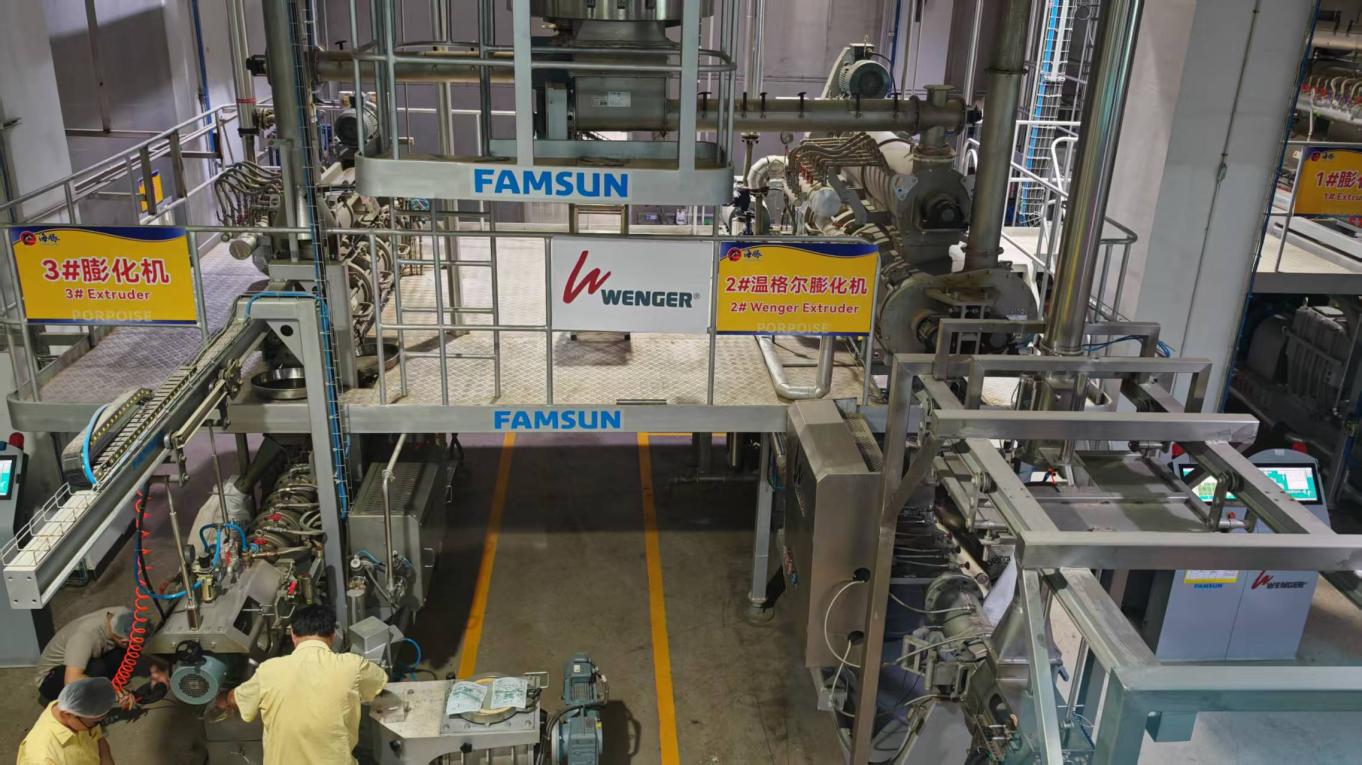
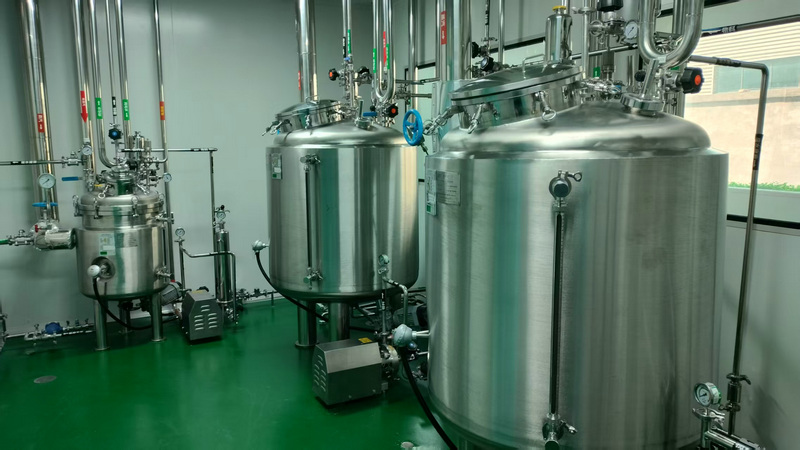
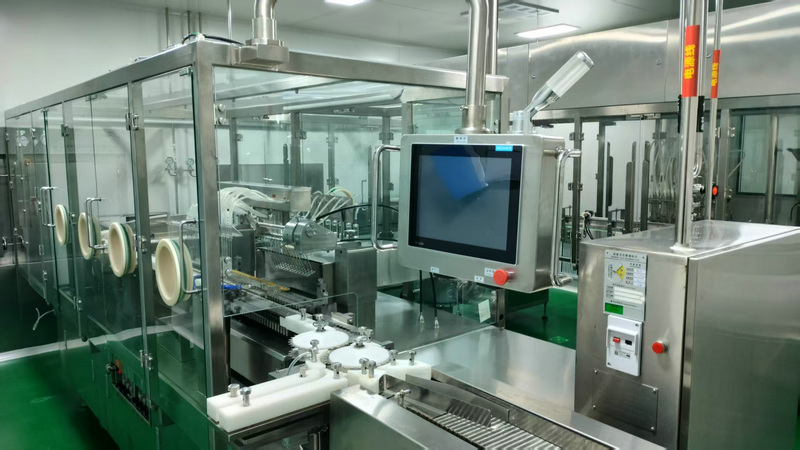
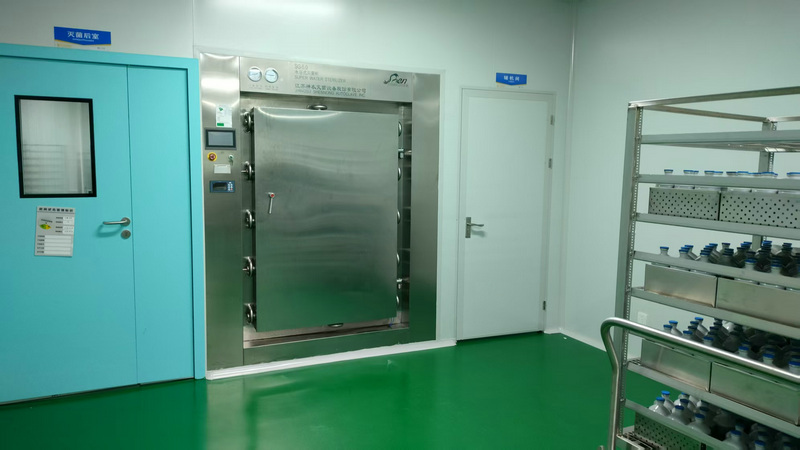
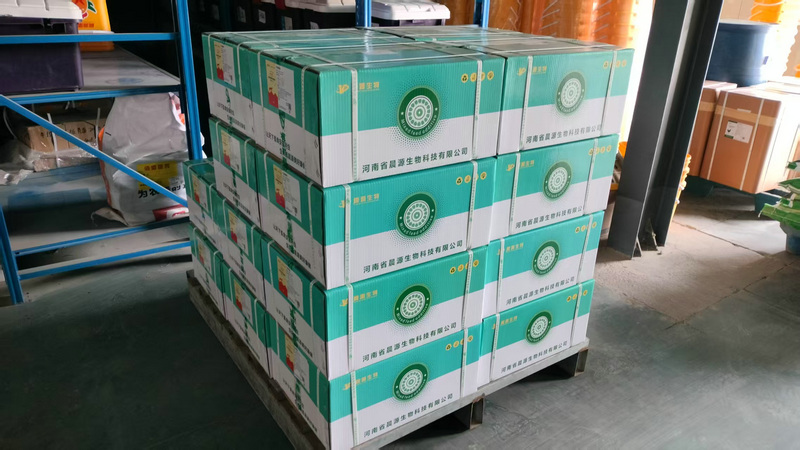
Our state-of-the-art facility uses computerized production lines and automated storage facilities to eliminate microbial contamination risks and ensure batch consistency.

Strategic guidelines developed by our global quality assurance and chemical procurement team.
Sourcing commercial phosphates involves evaluating multiple critical product properties beyond basic cost per metric ton. Buying teams should prioritize the following steps when auditing a new manufacturer:
Insights into the next generation of phosphate synthesis and environmental regulations.
The phosphate sector is undergoing a major transition toward carbon neutrality and zero-emission operations. Driven by updated ESG policies in major markets, key manufacturers are adopting wet-process phosphoric acid purification setups that generate significantly lower levels of carbon byproducts compared to legacy thermal processing lines.
At the same time, food science researchers are focusing on synergistic phosphate blends that reduce total sodium consumption without sacrificing food preservation efficiency. Selecting manufacturers with in-house R&D teams allows sourcing departments to create customized formulas tailored to local market requirements.
Quick access to expert industrial, chemical, and logistics answers for sodium phosphate procurement.
Access high-purity processing ingredients and premium compounds designed for global manufacturing and agricultural applications.