Akston Health
Akston Health
Akston Health
Premium biological feed additives, functional minerals, and amino acid products designed to meet strict international supply standards.
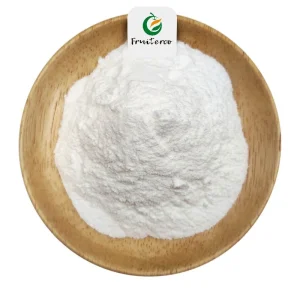
Calcium citrate [Ca₃(C₆H₅O₇)₂] has long been recognized as a gold-standard chemical compound in the nutritional, pharmaceutical, and livestock industries. Synthesized through the precise neutralization of citric acid with high-purity calcium hydroxide or calcium carbonate sources, this organic salt delivers exceptional bioavailability. Unlike inorganic calcium sources, such as calcium carbonate, calcium citrate does not rely on stomach acidity for dissolution and absorption. This makes it the preferred calcium source for infants, older adults, and animals with sensitive digestive tracts.
Today's global marketplace demands more than generic chemical production. As global supply dynamics evolve, leading procurement departments increasingly rely on OEM/ODM Calcium Citrate Factories that offer custom physical specifications, clean-label profiles, and absolute chemical traceability. Choosing a specialized manufacturing partner is critical for organizations seeking to optimize formulation performance in tablets, premixes, beverages, and fortified feeds.
Calcium citrate contains approximately 21% elemental calcium by weight. Although lower in absolute calcium concentration than calcium carbonate (approx. 40%), its fractional absorption rate is up to 2.5 times higher in low-acid environments. This dramatically reduces the dosage required to achieve equivalent biological effects, minimizing side effects such as bloating and kidney mineralization.
Corporate procurement strategies for calcium citrate are undergoing a paradigm shift. Buyers are moving away from spot-market trading toward long-term ODM (Original Design Manufacturer) and OEM (Original Equipment Manufacturer) partnerships. Key market drivers include:
Standard calcium citrate presents handling challenges due to low flowability and dusting. OEM factories now offer custom particle sizing—from ultra-fine micronized powders (under 10 microns) for smooth beverage suspensions to free-flowing granular grades for tableting compression.
Heavy metal limits (Lead < 0.5 ppm, Arsenic < 1 ppm, Cadmium < 0.5 ppm) are strictly enforced in both EU and North American jurisdictions. Responsive ODM factories deploy advanced purification steps to consistently surpass USP, EP, and FCC monograph criteria.
Our state-of-the-art facility bridges the gap between raw chemical output and high-performance nutritional delivery.
Explore our highly automated production plant. From clean raw material handling to AI-driven final packaging, Akston Health ensures absolute batch-to-batch consistency.
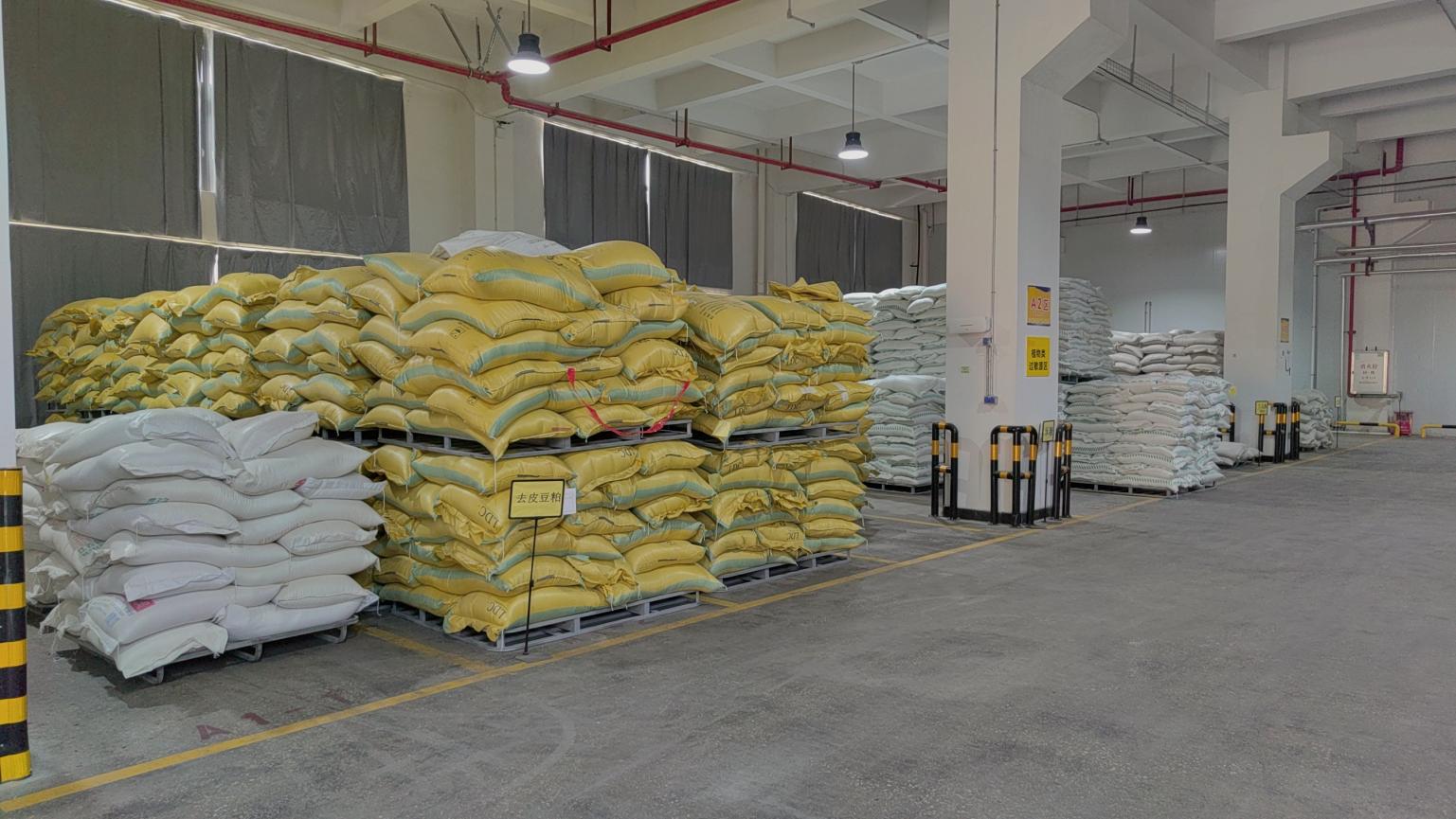
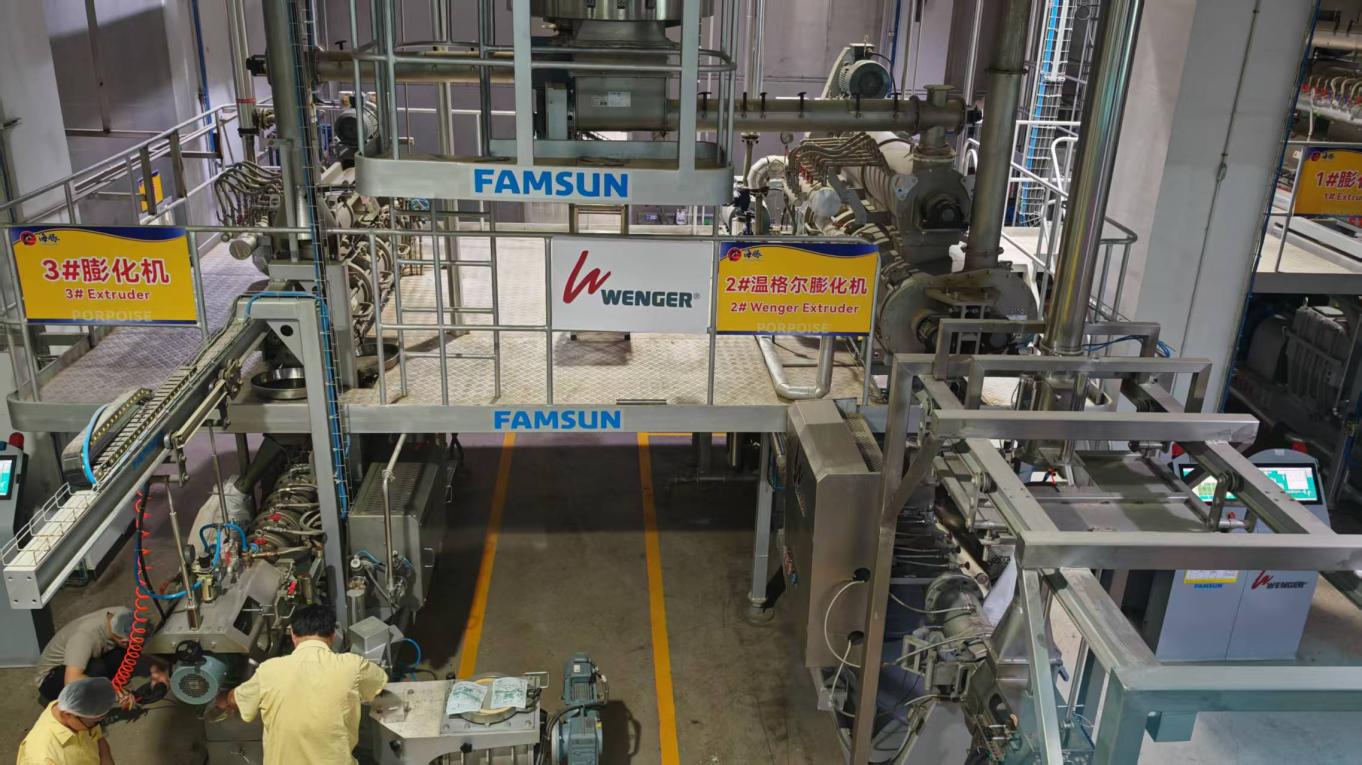
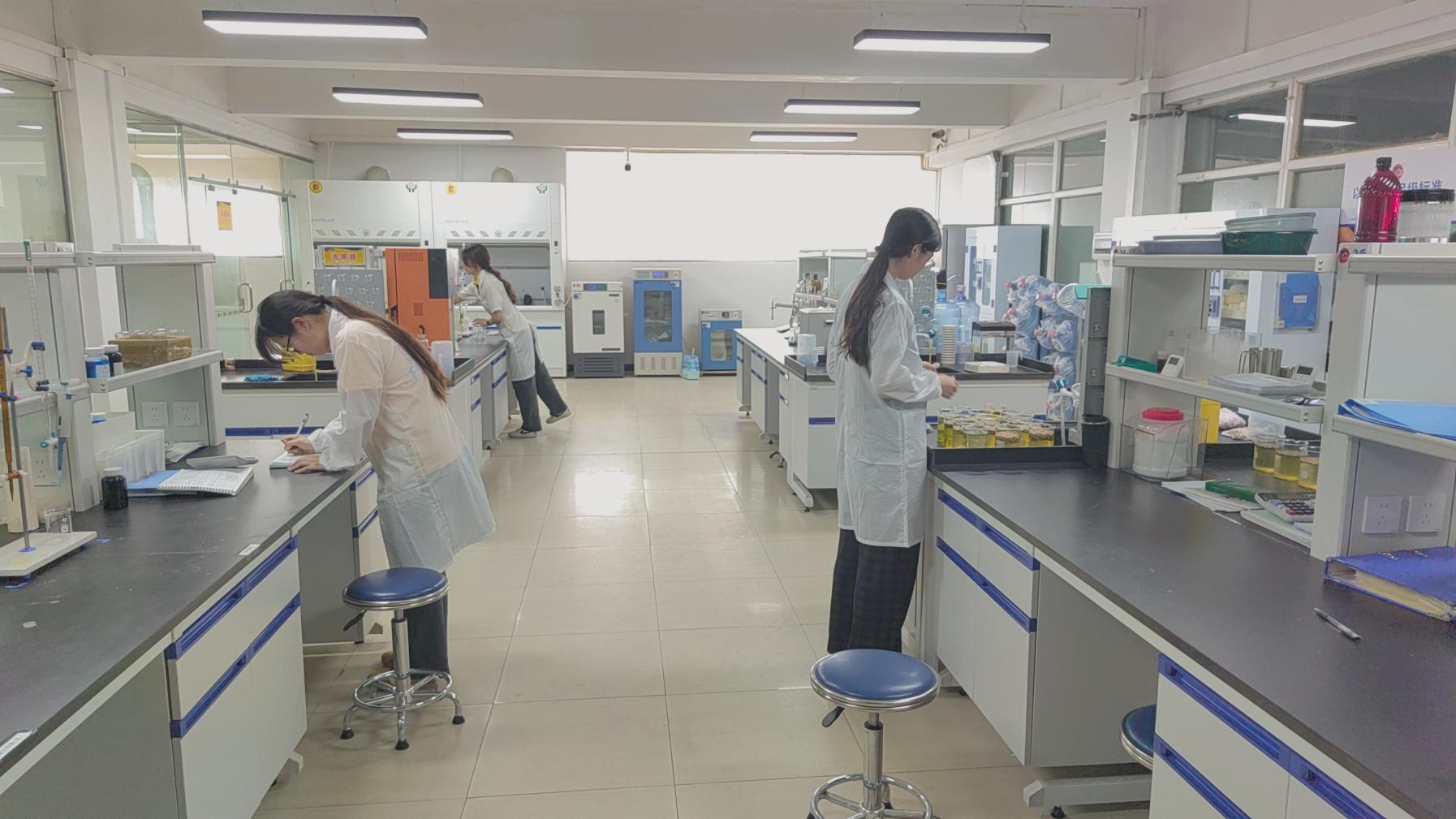
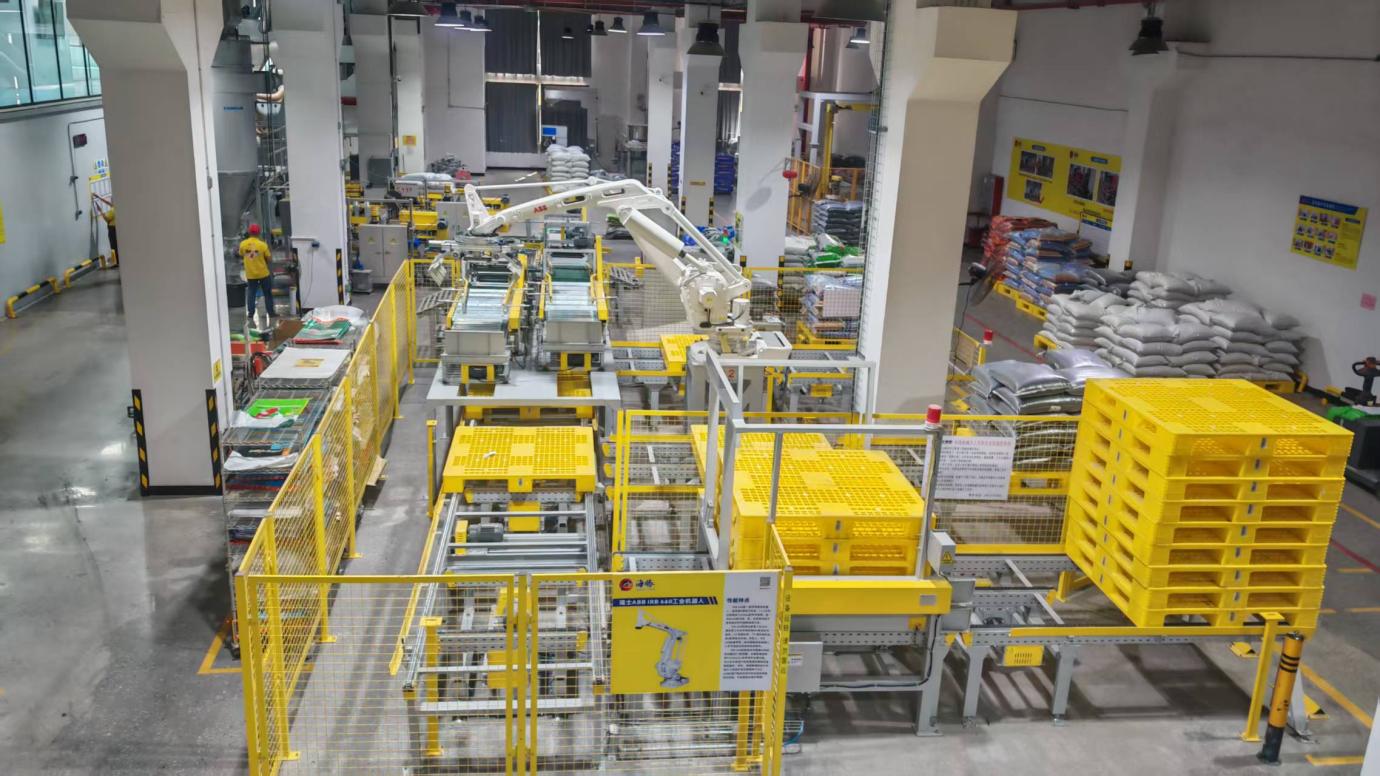

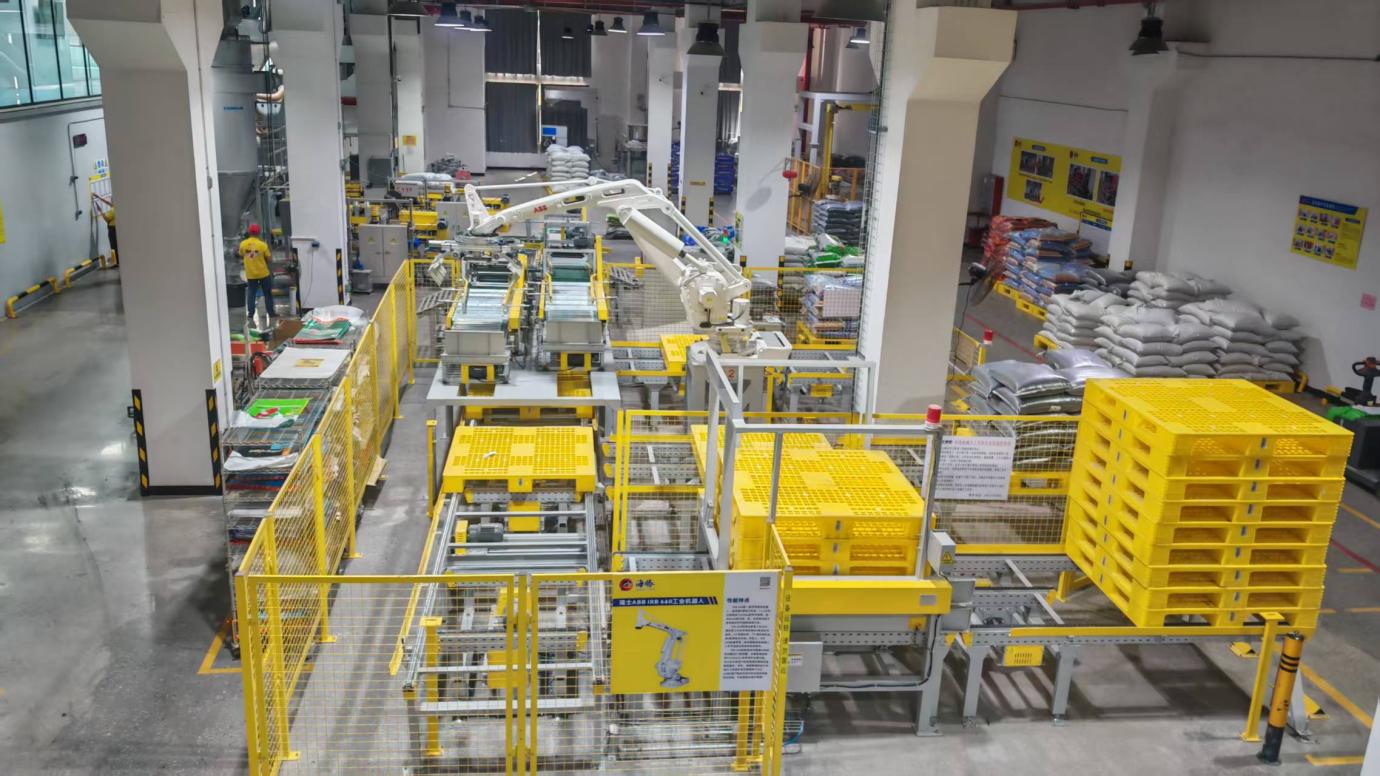
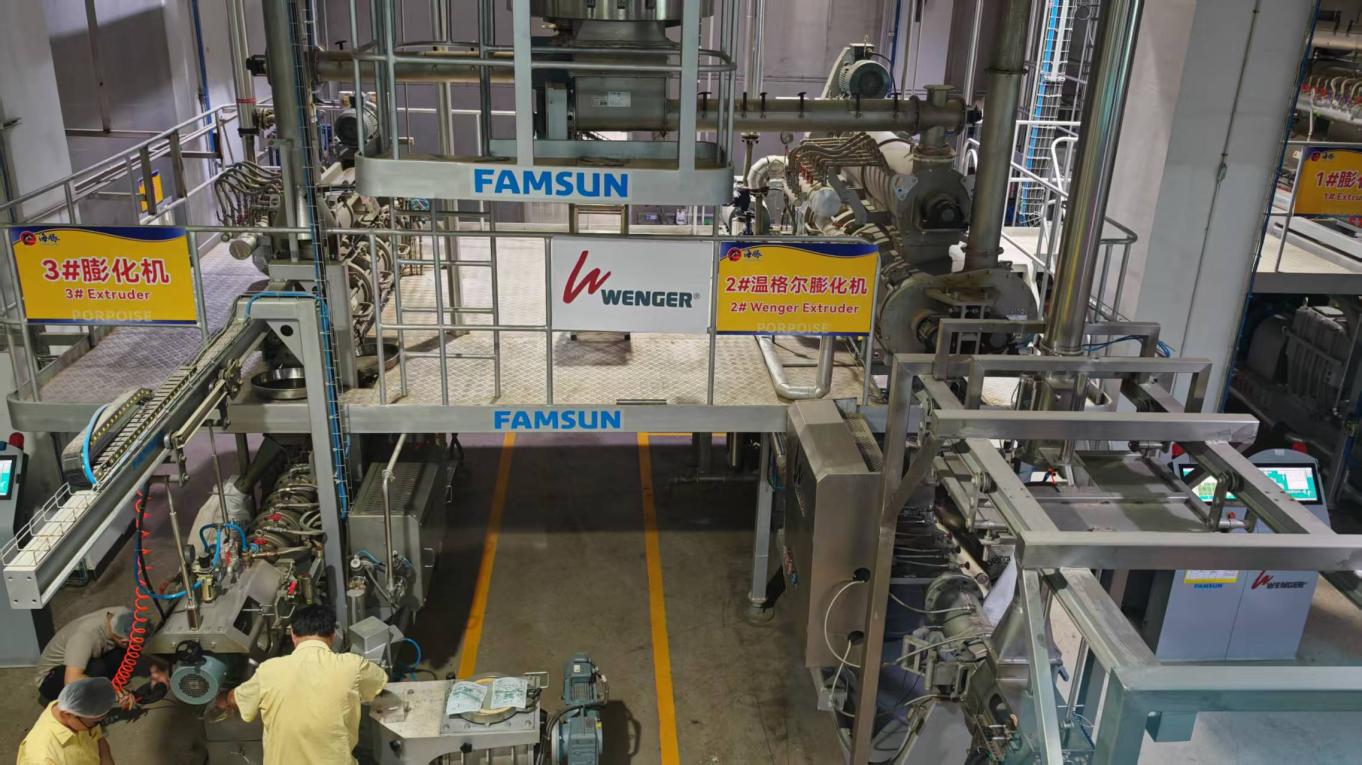
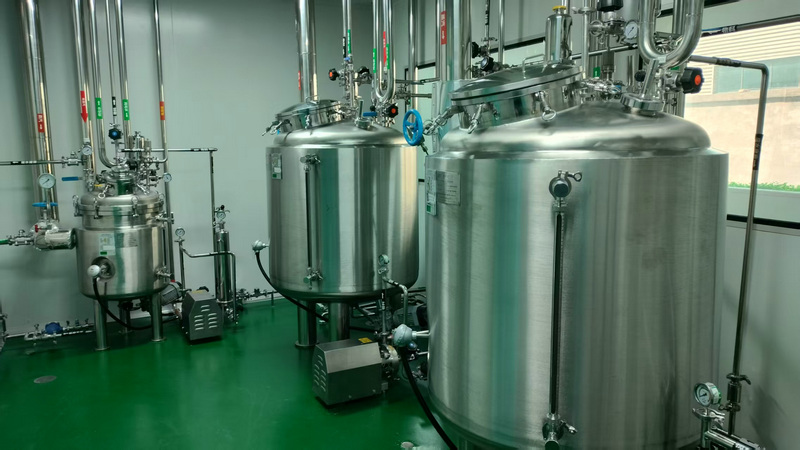
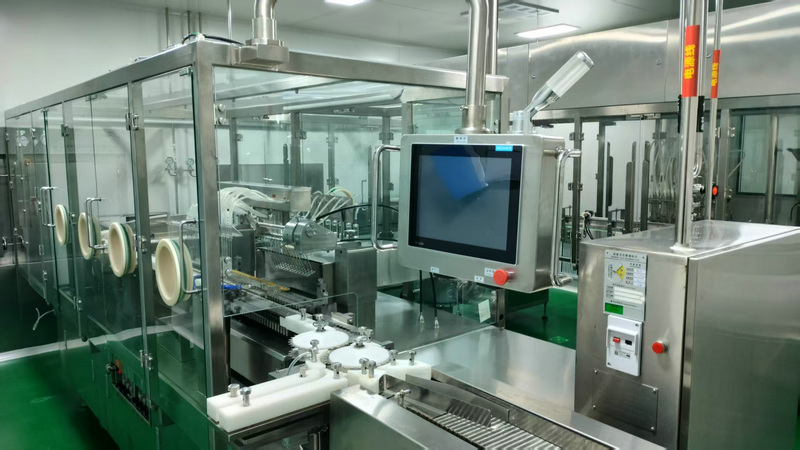
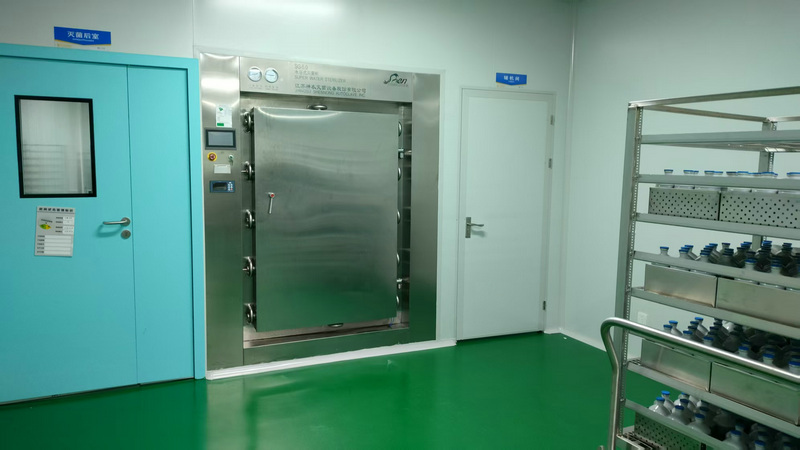
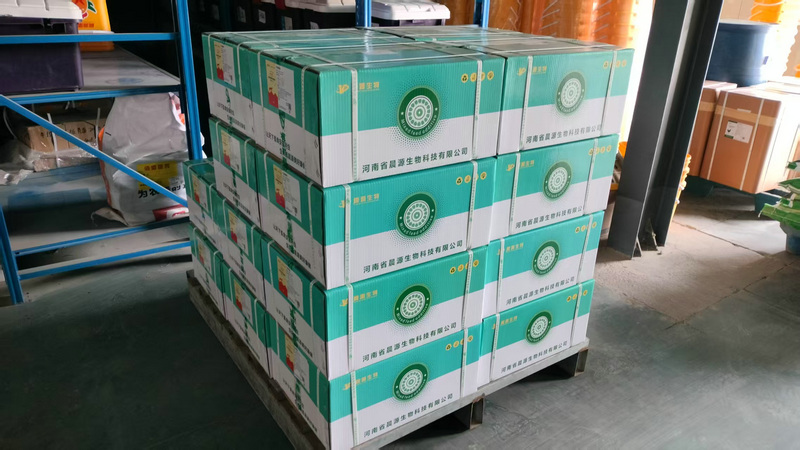
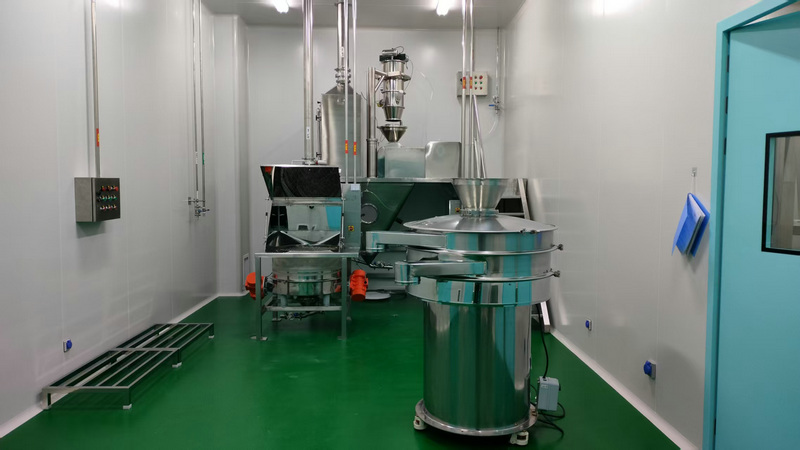
We customize physical characteristics, bulk density, and chemical purity indexes to match your exact application goals.
| Parameter Name | USP / FCC Standard Grade | Micronized Fine Powder Grade | Granular DC Grade (Direct Comp) |
|---|---|---|---|
| Elemental Calcium Assay | 20.5% – 22.0% | 20.6% – 21.8% | 20.5% – 22.0% |
| Particle Size (PSD) | 90% through 100 mesh | D50 < 10 microns (325 mesh) | 20 mesh to 80 mesh (Free Flow) |
| Loss on Drying (LOD) | 10.0% – 13.3% | < 12.0% | 10.0% – 13.0% |
| Bulk Density (Tapped) | 0.60 – 0.85 g/mL | 0.30 – 0.45 g/mL | 0.80 – 0.95 g/mL |
| Heavy Metals (Pb, As) | Pb < 1.0 ppm | As < 1.0 ppm | Pb < 0.5 ppm | As < 0.5 ppm | Pb < 1.0 ppm | As < 1.0 ppm |
| Lead (Pharma Grade Limit) | < 0.5 ppm | < 0.1 ppm (Custom) | < 0.5 ppm |
Qingdao Akston Health Co., Ltd. is a trusted manufacturer and global supplier dedicated to delivering innovative health and nutrition solutions for the animal feed and mineral fortification industries. With a strong commitment to quality, sustainability, and continuous innovation, we provide high-performance feed additives, minerals, and nutritional ingredients that support healthier livestock, improved productivity, and safer food production worldwide.
Our comprehensive product portfolio includes choline chloride, amino acids, vitamins, minerals (including high-absorption Calcium Citrate and Monocalcium Phosphate), and other functional feed additives designed to meet the nutritional requirements of poultry, swine, ruminants, aquaculture, and companion animals. Our science-based formulations help optimize animal growth, enhance immune function, improve feed efficiency, and contribute to reducing the reliance on antibiotics in modern livestock production.
At Akston Health, quality is the foundation of everything we do. We work closely with qualified manufacturing partners and implement strict quality control systems throughout sourcing, production, and logistics to ensure every product meets international standards. Our experienced technical team also provides customized solutions and professional support to help customers achieve better production performance and sustainable business growth.
Driven by integrity, innovation, and customer satisfaction, Qingdao Akston Health Co., Ltd. has established long-term partnerships with clients across Asia, Europe, the Middle East, Africa, and the Americas. We are committed to creating lasting value through reliable products, competitive pricing, efficient supply chain management, and responsive customer service.
Depending on geographical location, target species, or food delivery matrix, Calcium Citrate has unique formulation challenges. Our OEM/ODM setup solves these pain points at the source:
In oat milk, almond milk, and soy beverages, standard calcium compounds precipitate quickly, leaving a gritty residue at the bottom. By utilizing our **Micronized D50 < 8-micron Calcium Citrate**, beverage manufacturers achieve stable colloidal suspensions without resorting to high-level stabilizer hydrocolloids. This aligns perfectly with clean-label, vegan-friendly consumer trends.
Many pharmaceutical contract manufacturing organizations (CMOs) experience machine jamming or low tablet hardness when tableting calcium. Our **Granular DC (Direct Compression) Calcium Citrate** is co-processed with natural binders or tailored to have high compressibility. This enables high-speed tableting without capping, fracturing, or requiring high-percentage excipient dilution.
In intensive animal husbandry, calcium bio-availability directly affects shell thickness in layers and bone integrity in broilers and pigs. Standard limestone is poorly digested. Using Akston Health's bio-grade calcium citrate in premixes ensures maximum assimilation, reduced urinary output, and improved pellet integrity (compatible with binders like TTX Mycotoxin Binder).
Infants require strict mineral controls. Heavy metal limitations must be meticulously managed. Our dedicated infant-grade line operates under pharma-equivalent sterile conditions, ensuring zero microbial growth (Absence of Salmonella, Cronobacter sakazakii) and ultra-low lead/arsenic content.
Essential information for B2B buyers, technical directors, and compliance teams regarding Calcium Citrate procurement.
Broaden your raw material sourcing with our fully-inspected chemical, mineral, and amino acid lines.