Akston Health
Akston Health
Akston Health
Providing industrial-grade trace minerals, organic complexes, biological feeds, and specialty food supplements.
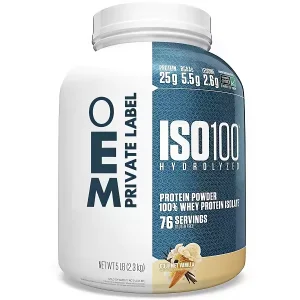
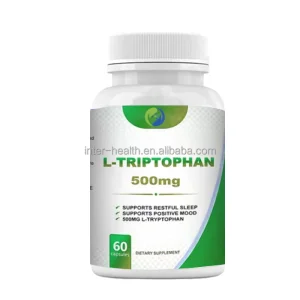
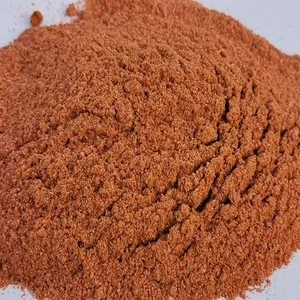
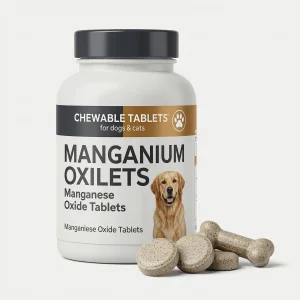
Qingdao Akston Health Co., Ltd. stands at the forefront of biochemical processing and nutritional supply chain innovation. We are a trusted manufacturer and global supplier dedicated to delivering innovative health, chemical, and nutritional solutions. By integrating state-of-the-art agricultural processing, raw mineral fortification, and advanced milling technologies, we serve high-demand food, beverage, and feed production lines across the globe.
With a foundation deeply rooted in quality assurance, food-grade safety certifications, and process sustainability, our facility is engineered to handle complex processing tasks. From precise micronutrient blending to clean-label plant protein isolates and complex plant extracts, Akston Health remains an essential backbone for international buyers requiring strict compliance and continuous reliability.
Cocoa is no longer just a confectionery ingredient; it is a key driver in functional foods, sports nutrition, dairy alternatives, and nutraceutical-grade dietary matrices. Achieving the right fat ratio (10-12% vs. 20-22%), optimal pH profiling through meticulous alkalization, and micro-particle size (D90 < 75 microns) defines the sensory and structural properties of the final product. A reliable OEM partner ensures compatibility with modern processing machinery and consistent taste profiles.
Understanding the chemistry, mechanics, and material science behind premium customized cocoa solutions.
We manipulate cocoa cake pH levels from natural acidity (pH 5.2–5.8) to customized alkalized states (pH 6.8–8.2). Using food-grade alkali agents, our controlled steam reaction chambers alter the cocoa solids’ tannin and acid profiles. This process reduces bitterness, deepens coloration from light amber to deep black, and enhances dispersibility in liquid phases.
Depending on application requirements, we manage fat extraction through high-pressure hydraulic pressing. We offer low-fat (10-12%) powders suitable for standard bakery products and high-protein sports beverages, as well as premium high-fat (20-22%) powders designed to enrich mouthfeel, texture, and flavor profiles in high-end chocolate products.
Our micronizing mills utilize advanced air-classifier systems to achieve ultra-fine particle size distribution. By maintaining a D90 value below 75 microns (passing through 200 mesh), we prevent sedimentation issues in ready-to-drink (RTD) dairy products and plant milks, ensuring a smooth, grit-free sensory experience for consumers.
The next generation of cocoa powder focuses on preserving naturally occurring cacao polyphenols and flavanols while maintaining pH consistency. Our research division is developing low-temperature milling processes and mild steam pasteurization routes to minimize thermal degradation, ensuring maximum antioxidant retention for healthy functional foods.
Providing customized ingredient parameters across key global manufacturing sectors.
In mass-scale bakery processing, the cocoa powder must interact predictably with leavening agents (such as sodium bicarbonate). Our natural cocoa powders, with their native acidity, trigger carbon dioxide release in baking doughs to optimize crumb structure. For biscuit formulations, our heavily alkalized dark cocoa provides the signature color without imparting harsh burnt notes.
Cocoa particles are naturally hydrophobic. To overcome this, our processing incorporates lecithinization and surface-active modifications. This allows instant dispersibility in cold liquids. We calibrate viscosity parameters to ensure that cocoa solids remain in suspension throughout the product's shelf life, preventing bottom sediment formation.
High-performance supplements demand clean-label raw materials. Our cocoa powders act as natural flavor systems that mask the bitter aftertastes of pea proteins, whey isolates, L-arginine, and amino acid complexes. With low heavy-metal limits and guaranteed microbiological safety, our powders satisfy strict nutritional standards.
Leveraging Akston Health's extensive background in feed formulation, we provide defatted, customized cocoa processing by-products for feed and pet treats. These products undergo strict process monitoring to ensure standard caffeine and theobromine concentrations remain safe for targeted animal consumption while providing natural antioxidant benefits.
Take a look inside Akston Health's advanced manufacturing capabilities, highlighting our automated processes and strict quality control protocols.
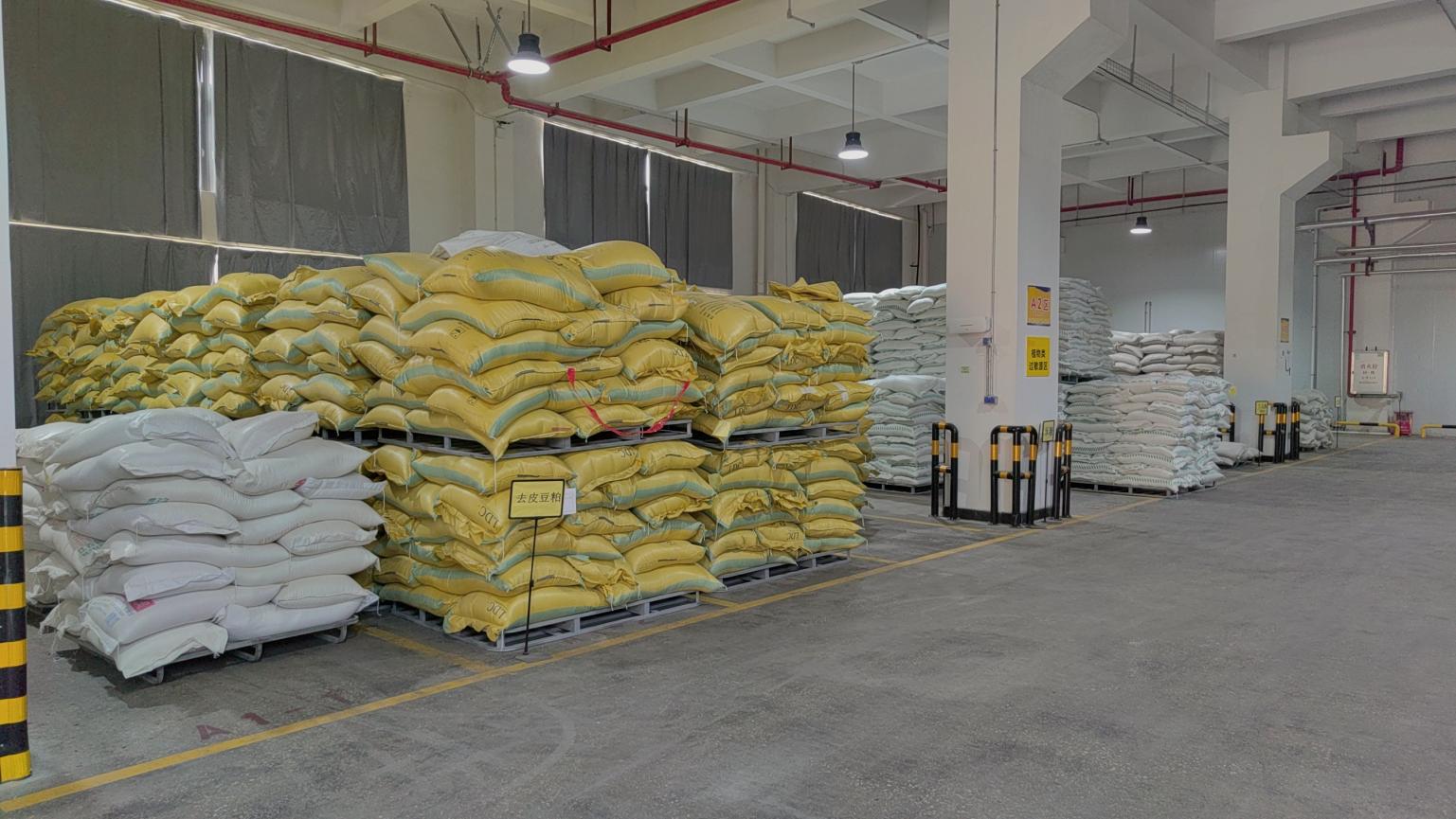
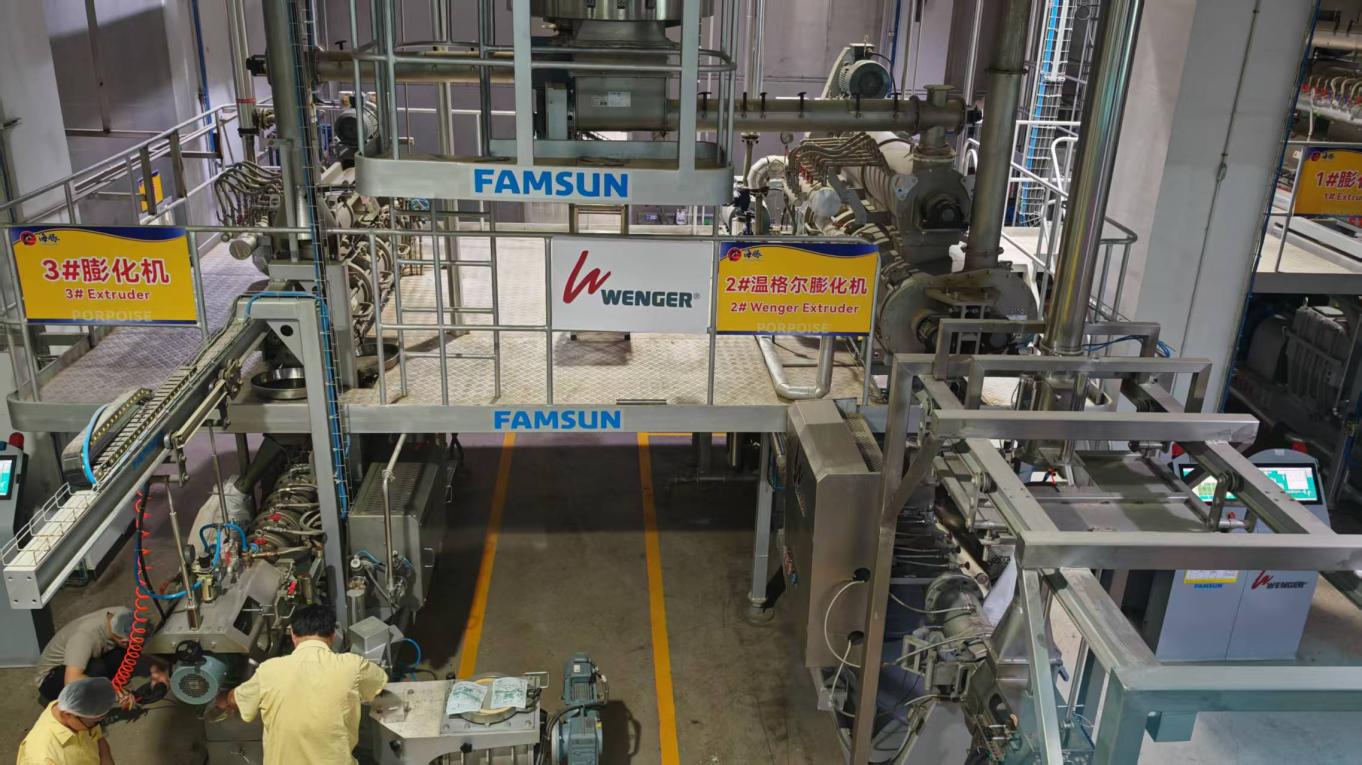
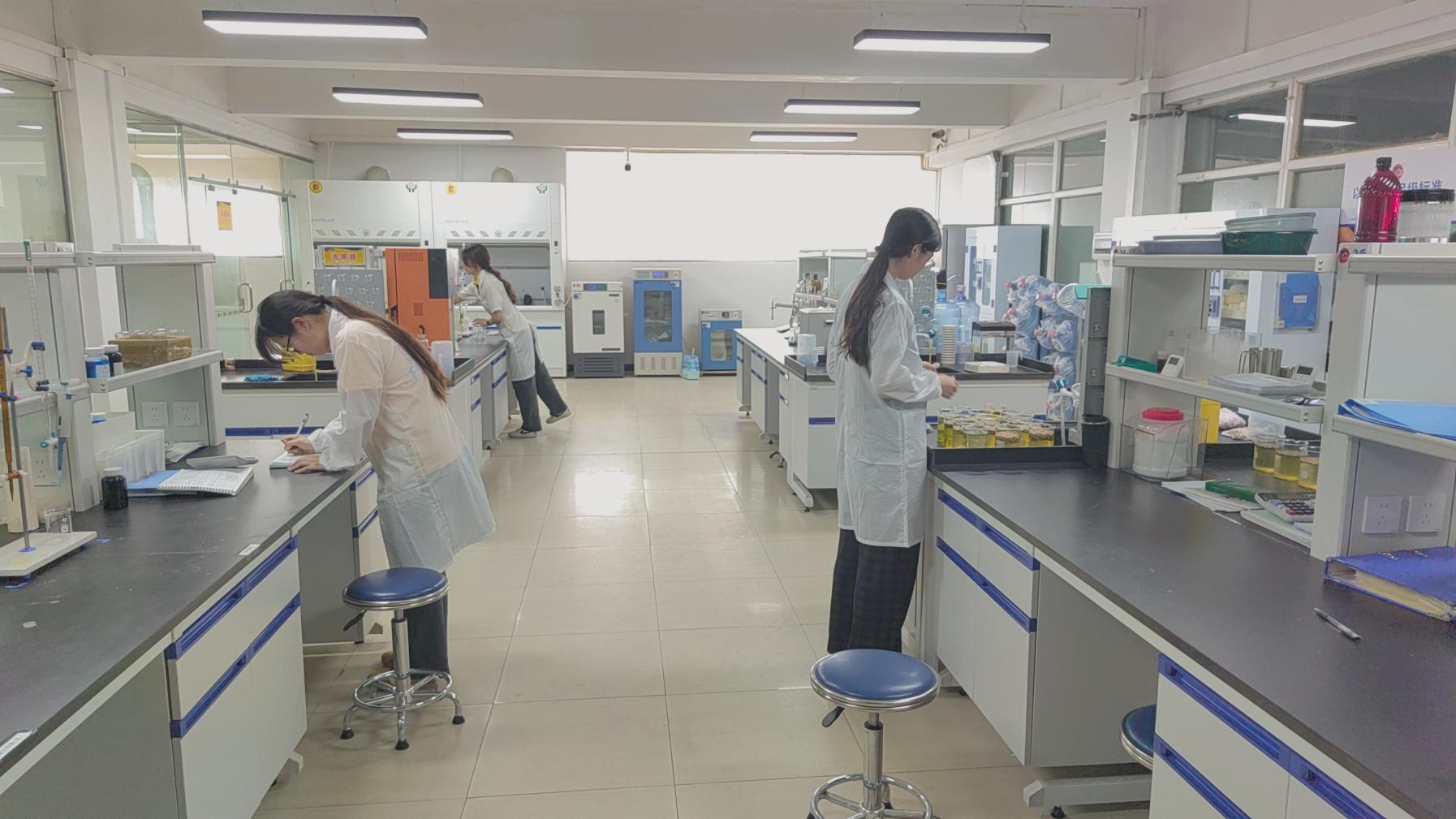
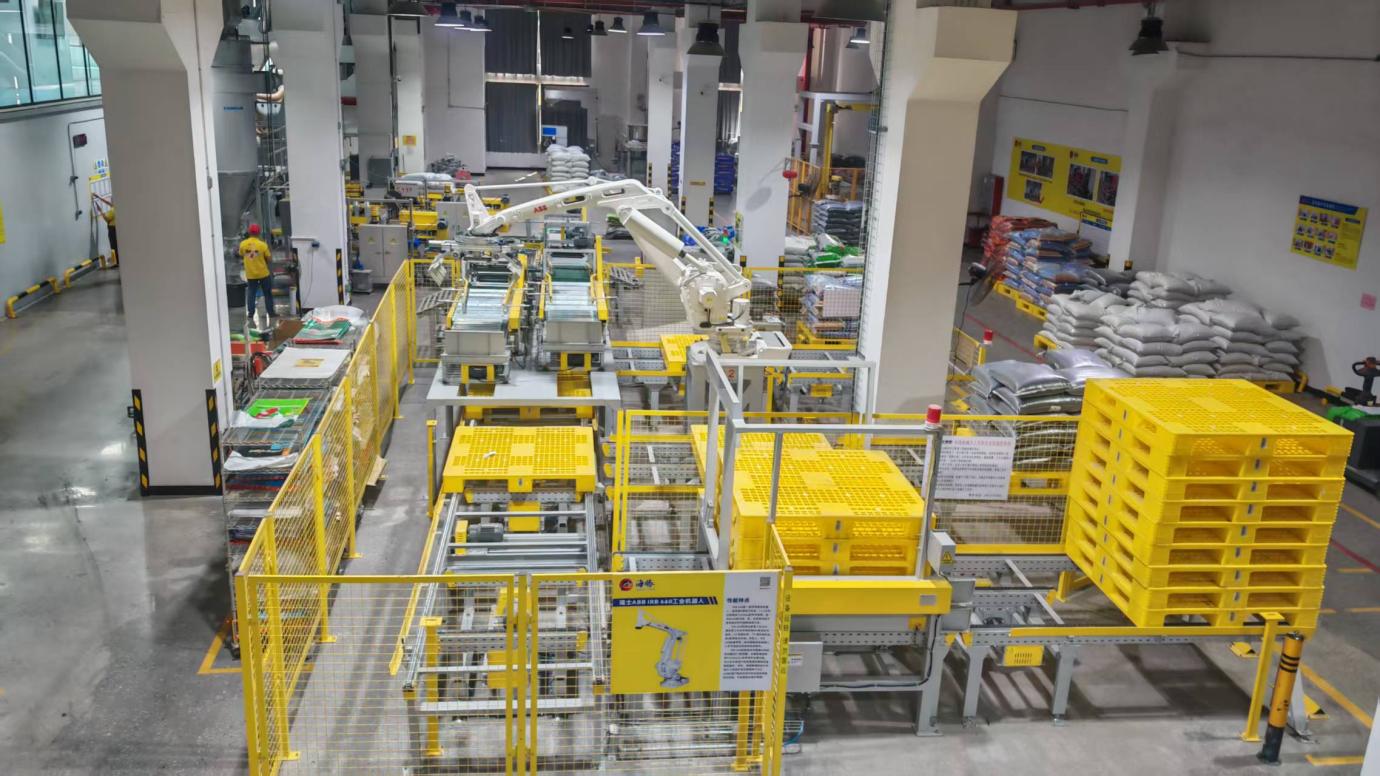

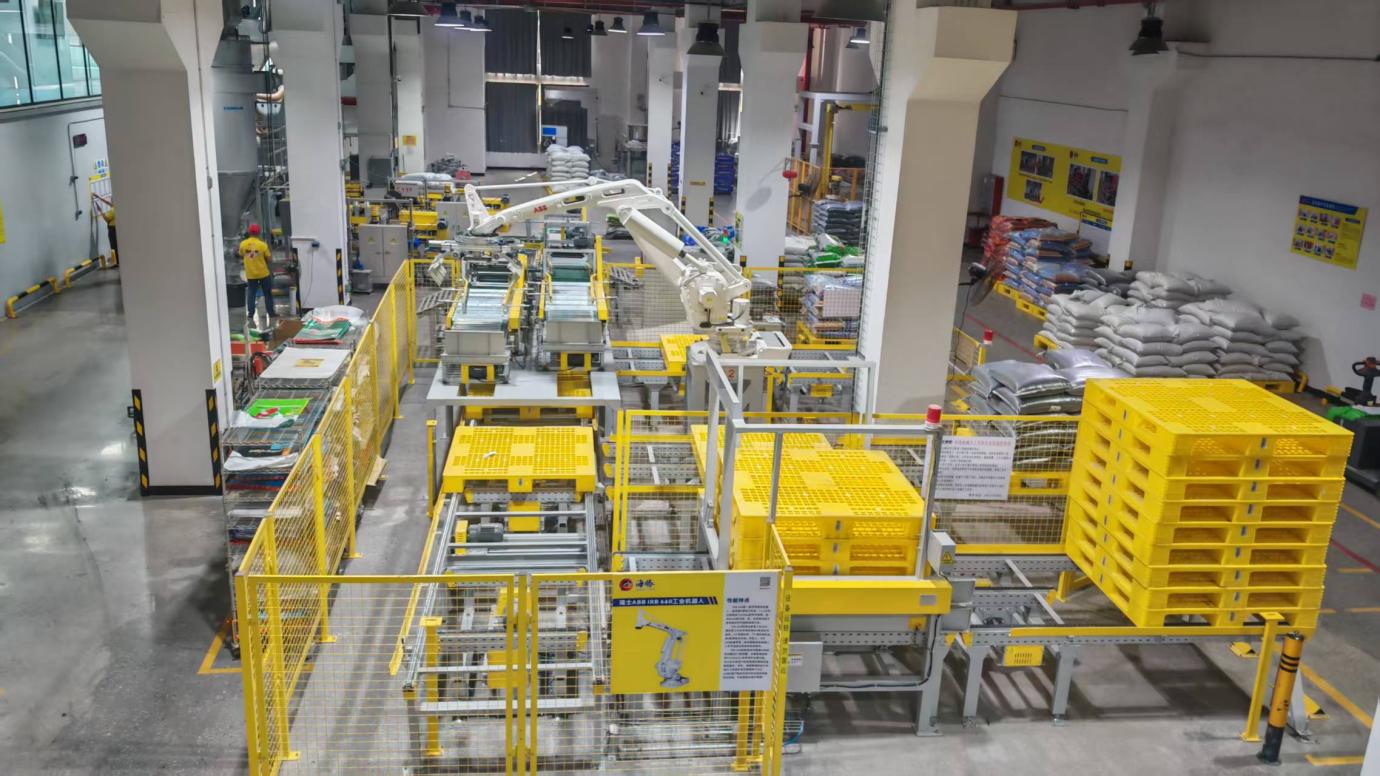
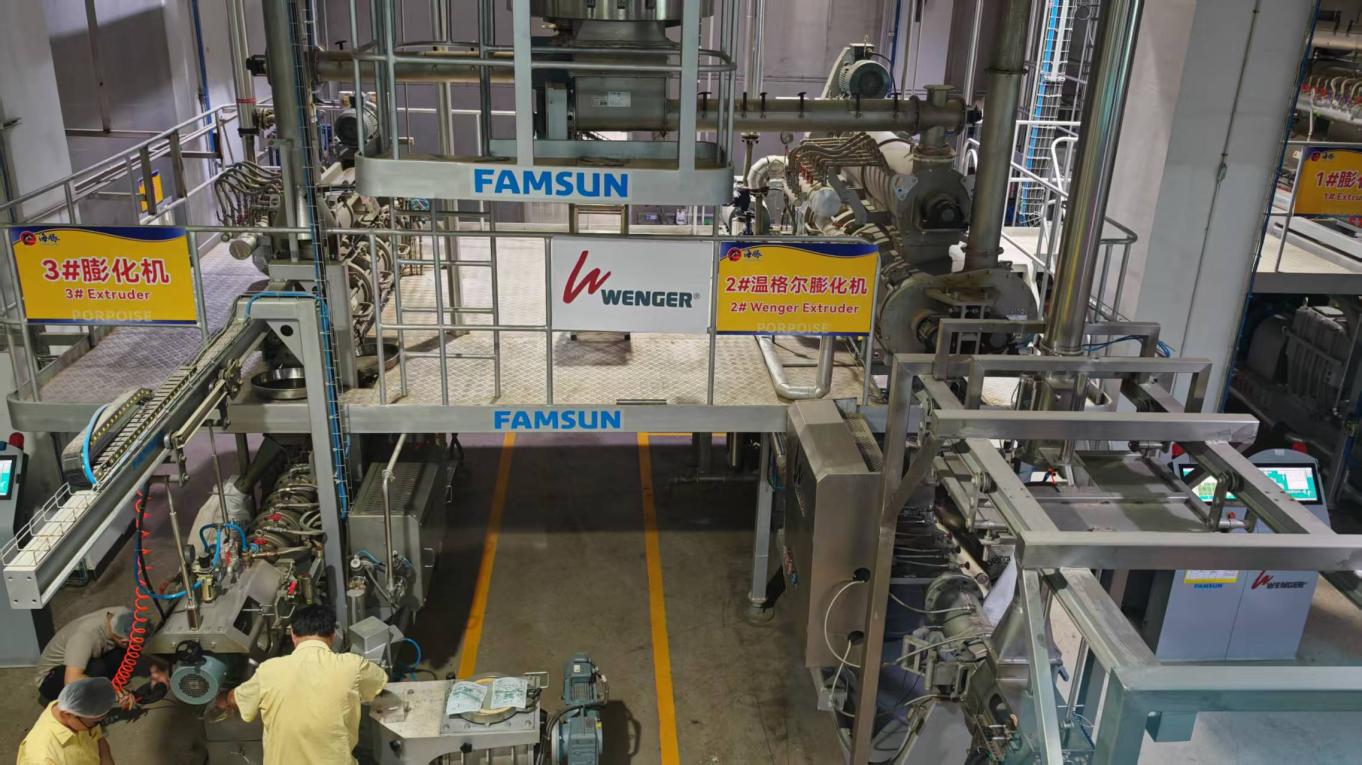
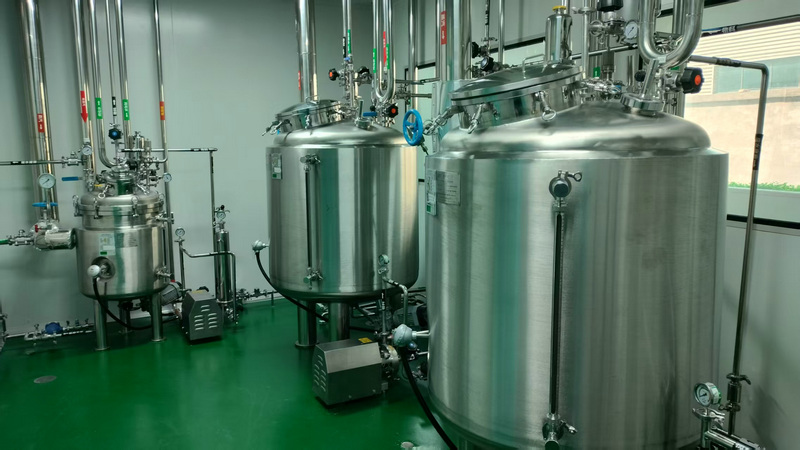


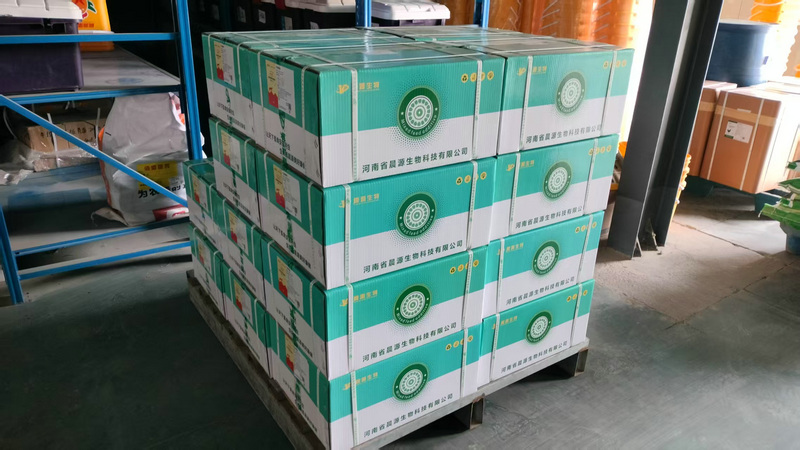
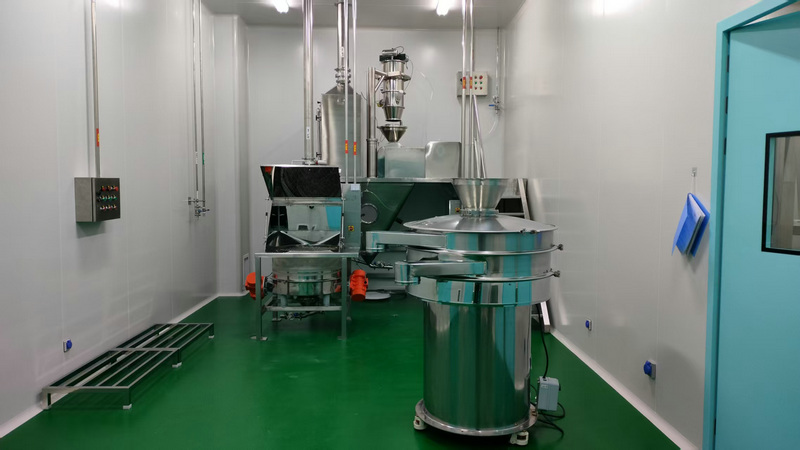
Our Qingdao production hub integrates raw ingredient handling, mechanical milling, swelling, and packing within an ISO-certified, closed-loop processing environment. Through automation, we monitor temperatures, moisture, and particle distributions in real-time, minimizing manual contact. This data-driven framework ensures trace element consistency and batch-to-batch repeatability for our global customers.
Ensuring cross-border compliance, zero tariff friction, and robust regional distribution networks.
Food ingredients must meet strict import regulations. We align our manufacturing processes with the European Food Safety Authority (EFSA), the US Food and Drug Administration (FDA), and customs agencies worldwide. We ensure our materials are verified for low heavy metal concentrations (specifically Lead and Cadmium) and free from pesticide residues.
Cocoa and nutritional powders are sensitive to moisture absorption and odor transfer. To protect product quality during ocean transport, we utilize multi-wall kraft paper bags with food-grade polyethylene inner liners, heat-sealed to resist external humidity. We also employ desiccants inside shipping containers to mitigate moisture fluctuations.
Key criteria to evaluate when auditing OEM/ODM cocoa powder manufacturers.
Procuring raw ingredients at an industrial scale requires balancing budget constraints, quality requirements, and supply chain reliability. For purchasing officers auditing a potential OEM partner, we recommend focusing on three key criteria:
High shell content is a sign of subpar bean processing and increases wear on processing machinery. Quality OEM suppliers maintain shell content below 1.75% (in compliance with CODEX standards). This protects manufacturing equipment and guarantees a cleaner taste profile.
Raw cocoa beans contain natural soil bacteria. A supplier's sterilization capabilities are critical to ensuring safety. Our production utilizes high-pressure steam treatment to reduce Total Plate Counts (TPC) to below 5000 cfu/g, while keeping yeast, mold, and Enterobacteriaceae within acceptable levels, and guaranteeing the absence of Salmonella.
Evaluating color visually is subjective. We utilize digital colorimeters to supply customers with exact L* (lightness), a* (redness), and b* (yellowness) color space measurements. This ensures consistency across different batches, preventing color shifts in retail packaging.
Detailed answers to common questions about customization, shipping logistics, and raw material characteristics.
Providing certified food additives, amino acids, vitamins, and minerals for diverse global applications.