Akston Health
Akston Health
Akston Health
The shift toward plant-based diets and sustainable protein alternatives has triggered an unprecedented surge in the global demand for plant protein. Among these, pea protein (Pisum sativum) has emerged as a premium solution, driven by its exceptional nutritional profile, hypoallergenic properties, non-GMO status, and clean label appeal. As research into human and animal nutrition deepens, global supply chains depend heavily on robust, scale-oriented processing hubs to maintain structural, functional, and pricing consistency.
Historically dominated by animal-based proteins and soy derivatives, the food formulation industry faced hurdles involving allergen labeling, estrogenic concerns, and resource-heavy agricultural output. Pea protein resolves these pain points. By utilizing advanced wet-milling fractionation, China's modern manufacturing lines extract high-purity isolate (containing 80% to 90% protein) that functions seamlessly in foods, feeds, and nutraceutical formulations. The market growth is particularly pronounced across sports nutrition, animal health, and alternative dairy networks.
China's dominance in pea protein manufacturing is not merely a matter of quantity; it is a synthesis of advanced wet-fractionation technology, closed-loop ecological manufacturing, and integration with major global trade corridors. The Shandong and coastal Northern China regions have evolved into the world's most concentrated yellow pea processing clusters. This centralized infrastructure yields massive economic and operational advantages:
Processing capacities exceeding 100,000 metric tons per annum per facility allow Chinese factories to absorb sudden demand fluctuations. This buffer protects global brands from the volatility seen in other regions.
Chinese processors utilize 100% of the yellow pea. While protein is isolated, the starch is converted into high-grade glass noodles, and the fibers are repurposed for pet nutrition and agricultural feeds, minimizing waste and costs.
Proximity to deep-water ports like Qingdao guarantees rapid loading, streamlined customs clearances via automated digital manifests, and efficient temperature-controlled maritime shipping across the globe.
To ensure high protein yields and optimize functional traits like emulsification and gelation, Chinese factories invest heavily in cutting-edge technological roadmaps. Traditional isolation methods often damaged the native protein structure and left a persistent "beany" off-flavor. Modern processing lines implement precise bio-engineering controls to overcome these challenges.
| Extraction Phase | Technical Method | Impact on Quality | Key Performance Metric |
|---|---|---|---|
| Pre-Treatment | Acoustic-assisted cleaning and dry de-hulling | Removes bitter compounds, tannins, and external ash without chemical agents. | Ash content < 4.5% |
| Wet Fractionation | Multi-stage alkaline solubilization and isoelectric precipitation | Gently isolates the protein fraction while keeping the protein structures intact. | Protein content > 80% to 85% |
| Enzymatic Modification | Targeted limited hydrolysis using food-grade endopeptidases | Breaks down peptide bonds, reducing bitterness and boosting solubility. | PDCAAS Score close to 0.85 |
| Thermal Treatment | Instantaneous UHT (Ultra-High Temp) flash pasteurization | Sterilizes the slurry, deactivating anti-nutrients (trypsin inhibitors) and micro-organisms. | Zero bacterial spores detected |
By adjusting spray-drying parameters, including air intake temperatures and nozzle pressure configurations, factories can control the particle size distribution of the finished pea protein powder. Fine-mesh powders dissolve instantly in cold liquids, making them ideal for ready-to-mix (RTM) sports supplements. Coarser textures are tailored for meat analogs and extruded snacks, where water-binding and texturizing abilities are paramount.
Pea protein's versatility has driven its integration into diverse regional markets. Depending on local consumer preferences, dietary habits, and regulations, raw pea protein isolate is tailored to fit specialized commercial applications:
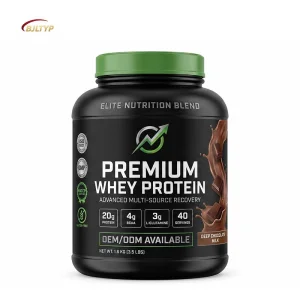
Highly sought after in North American and European markets as a clean allergen-free alternative to whey. Rich in branched-chain amino acids (BCAAs) like leucine, isoleucine, and valine, it plays a key role in post-workout muscle synthesis and recovery formulations.
In regions with high lactose intolerance (such as East and Southeast Asia), pea protein serves as the primary base for allergen-free milks, functional yogurts, and high-protein coffees, offering a stable emulsion without curdling under heat.
As modern agriculture shifts away from antibiotic growth promoters, high-digestibility pea protein is increasingly used in young animal feeds, specialized companion animal food, and high-end aquaculture diets.
Qingdao Akston Health Co., Ltd. is a trusted manufacturer and global supplier dedicated to delivering innovative health and nutrition solutions for the animal feed industry. With a strong commitment to quality, sustainability, and continuous innovation, we provide high-performance feed additives and nutritional ingredients that support healthier livestock, improved productivity, and safer food production worldwide.
Our comprehensive product portfolio includes choline chloride, amino acids, vitamins, minerals, and other functional feed additives designed to meet the nutritional requirements of poultry, swine, ruminants, aquaculture, and companion animals. Our science-based formulations help optimize animal growth, enhance immune function, improve feed efficiency, and contribute to reducing the reliance on antibiotics in modern livestock production.
At Akston Health, quality is the foundation of everything we do. We work closely with qualified manufacturing partners and implement strict quality control systems throughout sourcing, production, and logistics to ensure every product meets international standards. Our experienced technical team also provides customized solutions and professional support to help customers achieve better production performance and sustainable business growth.
Driven by integrity, innovation, and customer satisfaction, Qingdao Akston Health Co., Ltd. has established long-term partnerships with clients across Asia, Europe, the Middle East, Africa, and the Americas. We are committed to creating lasting value through reliable products, competitive pricing, efficient supply chain management, and responsive customer service.
As your trusted partner in animal nutrition, Akston Health will continue to develop innovative solutions that promote animal health, improve farming efficiency, and contribute to a more sustainable global agriculture industry.
We implement rigorous monitoring at every production phase, from raw ingredient staging to automated packing. Below is an inside look at our state-of-the-art facilities:
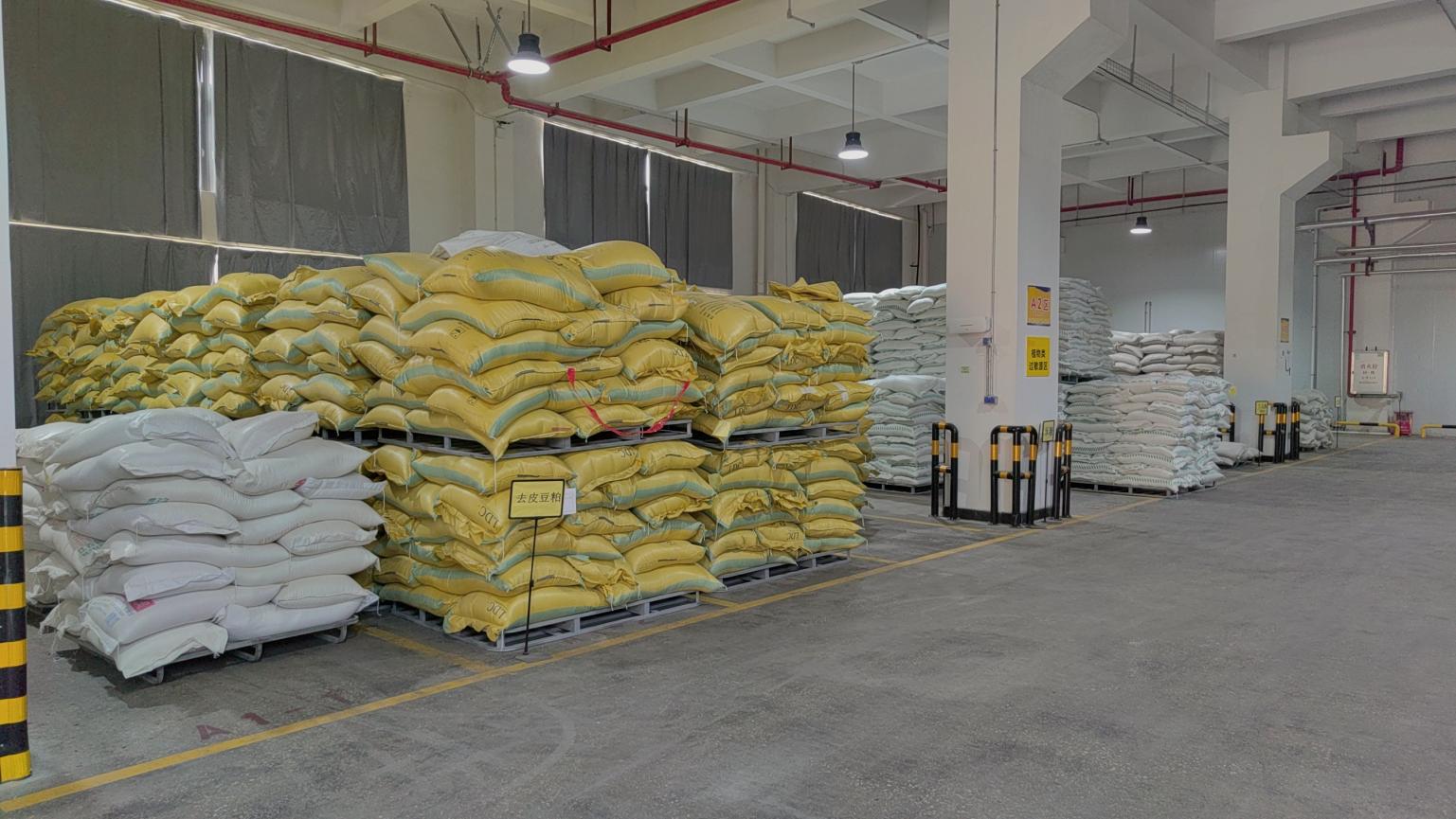
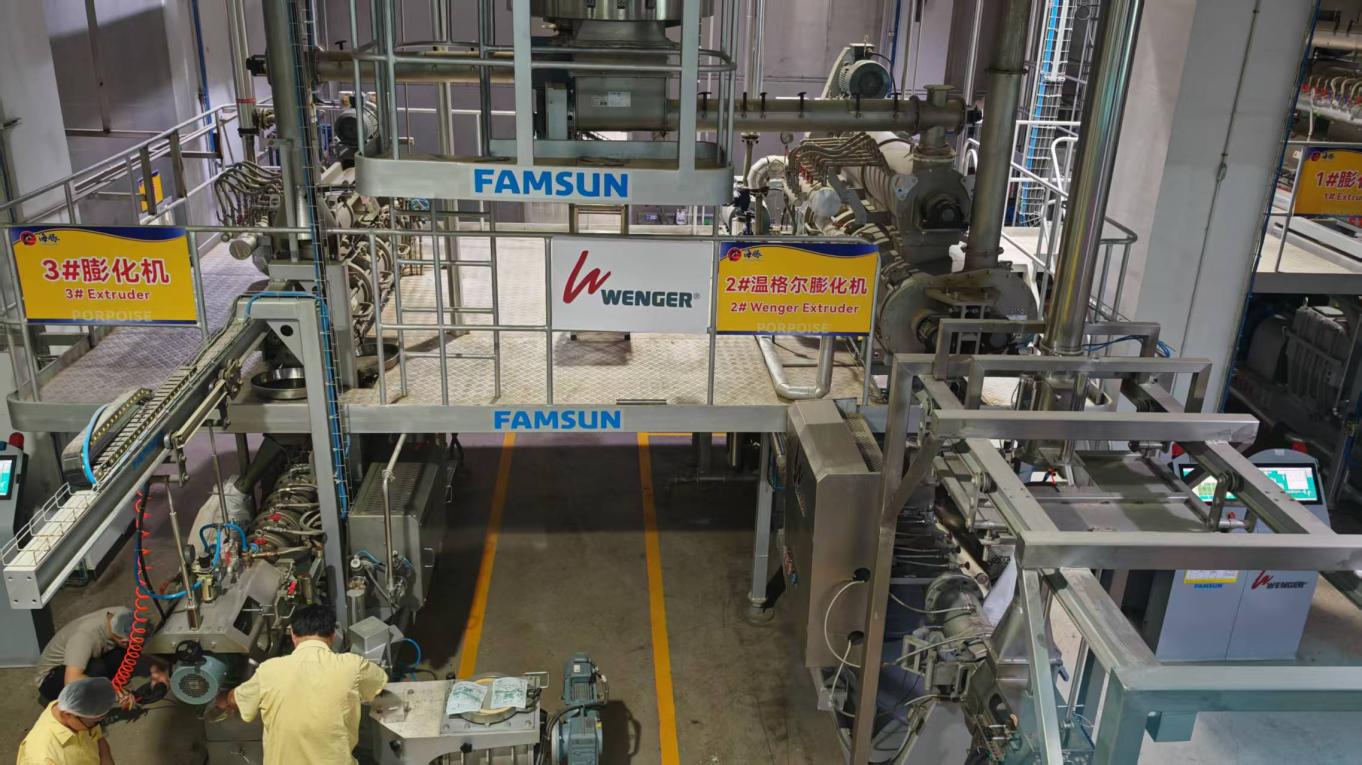
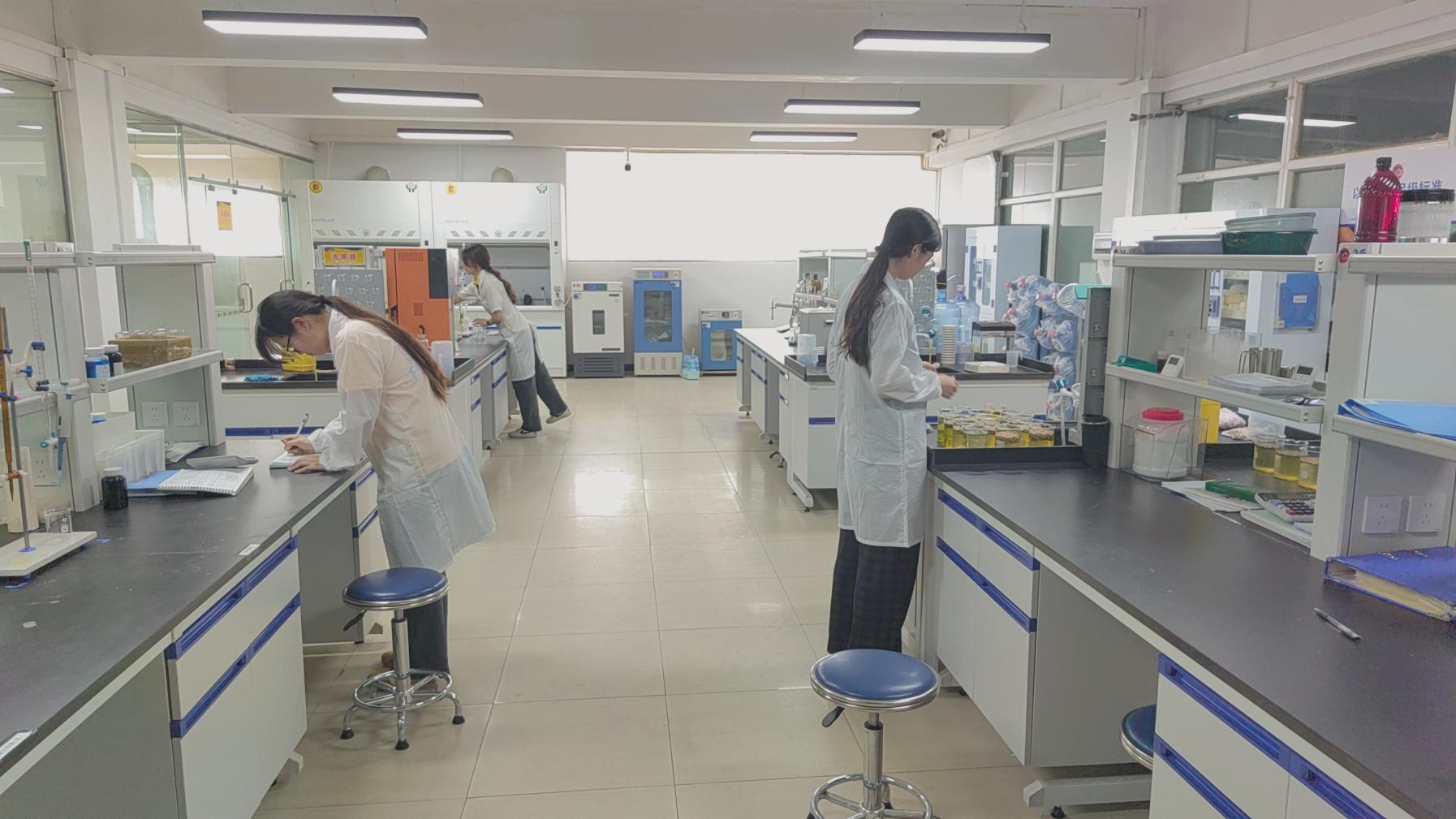
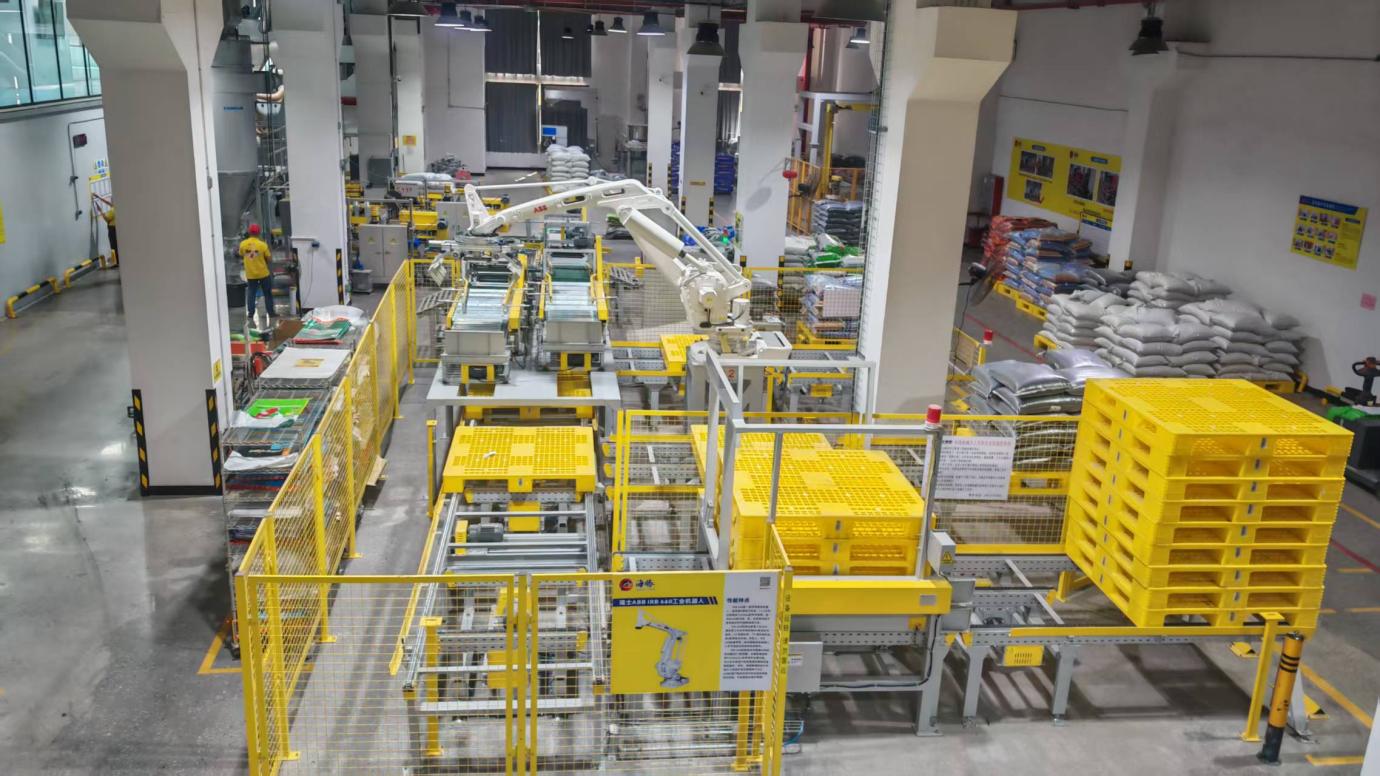

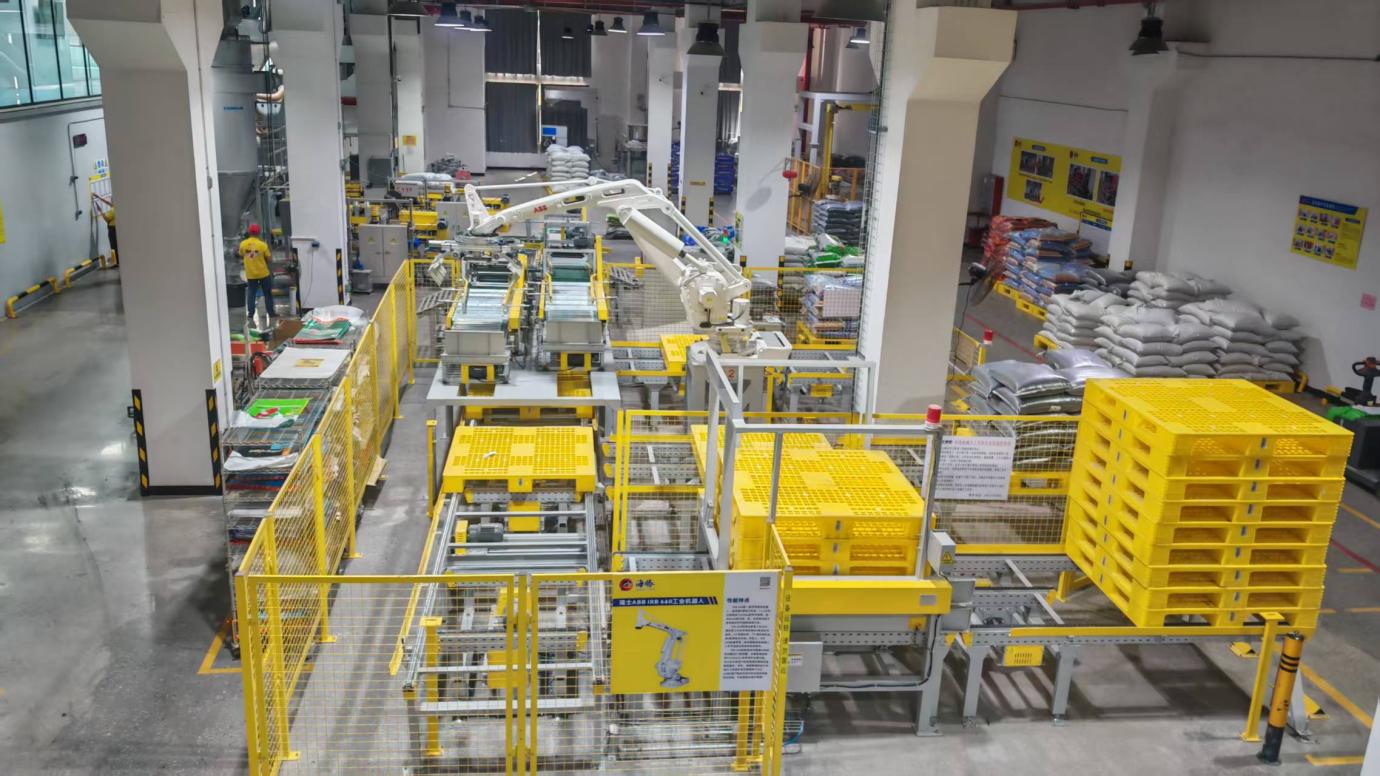
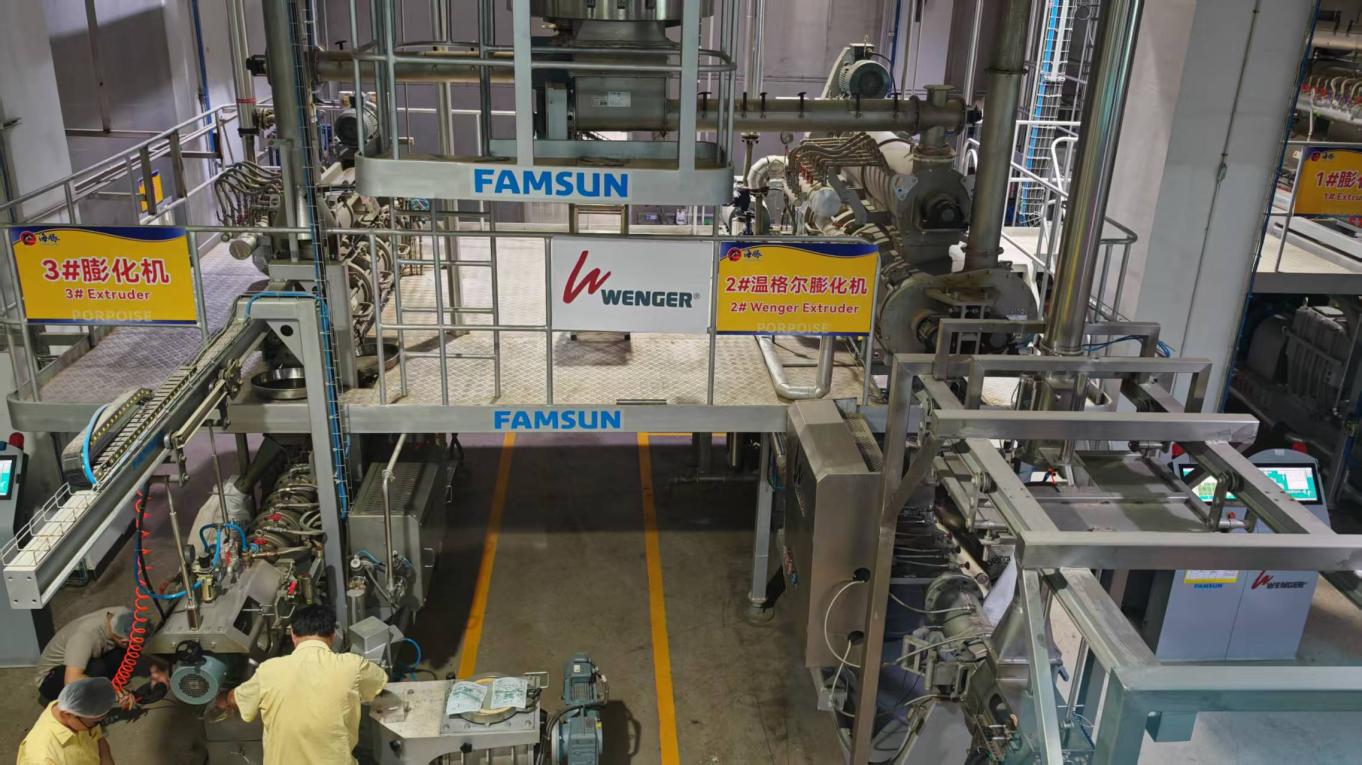
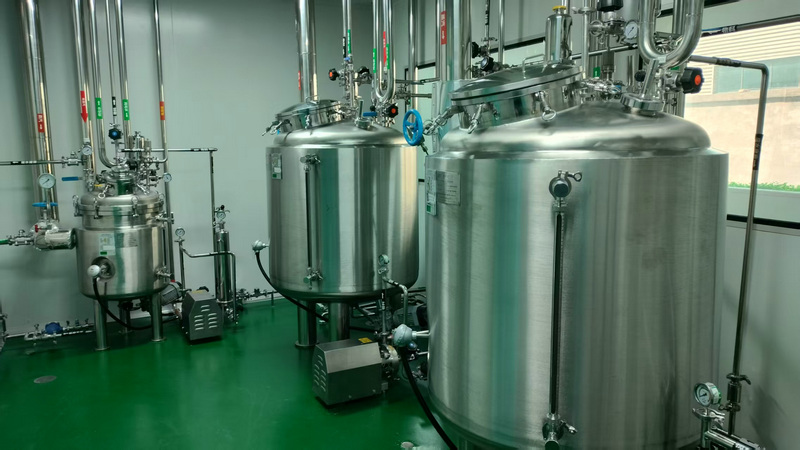
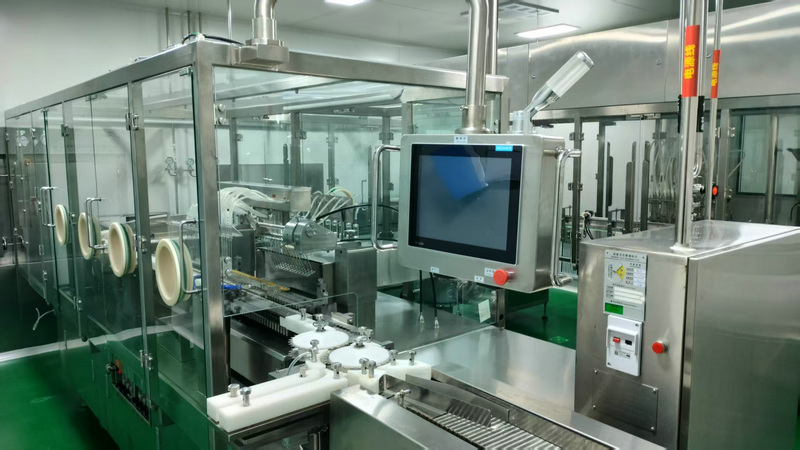
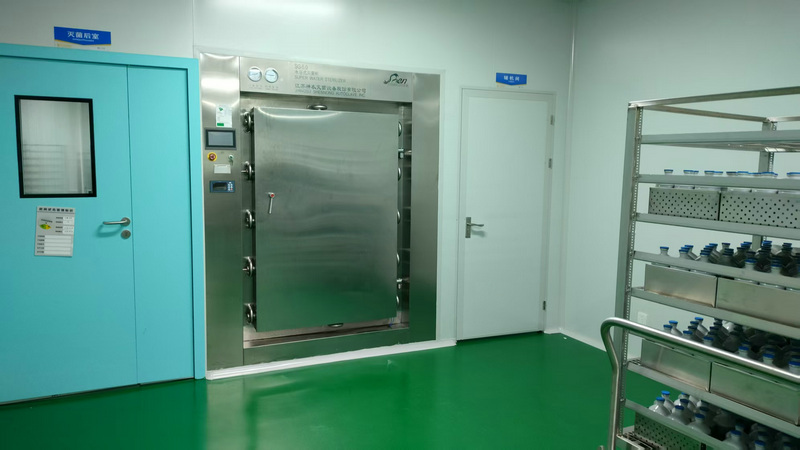
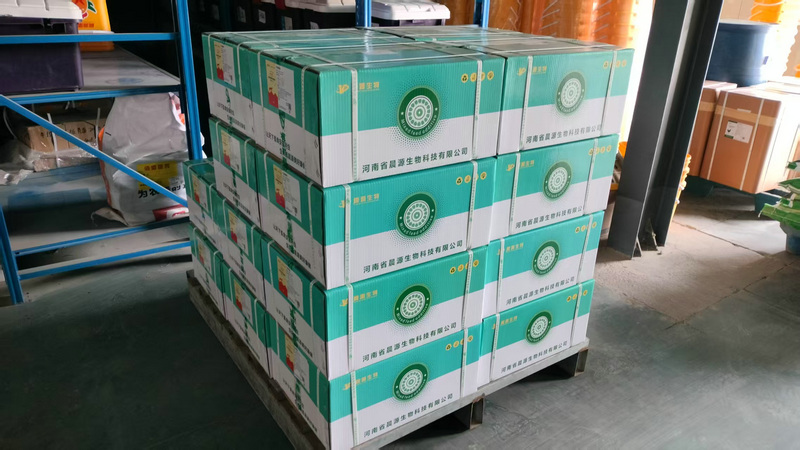
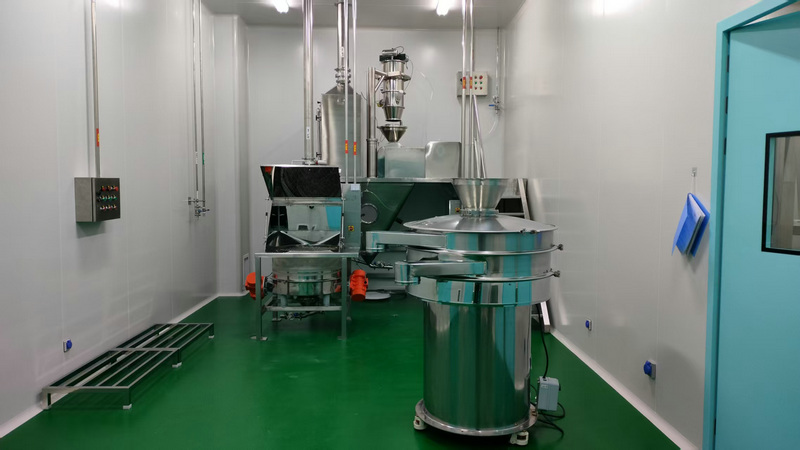
Operating in a regulated global market demands complete alignment with both domestic and international food safety rules. Our modern manufacturing processes are certified to meet the world's most stringent quality control standards, ensuring full traceability from the initial farm harvest to the final delivered batch.
Our partner facilities hold verified certifications including ISO 9001, ISO 22000, FSSC 22000, and BRC Global Standards for Food Safety. This compliance simplifies validation procedures for overseas buyers.
Our yellow pea protein is certified Kosher and Halal, and guaranteed non-GMO. In an era where consumers scrutinize ingredient panels, our clean-label profile provides a strong competitive edge.
Every production batch undergoes ICP-MS heavy metals testing and PCR allergen testing. We maintain strict control over pesticide residues, meeting both EU and US FDA safety thresholds.
Explore clear, technically-grounded answers about sourcing pea protein, processing steps, quality control protocols, and delivery schedules from China.