Akston Health
Akston Health
Akston Health
Explore our diverse portfolio of top-tier industrial food ingredients, animal nutrition feed additives, and functional minerals manufactured under rigorous international specifications.
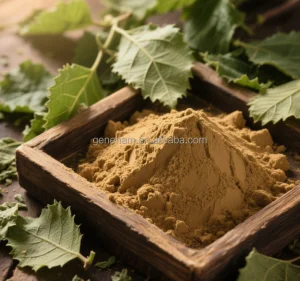
Milk Thistle (Silybum marianum) has established itself as one of the most clinically verified herbal therapeutics globally, driven primarily by its active complex—Silymarin. Silymarin is comprised of key flavonolignans including silybin (silibinin), isosilybin, silychristin, and silydianin. As global consumer demand for hepatoprotective agents, anti-inflammatory dietary supplements, and natural veterinary feed additives surges, China has evolved into the central node of the global Milk Thistle Extract manufacturing ecosystem.
Chinese extraction plants leverage strategic raw material cultivation hubs in regions like Liaoning, Gansu, and Inner Mongolia. By integrating large-scale agro-industrial cultivation with modern extraction methodologies—such as multi-stage solvent extraction (using Acetone, Ethyl Acetate, or Ethanol) and advanced column chromatography—Chinese producers deliver varying grades of Milk Thistle Extract that comply with USP (United States Pharmacopeia), EP (European Pharmacopoeia), and DAB (German Pharmacopoeia) standards. Sourcing directly from top-tier Chinese manufacturers guarantees not only competitive pricing but also strict compliance with international limit tests for pesticide residues, heavy metals, and residual solvents.
Qingdao Akston Health Co., Ltd. is a prominent manufacturer and global supplier dedicated to delivering innovative health, chemical, and nutrition solutions. In the agricultural, food, and animal feed sectors, Akston Health acts as a foundational partner by developing functional, high-performance feed additives and functional plant extracts. Our robust raw material integration, paired with state-of-the-art processing, allows us to optimize supply lines for global B2B buyers.
Our comprehensive portfolio, encompassing choline chloride, amino acids, vitamins, trace minerals, and botanicals, is engineered to support animal growth, optimize biological feed conversion rates, and reduce systemic reliance on antibiotics. By utilizing the same quality control systems required for pharmaceutical-grade botanical extraction, Akston Health ensures every batch exported matches international target parameters for chemical assay purity and microbiological safety.
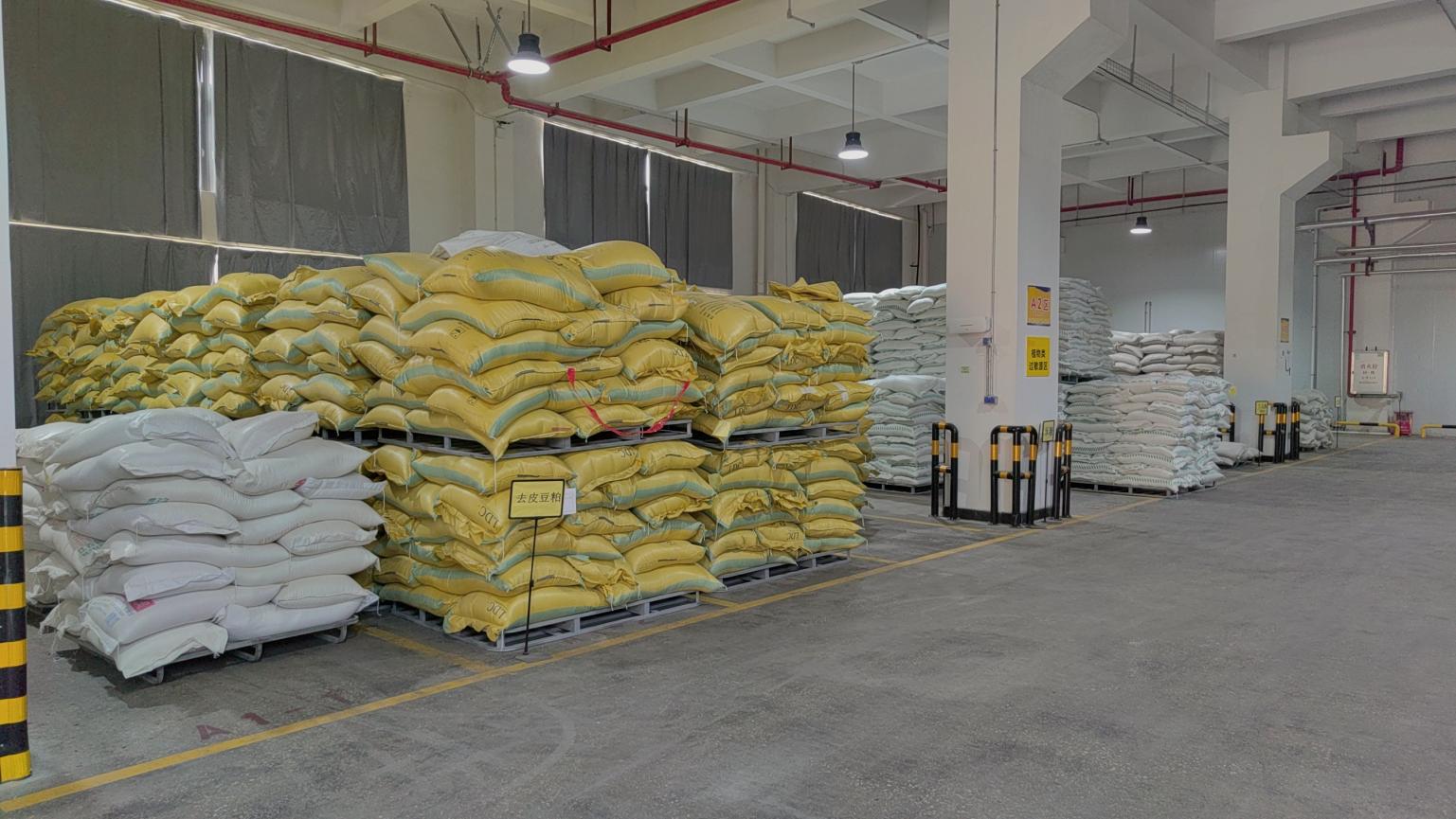
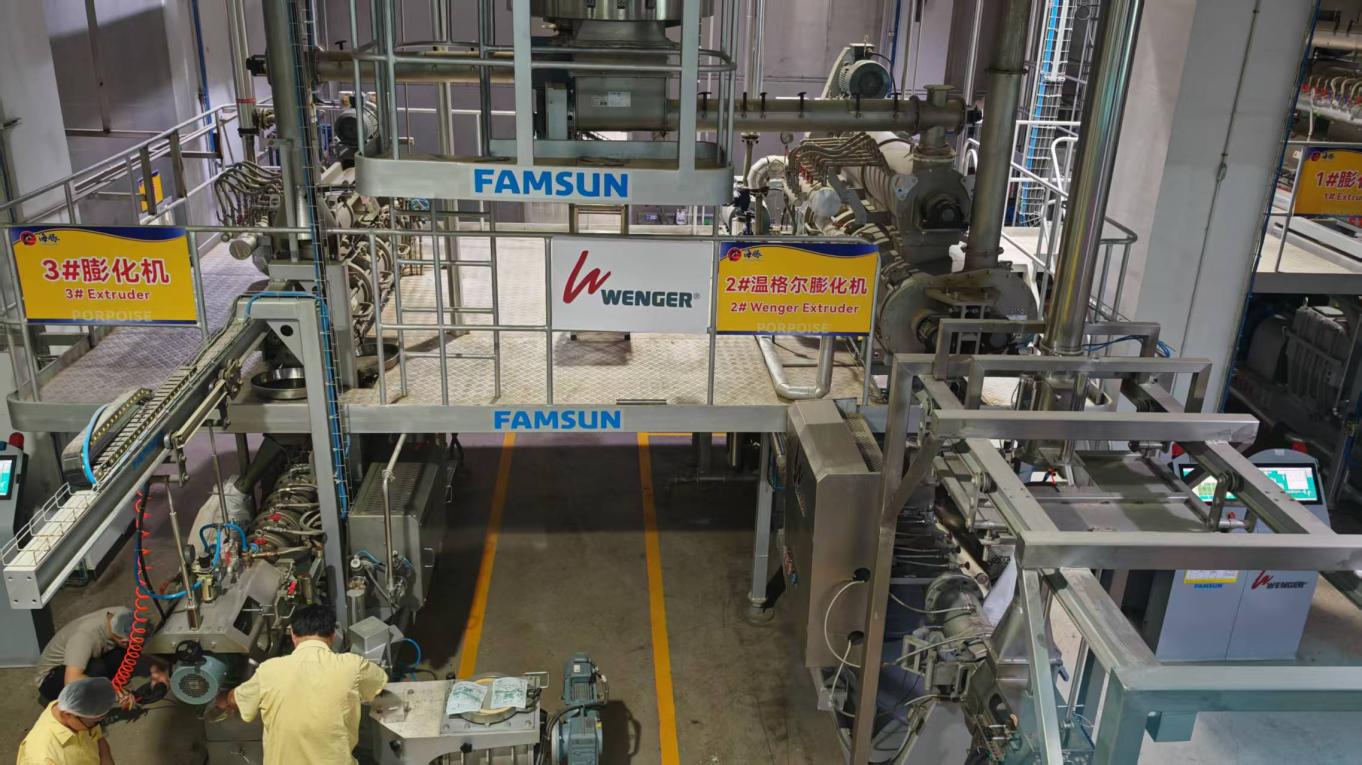
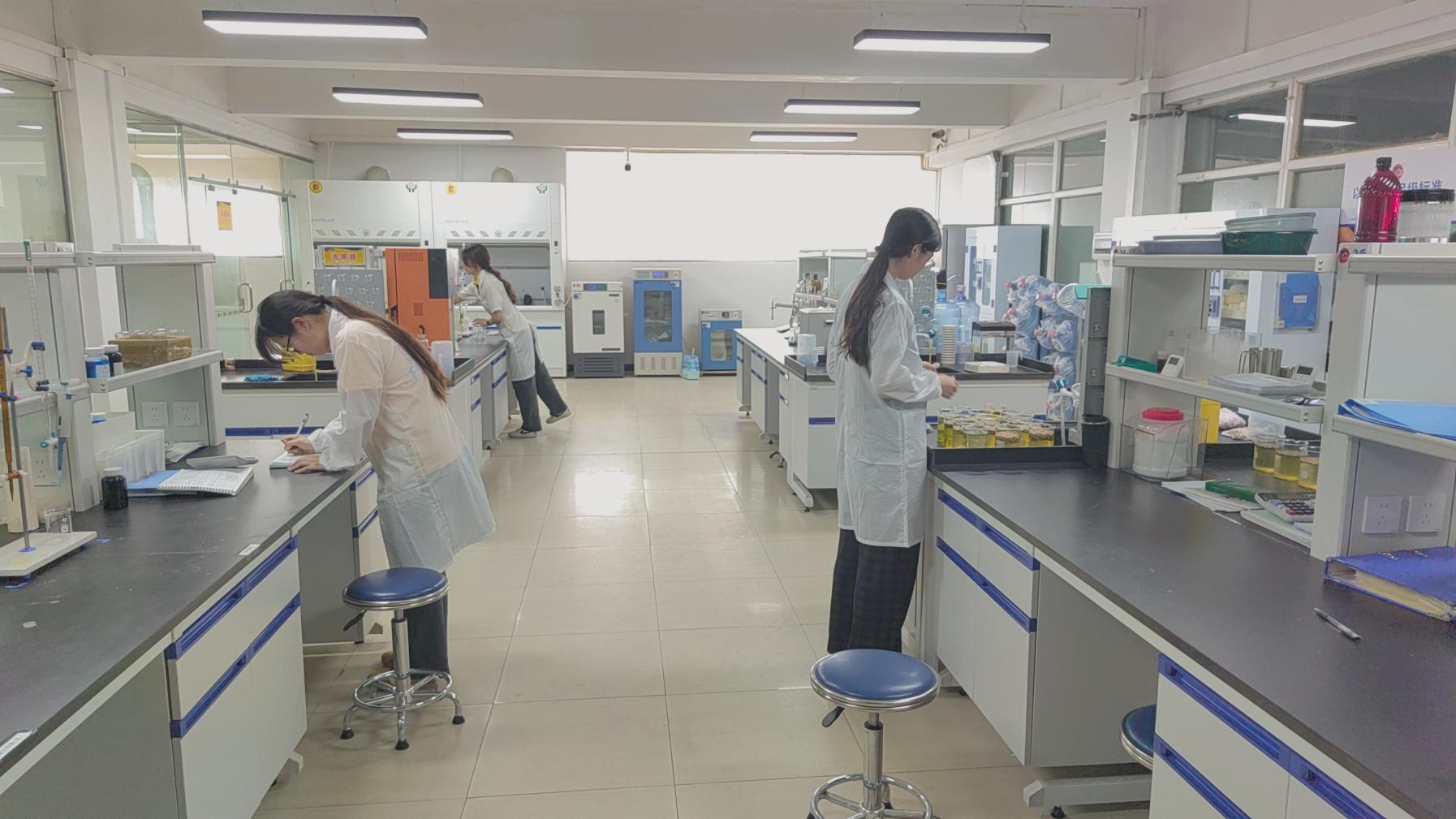
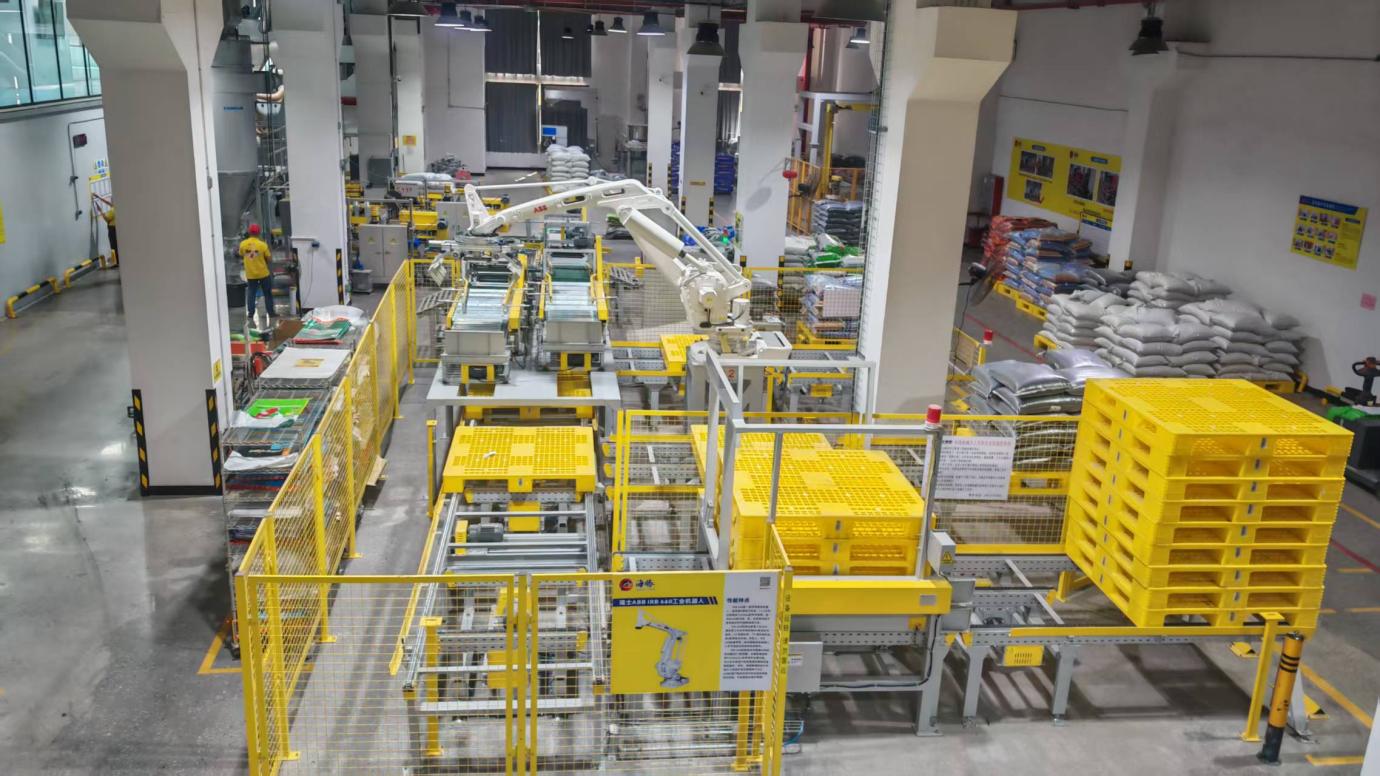
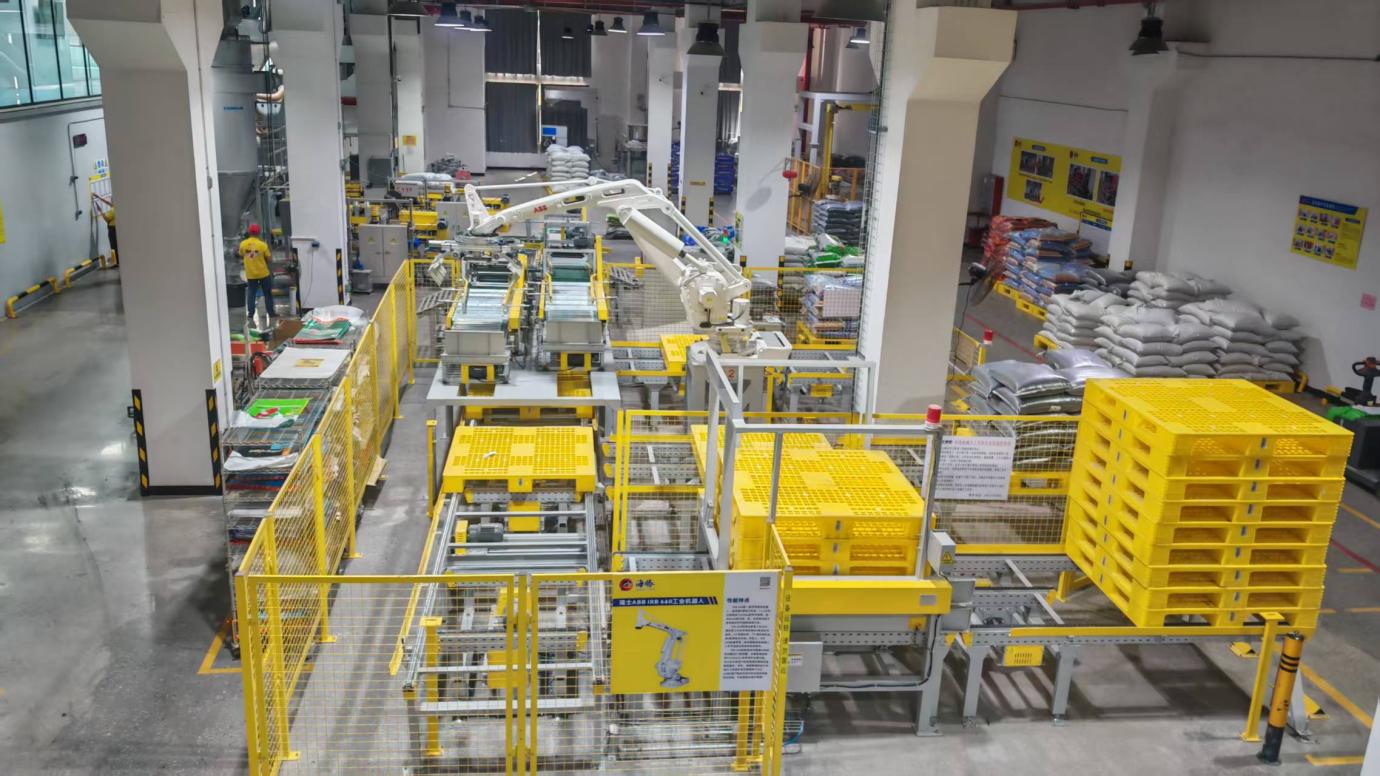
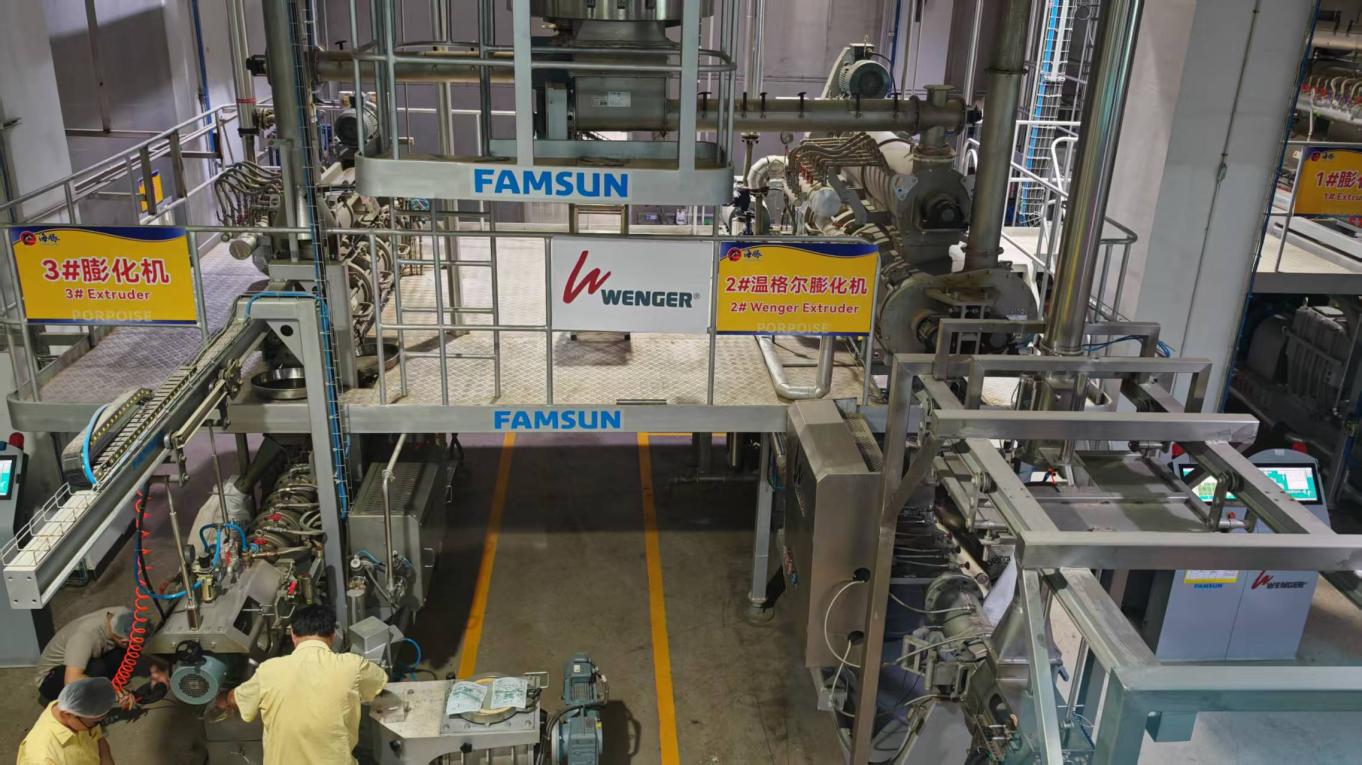
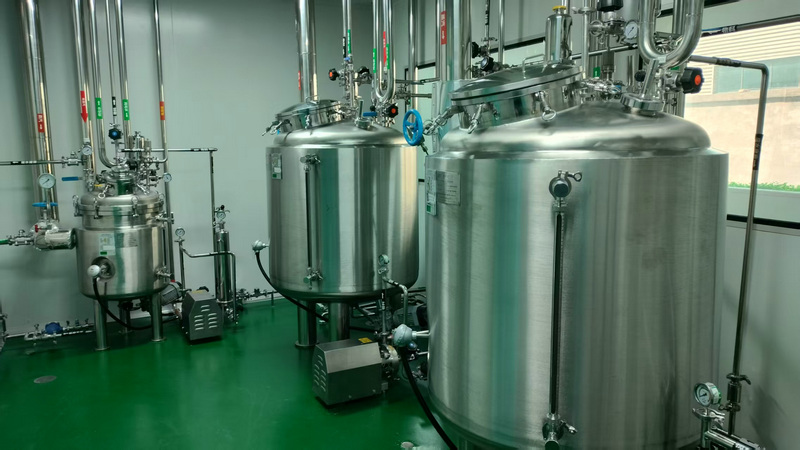
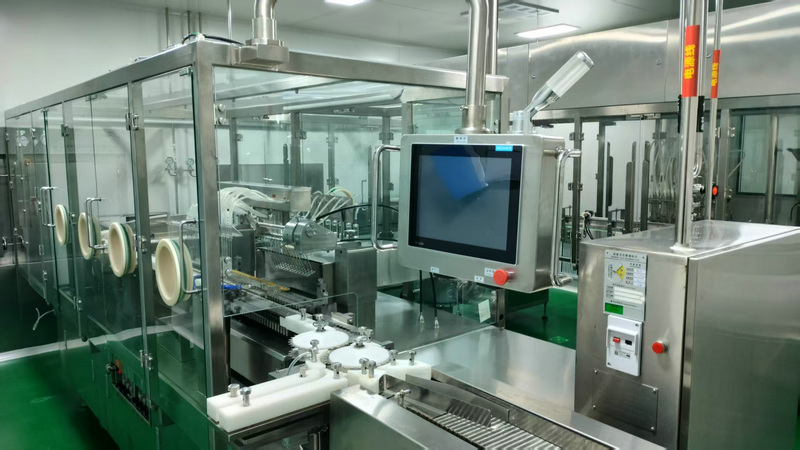
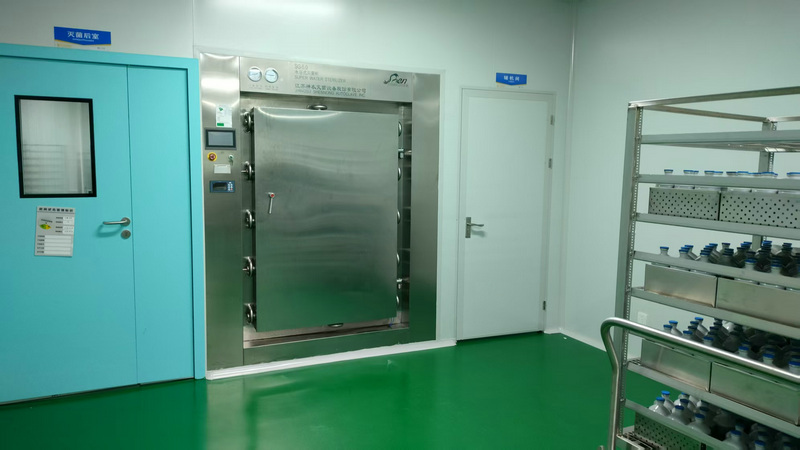
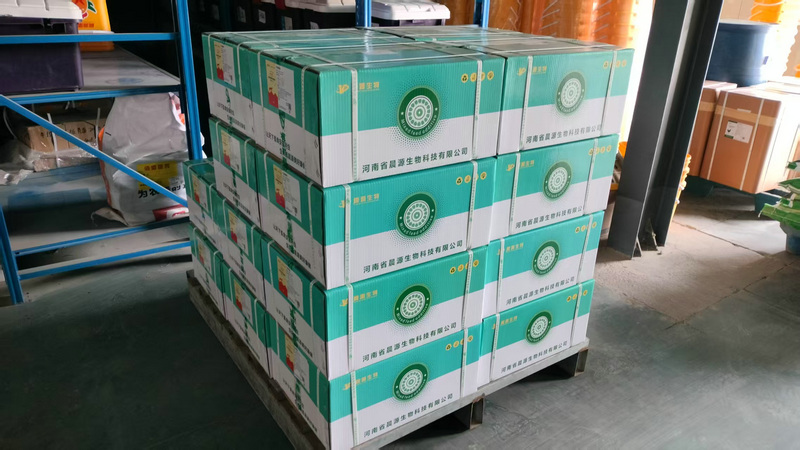
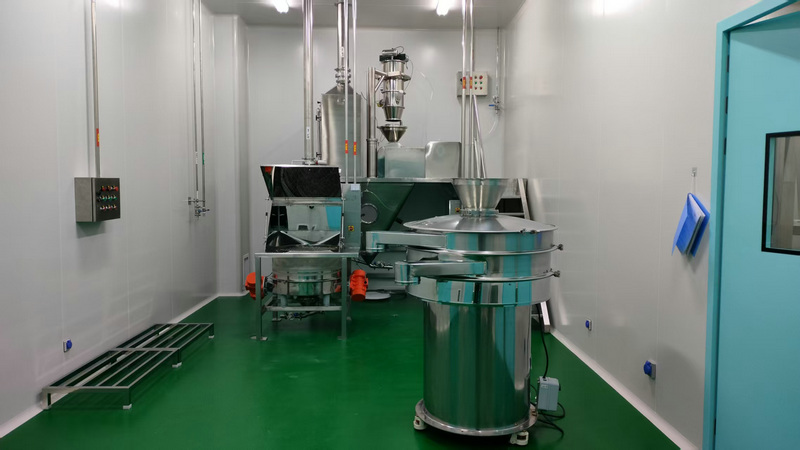
Transparency and quality assurance from raw seed processing to packaging. Below is our internal factory operations mapping, demonstrating high-capacity industrial equipment and strict sanitary protocols.

For procurement officers and R&D scientists, selecting the appropriate extraction solvent is crucial for regulatory alignment and biological efficacy. China's top factories optimize these three pathways:
Acetone is highly efficient at dissolving flavonolignans, resulting in a high yield of Silymarin (typically 80% UV/HPLC). This method provides an excellent cost-to-potency ratio, making it the preferred option for general veterinary and dietary supplement formulations. Modern Chinese factories implement vacuum evaporation to reduce residual acetone to levels far below USP/EP limits (<5000 ppm).
Ethyl acetate extraction is favored when formulating targeted human liver therapeutics. It naturally enriches the fraction of Silibinin (Silybin A+B), which is the most biologically active component of the silymarin complex. The resulting extract is highly refined, pale yellow, and shows enhanced bioavailability, meeting the strict requirements of pharmaceutical formulations.
As regulatory scrutiny over organic solvents increases, ethanol extraction has emerged as the premier "clean label" solution. It yields a product free from synthetic petroleum-derived solvents. While the overall yield of silymarin may be slightly lower compared to acetone extraction, the resulting powder is ideal for premium organic-certified dietary supplements and baby-grade nutrition products.
By complexing Silymarin with excipients like Polyethylene Glycol (PEG) or utilizing cyclodextrin encapsulation, top exporters produce a modified water-soluble Milk Thistle Extract. This material is highly suited for liquid formulations, functional beverages, and liquid animal health supplements, overcoming the natural hydrophobicity of raw Silymarin.
Modern manufacturing demands ingredients that address specific chemical, biological, and processing challenges. Below is how Milk Thistle Extract is formulated across industries:
Mycotoxins present in commercial corn and soy feed frequently cause hepatotoxic damage in poultry, swine, and aquaculture. Integrating Silymarin with binders (like Bentonite Clay) protects animal livers, improves feed conversion ratios (FCR), and enhances livestock immune defenses without using antibiotics.
With rising rates of metabolic fatty liver diseases globally, consumer demand for targeted detox supplements has surged. Sourcing USP-grade Milk Thistle Extract with >50% Silibinin content ensures that capsule and tablet brands can substantiate structural liver-health claims.
Silymarin exhibits potent antioxidant activity that scavenges free radicals generated by UV exposure and pollution. Cosmetic R&D labs utilize ultra-refined, low-odor Milk Thistle extracts in anti-aging creams to prevent lipid peroxidation and soothe sensitive skin.
High-purity Silibinin extracts serve as active pharmaceutical ingredients (APIs) for intravenous and oral treatments. These formulations target acute toxic liver damage, chronic inflammatory liver diseases, and cirrhosis, meeting stringent global pharmacopoeia standards.
When procurement managers audit Chinese Milk Thistle Extract factories, several technical checkpoints must be evaluated to ensure compliance with import-nation borders. Below is the operational framework required to avoid custom delays and guarantee product efficacy:
Expert technical answers addressing chemical structure, industrial solubility, and compliance dynamics.
Silymarin refers to the total standardized extract derived from the seeds of the Milk Thistle plant, containing a mixture of flavonolignans (Silibinin, Isosilibinin, Silychristin, Silydianin) and taxifolin. Silibinin (Silybin) is the major active component within Silymarin, responsible for the vast majority of its hepatoprotective and antioxidant properties. Standardized Milk Thistle extracts typically contain about 80% Silymarin, of which Silibinin comprises 30% to 50%.
Standard Silymarin is hydrophobic and exhibits poor solubility in water. To resolve this, Chinese factories have developed two main solutions: first, chemical modification to create a sodium salt of Silibinin dihemisuccinate, which is water-soluble for pharmaceutical injection; second, physical formulation systems using carriers like PEG, PVP, or lecithin (liposomal complexes) to yield a highly dispersible powder suitable for liquid supplements and veterinary water additives.
From a biological safety standpoint, both solvents are fully acceptable if residual levels are kept within ICH limits. Ethanol is preferred for organic, clean-label, and premium dietary supplements because it is a natural solvent. However, Acetone yields a higher concentration of Silymarin and is more cost-effective for large-scale livestock and general nutraceutical applications, with vacuum-drying technology ensuring residual acetone is reduced to safe levels.
Industrial buyers should request a complete documentation pack for every shipment, including: a Batch-specific Certificate of Analysis (CoA) detailing HPLC/UV assay, residual solvent levels, heavy metal analysis, and microbiological limits; a Material Safety Data Sheet (MSDS); a Technical Data Sheet (TDS); GMP, ISO 9001/22000, or FAMI-QS certifications; and a Pesticide Residue and PAH clearance certificate.
Standardized Milk Thistle extract powder is relatively stable. However, to prevent oxidation of the flavonolignans and clumping of the fine powder, it should be stored in a cool, dry place (temperature <25°C, relative humidity <60%) in its original sealed fiber drums. Under these conditions, the shelf-life is typically 24 to 36 months.
Complete your procurement cycle with our high-grade mineral salts, protein concentrates, amino acids, and water treatment compounds manufactured for global distribution.