Akston Health
Akston Health
Akston Health
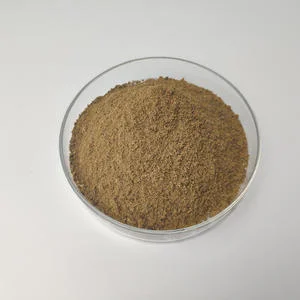
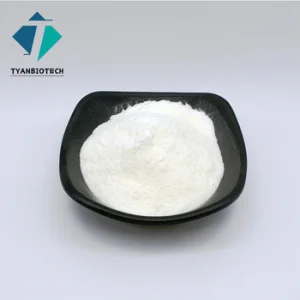
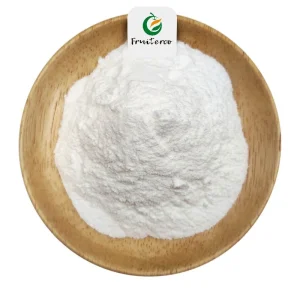
In the contemporary global landscape, the demand for CE Certified Gelatin Powder has witnessed unprecedented growth across key sectors, including pharmaceuticals, high-end food engineering, cosmetics, and specialty feed additives. Global B2B procurement managers require more than just a typical trade supplier; they demand strict compliance to biological standards, structural stability, and validated documentation. Gelatin, as a biological macromolecule derived from partial hydrolysis of animal collagen, serves as a cornerstone for softgel encapsulation, hard capsule formulation, microencapsulation, and binding systems.
Precise calibration of Gel Strength (Bloom index ranging from 80 to 300) combined with dynamic viscosity profiles to ensure compatibility with high-speed automated capsule filling machinery.
Full adherence to EU regulatory standards, maintaining rigorous CE certification status, Halal/Kosher tracking, and non-BSE/TSE certified raw materials declarations.
Optimized disintegration limits for oral dosage delivery systems, ensuring consistent active pharmaceutical ingredient (API) release curves under varying pH conditions.
To bridge the gap in commercial information gain, we outline the exact chemical, physical, and microbiological specifications governing our exported Gelatin Powder. Understanding these physical parameters assists industrial procurement officers in minimizing cross-linking phenomena, thermal degradation, and batch-to-batch variations.
| Parameter / Quality Index | Pharmaceutical Grade Range | Food Grade / Technical Range | Analytical Testing Method |
|---|---|---|---|
| Gel Strength (Bloom Index) | 150 - 280 ± 5 Bloom | 80 - 260 Bloom | AOAC / GME Standard Gelometer |
| Dynamic Viscosity (6.67%, 60°C) | 3.5 - 5.5 mPa·s | 2.5 - 4.5 mPa·s | Ubbelohde Capillary Viscometer |
| Moisture Content | ≤ 12.0% | ≤ 14.0% | Oven Drying (105°C for 17 hours) |
| Ash Content | ≤ 1.0% | ≤ 2.0% | Muffle Furnace Ashing (550°C) |
| pH Value | 4.5 - 6.5 | 5.0 - 7.0 | Potentiometric Electrode Method |
| Heavy Metals (as Pb) | ≤ 10 ppm | ≤ 20 ppm | ICP-MS Method (Inductively Coupled Plasma) |
| Total Plate Count (Microbiology) | ≤ 1,000 cfu/g | ≤ 3,000 cfu/g | FDA BAM Chapter 3 / ISO 4833 |
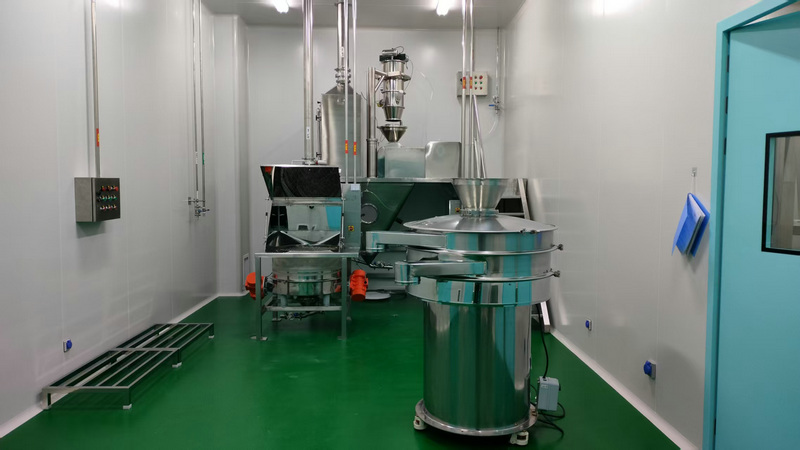
Our production pipeline integrates automated sorting, extraction, triple-stage filtration, sterilization, and packing systems to safeguard the biological integrity of every metric ton exported.
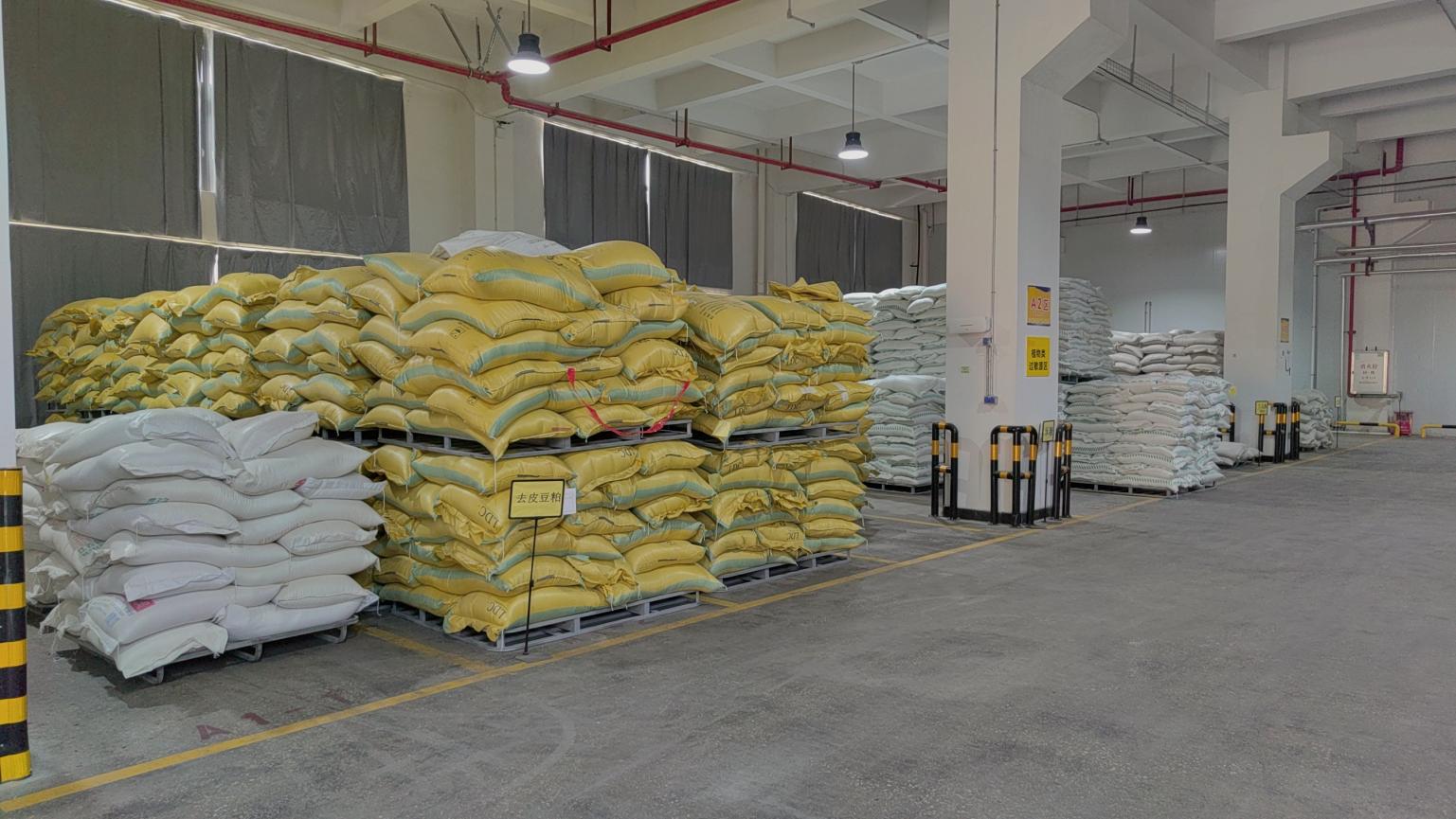
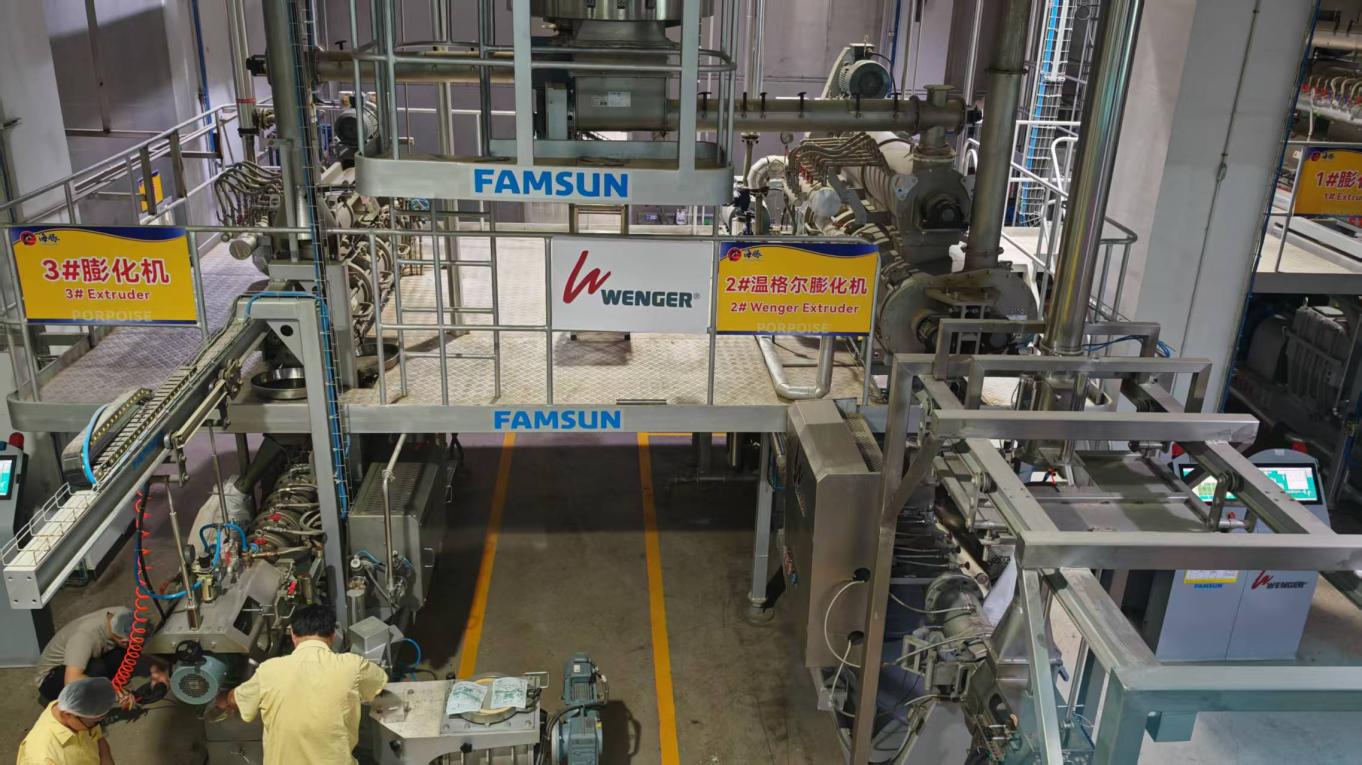
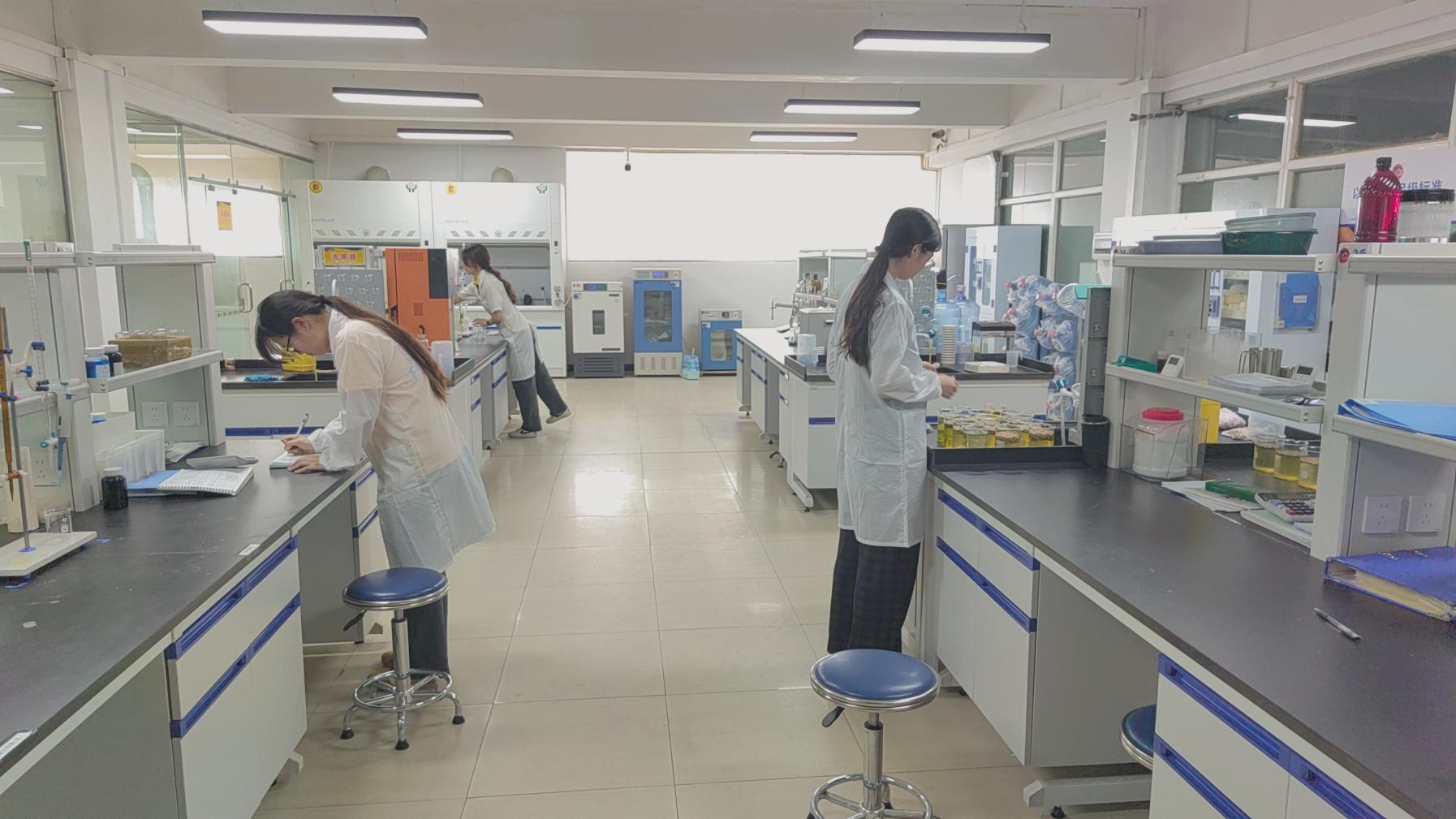
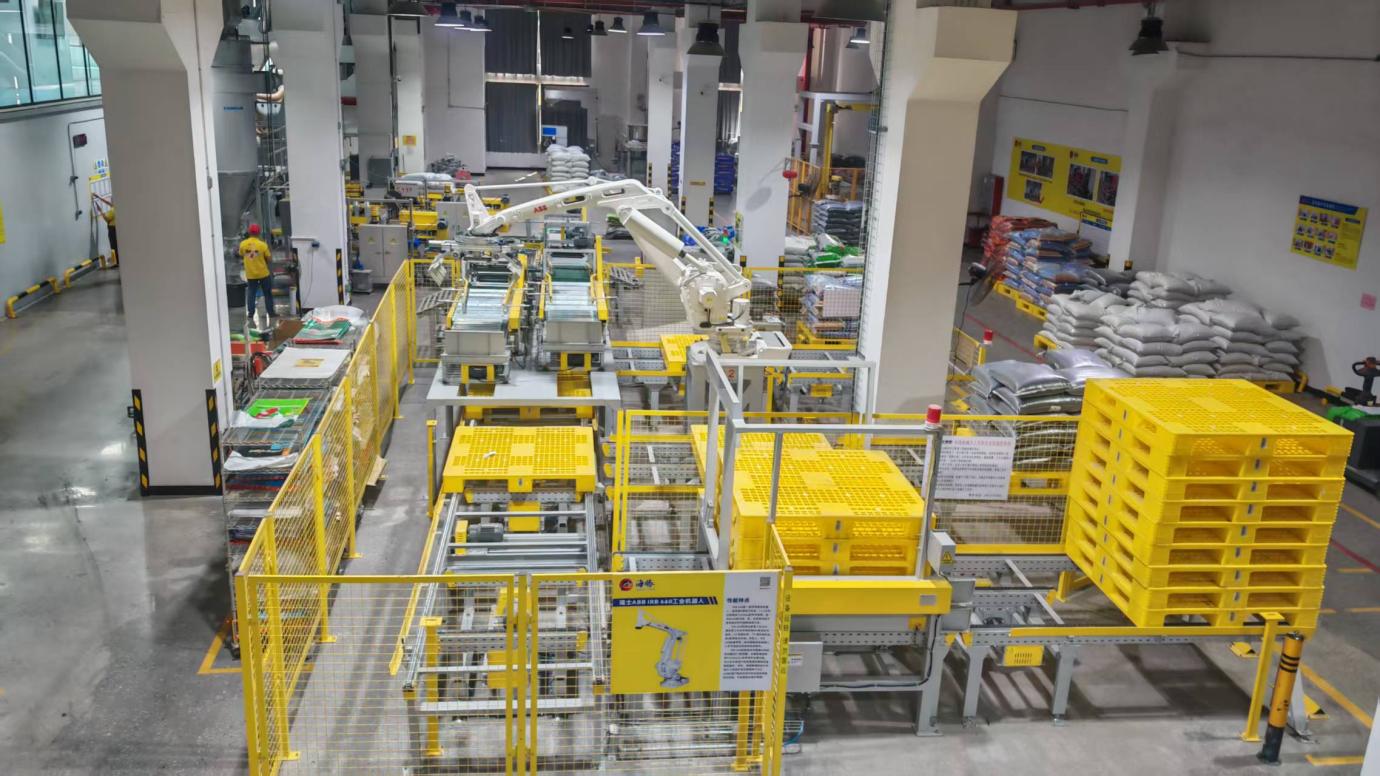

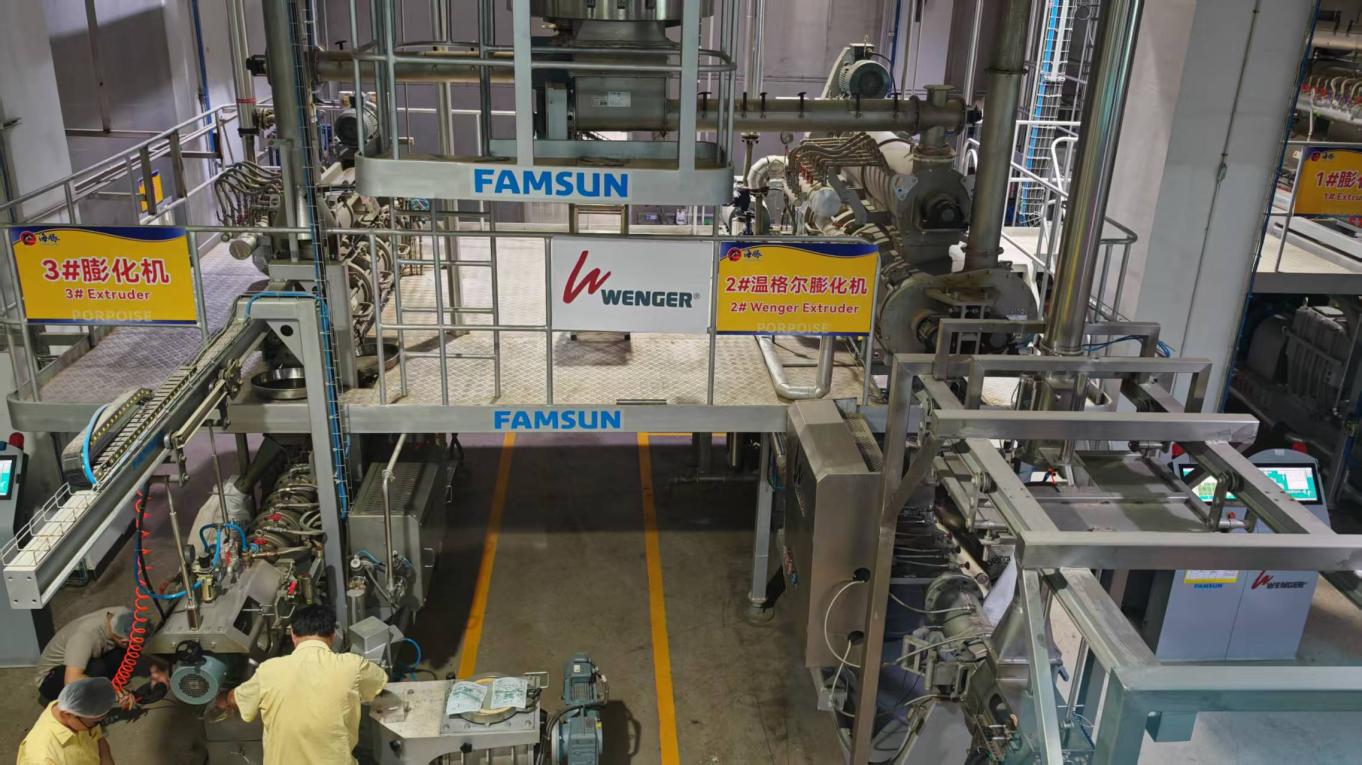
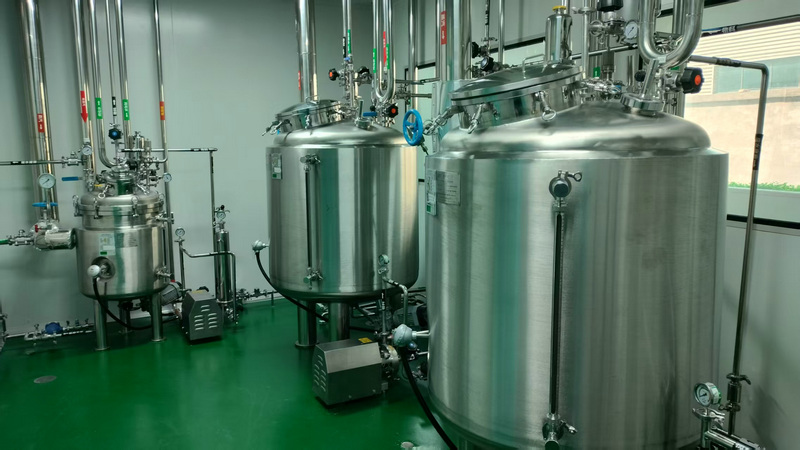
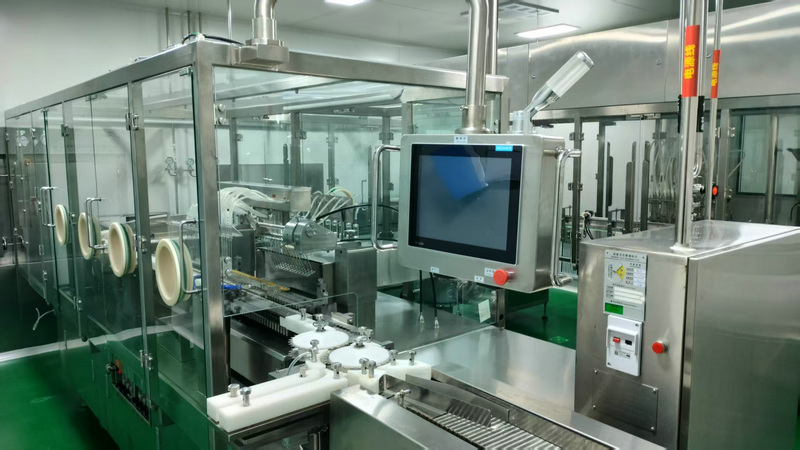
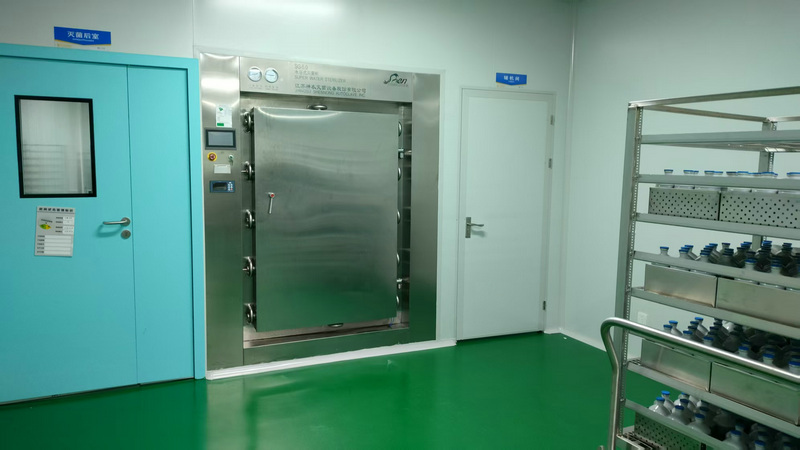
Qingdao Akston Health Co., Ltd. is a trusted manufacturer and global supplier dedicated to delivering innovative health and nutrition solutions for the animal feed industry. With a strong commitment to quality, sustainability, and continuous innovation, we provide high-performance feed additives and nutritional ingredients that support healthier livestock, improved productivity, and safer food production worldwide.
Our comprehensive product portfolio includes choline chloride, amino acids, vitamins, minerals, and other functional feed additives designed to meet the nutritional requirements of poultry, swine, ruminants, aquaculture, and companion animals. Our science-based formulations help optimize animal growth, enhance immune function, improve feed efficiency, and contribute to reducing the reliance on antibiotics in modern livestock production.
At Akston Health, quality is the foundation of everything we do. We work closely with qualified manufacturing partners and implement strict quality control systems throughout sourcing, production, and logistics to ensure every product meets international standards. Our experienced technical team also provides customized solutions and professional support to help customers achieve better production performance and sustainable business growth.
Driven by integrity, innovation, and customer satisfaction, Qingdao Akston Health Co., Ltd. has established long-term partnerships with clients across Asia, Europe, the Middle East, Africa, and the Americas. We are committed to creating lasting value through reliable products, competitive pricing, efficient supply chain management, and responsive customer service.
As your trusted partner in animal nutrition, Akston Health will continue to develop innovative solutions that promote animal health, improve farming efficiency, and contribute to a more sustainable global agriculture industry.
Our specialized Gelatin solutions target structural challenges across modern pharmaceutical manufacturing, clinical nutrition, and agricultural bio-processing. We recognize that industrial applications have varied thresholds, which is why we develop customized technical solutions.
Preventing cross-linking, brittleness, and leakage. By balancing low molecular weights and selecting superior raw materials, our gelatin supports high elasticity and fast dissolution, preventing premature rupture during packaging transit.
Highly purified, sterile-grade medical gelatin featuring zero endotoxin residues. This ensures biocompatibility when configured as sponge-based hemostatic devices, providing rapid fluid absorption and tissue regeneration properties.
Engineered for coating sensitive active compounds such as vitamins, probiotics, and enzyme systems. This mechanism isolates core nutrients from oxidative conditions, increasing stable shelf life across diverse veterinary feed matrices.
Global logistics for proteinaceous matrices demand strict climate-controlled environments and precise import documentation. Our export compliance unit covers local authorization protocols across several continental blocks:
Under EU Regulation (EU) 2017/745 for medical devices and relevant food hygiene standards, our CE marking acts as a passport across EU borders, confirming that all physical properties, microbial profiles, and raw material sourcing meet safety and health requirements.
We maintain strict documentation proving that our raw bovine and porcine sources originate from designated disease-free geographic zones. Every batch of gelatin is accompanied by official veterinary clearance certificates and certified laboratory trace analyses.
Recognizing the dietary requirements of diverse regional markets, our facility lines operate separate channels audited by third-party religious supervision councils, ensuring total segregation of raw biological inputs.
Explore essential responses concerning gelatin parameters, procurement logistics, and testing compliance.