Akston Health
Akston Health
Akston Health
Advanced feed additives and industrial formulations meeting stringent California environmental and biological standards.
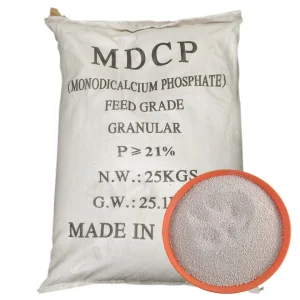
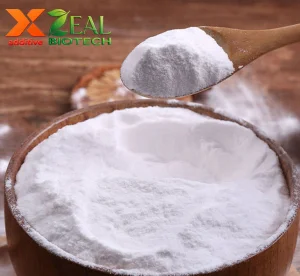
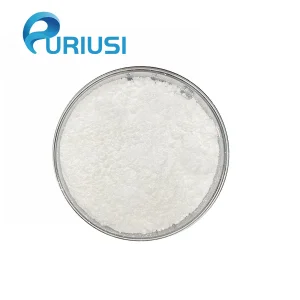
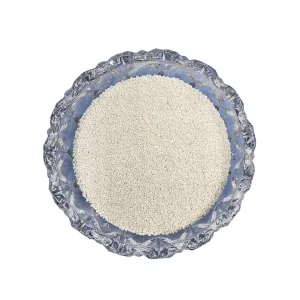
The demand dynamics for Monocalcium Phosphate (MCP) and related inorganic salts in San Francisco and the broader Northern California region are heavily shaped by modern biotechnology, advanced aquaculture projects, and high-standard food processing compliance. Known globally as a center for clean-tech innovation and bio-agricultural research, the San Francisco Bay Area demands chemical ingredients that meet both high physiological efficiency and rigorous ecological profiles.
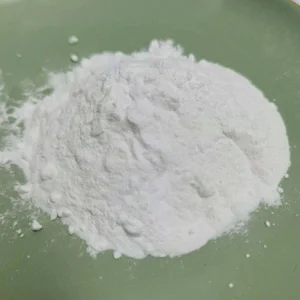
In municipal and agricultural settings, chemical safety and heavy-metal impurities are closely monitored under California Proposition 65. Monocalcium Phosphate, widely implemented as a phosphorus source in animal feed and as an essential leavening acid in food manufacturing, must exhibit low fluorine and arsenic concentrations. Our sourcing methods bypass typical low-grade rock phosphate in favor of high-purity thermal and purified wet-process acids. This results in stable, dry-flow powders and granules ideal for regional distribution networks from the Port of Oakland across California's agricultural heartlands.
Additionally, the rapid expansion of sustainable land-based aquaculture systems in Northern California relies on phosphorus sources with exceptional biological availability. Standard dicalcium phosphate (DCP) exhibits lower solubility in water, leading to excessive phosphorus runoff in effluent. High water-solubility MCP mitigates this environmental footprint, optimizing phosphorus absorption in aquatic species and reducing feed-induced eutrophication risks in local waterways.
Analyzing the shift from traditional wet-process production to clean-acid neutralization for optimized animal nutrition and baking performance.
Modern synthesis of Monocalcium Phosphate Anhydrous [$\text{Ca(H}_2\text{PO}_4)_2$] focuses on reducing intermediate processing energy. Direct reaction of refined calcium carbonate with thermal-grade phosphoric acid ensures that heavy metal pollutants are extracted prior to crystallization. This prevents micro-crystallite contamination, securing high purity levels essential for delicate food applications.
In animal feeding strategies, phosphorus bioavailability dictates raw feed formulation costs. Since monocalcium phosphate is highly water-soluble, its absorption rate in the small intestine is significantly higher than that of dicalcium phosphate. This allows nutritionists to lower total diet phosphorus density, protecting animal kidneys and decreasing environmental excretion.
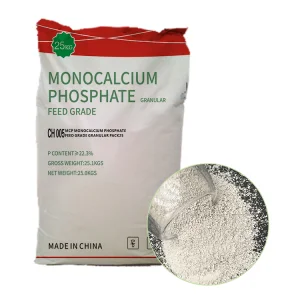
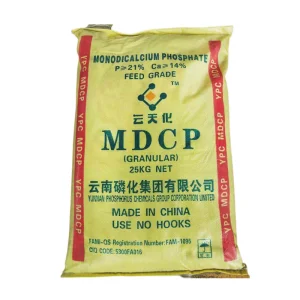
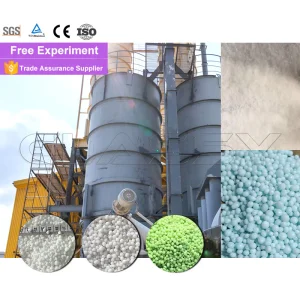
Dust control and physical flowability are crucial in industrial-scale feed mixing plants. Modern drum-granulation technologies yield uniform, non-caking MDCP/MCP structures. These granules exhibit excellent mechanical strength, preventing attrition during maritime shipping while remaining highly dispersible in the gastrointestinal tracts of swine and poultry.
Leveraging China's strategic mineral reserves and automated processing to guarantee consistent supply to North American distributors.
Qingdao Akston Health Co., Ltd. is a leading manufacturer and global exporter specialized in high-performance feed ingredients and food additives. By merging rigorous production management with optimized marine shipping pathways, we provide reliable bulk chemicals to distributors across North America, Europe, and Asia.
Our Monocalcium Phosphate products are processed utilizing high-quality rock phosphate bases, treated with advanced filtration steps to achieve optimal calcium-to-phosphorus ratios. We maintain a reliable supply network from China’s chemical production centers directly to the Port of Oakland, maintaining buffer stocks to buffer against maritime transport variability.
With an experienced technical support and quality inspection crew, Akston Health manages every export stage under strict feed-grade and food-grade guidelines. This includes automated bagging, batch tracing, and third-party laboratory verification (SGS/CCIC). We prioritize long-term distribution partnerships, helping procurement officers secure stable, cost-effective raw materials in dynamic markets.
Our production facilities utilize modern automation, ensuring our chemical specs match strict international levels (including USP, FCC, and European feed directives). From raw mineral reception to finished product packaging, our facilities prioritize energy efficiency and dust mitigation, reflecting our commitment to green manufacturing standards.
Direct view into our ISO-certified processing stages, automated packing, and storage facilities.
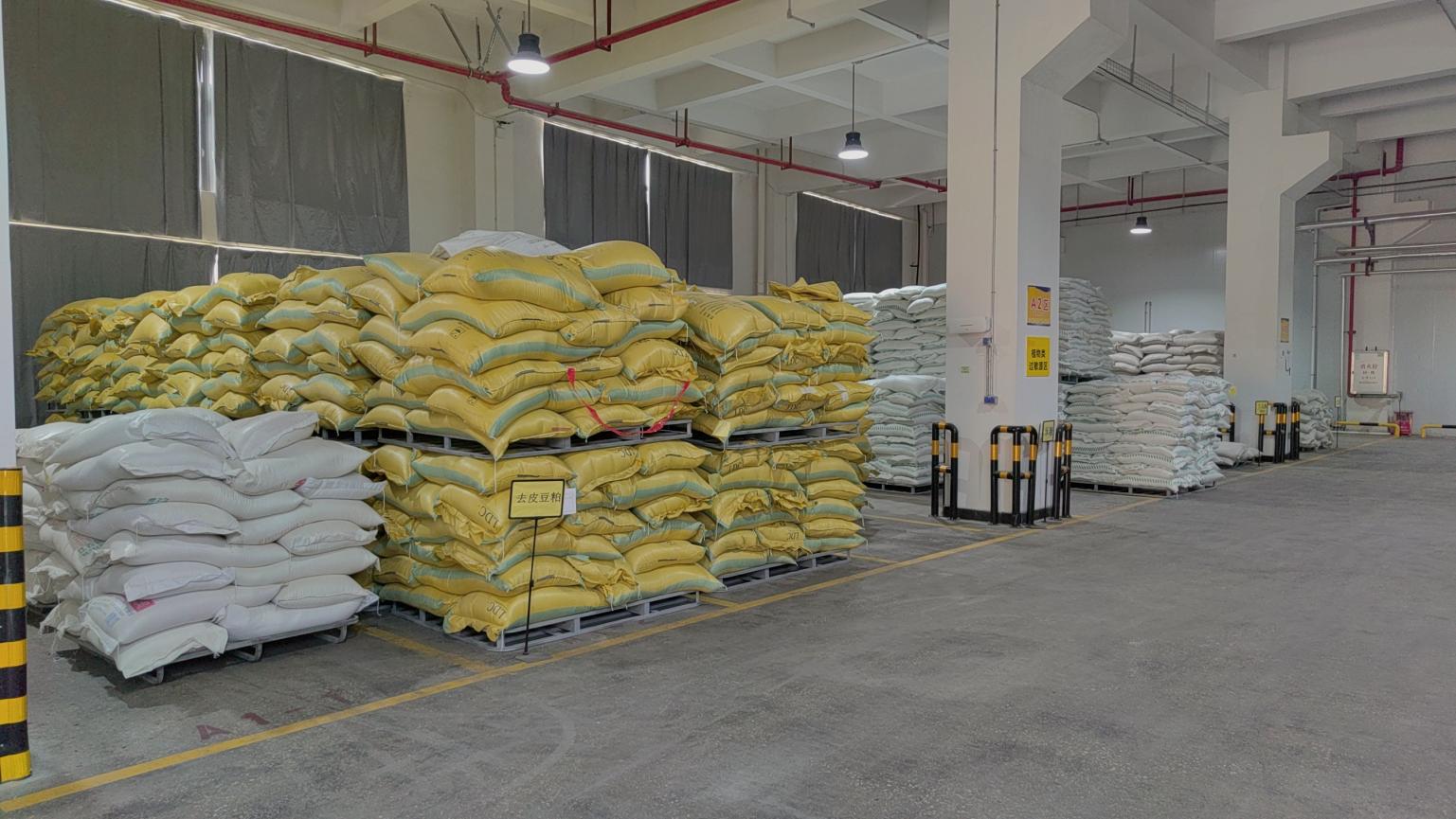
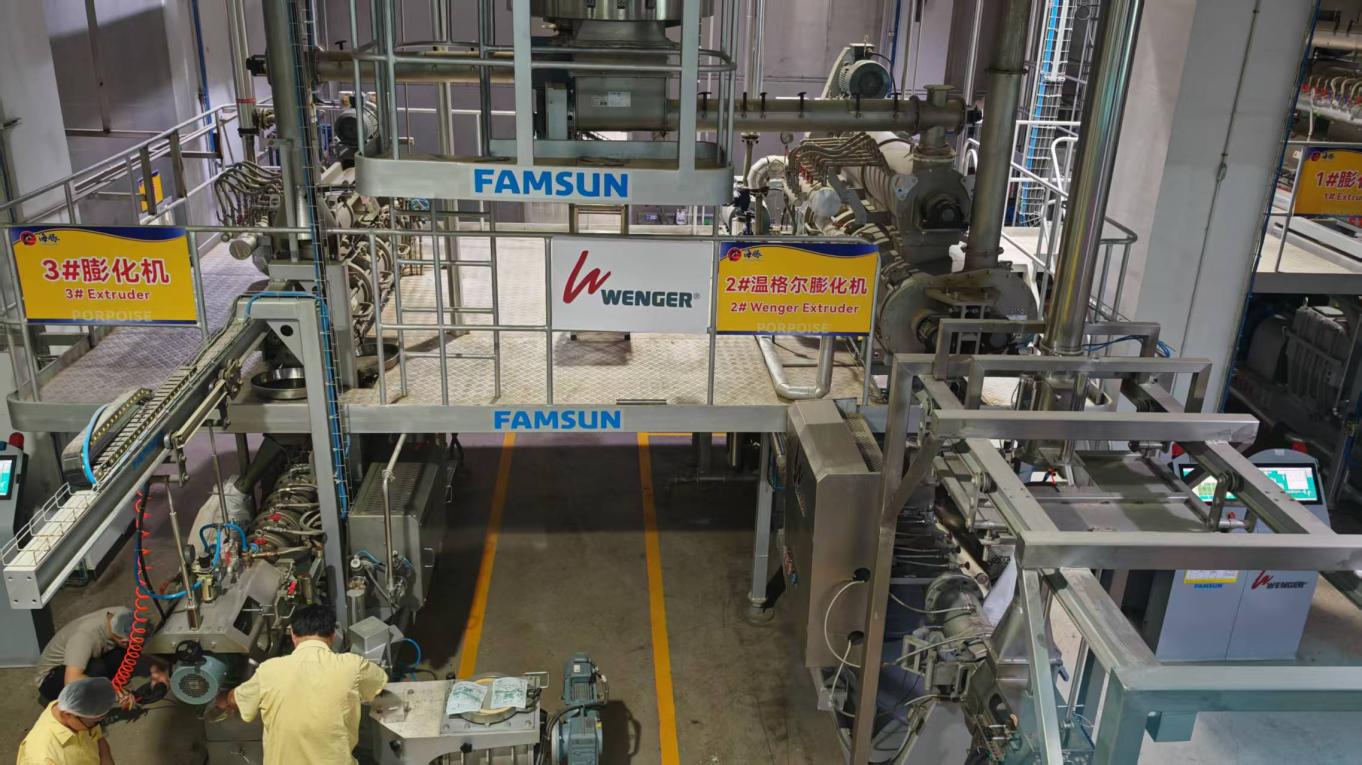
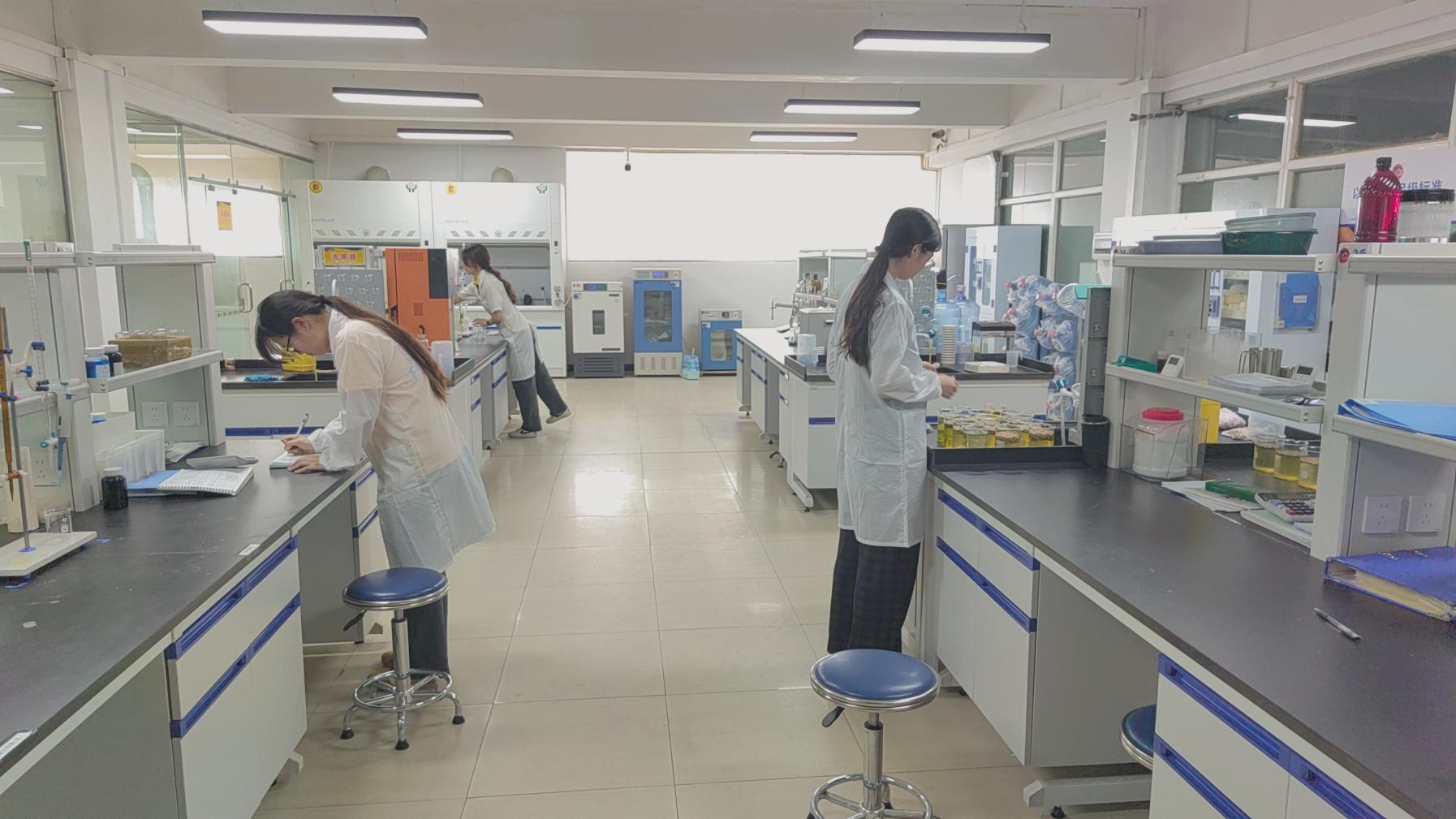
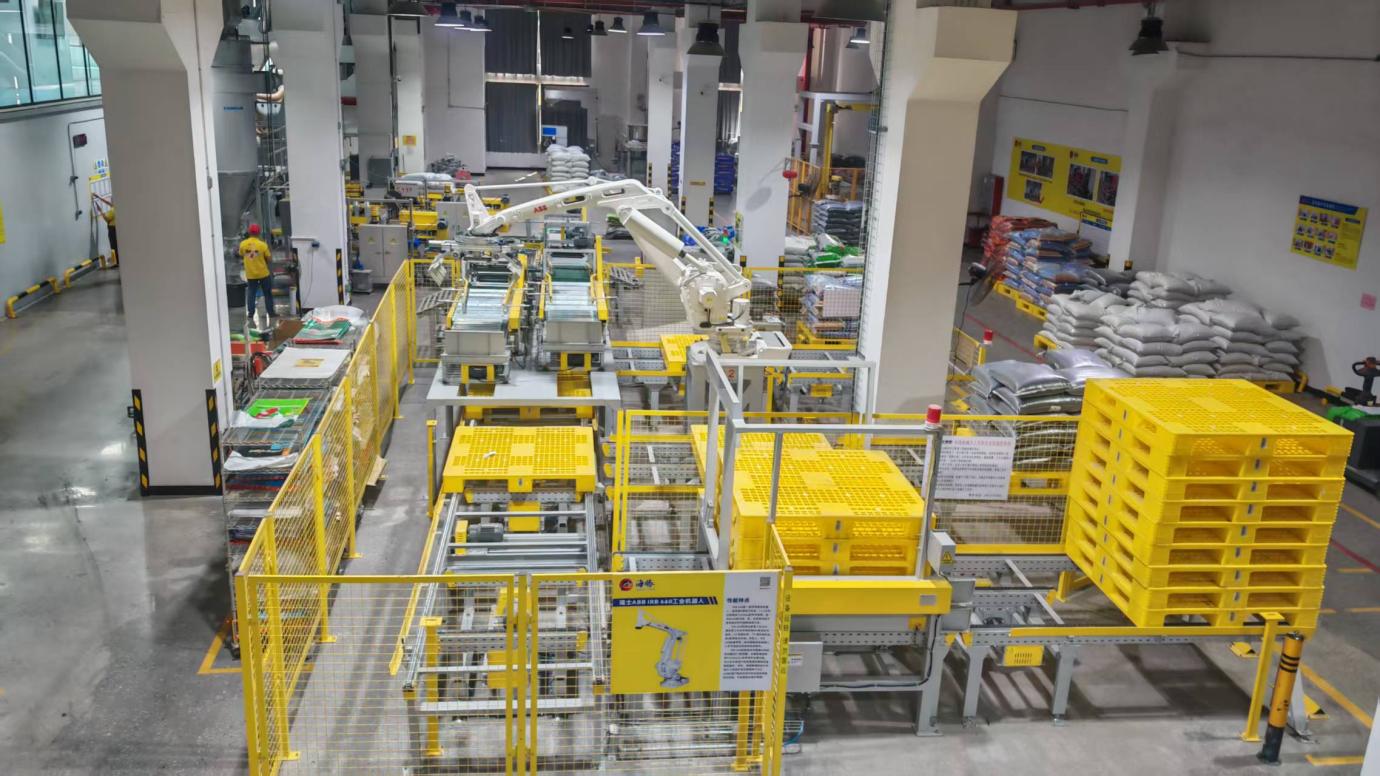

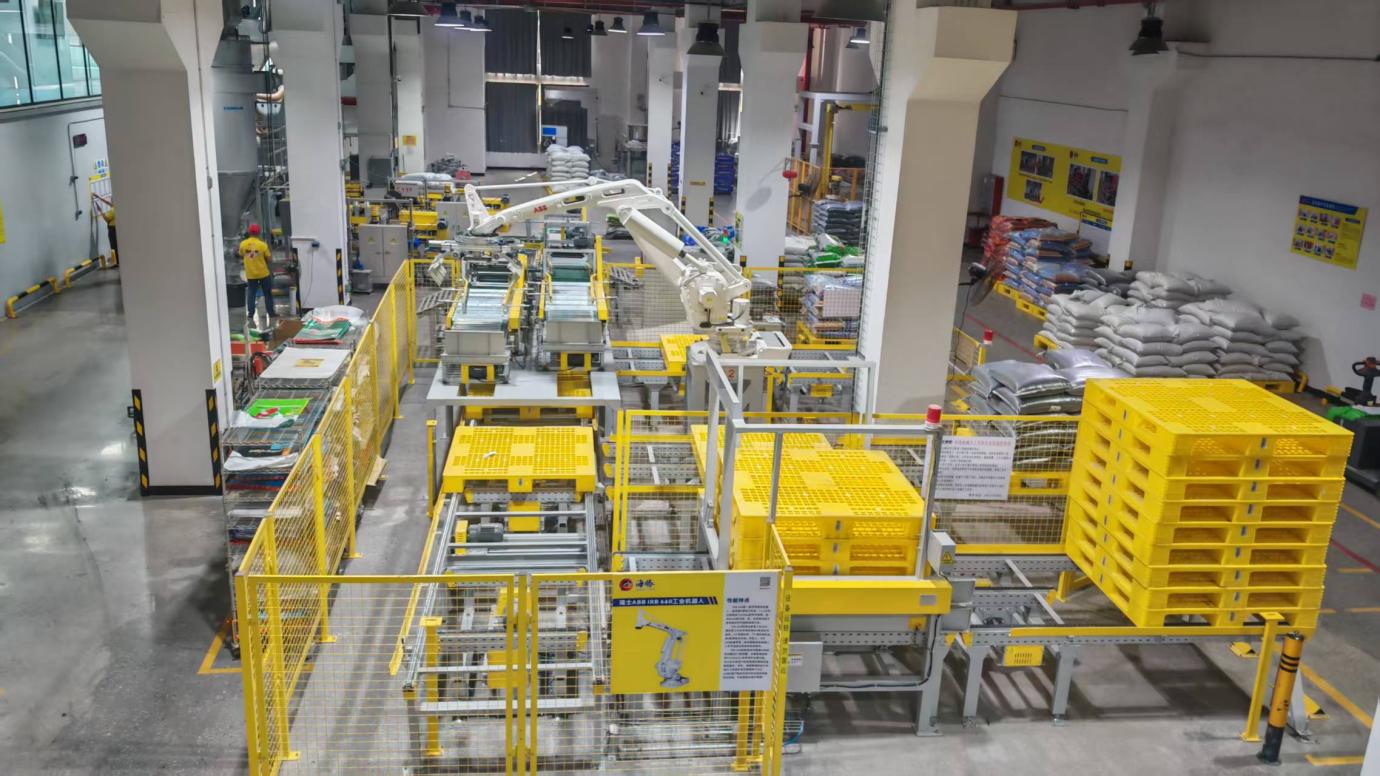
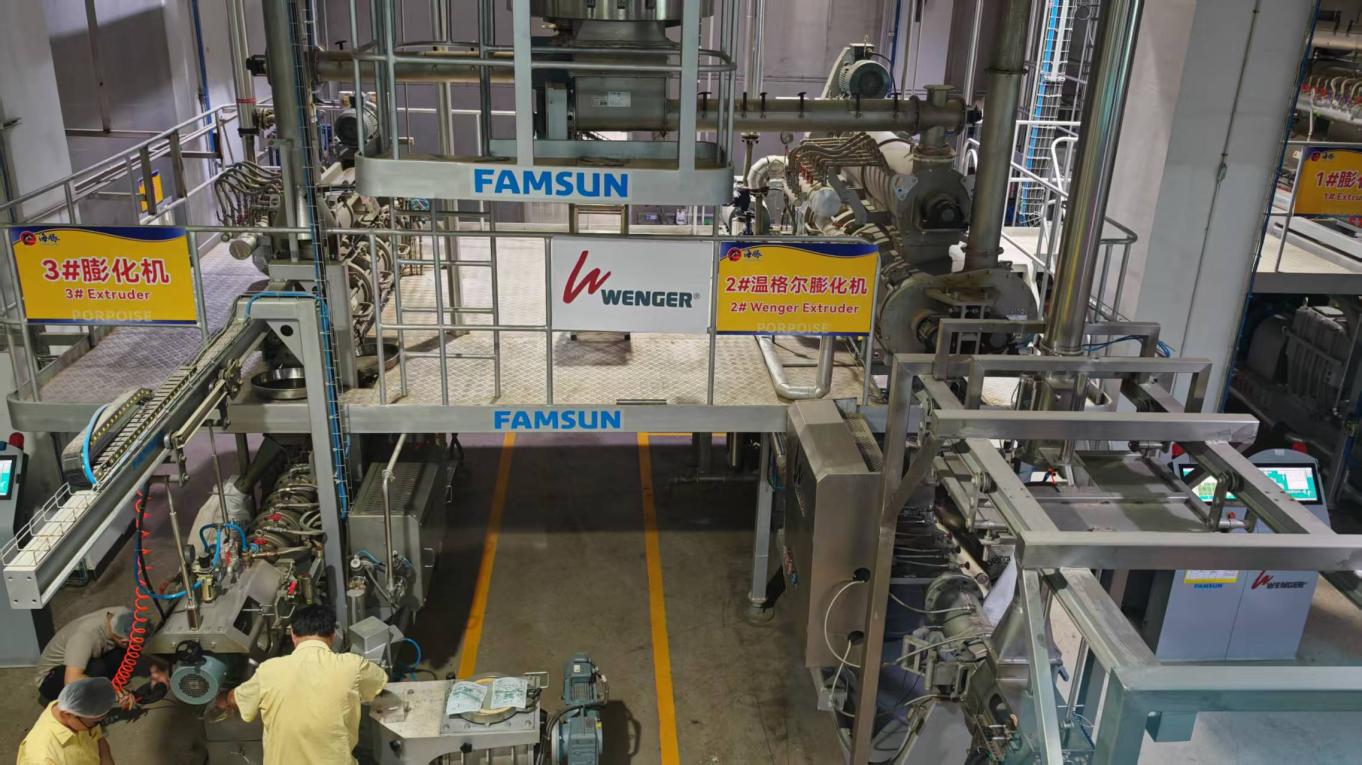
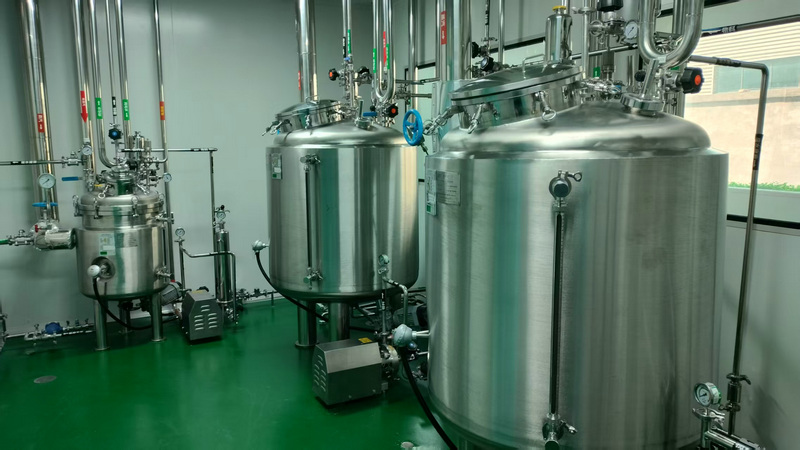
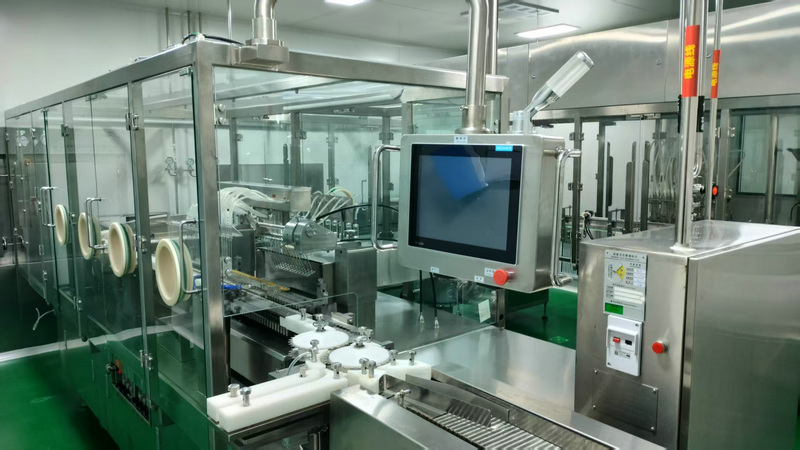
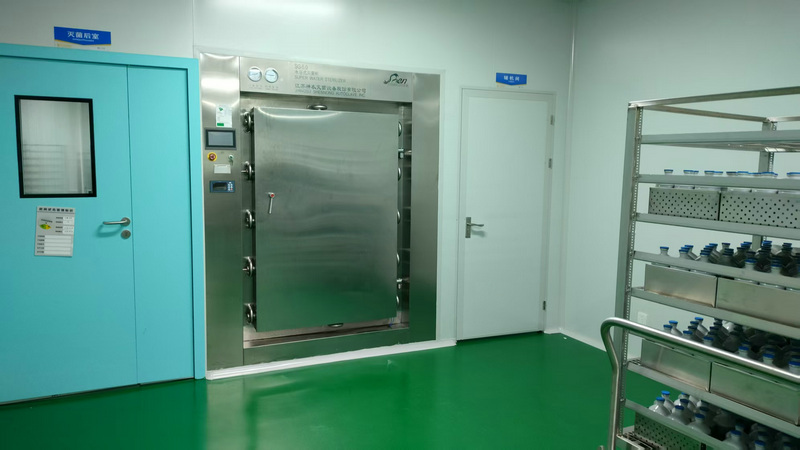
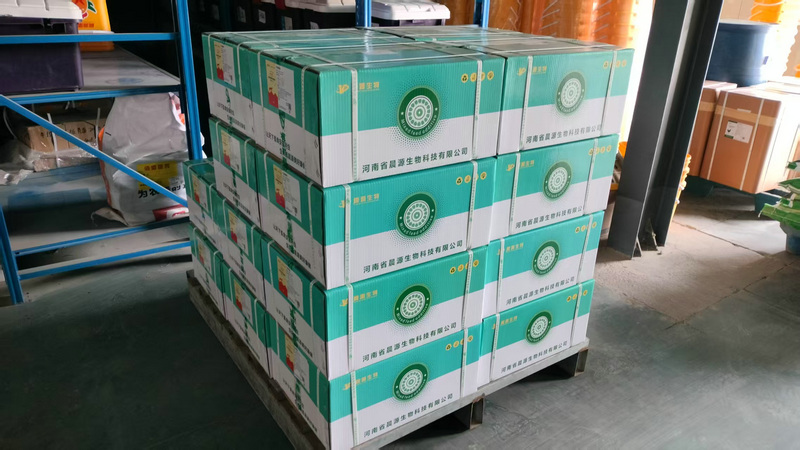
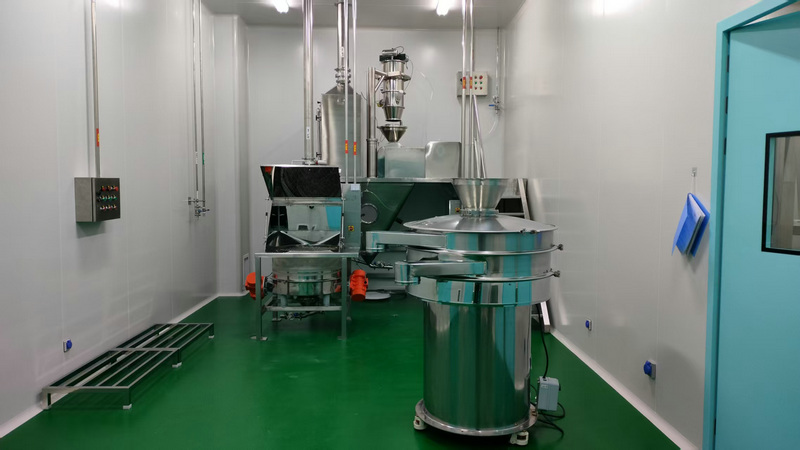
Providing technical clarity on molecular weights, pH limits, and maximum acceptable levels for safe feed and food formulations.
| Parameter | MCP Anhydrous (Food Grade) | MCP Monohydrate (Feed Grade) | Analytical Method |
|---|---|---|---|
| Phosphorus (P) Content | 22.0% - 24.0% | ≥ 22.0% | Spectrophotometry (Quinoline Phosphomolybdate) |
| Calcium (Ca) Content | 15.0% - 17.5% | 15.0% - 18.0% | EDTA Complexometric Titration |
| Fluorine (F) Max | ≤ 10 ppm (0.001%) | ≤ 1800 ppm (0.18%) | Ion-selective Electrode Method |
| Arsenic (As) Max | ≤ 1.0 ppm | ≤ 10 ppm | Atomic Fluorescence Spectrometry |
| Lead (Pb) Max | ≤ 1.0 ppm | ≤ 15 ppm | ICP-MS |
| pH (1% Solution) | 3.0 - 4.5 | 2.8 - 4.0 | Standard Potentiometric Meter |
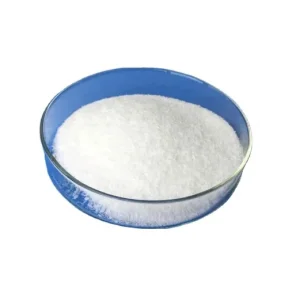
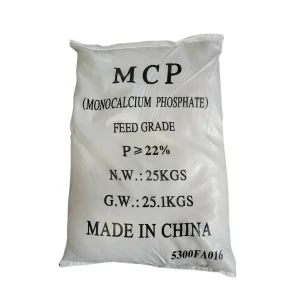
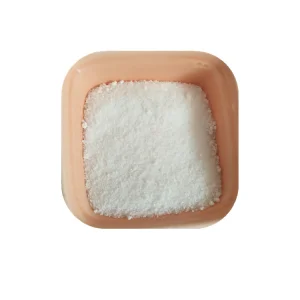
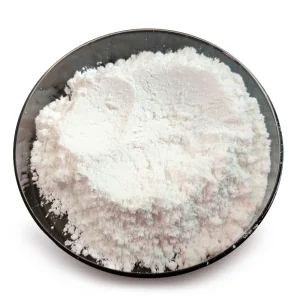
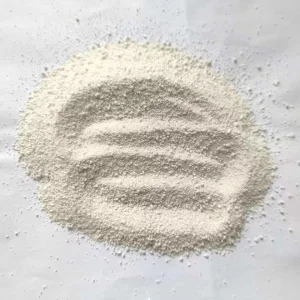
Explore our broad range of high-purity mono-dicalcium phosphates, rock phosphates, and food/feed grade chemical lines.
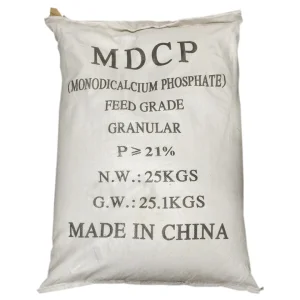
Answers to critical questions regarding compliance, storage, and purchasing cycles for San Francisco Bay Area buyers.
Speak directly with our technical sourcing team to request custom specifications, sample batches, or a detailed shipping estimate to San Francisco.
Send Inquiry Now