Akston Health
Akston Health
Akston Health
Premium grade minerals and additives formulated to satisfy the stringent quality standards of the Japanese feed and food sectors.
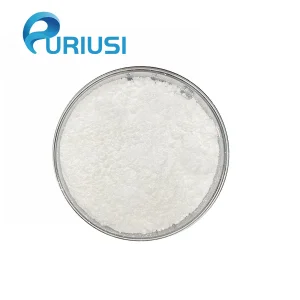
Nagoya, as the heart of Japan's Chubu economic region, serves as a pivotal commercial hub for agricultural logistics, animal husbandry, and marine farming across Aichi, Mie, and Gifu Prefectures. Due to the high concentration of intensive poultry and swine production units in this region, the supply of consistent, bioavailable minerals like Monocalcium Phosphate (MCP) is critical to maintaining productivity while respecting strict environmental regulations.
Unlike traditional inorganic phosphate sources, our Monocalcium Phosphate boasts a water solubility exceeding 90%, directly correlating to an exceptionally high biological value. In aquaculture operations around Ise and Mikawa Bays, where red sea bream, yellowtail, and eel require premium nutrition, phosphorus runoff is a major ecological concern. Using high-solubility, low-impurity MCP drastically minimizes fecal phosphorus output, helping farms align with Japan's rigorous environmental preservation standards.
By importing directly through the Port of Nagoya, feed millers and food manufacturers secure a robust supply chain characterized by minimal transit latency and direct access to bulk distribution networks.
Consult Our Nagoya Supply Team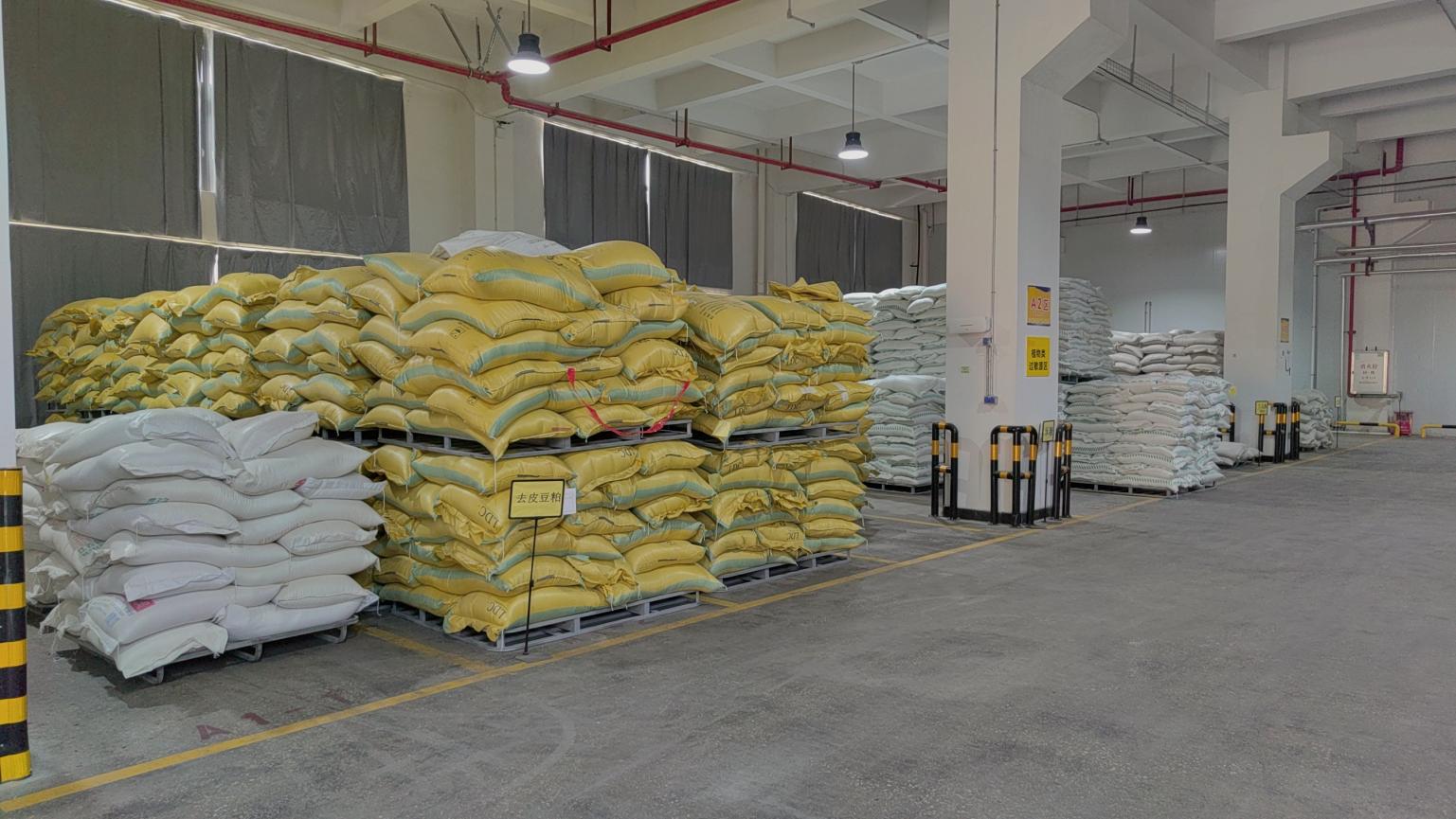
Understanding the physiological advantages of Monocalcium Phosphate over standard alternatives.
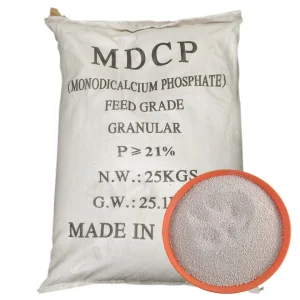
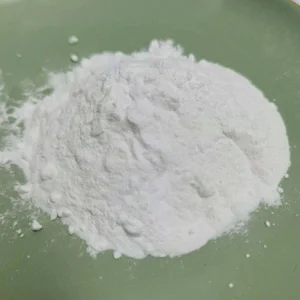
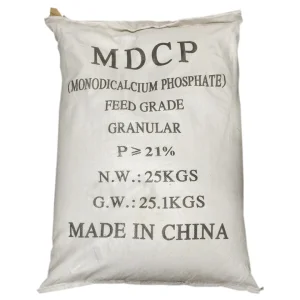
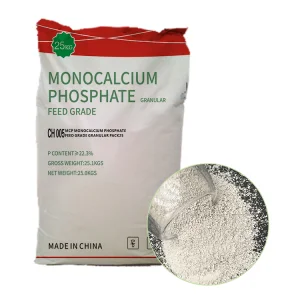
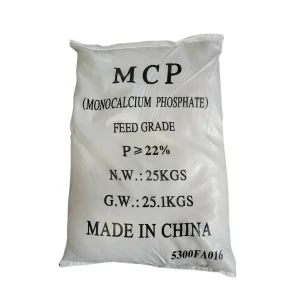
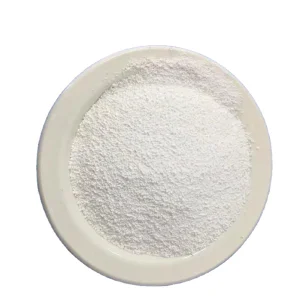
Monocalcium Phosphate (MCP), chemically represented as Ca(H2PO4)2•H2O, provides a highly soluble form of phosphorus. Its high acidity allows for rapid dissolution in the acidic environments of the gastric tract of poultry and swine, enabling near-complete intestinal absorption. This contrasts sharply with Dicalcium Phosphate (DCP), which requires a far more intense acid digestion phase, resulting in lower biological value.
A primary criterion under Japan's Ministry of Agriculture, Forestry and Fisheries (MAFF) guidelines is the heavy metal index. Our production line maintains strict controls over the Fluorine-to-Phosphorus ratio. By utilizing high-purity thermal phosphoric acid combined with refined calcium carbonate, the fluorine levels are kept consistently below 0.18%, guaranteeing compliance with both livestock and aquatic safety standards.
For modern aquaculture plants in the Chubu region, phosphorus levels must be meticulously balanced. Excess phosphorus discharge triggers eutrophication in inland and coastal waters. The high biological availability of our aquaculture-grade MCP allows feed manufacturers to formulate low-phosphorus, high-performance diets, reducing target organic waste while optimizing feed conversion ratios (FCR).
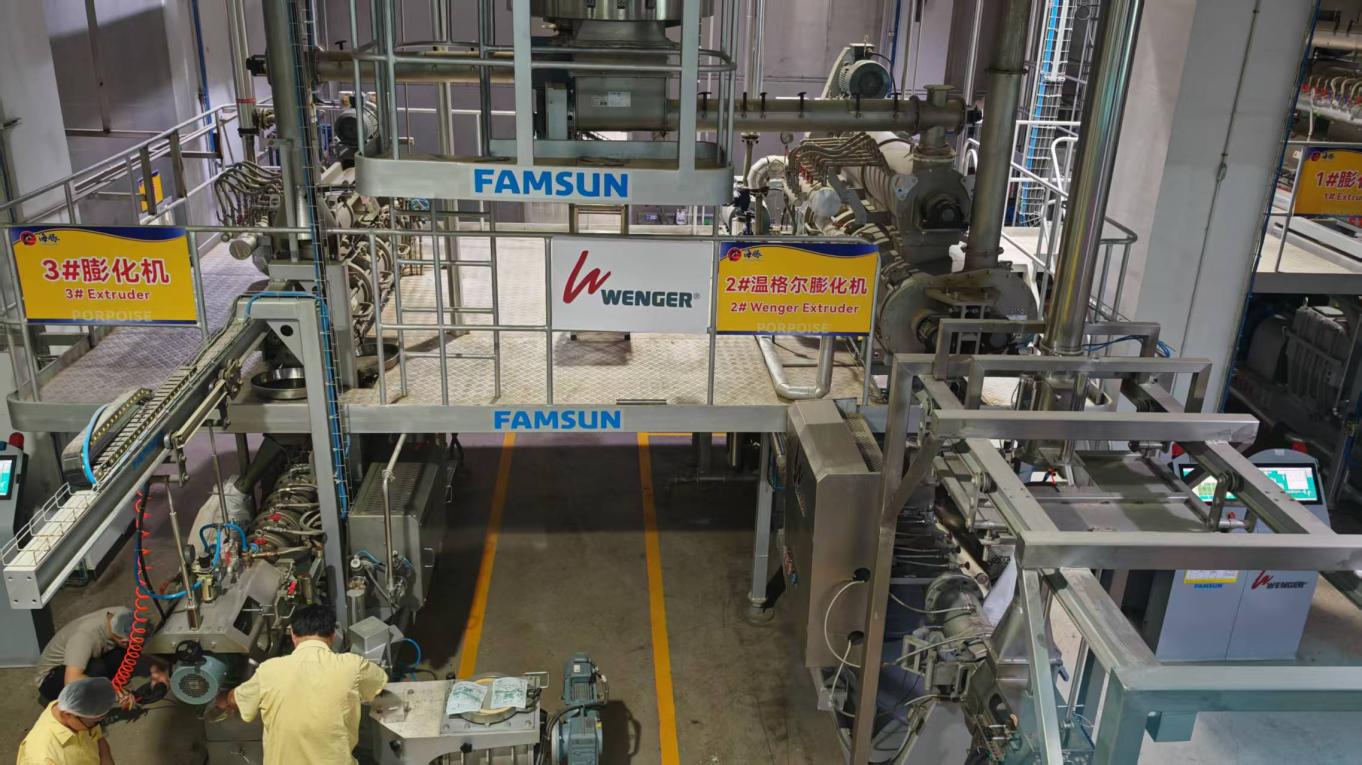
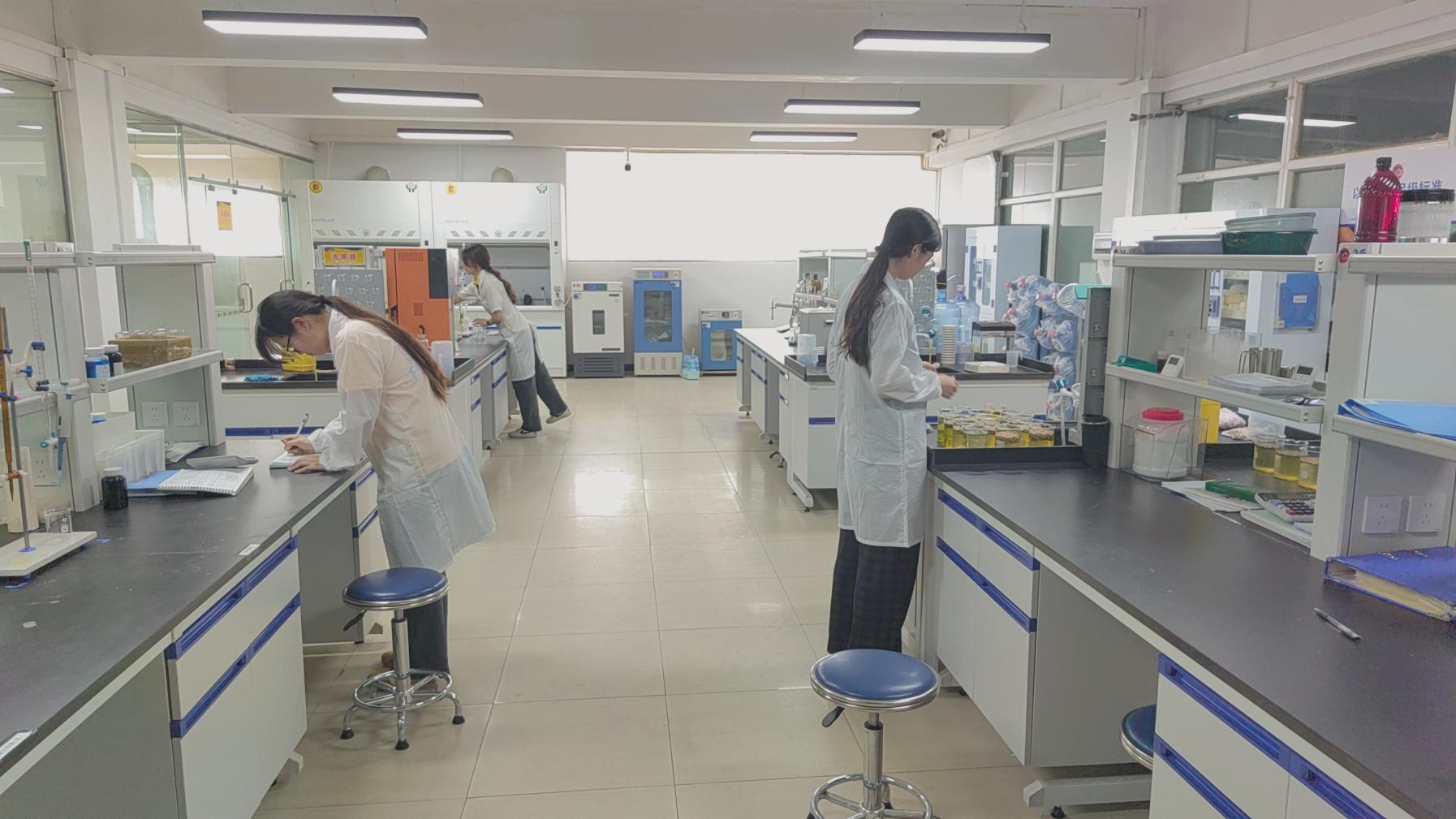
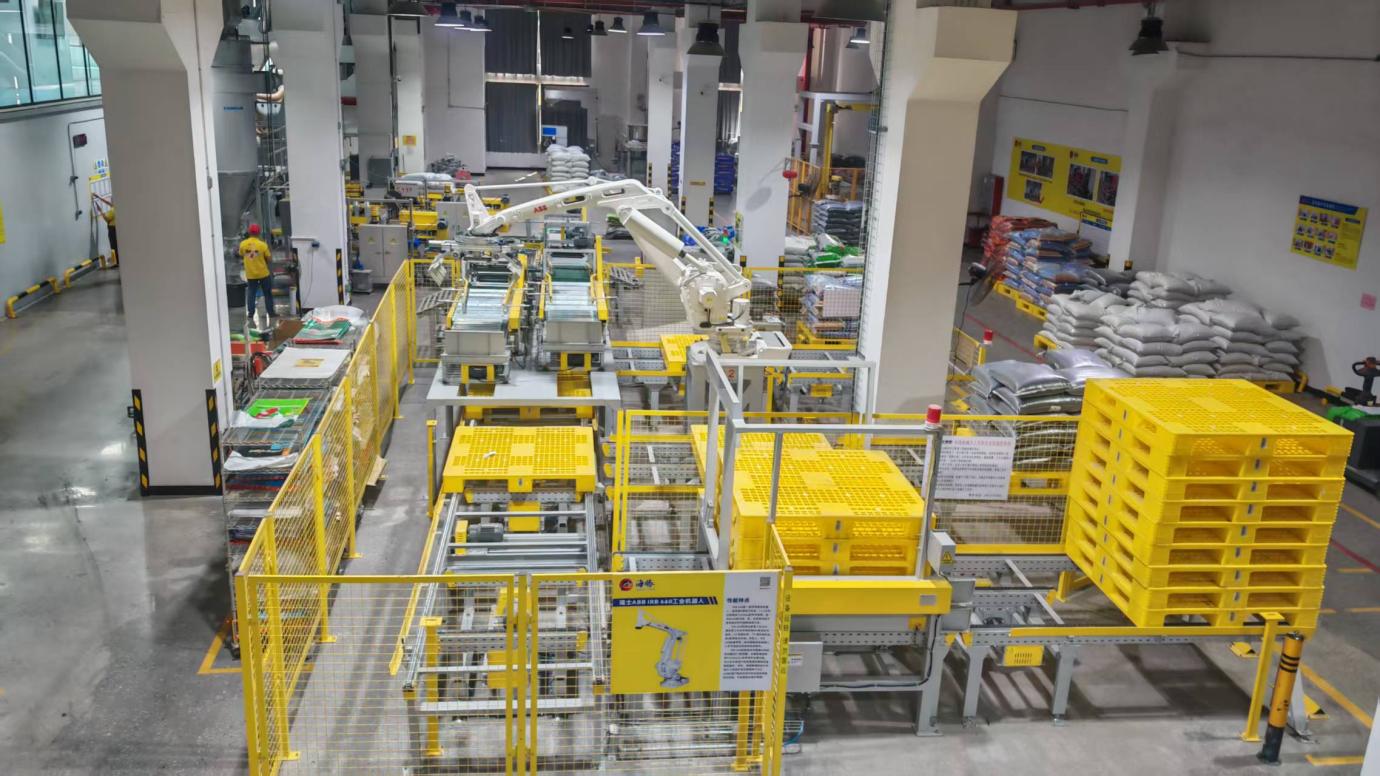
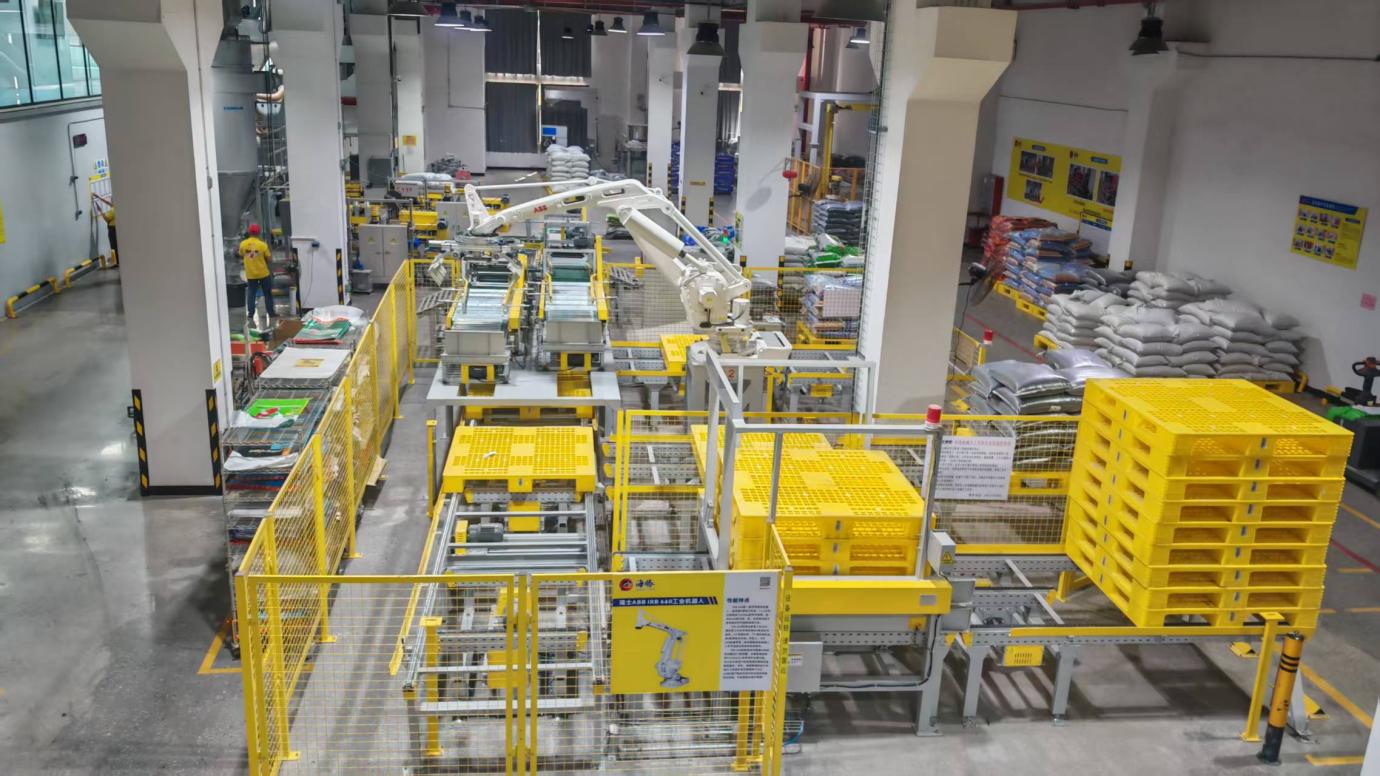
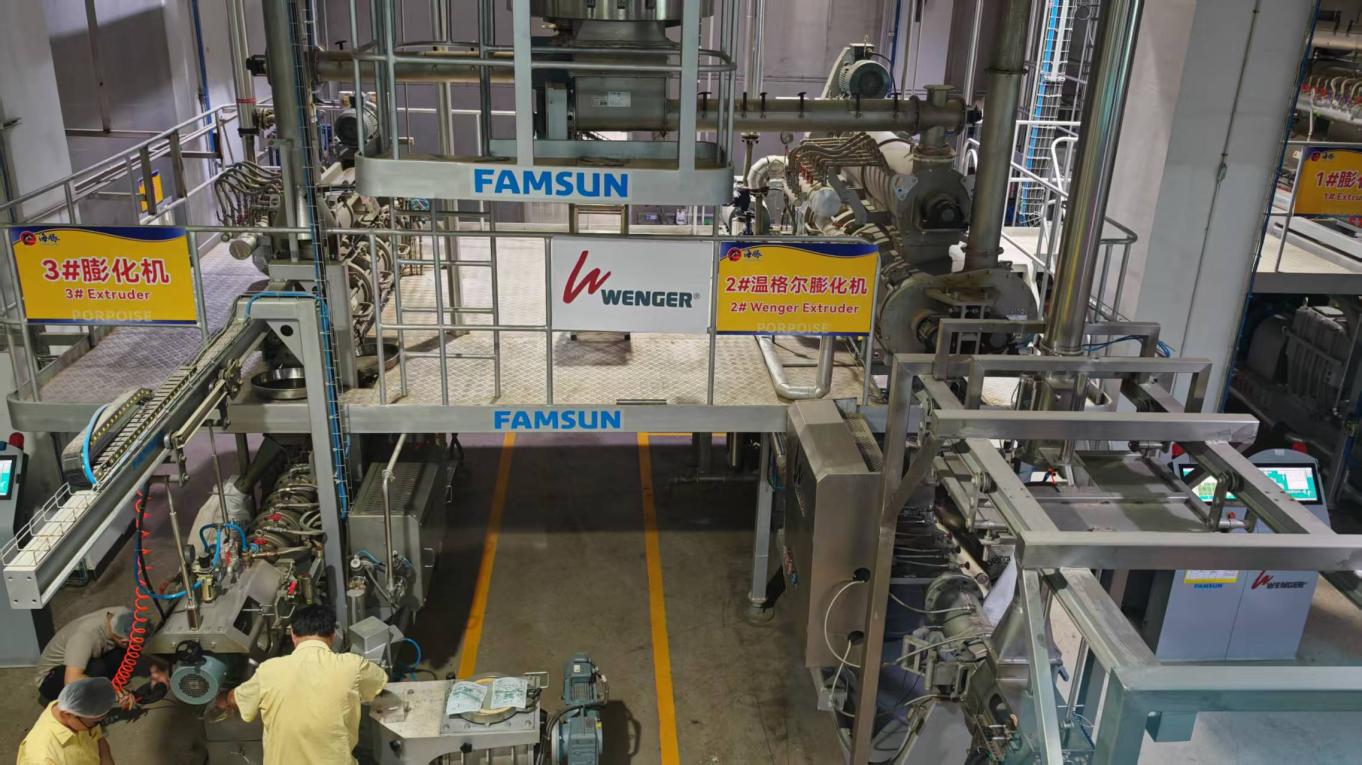
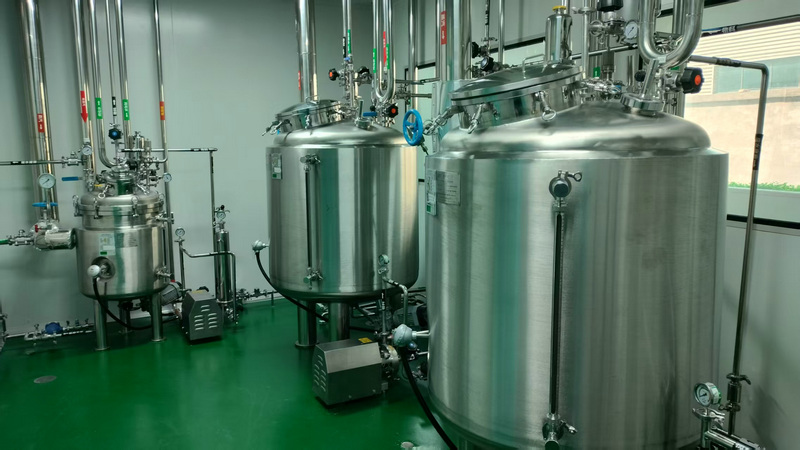
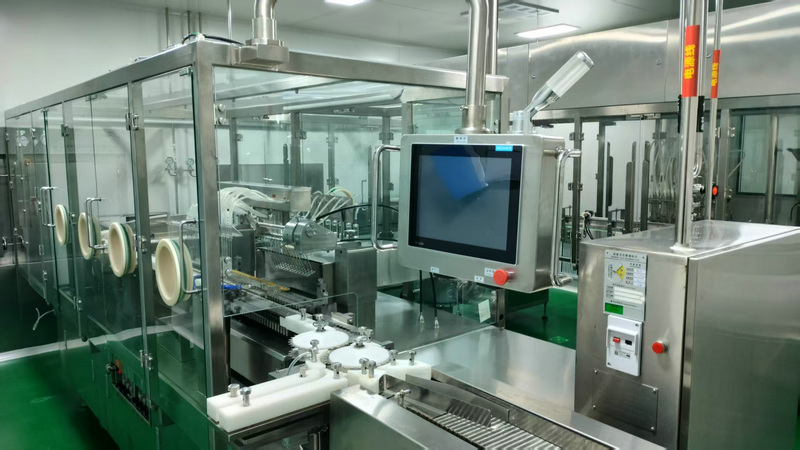
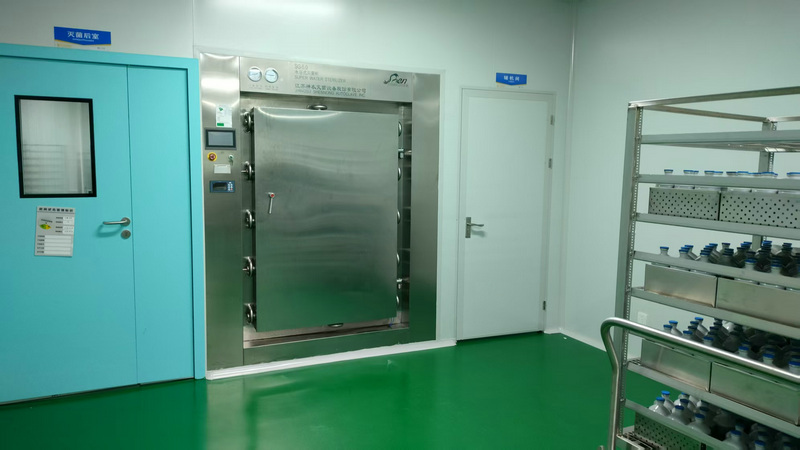
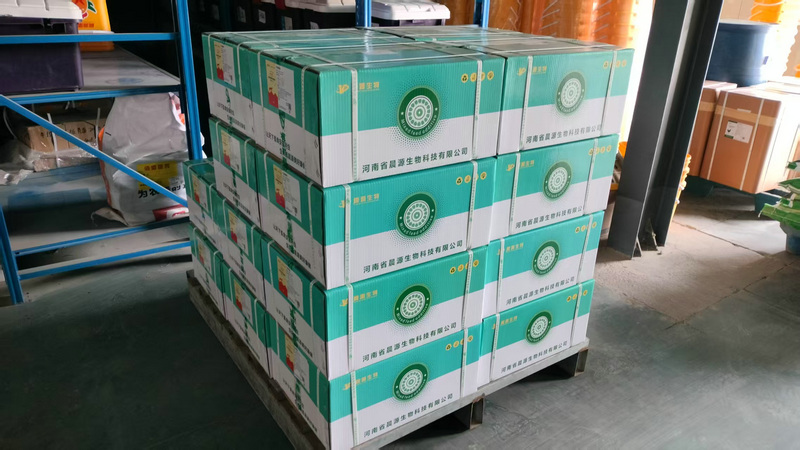
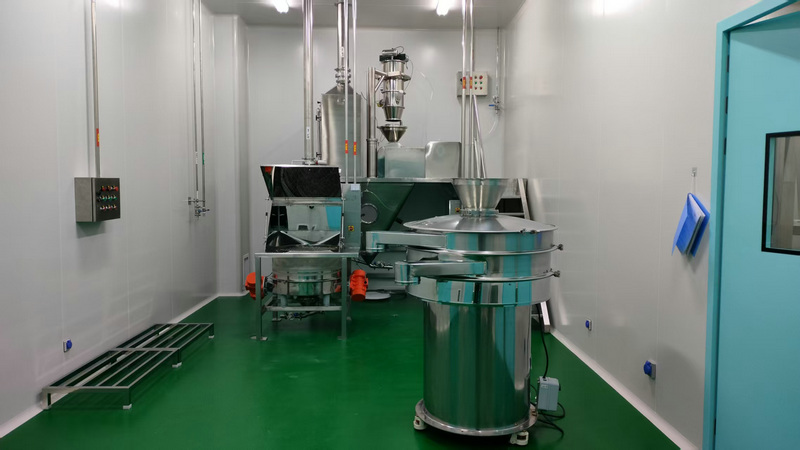
Explore our production facilities and modern monitoring systems, proving traceablity and consistent performance.
As a global supplier specialized in high-performance feed ingredients and mineral additives, we operate a sophisticated manufacturing infrastructure designed to meet the demands of international clients in Nagoya and surrounding Japanese districts.
Quality management forms the bedrock of our company. From sourcing the raw phosphate rock to the final bagging process, we implement strict quality controls at each phase. Our technical teams monitor impurity parameters—especially heavy metals like Lead (Pb), Arsenic (As), and Cadmium (Cd)—using inductively coupled plasma mass spectrometry (ICP-MS).
By employing fully automated packaging and robotic warehousing, we eliminate contamination risks, ensuring that every shipment to Japan maintains its integrity from port to farm.
Request a Custom Batch Analysis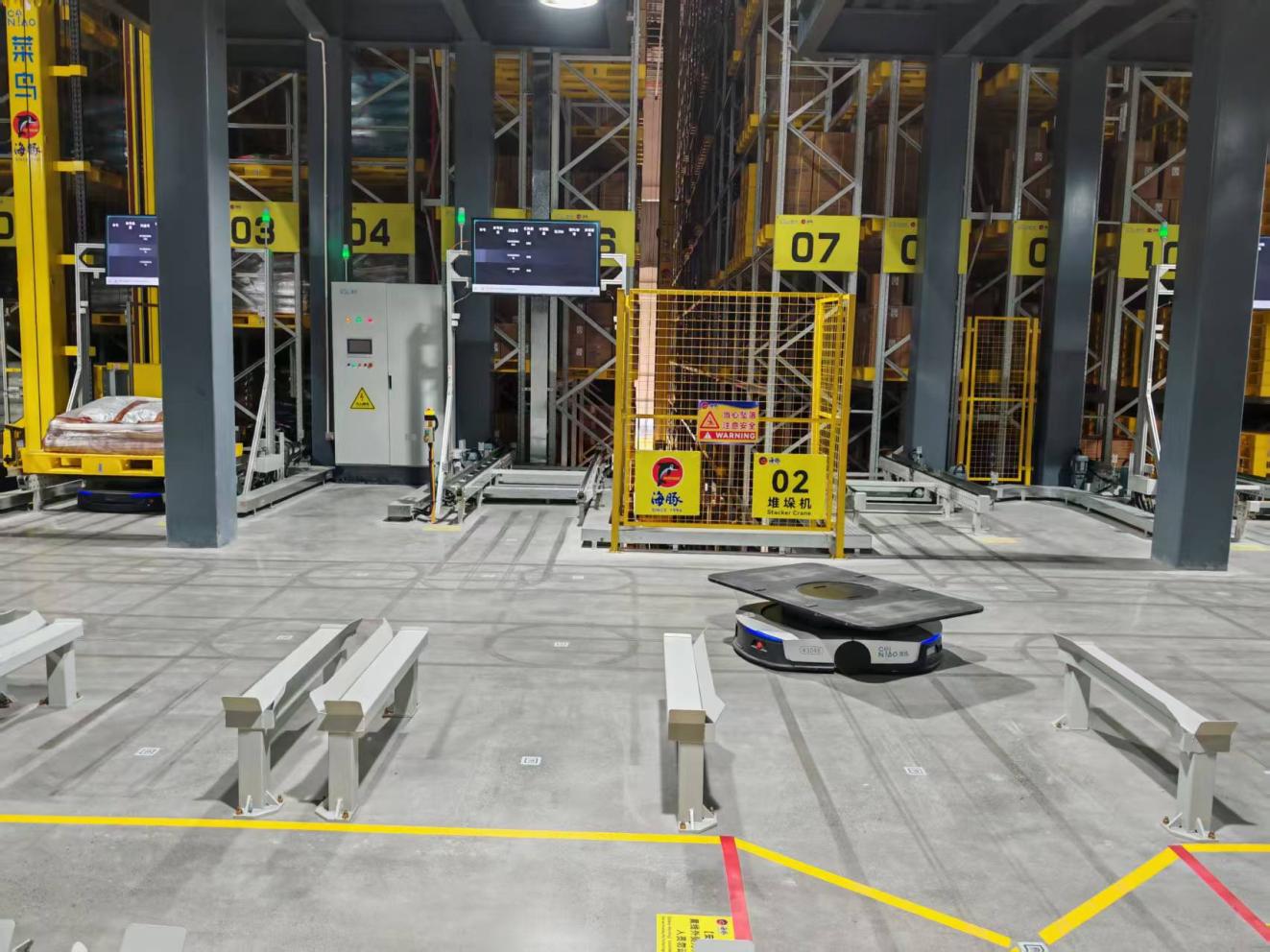
In-depth responses to critical technical queries raised by Japanese nutritionists and global procurement directors.
Explore our complete catalog of feed, food, and industrial grade phosphates tailored to support local industries near Nagoya.
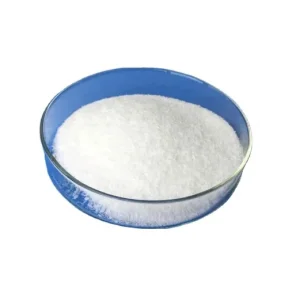
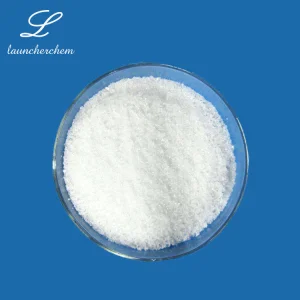
Qingdao Akston Health Co., Ltd. has established an integrated supply network linking production centers with high-demand destinations across Asia, Europe, and the Americas. Because Nagoya holds a key position in our distribution strategy, we reserve dedicated warehouse allocations near key transit nodes to accommodate sudden fluctuations in market demand.
Whether you represent a large-scale commercial feed mill in Aichi Prefecture or a specialized food formulation facility in downtown Nagoya, our technical sales office offers support throughout the import procedure. We manage customs compliance, certificate verification, and marine insurance, ensuring that you receive your products on time and in perfect condition.
Leverage our scientific feed formulation support to optimize cost-efficiency without compromising the dietary needs of your animals.
Initiate Nagoya Supply ContractConnect with our technical engineers and supply chain specialists today. Secure your bulk quotes, technical data sheets, and custom batch analyses.
Send Inquiry Now