Akston Health
Akston Health
Akston Health
Taurine (2-aminoethanesulfonic acid) is a vital organic compound widely used in pet food formulations, animal nutrition, human health supplements, and pharmaceutical therapies. As global demand escalates due to surging pet ownership and intensive aquaculture practices, finding a trusted taurine manufacturer and factory is paramount for global sourcing executives. Supply chain security, high chemical purity (assay ≥98.5% for feed grade, ≥99.0% for food/pharma grade), and international compliance certifications form the bedrock of sustainable sourcing.
This comprehensive industry analysis details the structural dynamics of modern chemical synthesis, details the comparative logistics of importing from China, outlines localized compliance architectures, and guides enterprise buyers through quality-assurance benchmarks designed to satisfy the strict requirements of regulatory frameworks globally.
Analyzing advanced chemical production pathways. We utilize the Ethylene Oxide (EO) process and Monoethanolamine (MEA) routes under strict thermodynamic controls to minimize raw material variance and optimize crystallographic purity.
Uncompromising compliance alignment. Every batch undergoes rigorous HPLC and ICP-MS testing to guarantee non-detectable heavy metal levels, matching the regulatory needs of FAMI-QS, FDA GRAS, and EU food safety standards.
Strategically situated near key domestic chemical clusters and deep-water ports. We secure uninterrupted supply lines, protective bulk-packaging architectures, and direct intercontinental shipping channels.
Qingdao Akston Health Co., Ltd. is a trusted manufacturer and global supplier dedicated to delivering innovative health and nutrition solutions for the animal feed industry. With a strong commitment to quality, sustainability, and continuous innovation, we provide high-performance feed additives and nutritional ingredients that support healthier livestock, improved productivity, and safer food production worldwide.
Our comprehensive product portfolio includes choline chloride, amino acids, vitamins, minerals, and other functional feed additives designed to meet the nutritional requirements of poultry, swine, ruminants, aquaculture, and companion animals. Our science-based formulations help optimize animal growth, enhance immune function, improve feed efficiency, and contribute to reducing the reliance on antibiotics in modern livestock production.
At Akston Health, quality is the foundation of everything we do. We work closely with qualified manufacturing partners and implement strict quality control systems throughout sourcing, production, and logistics to ensure every product meets international standards. Our experienced technical team also provides customized solutions and professional support to help customers achieve better production performance and sustainable business growth.
Driven by integrity, innovation, and customer satisfaction, Qingdao Akston Health Co., Ltd. has established long-term partnerships with clients across Asia, Europe, the Middle East, Africa, and the Americas. We are committed to creating lasting value through reliable products, competitive pricing, efficient supply chain management, and responsive customer service.
As your trusted partner in animal nutrition, Akston Health will continue to develop innovative solutions that promote animal health, improve farming efficiency, and contribute to a more sustainable global agriculture industry.
China represents the largest global production hub for Taurine, capturing over 80% of global market capacity. This concentration of production capability is not merely a matter of scale, but is driven by robust petrochemical integration and technological advantages:
| Specification Parameter | Feed Grade Standard | Food / Pharma Grade Standard |
|---|---|---|
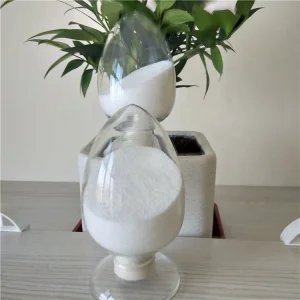
| Assay (C₂H₇NO₃S) | 98.5% Min | 99.0% - 101.0% |
| Appearance | White crystalline powder | White needle-like crystals |
| Loss on Drying | ≤ 0.5% | ≤ 0.2% |
| Residue on Ignition | ≤ 0.2% | ≤ 0.1% |
| Heavy Metals (as Pb) | ≤ 10 ppm | ≤ 5 ppm |
| Arsenic (As) | ≤ 2 ppm | ≤ 1 ppm |
Deploying Taurine globally requires deep understanding of localized regulatory environments. Akston Health ensures that chemical components align perfectly with the target destination's legal mandates:
In the EU, Taurine is authorized as a sensory additive (functional group: colorants, flavorings, and complementary nutrients) under Regulation (EC) No 1831/2003 for dogs, cats, and carnivorous fish. Any factory exporting to Europe must possess a valid FAMI-QS registration and a designated EU representative to manage safety dossiers.
For the North American market, taurine used in pet foods must comply with the Association of American Feed Control Officials (AAFCO) ingredient definitions. Quality validation must support FDA GRAS (Generally Recognized as Safe) metrics, proving that the synthetic residues (e.g., ethylene glycol or vinyl sulfonate traces) are below detectable thresholds.
Although taurine is synthetic, cross-contamination risks during processing require dedicated plant audits. Our trusted factories maintain annual, certified Halal and Kosher audits to support compliance for premium international food and supplement brands.
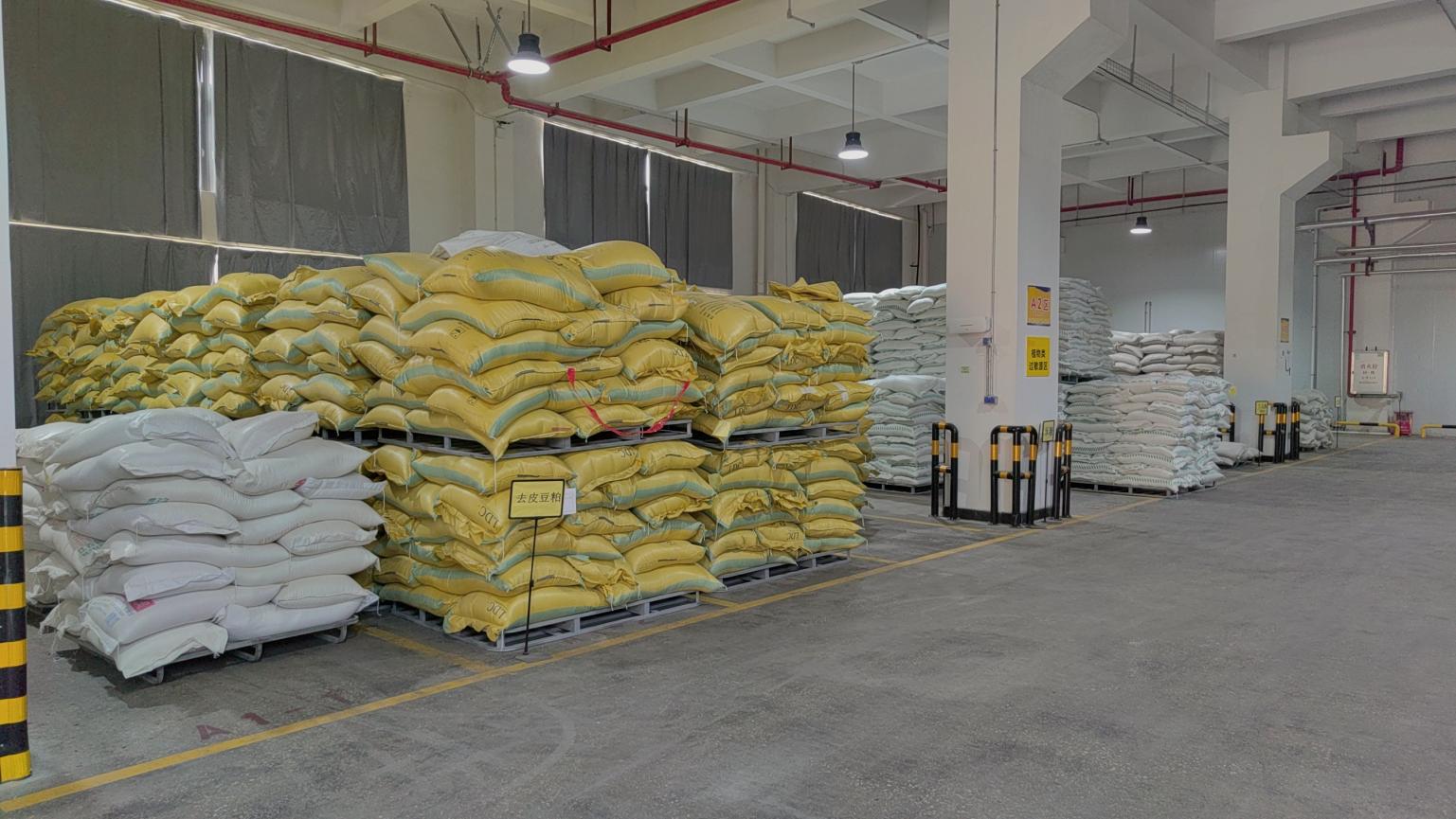
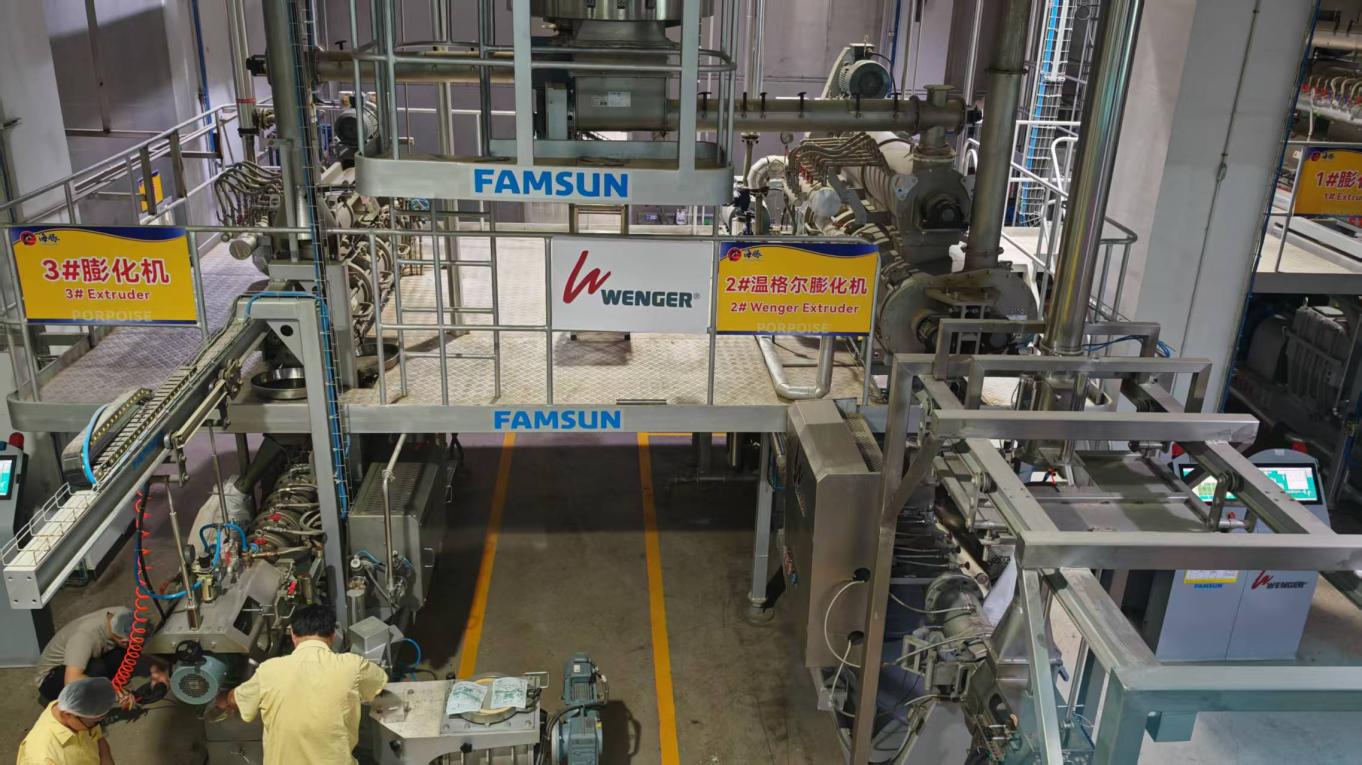
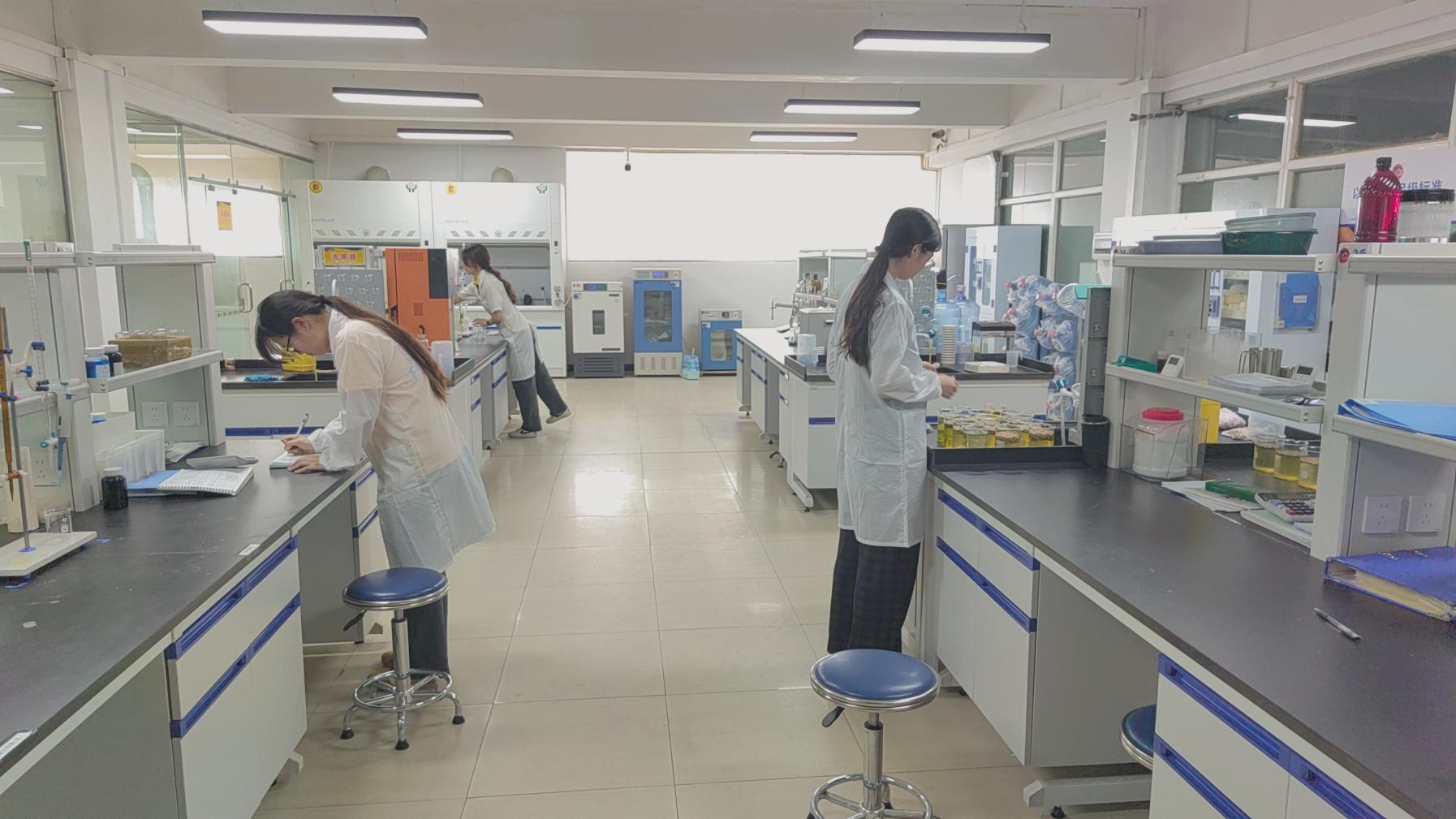
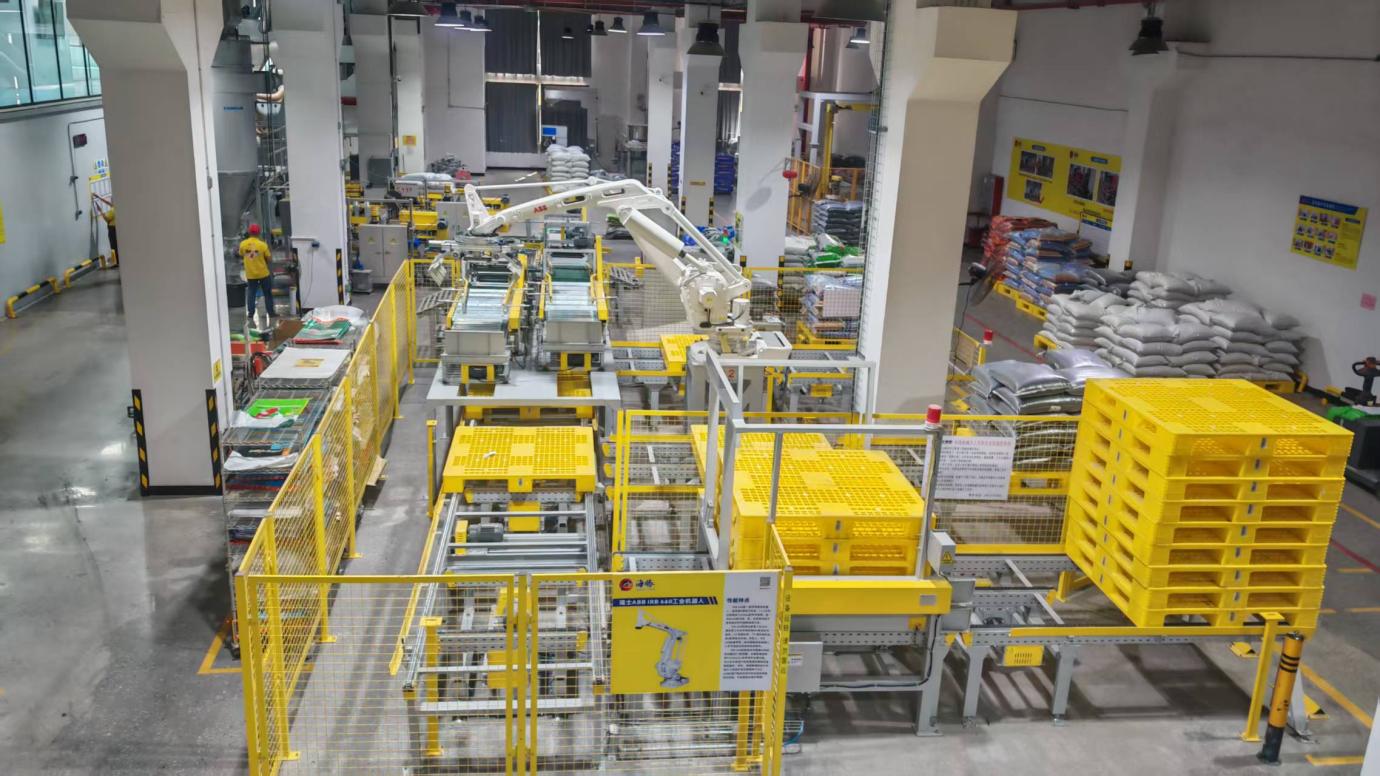
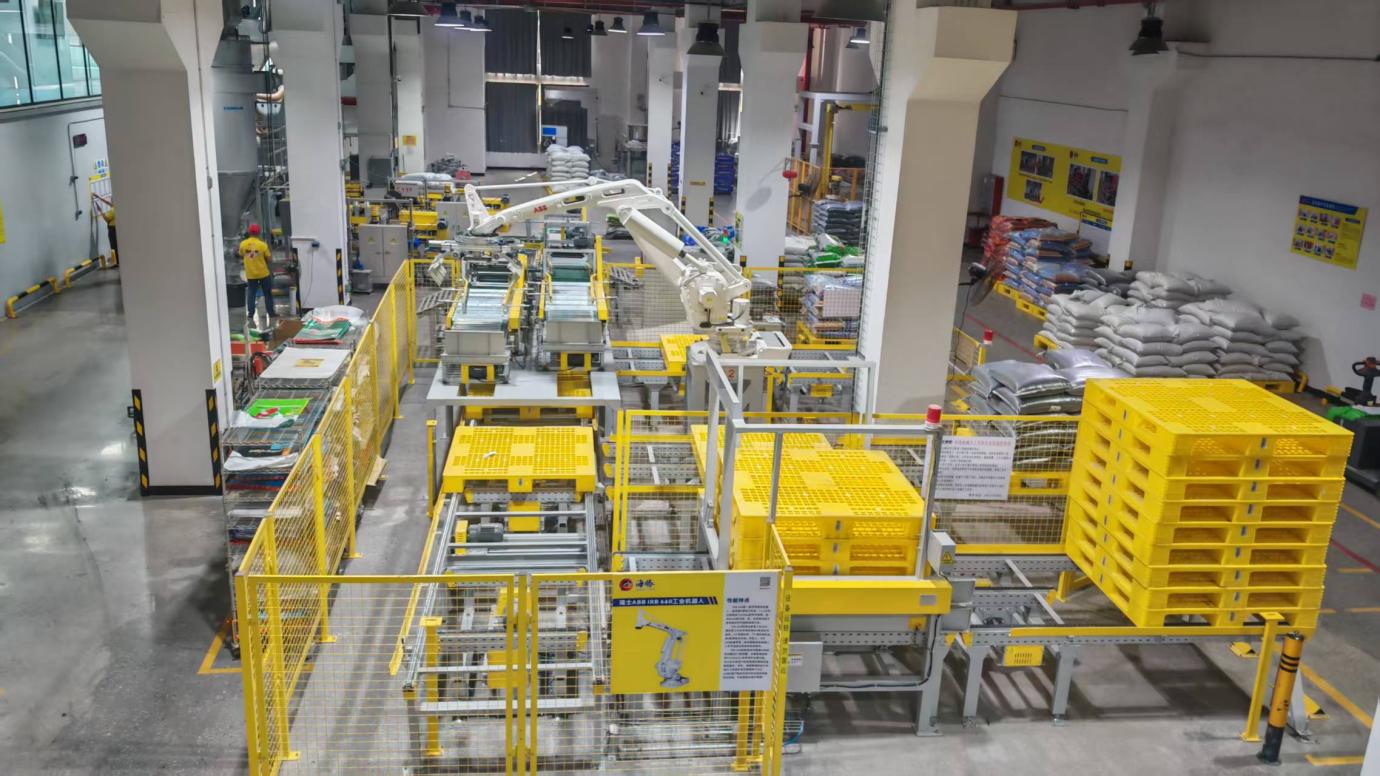
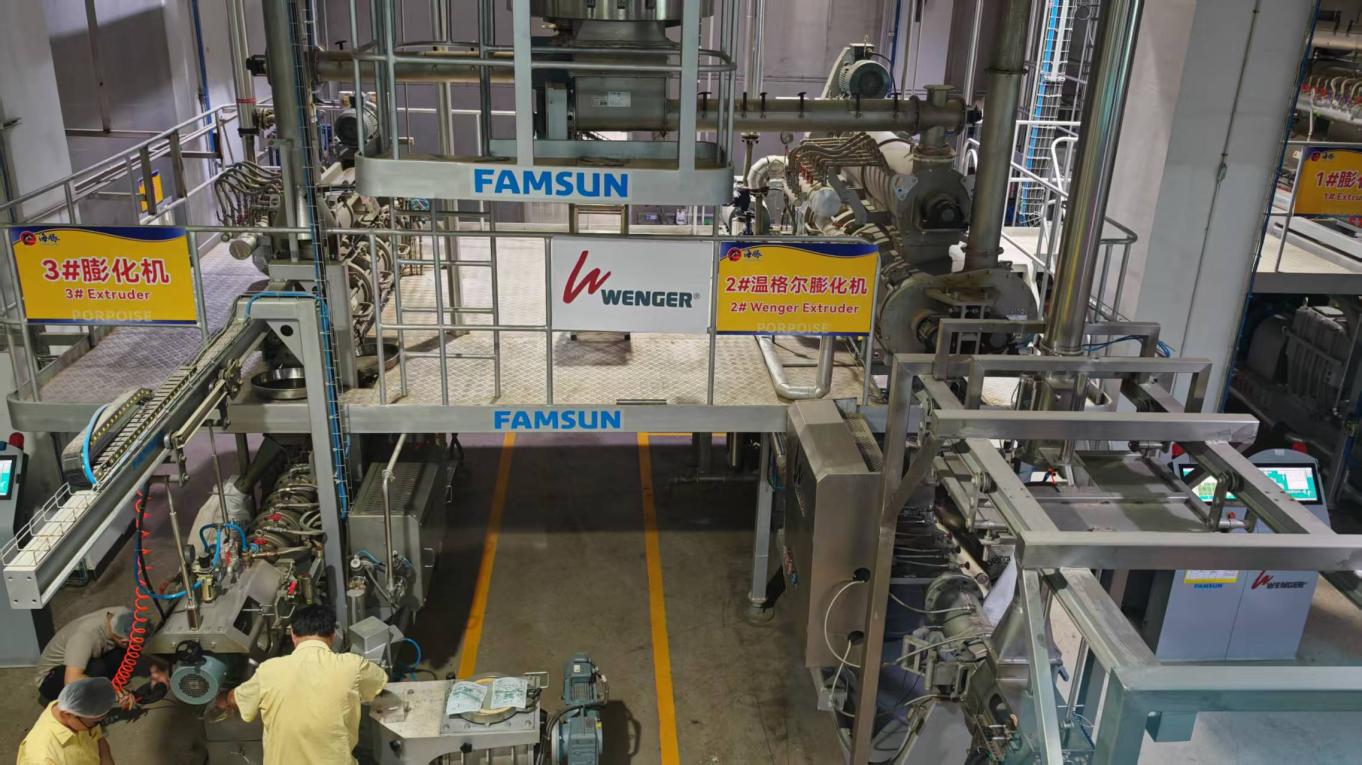
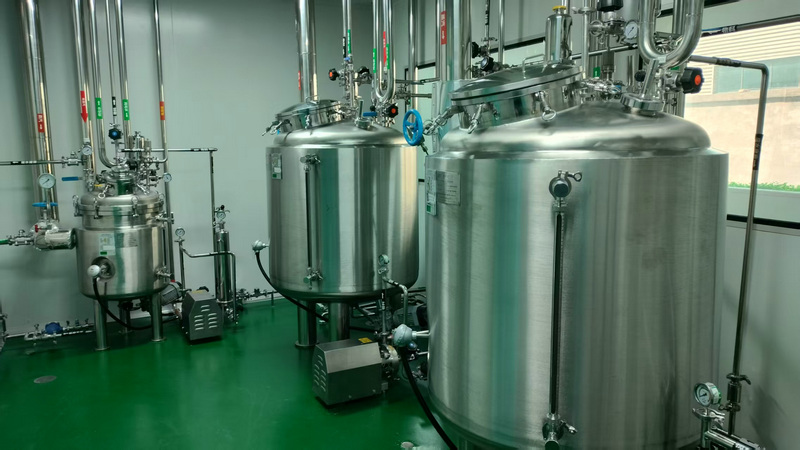
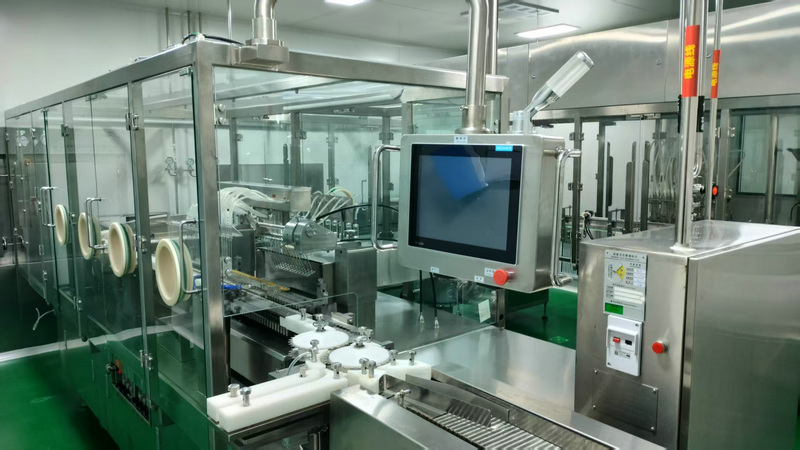
Our state-of-the-art production facilities utilize automated monitoring systems, advanced purification stages, and strict physical separations to guarantee chemical safety and consistency.

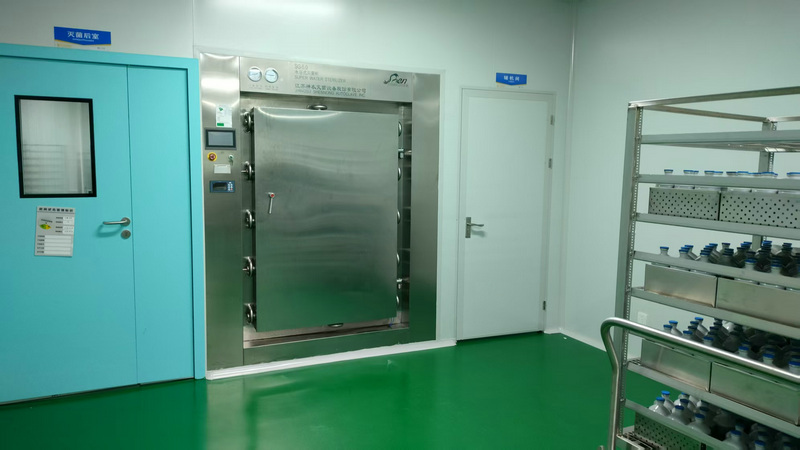
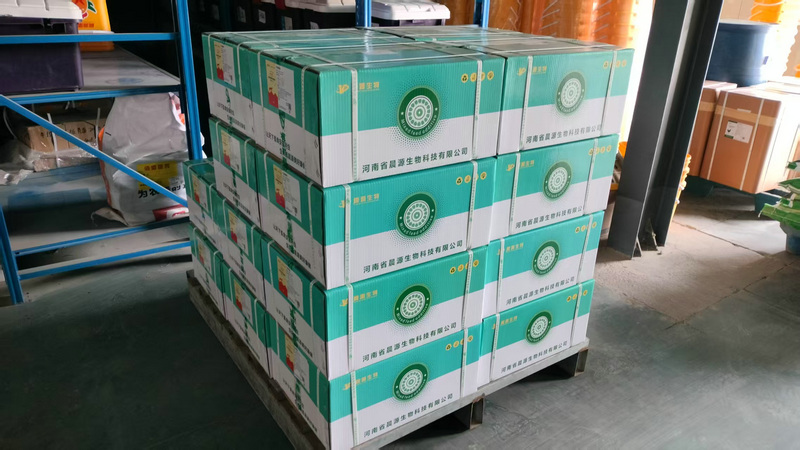
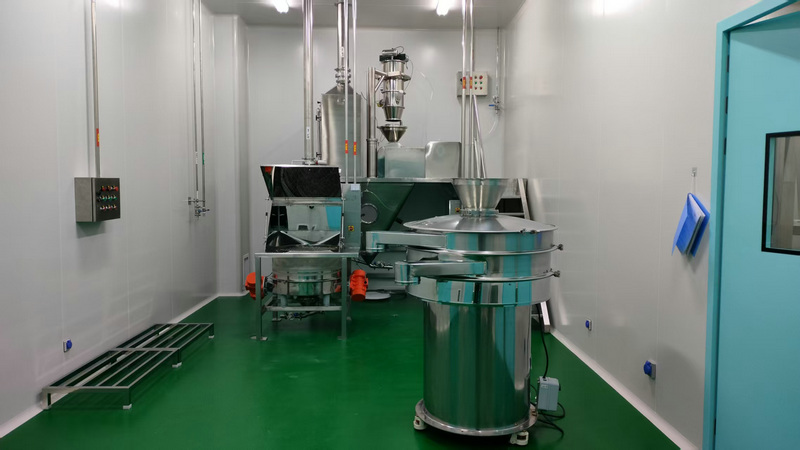
Understanding the final target application allows manufacturers to optimize particle parameters and packaging configurations:
Cats are obligate carnivores that cannot synthesize taurine endogenously due to a lack of functional sulfinoalanine decarboxylase enzymes. Dietary deficiency leads to feline central retinal degeneration (FCRD) and dilated cardiomyopathy (DCM). Our pet-food grade taurine is specifically milled for uniform dispersion in dry mixes, preventing post-blending segregation.
With the global push to replace expensive wild fishmeal with plant-based protein alternatives (such as soy protein concentrates), taurine supplementation has become mandatory. It acts as an essential conjugate for bile acids, facilitating lipid absorption and boosting growth performance in rainbow trout, yellowtail, and sea bass.
For human consumption, purity and physical properties are crucial. Our food-grade manufacturing lines ensure non-detectable heavy metal profiles and zero microbial contamination, creating a dry-flowable crystal ideal for ready-to-mix (RTM) energy drink formulas and infant milk powders.
For multinational procurement teams, sourcing chemicals from China requires a robust risk mitigation framework. Below is the operational checklist recommended by Akston Health's logistics division:
The chemical industry is pivoting toward carbon-neutral processes. Factories are introducing bio-catalytic pathways and enzymatic synthesis systems that reduce chemical waste and dependence on petroleum-derived ethylene oxide.
Global feed brands now demand complete trace-back transparency. Modern taurine plants are integrating batch-level code tracking from precursor sourcing to destination ports to satisfy corporate social responsibility (CSR) audits.
As wild fishmeal usage declines, the demand for taurine in commercial feed formulations is projected to grow by 7.4% annually, driving larger long-term procurement contracts from feed mill groups.