Akston Health
Akston Health
Akston Health
Serine (specifically L-serine), as a non-essential amino acid, plays an indispensable structural and functional role in biological processes. It serves as a precursor for crucial biomolecules including proteins, lipids, and neurotransmitters. Over the past decade, the global market has witnessed a surge in serine demand across pharmaceuticals, advanced clinical nutrition, cosmetics, and functional livestock feed formulation.
Consequently, evaluating the capacity, efficiency, and safety profiles of the Top 10 Serine Factories globally has become a core objective for international procurement officers. Sourcing managers seek partners capable of delivering high-purity yield, ensuring environmental compliance, and maintaining consistent supply chain flows amid global macroeconomic shifts.
The global serine market is currently expanding at a robust CAGR, driven by breakthroughs in biotechnology and the integration of biochemical compounds in metabolic pathway therapeutics. Modern pharmaceutical applications require ultra-pure L-Serine as a metabolic active pharmaceutical ingredient (API) for neuropathic drugs, highlighting the shift toward stringent micro-impurity management.
In addition to human healthcare, the agricultural sector has integrated customized serine blends to optimize animal cellular development and gut-health indices. As antibiotic usage restrictions tighten worldwide, factories that supply feed-grade amino acid solutions must shift toward cleaner, high-bioavailability profiles to satisfy green-label demands in European and North American markets.
Securing reliable serine supplies requires deep due diligence of target factories. Industry-leading operations differentiate themselves on several fronts:
China is home to some of the world's largest amino acid and biochemical production bases. Through the implementation of "China Factory 4.0" frameworks, manufacturers have paired artificial intelligence with heavy industrial biochemical systems. These technologies monitor fermentation matrices in real-time, matching oxygen rates, nutritional feedstocks, and temperature points with extreme precision.
The operational results are clear: lower emissions, reduced energy expenditures per ton, and minimized human error. These structural efficiency advantages allow Chinese factories to absorb external cost shocks while offering highly competitive, long-term pricing contracts to overseas buyers.
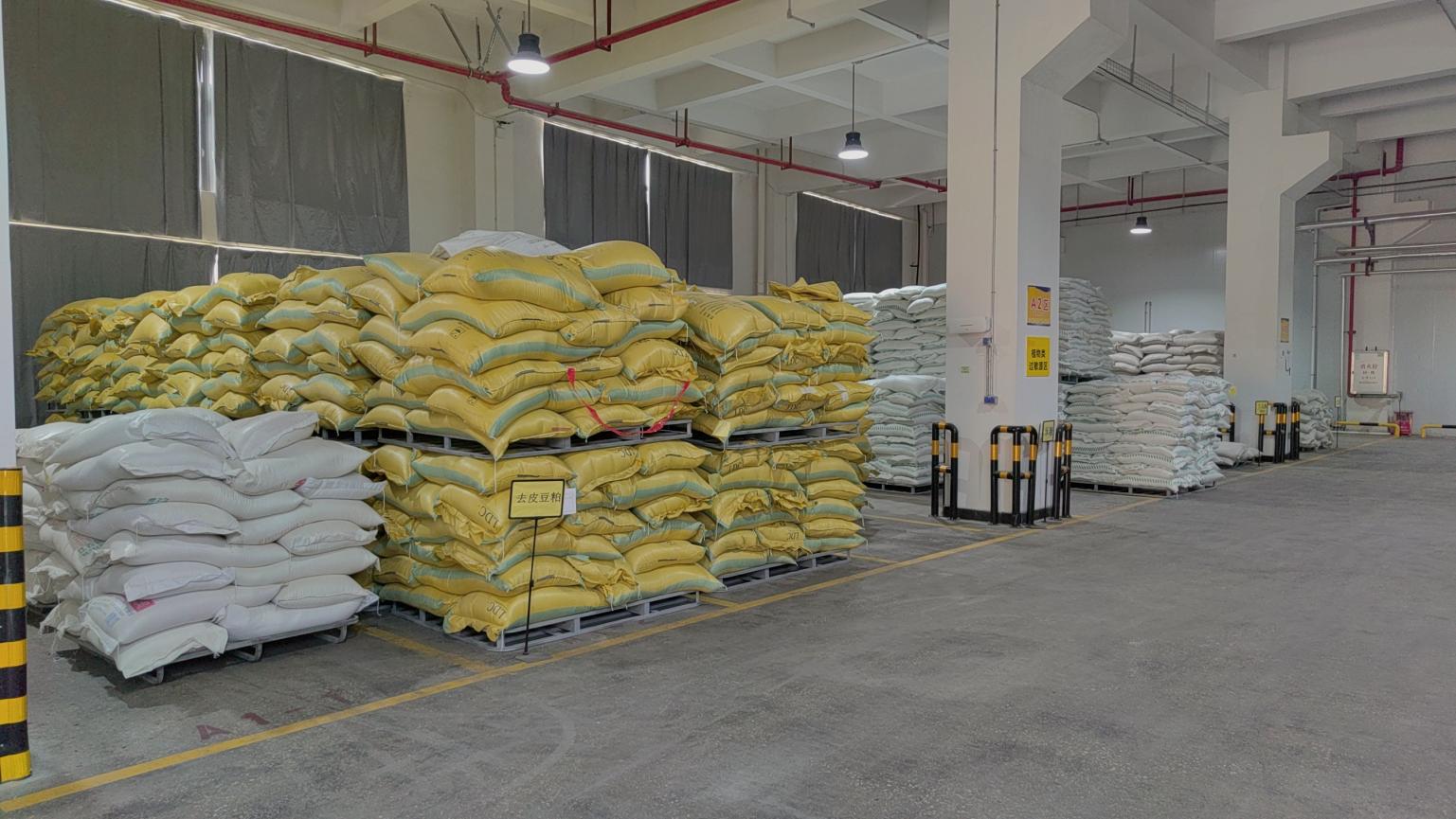
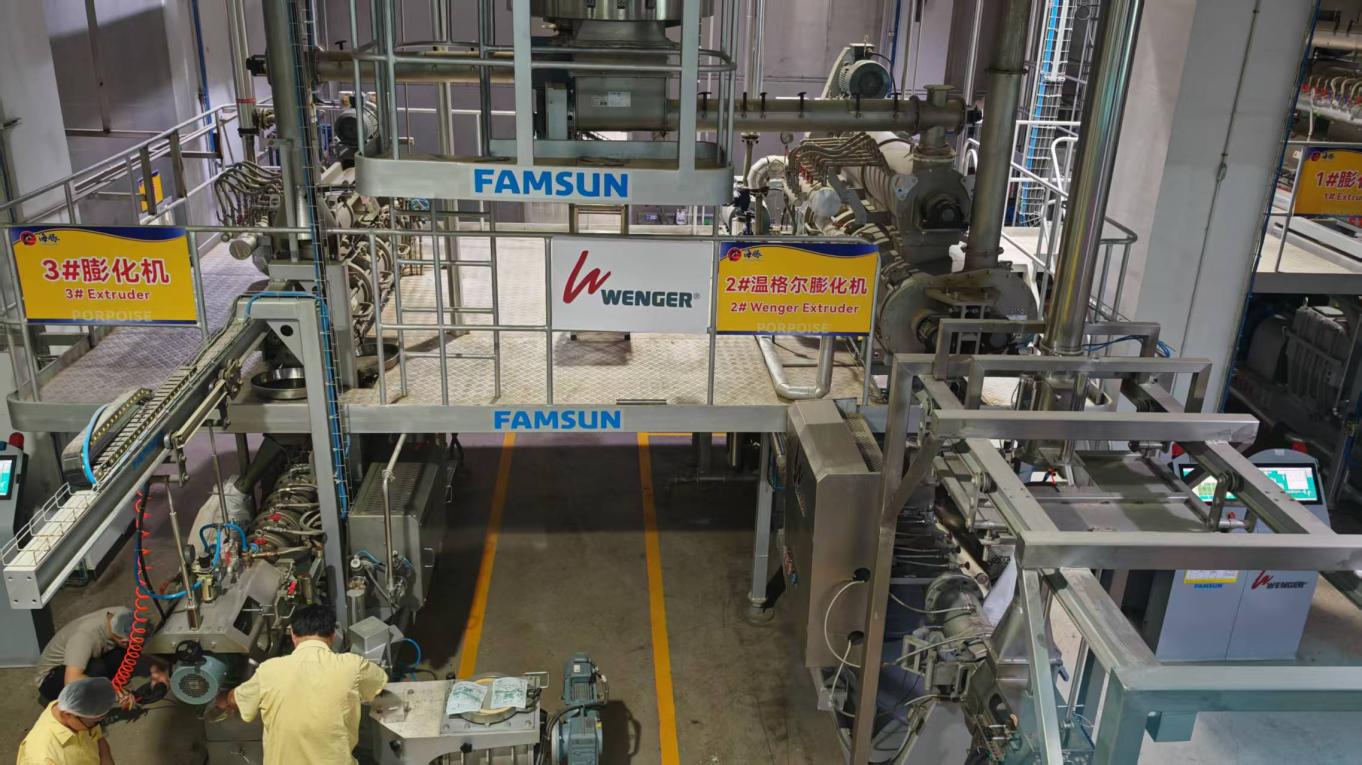
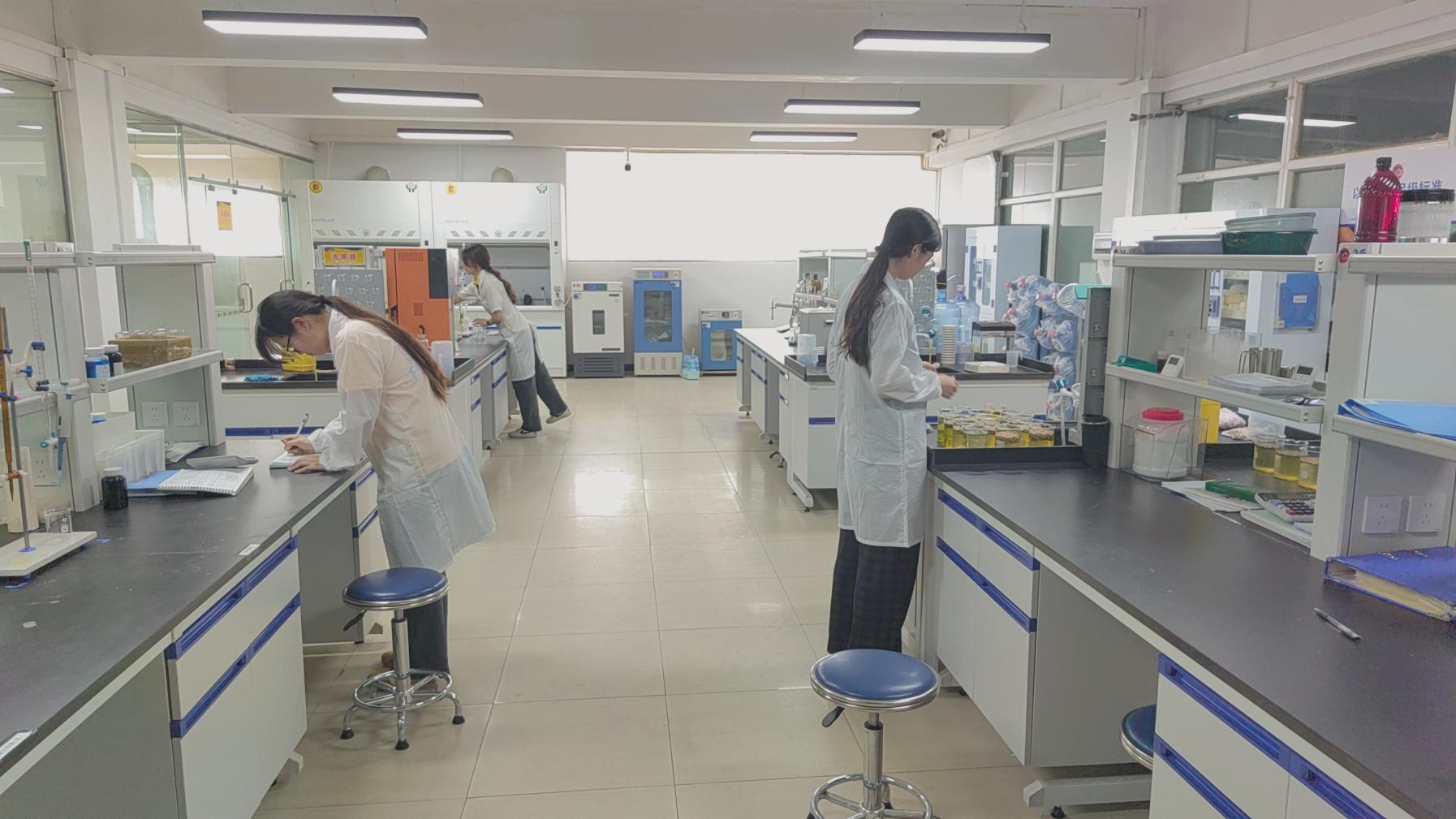
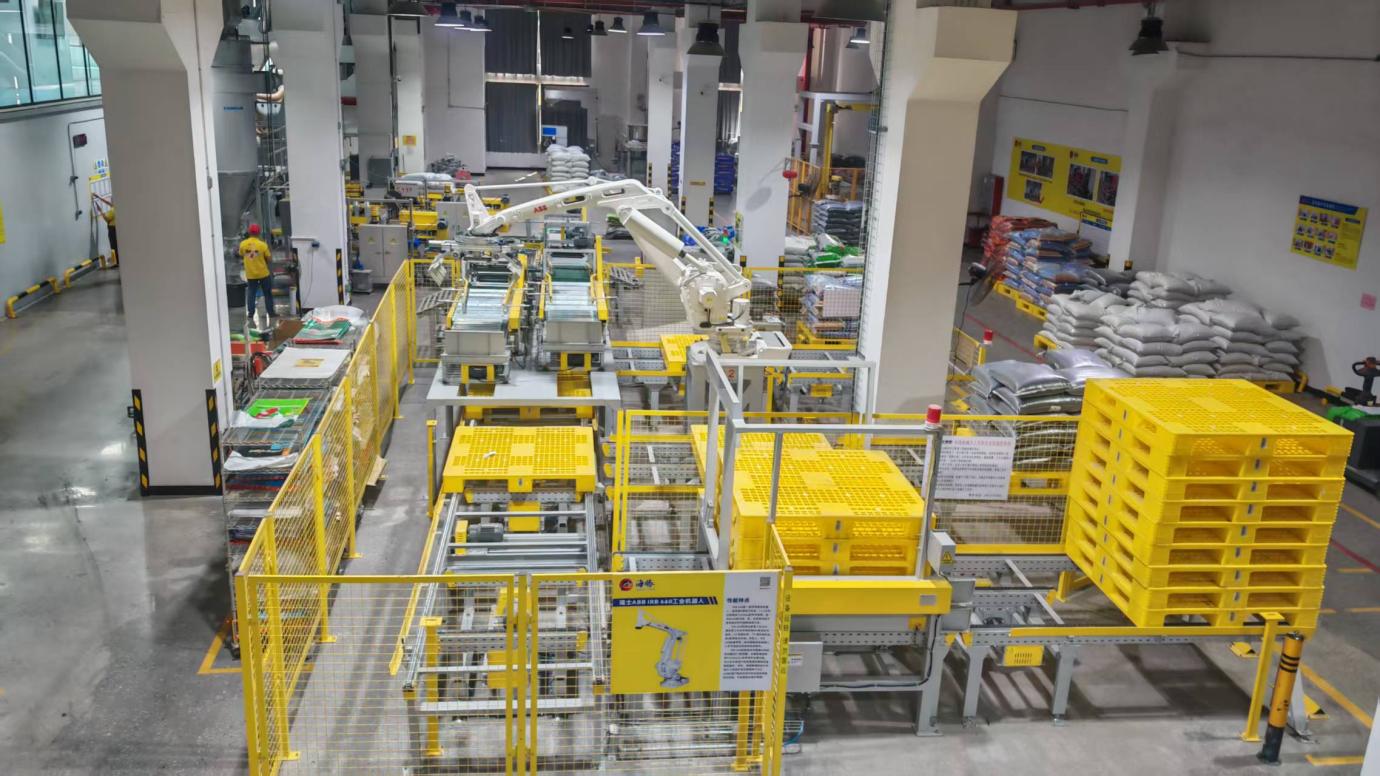
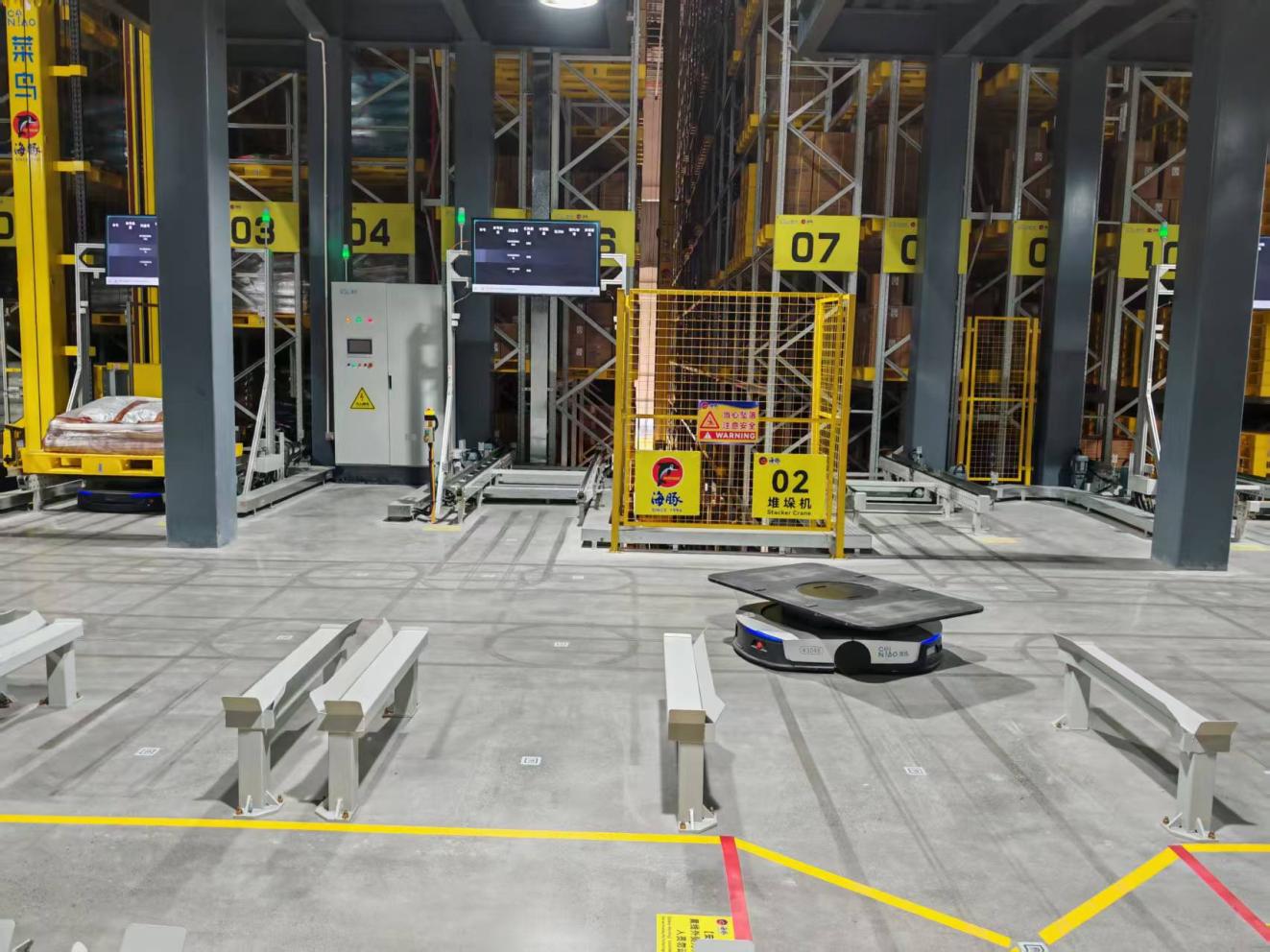
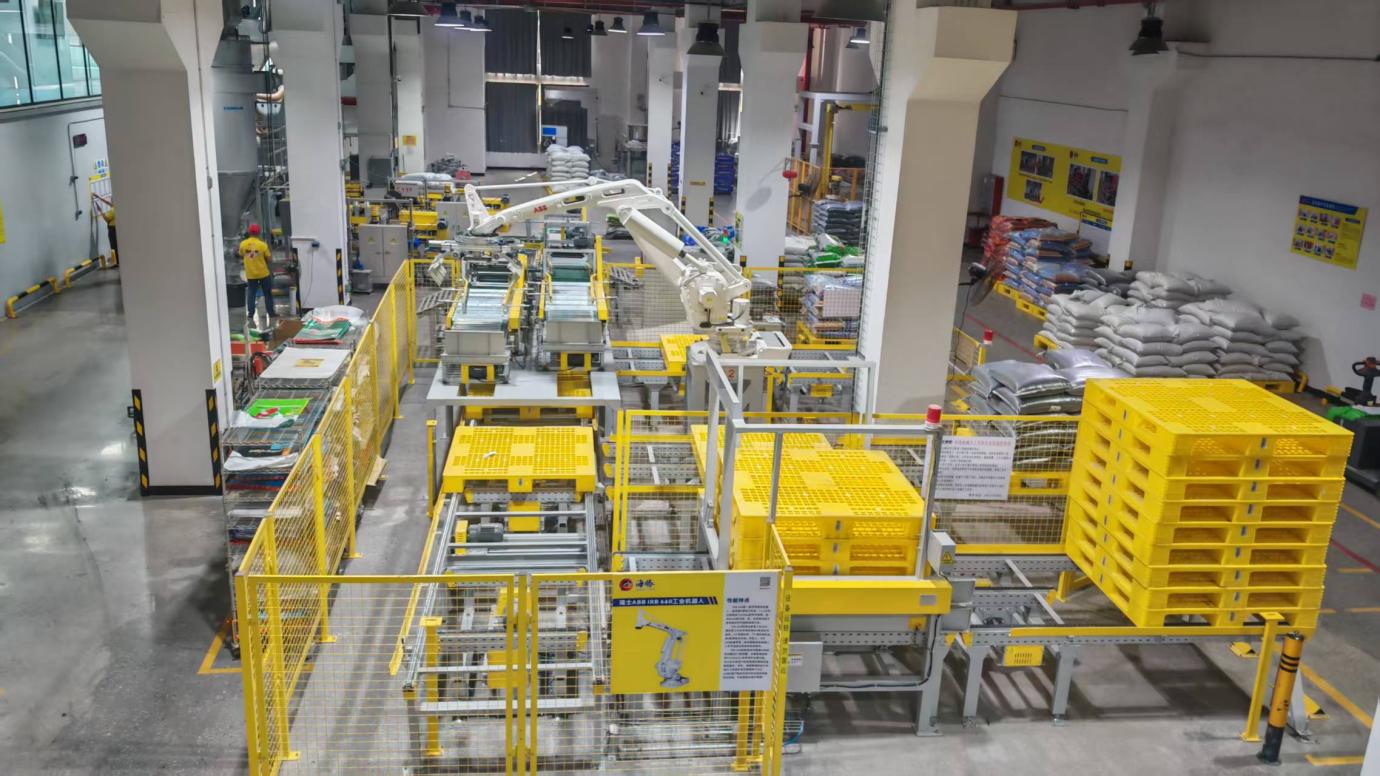
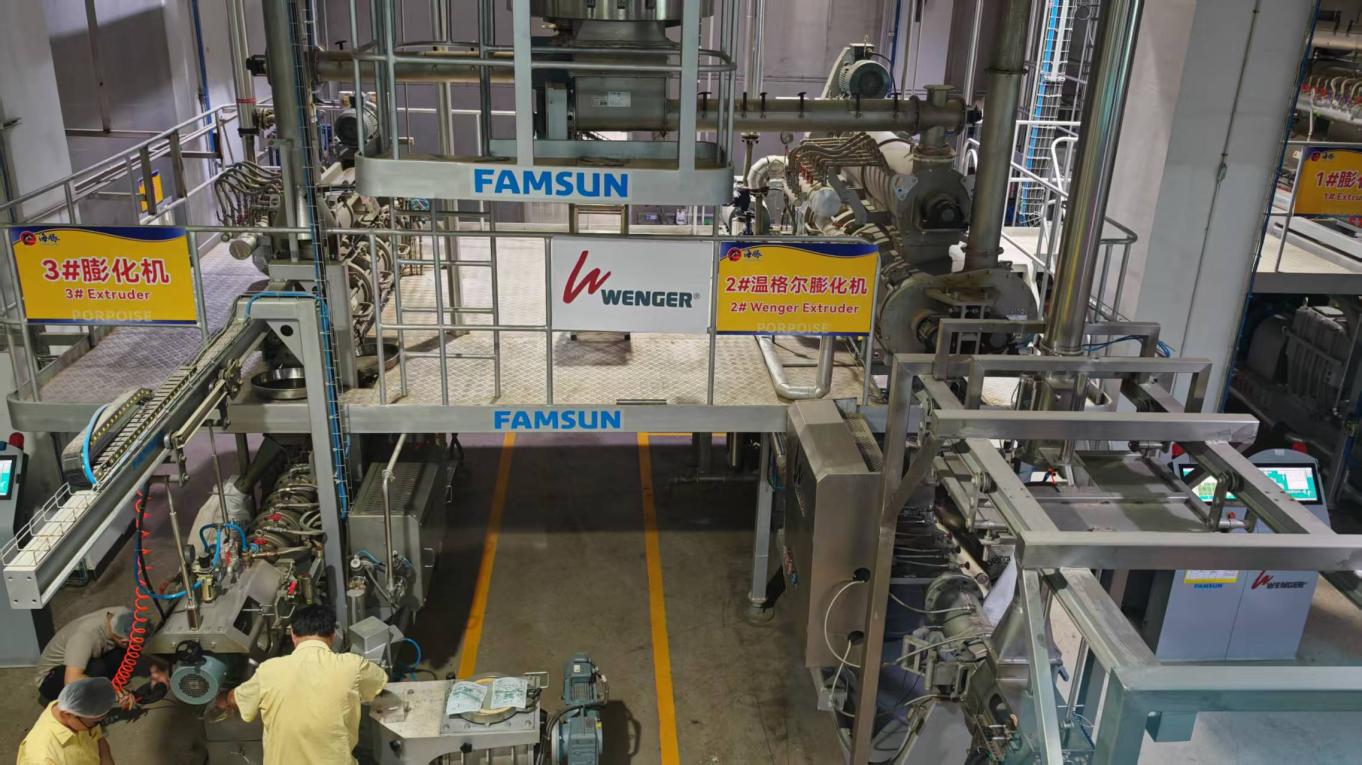
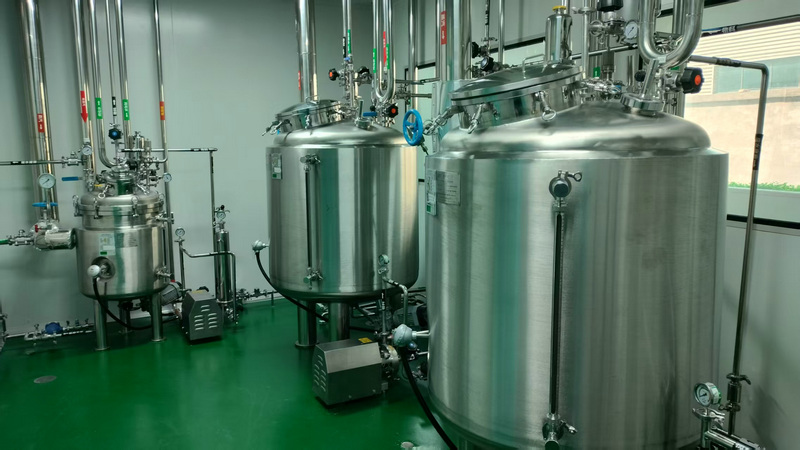
Explore our state-of-the-art facility processes. At Akston Health, every step is rigorously monitored—from raw material storage to high-speed automated packing—guaranteeing consistent product performance across all commercial orders.
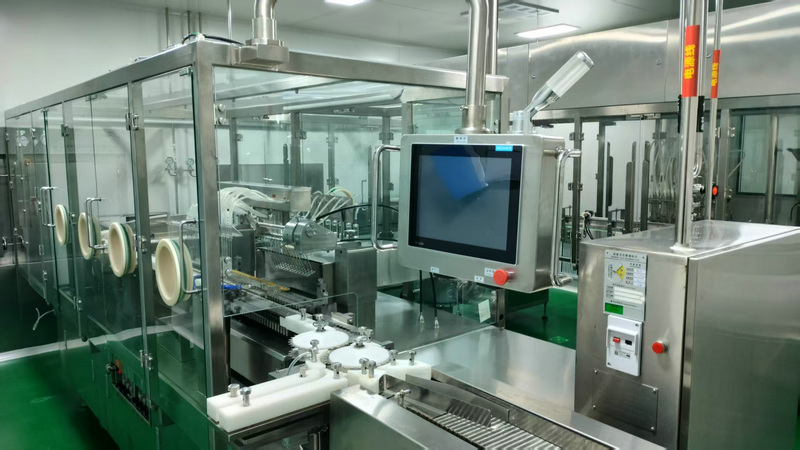
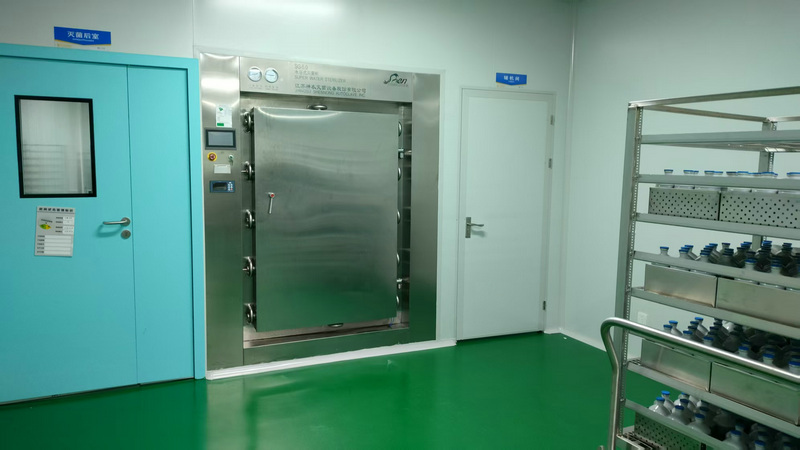
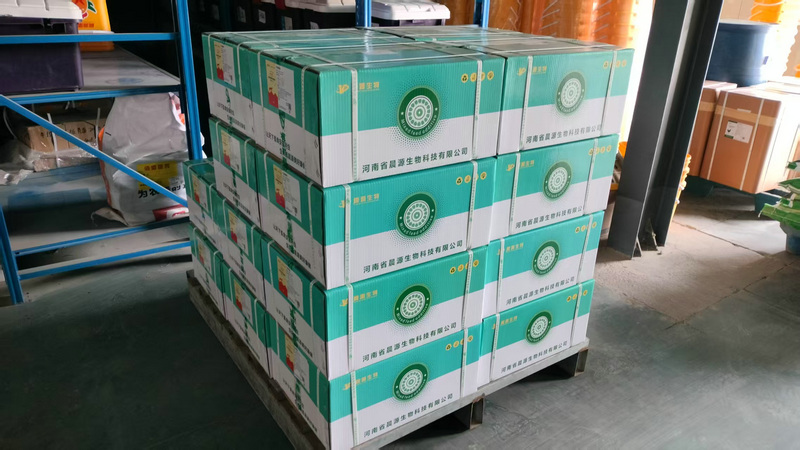
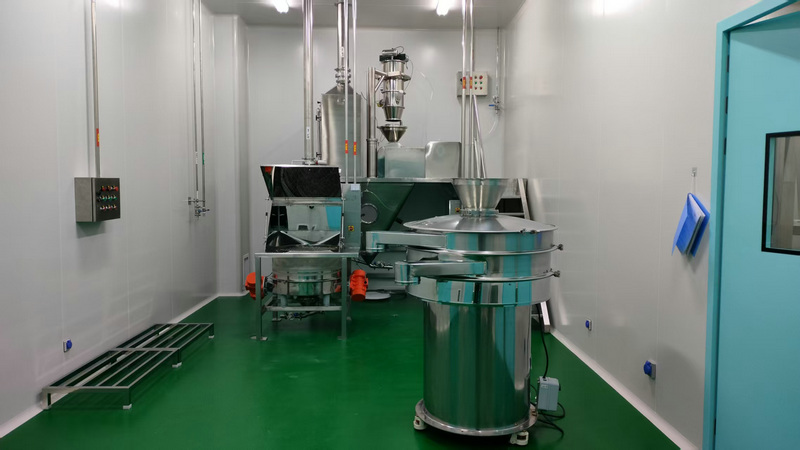
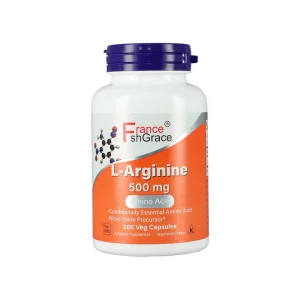
For commercial swine, poultry, and ruminant operations, serine serves as a vital component for building cellular immunity. Industrial animal feed optimization relies heavily on the synergistic balance of amino acids (such as L-Tryptophan and L-Arginine) alongside micro-minerals. Our bio-manufacturing processes prioritize biological availability, supporting rapid cellular synthesis and gut mucosal repair in young animals.
| Application Scenario | Primary Active Agent | Mechanism of Action | Target Sector |
|---|---|---|---|
| Gut Mucosal Development | L-Serine & Tryptophan | Precursor for mucin synthesis, maintaining epithelial cell structures. | Swine & Ruminant Feed |
| Nitric Oxide Promotion | L-Arginine / Citrulline Complex | Enhances vasodilation, resulting in improved muscular oxygen delivery. | Aquaculture & Sport Feed |
| Mycotoxin Bio-Adsorption | Microorganism Adsorption Agents | Neutralizes toxins in the stomach tract to prevent performance drop. | Commercial Feed Mills |