Akston Health
Akston Health
Akston Health
Direct from Akston Health’s audited facilities: high-performance feed, food-grade additives, and bulk nutrition enhancers engineered for global distribution.
The shift from niche superfoods to large-scale industrial use has transformed the supply chain of Salvia hispanica (commonly known as chia seeds). Once valued primarily in health food retail, these seeds are now widely used in baking, beverages, animal feed (for Omega-3 enrichment), and cosmetics. As a result, B2B procurement managers require more than just transactional access; they need reliable suppliers who can offer transparent logistics, guaranteed purity levels, and year-round volume stability.
Global chia seed production is concentrated in Latin America (specifically Argentina, Bolivia, Paraguay, and Peru), but growing regions in East Africa (such as Uganda and Tanzania) are steadily increasing their market share. Understanding these geographical differences is key to managing import risks, handling seasonal price changes, and maintaining quality standards.
For enterprise buyers, the quality of a chia seed shipment is determined by measurable laboratory metrics rather than visual grades alone. When comparing suppliers, procurement teams should require third-party verification for the following specifications:
The demand for functional ingredients like chia seeds is expanding rapidly. Urbanization, the rise of plant-based diets, and clean-label trends are driving steady growth across key target markets.
Evaluating raw agricultural capacity is only the first step. True enterprise suppliers must meet precise quality, compliance, and purification standards.
Top suppliers use multi-stage gravity separators, optical color sorters, and metal detectors to ensure a minimum purity rating of 99.9%. This removes stems, stones, and weed seeds (like wild mustard) that can affect final product quality.
Reputable suppliers provide comprehensive laboratory analysis for chemical residues. Ensuring pesticide levels remain below Maximum Residue Limits (MRLs) is critical for meeting strict European (EFSA) and North American (FDA) regulations.
Leading suppliers implement modern tracking systems that trace products from specific farms to the final shipping container. This transparency is vital for organic and non-GMO certifications, providing buyers with clear origin documentation.
Rather than highlighting individual commercial brands, navigating the international B2B chia market requires understanding the Top 10 Supplier Archetypes. These categories represent the primary supply channels available to industrial buyers:
Qingdao Akston Health Co., Ltd. is a trusted manufacturer and global supplier dedicated to delivering innovative health and nutrition solutions for the animal feed industry. With a strong commitment to quality, sustainability, and continuous innovation, we provide high-performance feed additives and nutritional ingredients that support healthier livestock, improved productivity, and safer food production worldwide.
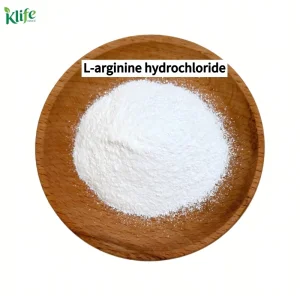
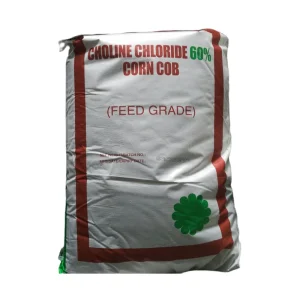
Our comprehensive product portfolio includes choline chloride, amino acids, vitamins, minerals, and other functional feed additives designed to meet the nutritional requirements of poultry, swine, ruminants, aquaculture, and companion animals. Our science-based formulations help optimize animal growth, enhance immune function, improve feed efficiency, and contribute to reducing the reliance on antibiotics in modern livestock production.
At Akston Health, quality is the foundation of everything we do. We work closely with qualified manufacturing partners and implement strict quality control systems throughout sourcing, production, and logistics to ensure every product meets international standards. Our experienced technical team also provides customized solutions and professional support to help customers achieve better production performance and sustainable business growth.
Driven by integrity, innovation, and customer satisfaction, Qingdao Akston Health Co., Ltd. has established long-term partnerships with clients across Asia, Europe, the Middle East, Africa, and the Americas. We are committed to creating lasting value through reliable products, competitive pricing, efficient supply chain management, and responsive customer service.
As your trusted partner in animal nutrition, Akston Health will continue to develop innovative solutions that promote animal health, improve farming efficiency, and contribute to a more sustainable global agriculture industry.
A step-by-step look at our processing facilities: designed to preserve nutritional profiles and maintain strict hygiene standards across all food and feed products.
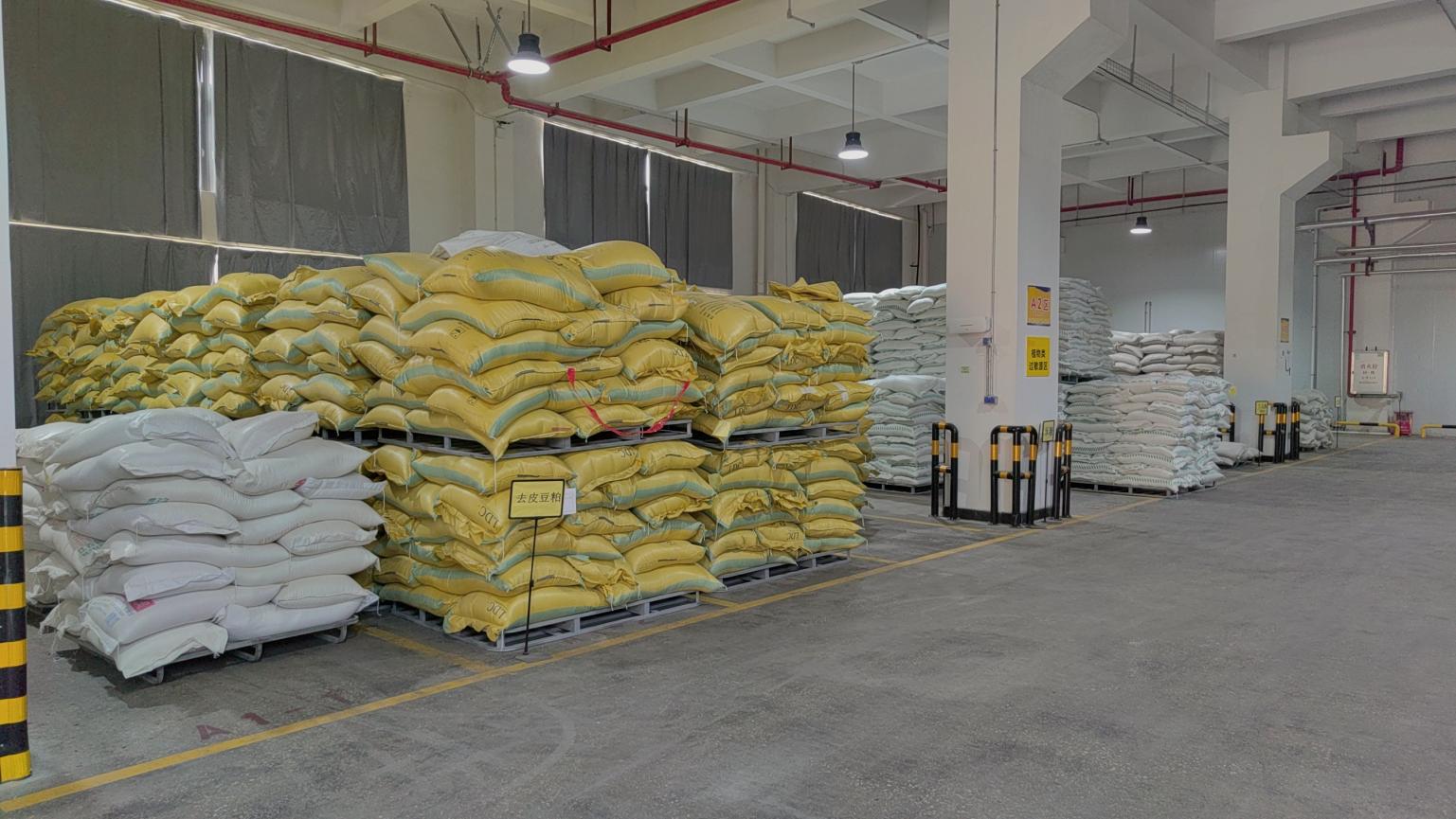
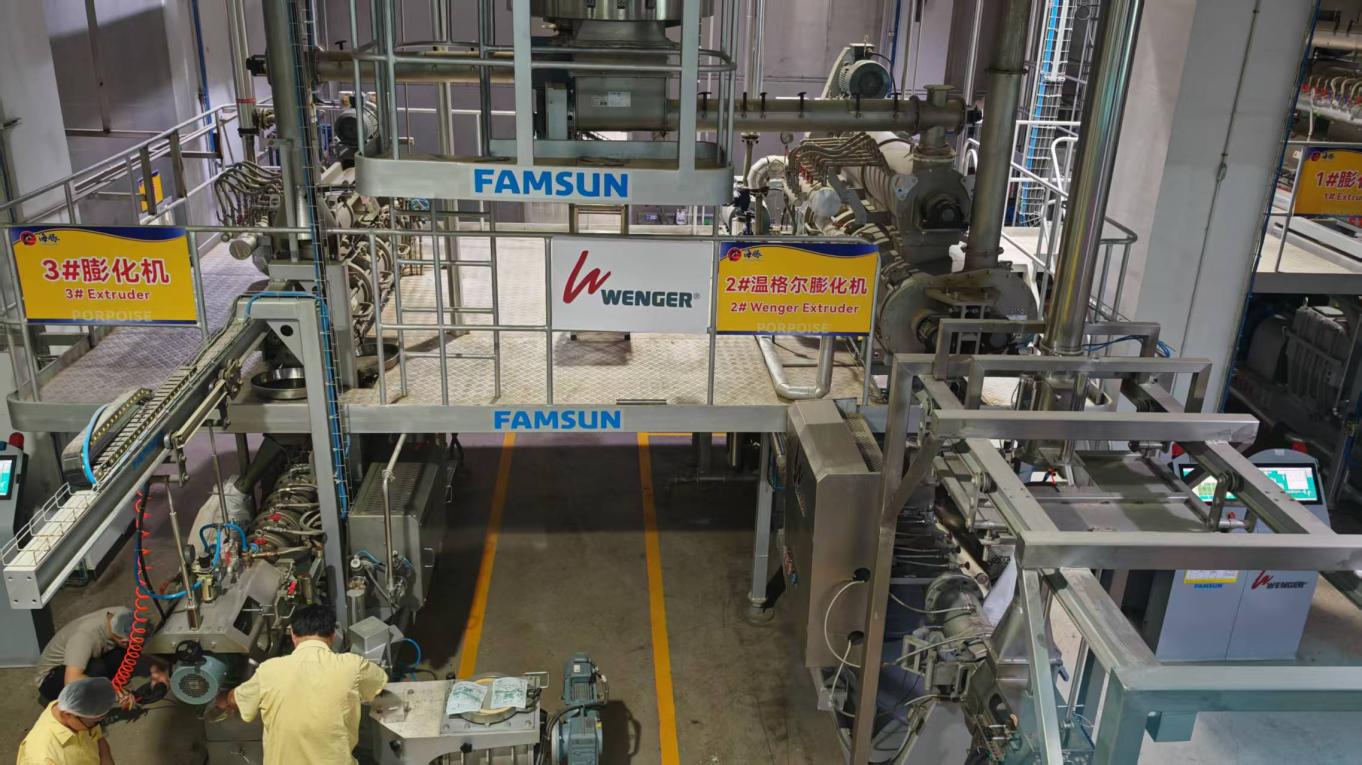
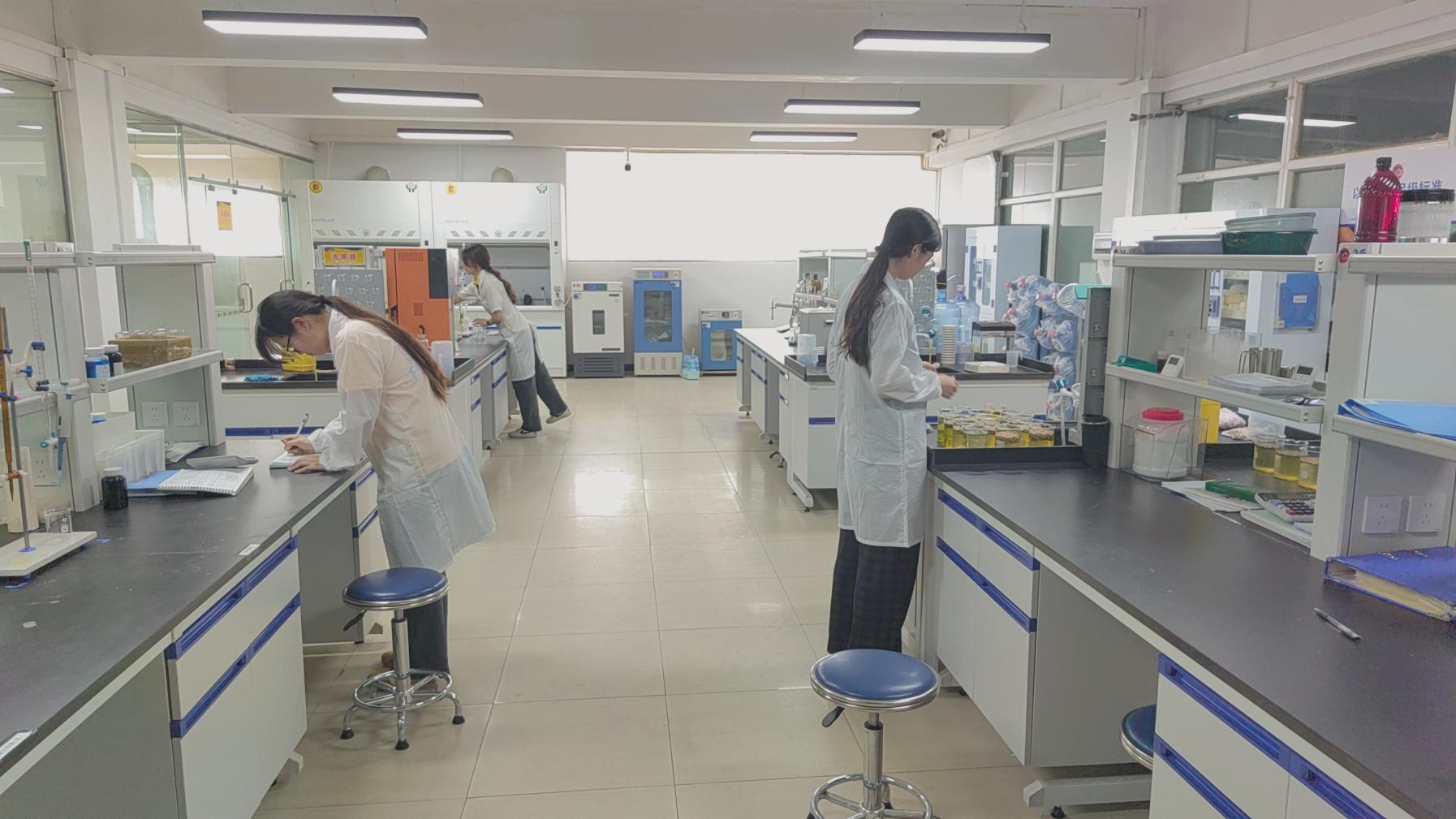
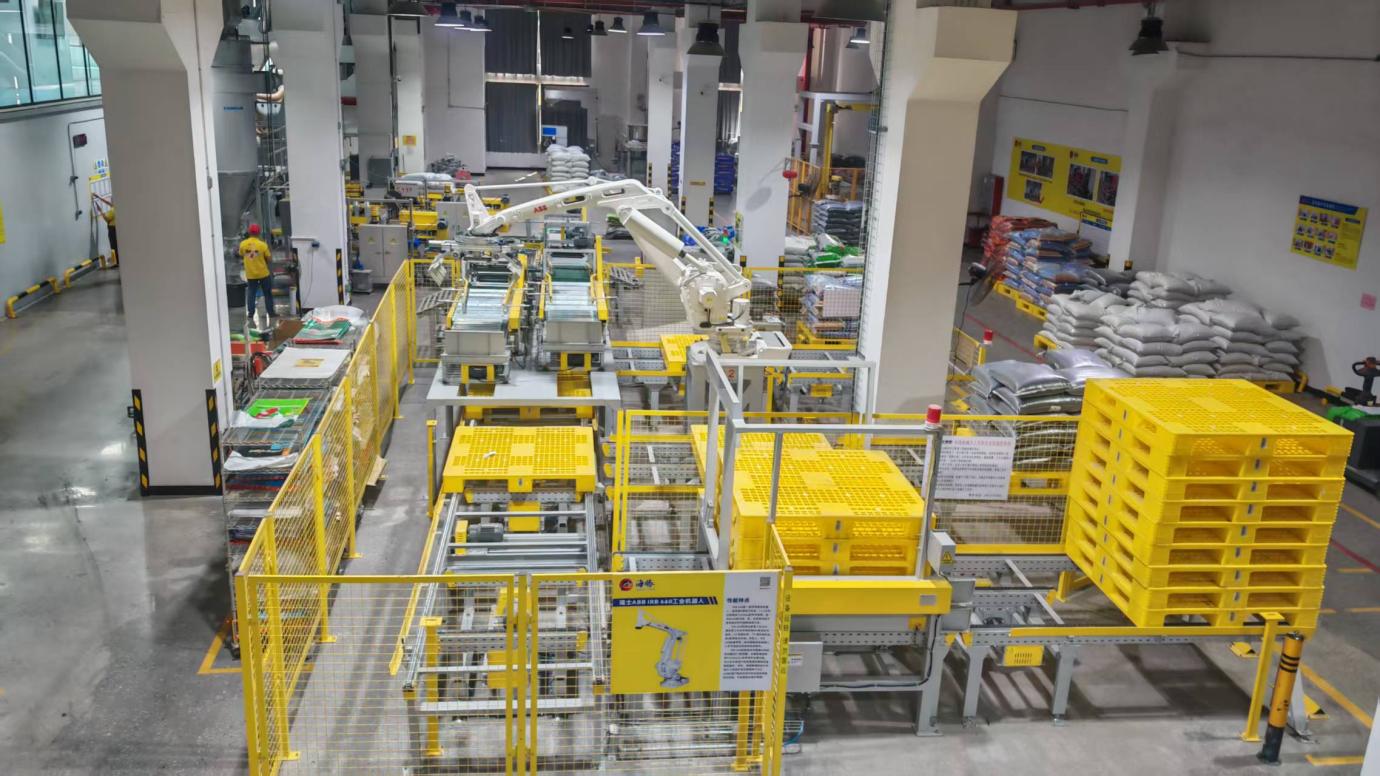

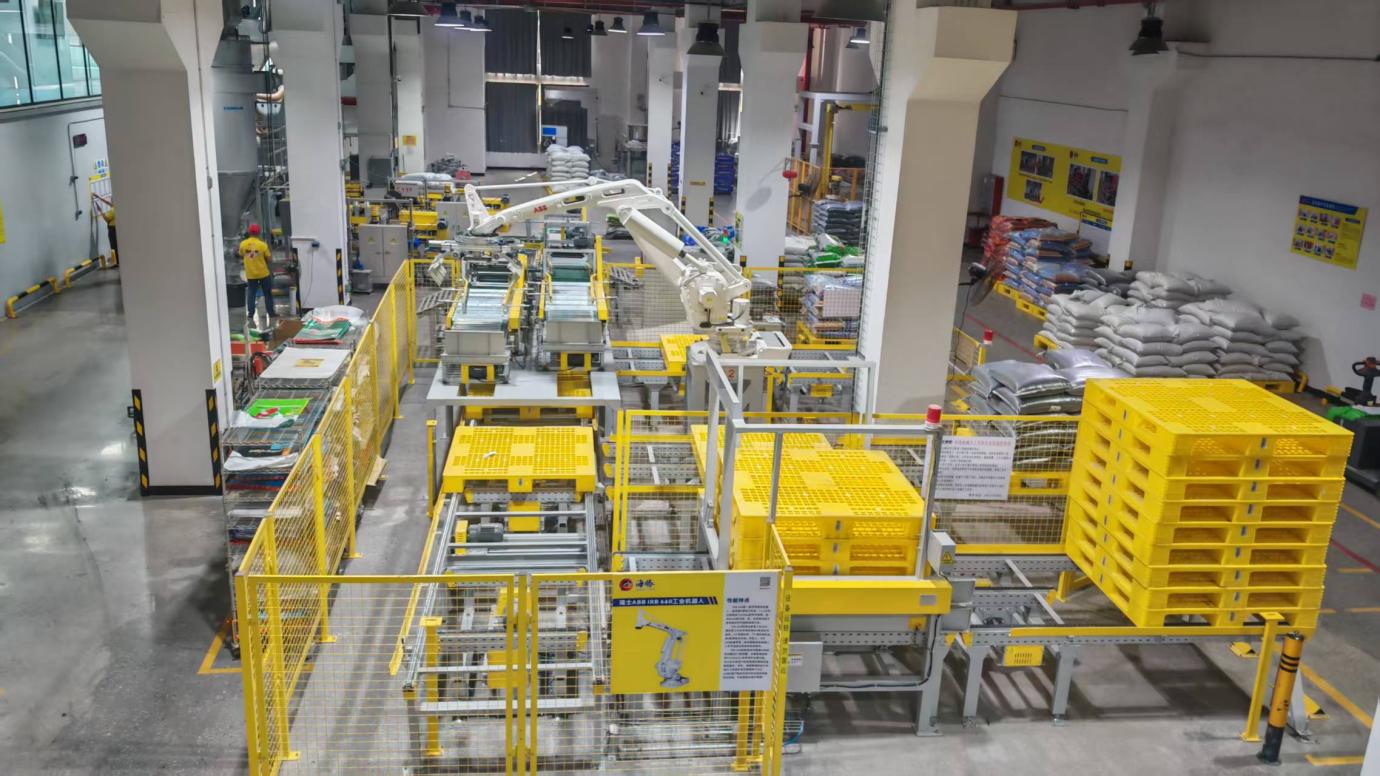
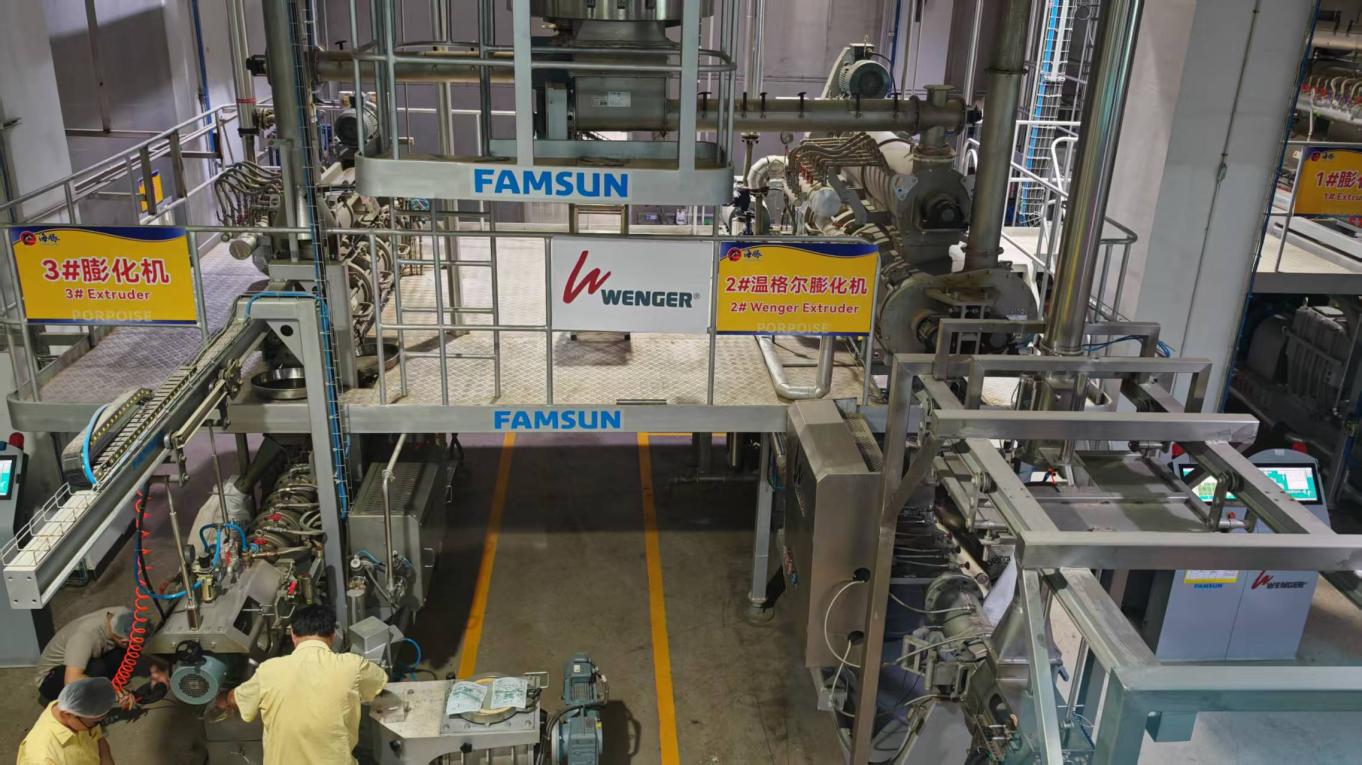
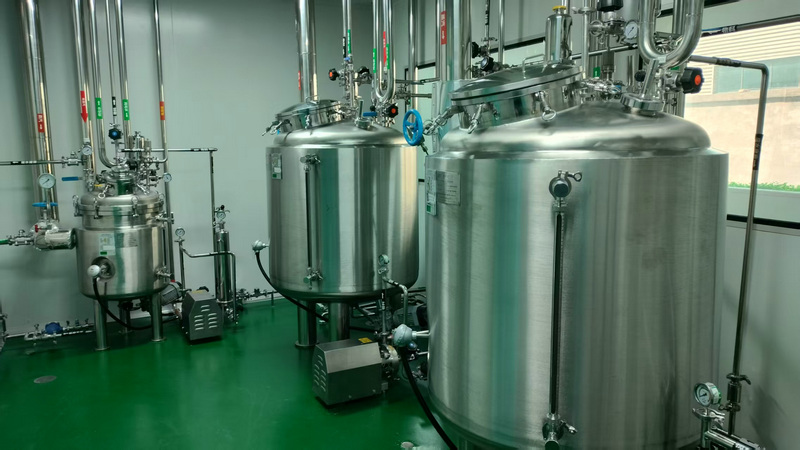
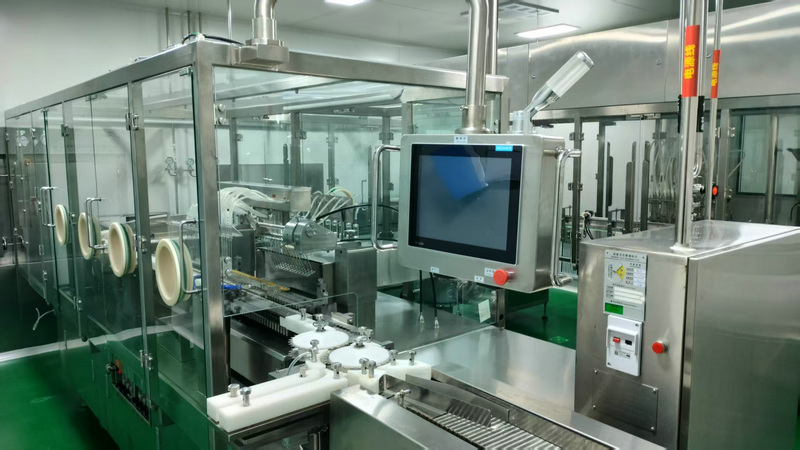
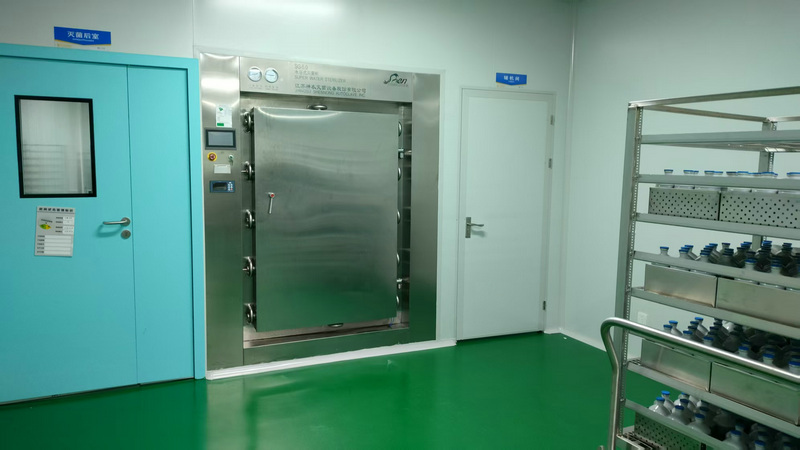
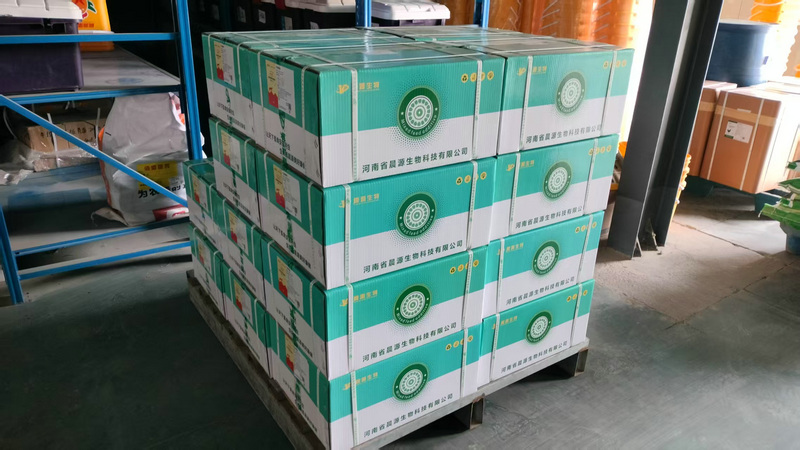
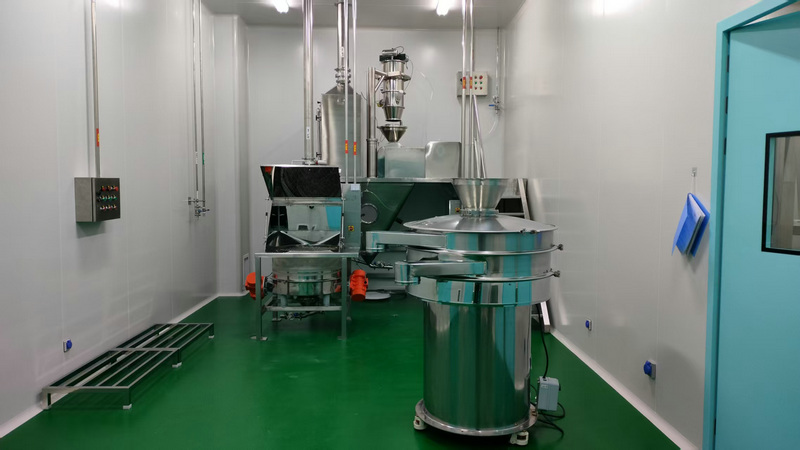
Procuring agricultural raw materials and industrial feed additives involves managing risks like shipping delays, seasonal price changes, and strict import regulations. Below is an overview of common B2B procurement challenges and the systems designed to resolve them.
Because agricultural commodities depend on annual harvest cycles, crop yields can vary due to weather events. The Solution: Working with vertically integrated suppliers allows buyers to secure annual supply contracts with fixed prices. This helps protect procurement budgets from seasonal price fluctuations.
Improper post-harvest drying can lead to mold growth and mycotoxin contamination, which can cause shipments to be rejected by food safety regulators. The Solution: Choose suppliers that utilize modern cleaning lines, color sorting, and real-time moisture testing. Every batch should be accompanied by clear analysis reports detailing microbial levels, heavy metals, and purity ratings.
Importing raw agricultural products into the US or Europe requires strict adherence to custom protocols, including phytosanitary certificates and import documentation. The Solution: Partner with exporters experienced in global logistics. Working with companies that have established shipping networks helps ensure smooth clearance at destination ports.
The processing of high-nutrient seeds and feed additives is evolving rapidly. Future market growth will be driven by new processing technologies designed to improve stability and performance:
Technical guidance and answers to common B2B procurement questions regarding bulk sourcing, certifications, and quality standards.
The standard purity grade for food-grade exports is 99.9%. This means the shipment must contain less than 0.1% foreign matter, such as stems, leaves, or stones. Feed-grade shipments may allow a slightly lower purity range, typically around 99.0%.
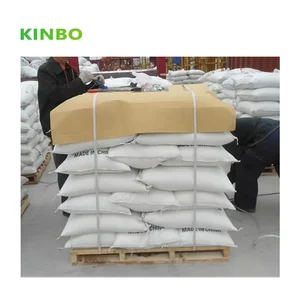
Exporters keep moisture levels below 8.0% at the time of packing. Shipping containers are lined with moisture-barrier kraft paper, and high-capacity desiccant bags are installed to manage condensation during long ocean voyages.
A standard Certificate of Analysis (COA) should verify purity levels, moisture content, microbiologic parameters (such as Salmonella and E. coli limits), heavy metal concentrations, and the absence of illegal pesticide residues.
When kept in a cool, dry warehouse (below 20°C and 60% relative humidity), bulk chia seeds have a stable shelf life of up to 24 months. The seed's natural antioxidants help prevent the oils from going rancid.
The nutritional difference is minimal. Both colors provide similar levels of Omega-3 fatty acids, protein, and dietary fiber. White chia seeds are often preferred in light-colored food formulations and cosmetics for aesthetic reasons.
European buyers typically require EU Organic certification (where applicable), phytosanitary certificates, non-GMO statements, and verification of compliance with European Union regulations regarding contaminants and pesticide MRLs.
Yes, whole or milled chia seeds are used in poultry, swine, and dairy feed to increase the Omega-3 content of eggs, meat, and milk. However, formulating diets with stable feed-grade minerals like monocalcium phosphate and choline chloride remains essential for balanced livestock nutrition.
For direct sea shipments, the standard MOQ is one full container load (FCL), which typically holds 18 to 20 metric tons of bagged seeds. Regional distributors may offer smaller pallet-level MOQs for local delivery.
Audited processing plants run dedicated allergen cleaning protocols. If the facility also processes grains containing gluten (such as wheat or barley), they perform regular validation testing to prevent cross-contact.
Farm-level traceability allows companies to quickly identify the source of any quality issues. It also provides the documentation needed to verify organic status and support clean-label product claims.
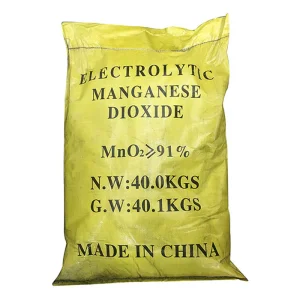
Explore our complete range of certified mineral compounds, trace elements, and plant extracts for food and feed applications.