Akston Health
Akston Health
Akston Health
Optimized bulk protein supplies designed for Lomé distribution and local Togolese manufacturing processing lines.
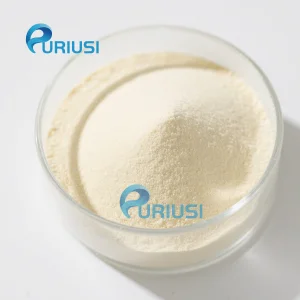
Togo, located along the Gulf of Guinea, is increasingly positioning itself as a central logistics and trade hub for West Africa. As the nation experiences rapid urbanization and population growth, particularly in urban centers like Lomé, Sokodé, and Kara, the local food, beverage, and agricultural processing sectors are undergoing structural changes. There is a growing demand for protein fortification, driven by heightening consumer awareness of healthy dietary choices, municipal school nutrition initiatives, and the growth of livestock farming and aquaculture.
However, the West African dairy industry historically faces severe constraints in local raw milk production due to climatic challenges, sub-optimal dairy cattle genetics, and lacking cold-chain infrastructure. To satisfy domestic consumption and support local food factories, Togolese manufacturers rely heavily on importing high-quality dairy derivatives. Among these, Whey Protein Concentrate (WPC) serves as a vital component. Used both for human nutrition (such as bakery goods, clinical foods, sports nutrition, and infant formulas) and high-value animal feeds (piglet pre-starters, poultry additives, and aquaculture feeds), WPC plays an essential role in Togo's modern food security and manufacturing ecosystem.
Globally, the market for Whey Protein Concentrate is expanding rapidly. Valued at several billion dollars, the market is driven by technological advancements in membrane filtration and a global shift towards functional wellness. Whey protein, which is extracted during the cheese-making process, undergoes ultrafiltration and diafiltration to yield WPC with protein concentrations varying from 35% (WPC35) to 80% (WPC80). WPC35 is frequently utilized as a replacement for skimmed milk powder in bakery and dairy products, whereas WPC80 is sought after for its exceptional gelling, emulsifying, and nutritional profile in sports nutrition and dietary supplements.
For Togolese importers and manufacturers, navigating the global WPC supply chain requires understanding price trends, energy costs in production regions (chiefly Europe, North America, and high-capacity manufacturing centers in Asia), and marine freight dynamics to the Port of Lomé. Partnering with structured manufacturers like Qingdao Akston Health Co., Ltd. ensures access to consistent raw materials, stable pricing matrices, and rigorous certification frameworks (such as ISO, Halal, and HACCP) that are crucial for international trade compliance.
Utilizing low-temperature cross-flow membrane filtration to preserve delicate protein fractions, including immunoglobulins and lactoferrin, ensuring optimal bioactivity.
Fully compliant with UEMOA food safety standards, CODEX Alimentarius, and offering comprehensive Halal & Kosher documentation for African distribution.
Optimized dry-bulk cargo configurations designed to withstand West African tropical climates and humidity during transit to Lomé Port.
When sourcing whey proteins, Togolese food scientists and purchasing managers must select the appropriate specification based on their product formulations:
In Togo, fermented milk drinks and yogurts are highly popular. Due to the scarcity of fresh local milk, companies reconstitute dairy products using milk powders. WPC35 can be integrated into these formulations to improve viscosity, prevent syneresis (water separation), and elevate the nutritional value of the final yogurt or beverage, providing a creamy mouthfeel without the high costs of whole milk powder.
As the Togolese agricultural sector shifts toward intensive poultry and swine production, feed quality has become a key focus. Qingdao Akston Health’s feed-grade protein solutions and amino acids help local feed mills formulate premium starter feeds. Utilizing low-ash WPC in piglet and broiler starter diets supports digestive tract development, decreases mortality rates, and improves feed conversion ratios (FCR).
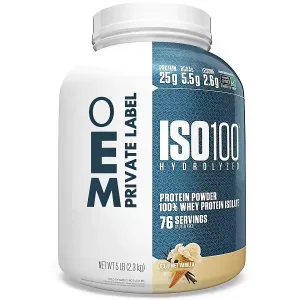
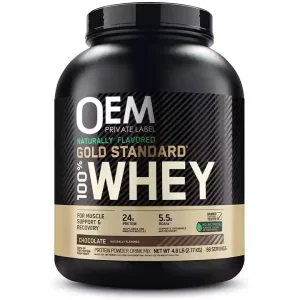
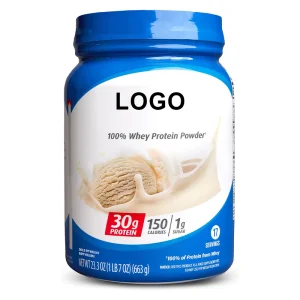
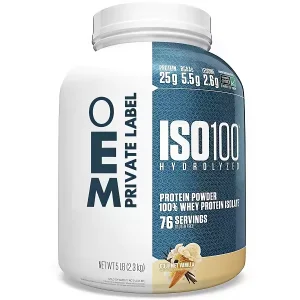
With rising urban disposable incomes, fitness centers and athletic training clubs are growing across Lomé. This trend has created demand for private-label whey protein powders. By utilizing our OEM and private label services, Togolese entrepreneurs can import finished, flavored, Halal-certified whey protein jars or sachets featuring custom branding, ready for immediate retail distribution.
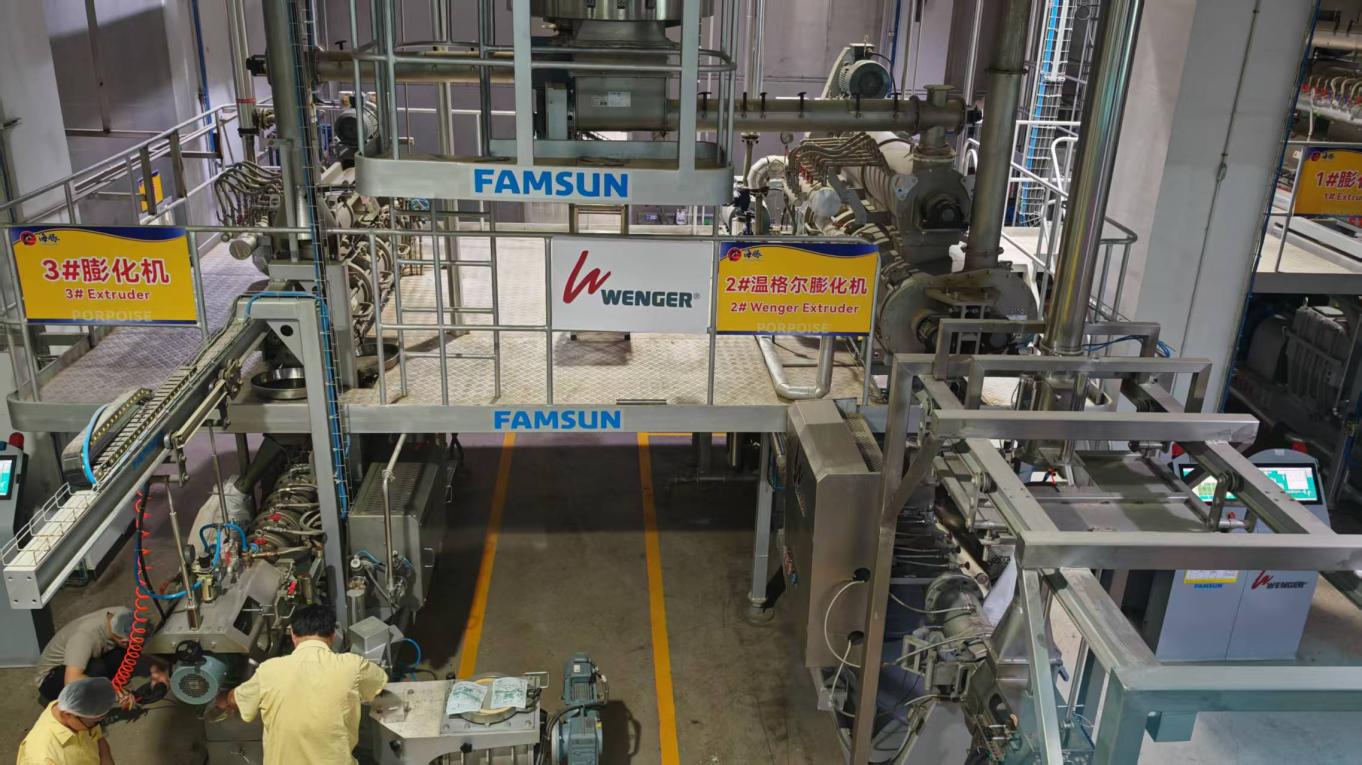
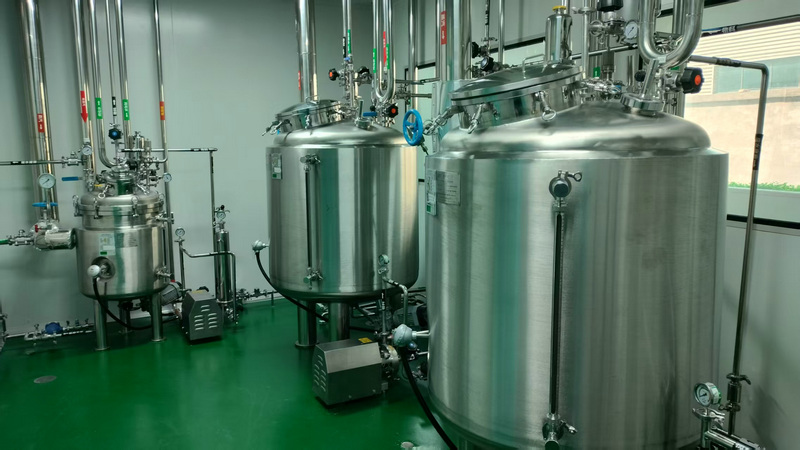
Quality assurance is critical when handling dairy derivatives destined for human consumption or high-performance animal nutrition. Our manufacturing partners employ state-of-the-art ceramic membrane filtration. Unlike traditional thermal separation, which denatures fragile milk proteins, cold ultrafiltration keeps the molecular structure intact. This ensures that the essential amino acids—specifically branched-chain amino acids (BCAAs) like leucine, isoleucine, and valine—remain fully bioavailable.
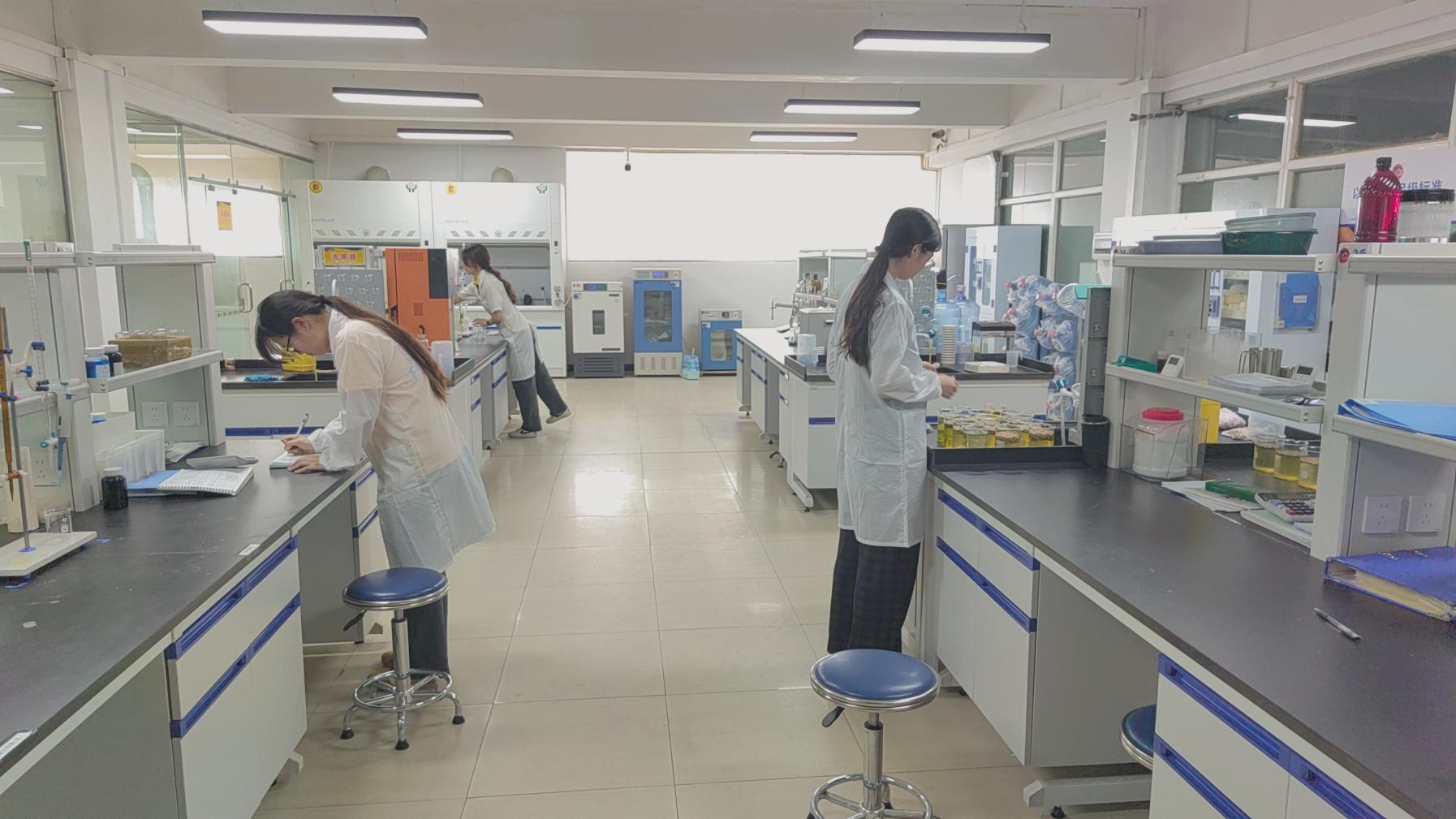
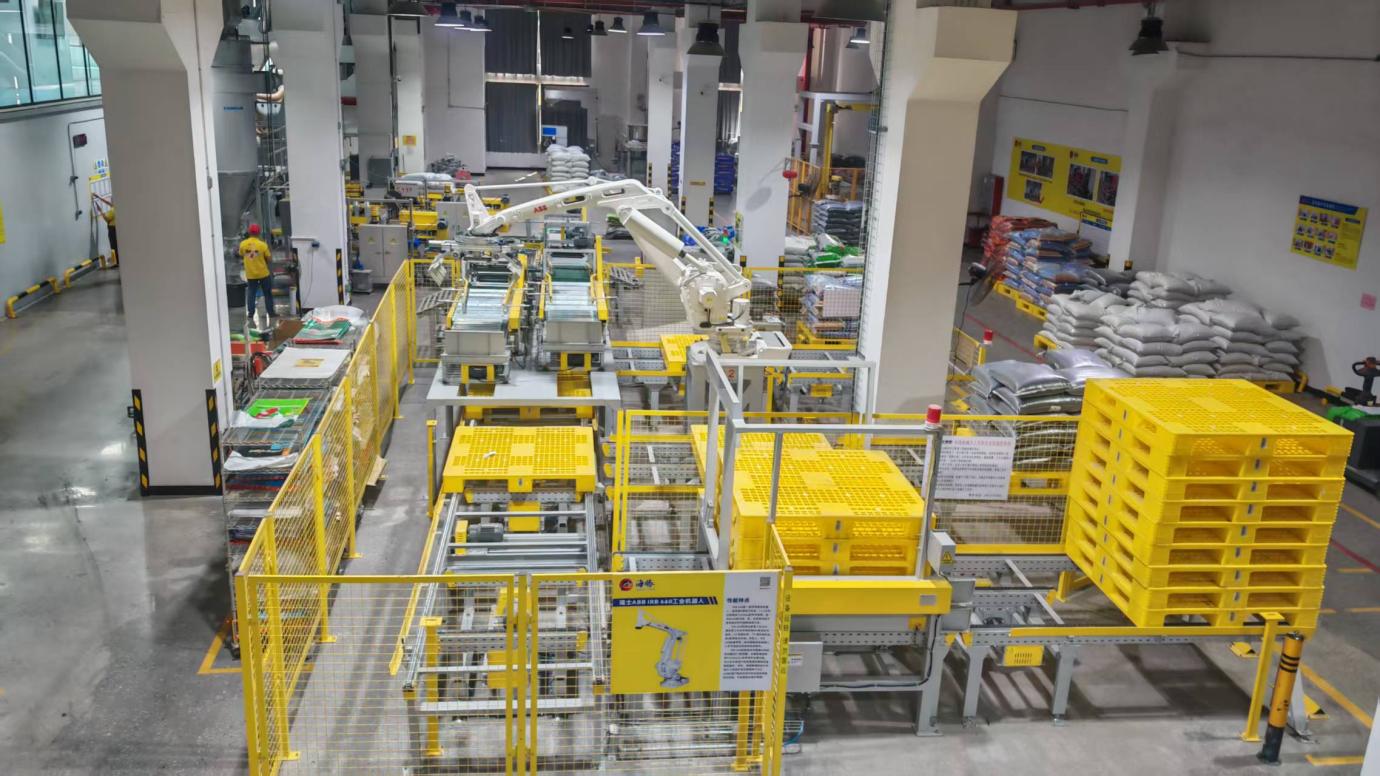
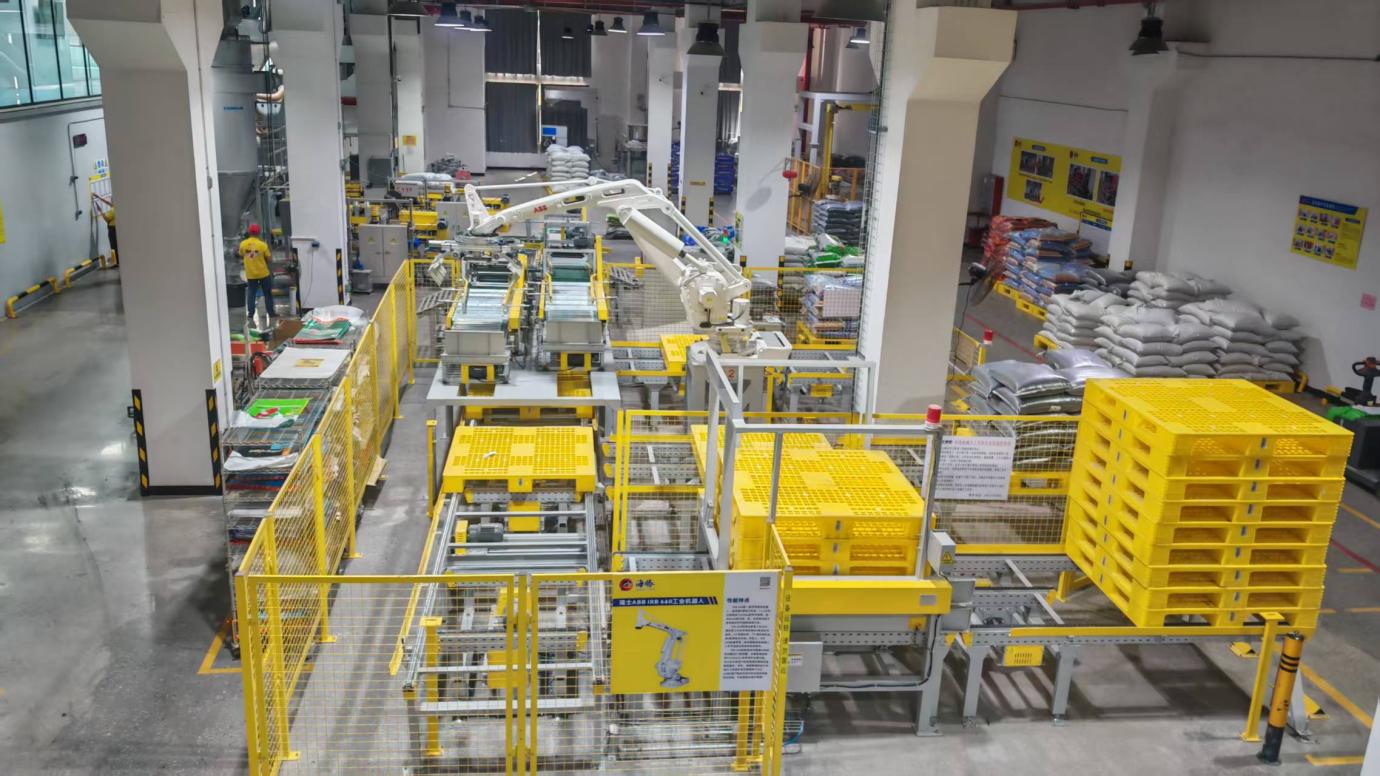
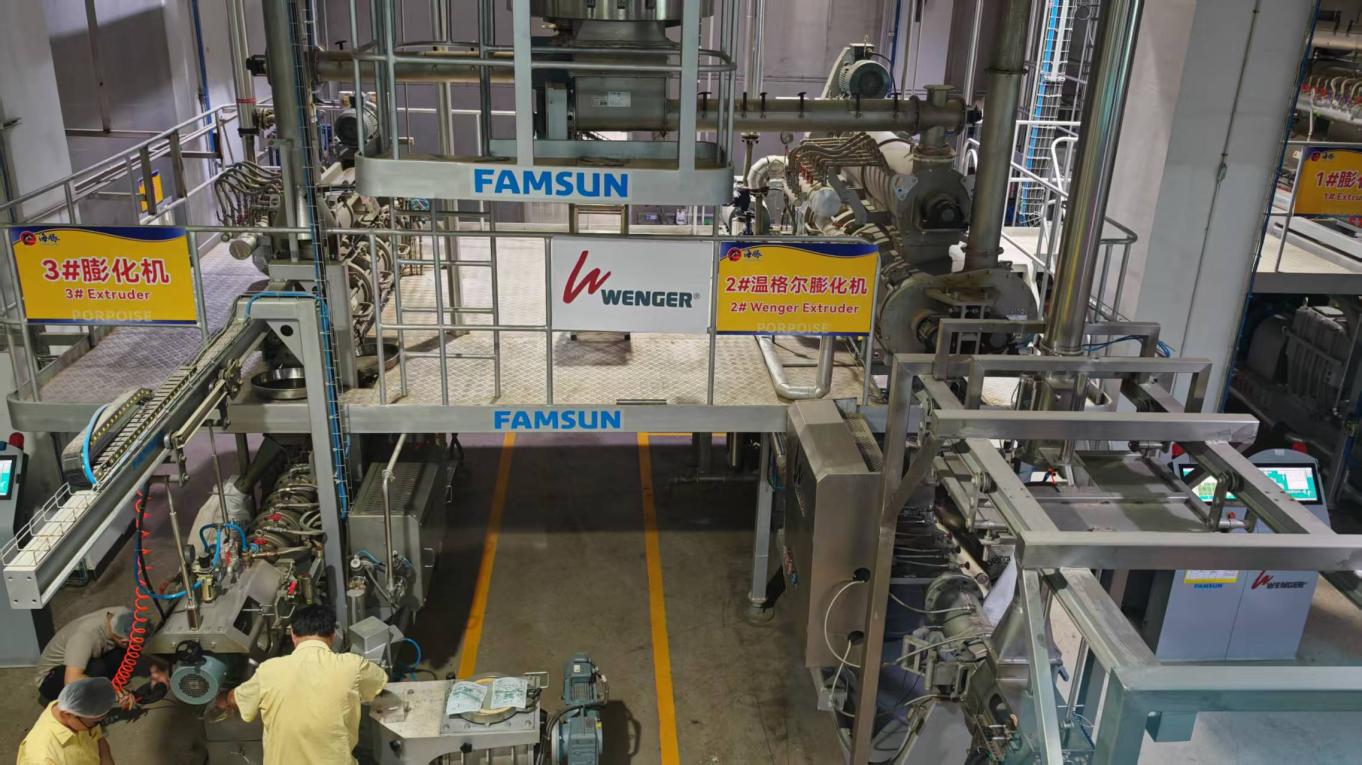
Every batch undergoes strict testing, covering moisture levels, protein dry-basis percentage, microbiological counts (Salmonella, E. coli, yeasts, and molds), and heavy metal traces. Below, we outline our processing workflow, showcasing our capacity to deliver high-quality, standardized products globally.
Your trusted global partner in nutritional chemistry, manufacturing systems, and reliable supply chain solutions.
Qingdao Akston Health Co., Ltd. is a leading manufacturer and global supplier dedicated to delivering advanced health and nutrition solutions. In addition to our recognized capabilities in animal nutrition—including choline chloride, essential amino acids, and high-performance feed additives—we work with advanced dairy processing networks to supply premium-grade Whey Protein Concentrates (WPC) and Isolates (WPI) to growing food, beverage, and agricultural markets globally, including Togo and West Africa.
Through strict quality control, efficient supply chains, and reliable logistics via major maritime routes, we ensure our clients receive consistent, high-purity protein products. Our processing operations are built on modern infrastructure, from raw material selection through automated packaging to sterile warehousing.
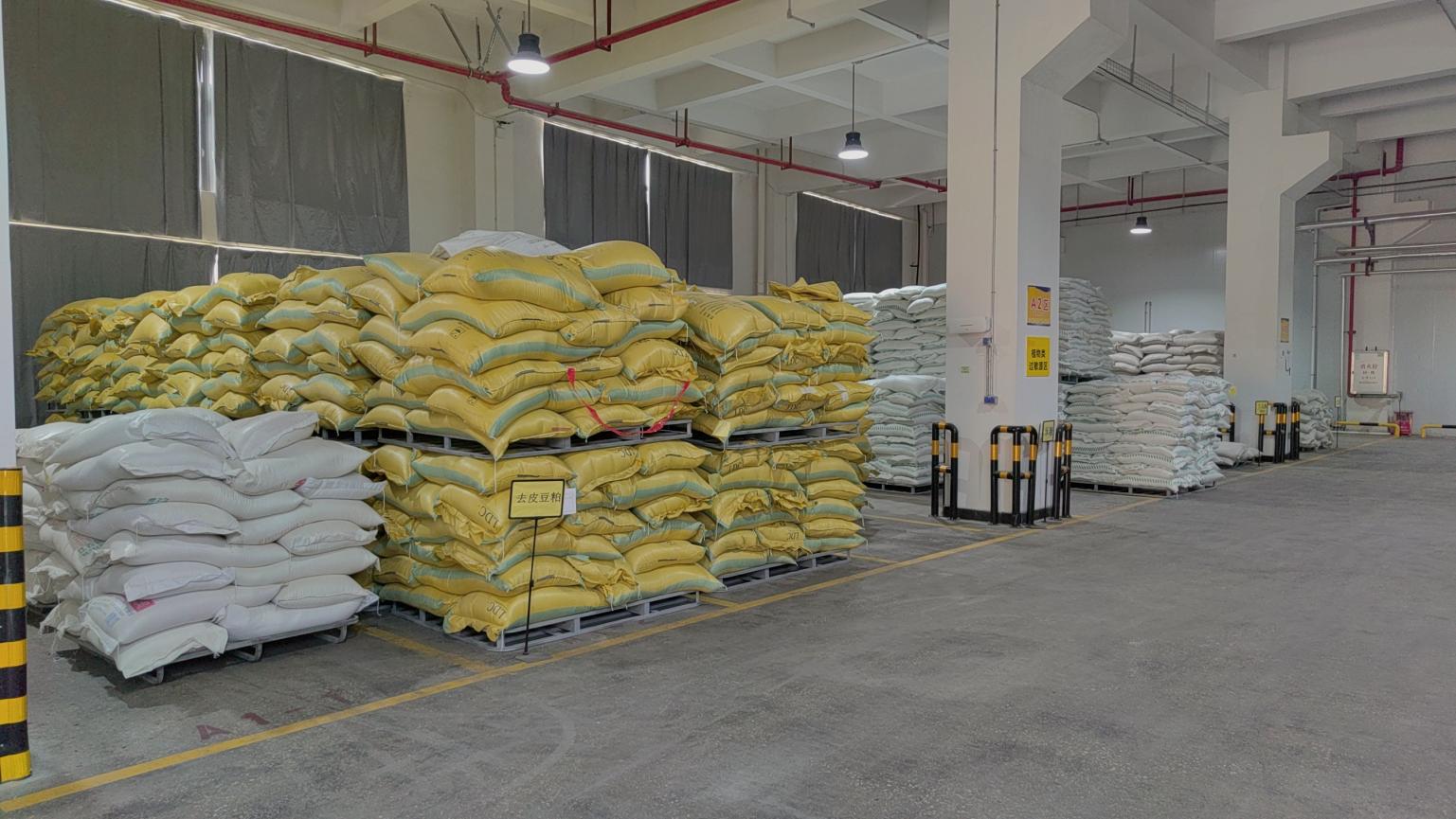

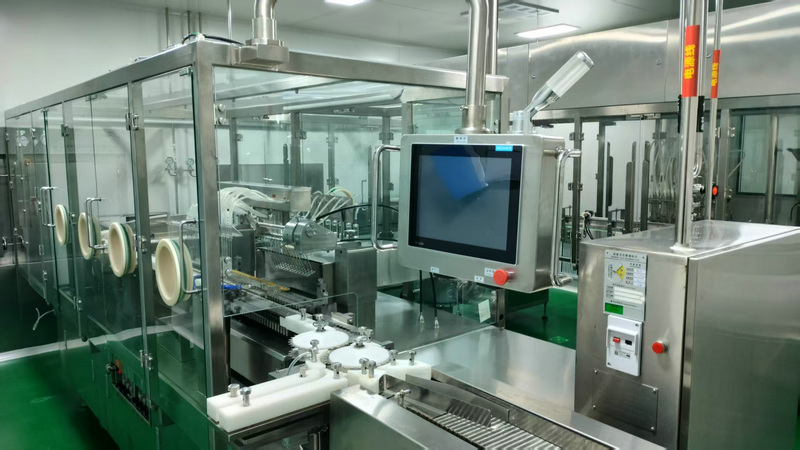
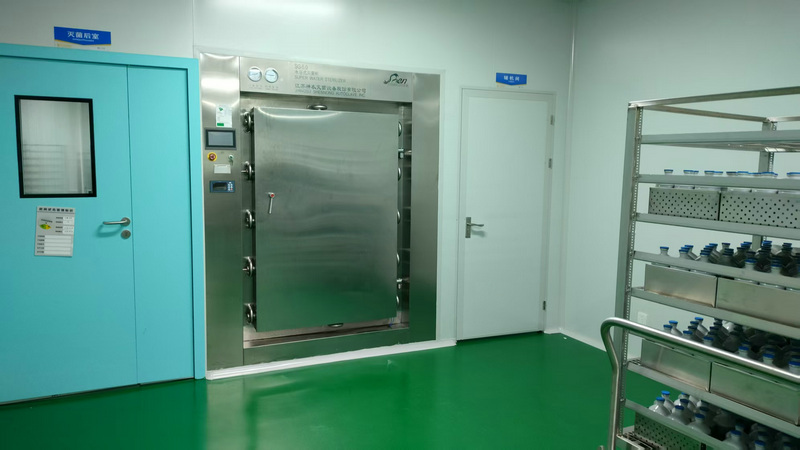
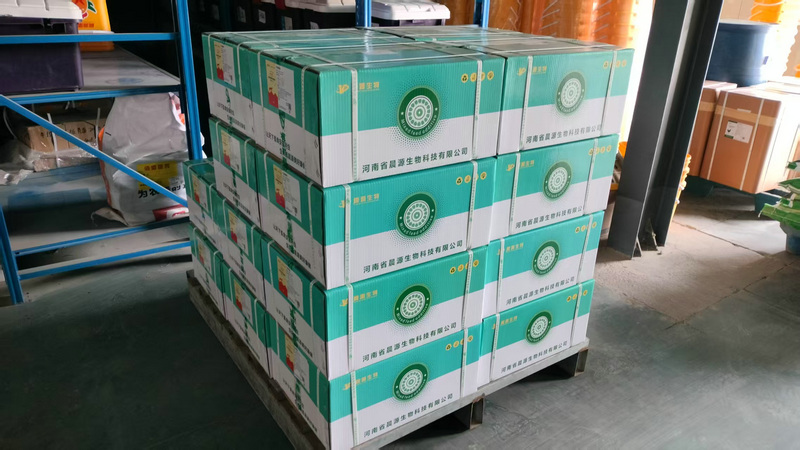
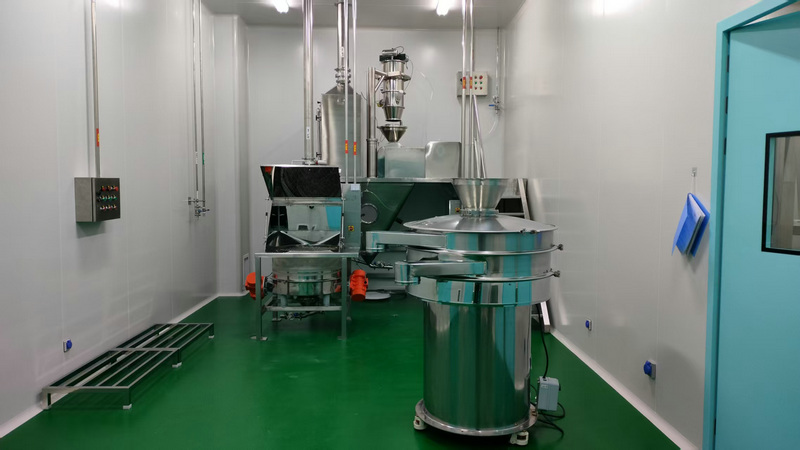
As sustainability regulations tighten and climate volatility affects global milk harvests, the whey processing industry is evolving. For Togo’s market, we are executing a three-pillar technical roadmap to ensure our protein imports remain stable, affordable, and highly functional:
West Africa's ambient temperatures require protein powders that resist agglomeration (caking) during ocean transport and warehousing. By adjusting the minerals (calcium and sodium balance) and spray-drying profiles during manufacture, we optimize the glass transition temperature of our WPC. This ensures that the powder remains free-flowing even when stored in warm, humid coastal conditions, such as those in Lomé.
Given the high prevalence of lactose intolerance in adult African populations, there is growing demand for low-lactose products. We are expanding our line of hydrolyzed whey proteins (WPH) and premium isolates. These options utilize food-grade lactase enzymes to break down lactose into glucose and galactose, providing a digestive-friendly protein source for regional health and wellness brands.
Plastic waste is a key focus for West African environmental regulators. We are transitioning our bulk WPC packaging to high-strength, recyclable multi-wall kraft paper bags, lined with thin, high-barrier PE liners. This design protects the powder from moisture ingress and oxygen oxidation while reducing total plastic use by up to 40% compared to traditional bulk packaging.
We do not simply sell bulk powders; we design complete supply chain solutions for Togolese enterprises:
Essential insights on sourcing, compliance, and logistics for importing Whey Protein Concentrate to Togo.
High-purity ingredients and customized formulas designed for food processing and sports nutrition industries.
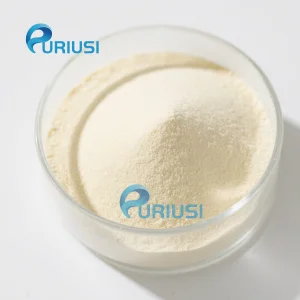
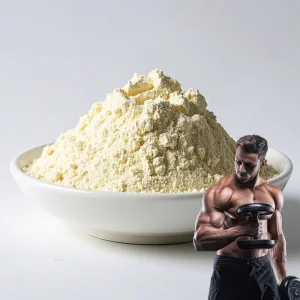
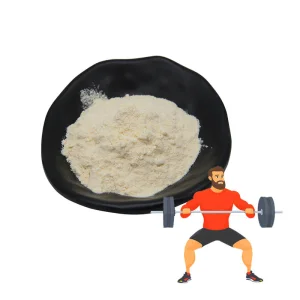
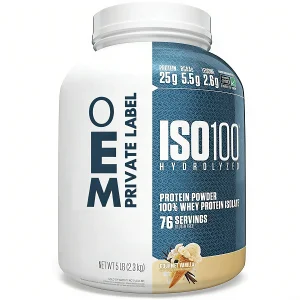
Contact our technical sales team today to request samples, discuss custom formulations, and receive competitive price quotes delivered to the Port of Lomé.
Send Inquiry Now