Akston Health
Akston Health
Akston Health
Direct factory pricing and premium quality control systems across global distribution networks.
Iron sulfate, commercially referred to as ferrous sulfate (FeSO4), represents a fundamental chemical pillar across modern agricultural, industrial, and municipal infrastructures. Sourced globally in massive quantities, this compound transitions between two primary commercial forms: Ferrous Sulfate Heptahydrate (FeSO4·7H2O) and Ferrous Sulfate Monohydrate (FeSO4·H2O). Understanding the delicate thermodynamic boundaries and application criteria of these forms is essential for global procurement directors aiming to optimize chemical efficiency and reduce total cost of ownership (TCO).
In the global chemical economy, China stands as the primary engine for iron sulfate production. The proximity to raw titanium dioxide (TiO2) manufacturing lines—where ferrous sulfate heptahydrate is generated as a primary co-product—grants Chinese chemical plants an unmatched cost structure. This geographical and process alignment ensures a continuous, scalable supply that insulates downstream global buyers from sudden supply shocks. Furthermore, as environmental laws tighten, Chinese factories have transformed their byproduct management into sophisticated crystallization units, upgrading raw material feedstocks into high-purity, low-heavy-metal salts suited for the most stringent applications.
| Property Parameter | Ferrous Sulfate Heptahydrate (FeSO4·7H2O) | Ferrous Sulfate Monohydrate (FeSO4·H2O) |
|---|---|---|
| Iron (Fe) Content | ~19.8% to 20% Min | ~30% to 32% Min |
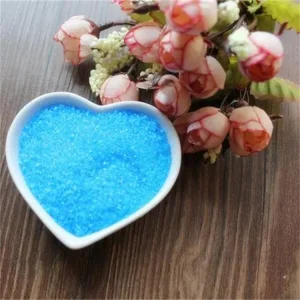
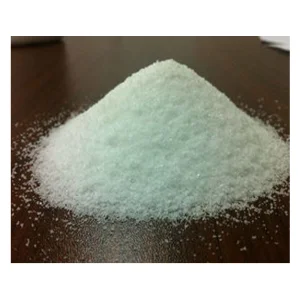
| Physical Appearance | Blue-green crystalline wet/dry salt | Off-white to light yellow free-flowing powder/granule |
| Dehydration Properties | Prone to efflorescence in dry air, cakes easily | Highly stable under ambient temperature, anti-caking |
| Primary Sourcing Focus | Water treatment, cement chromate reduction | Animal feed premixes, compound fertilizers |
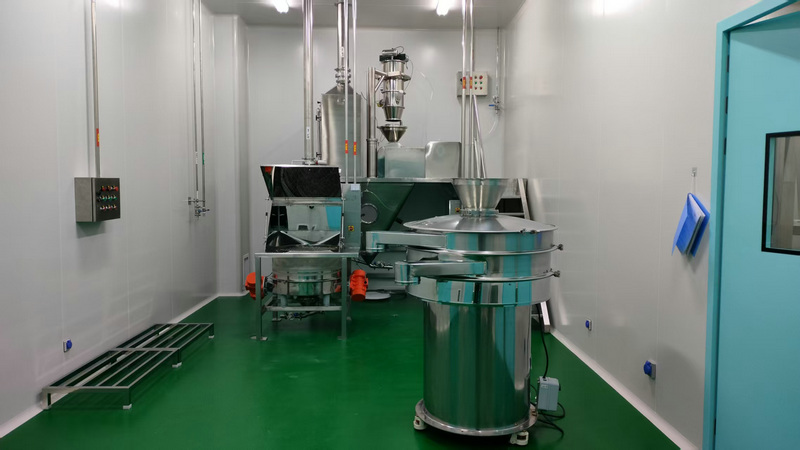
Expert Sourcing Insight: While heptahydrate offers a lower cost per ton, its high water content (approx. 45% by weight) significantly inflates international ocean freight costs per unit of active Iron (Fe). Monohydrate, conversely, is processed using state-of-the-art fluid bed dryers to strip structural water, delivering 50% more iron density and lowering logistics expenditures over long-distance ocean lanes.
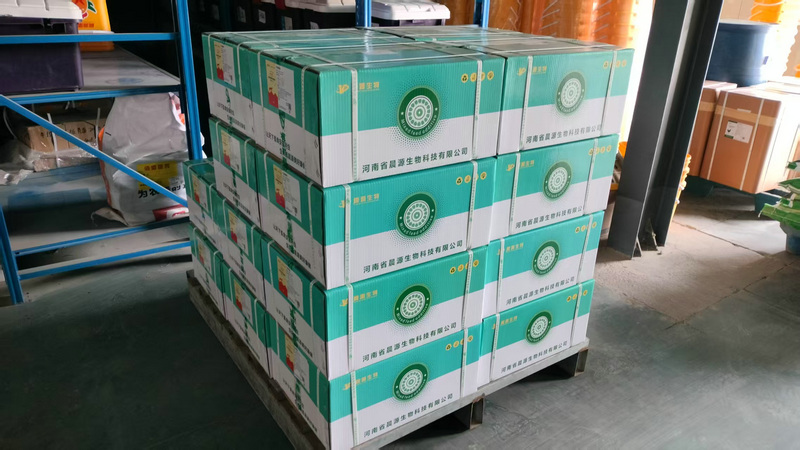
The global demand for ferrous sulfate is undergoing a structural evolution, driven by escalating clean water regulations, agricultural soil exhaustion, and livestock nutritional optimization. Procurement agencies are no longer looking for raw volume alone; they require specialized physical characteristics such as particle size consistency, controlled heavy metal margins, and moisture-proof packaging.
Municipalities and heavy manufacturing plants rely on ferrous sulfate as an efficient coagulant for phosphorus removal and COD reduction. Its superior flocculation dynamics at varying pH levels make it a cheaper alternative to aluminum-based compounds, especially in industrial paint lines and oil-water emulsions.
Iron is a foundational element in animal hemoglobin synthesis. Modern swine, poultry, and aquaculture operations require feed-grade iron sulfate monohydrate with extremely low heavy metals (Arsenic < 5ppm, Lead < 10ppm, Cadmium < 2ppm) to prevent bioaccumulation in meat, milk, and eggs.
EU and global labor directives restrict hexavalent chromium (Cr VI) levels in cement due to contact dermatitis risks. Ferrous sulfate act as a highly effective reducing agent, transforming toxic soluble chromates into harmless, insoluble trivalent chromium precipitates during dry mix production.
How modernized production infrastructure minimizes raw material variation and ensures predictable logistical outputs.
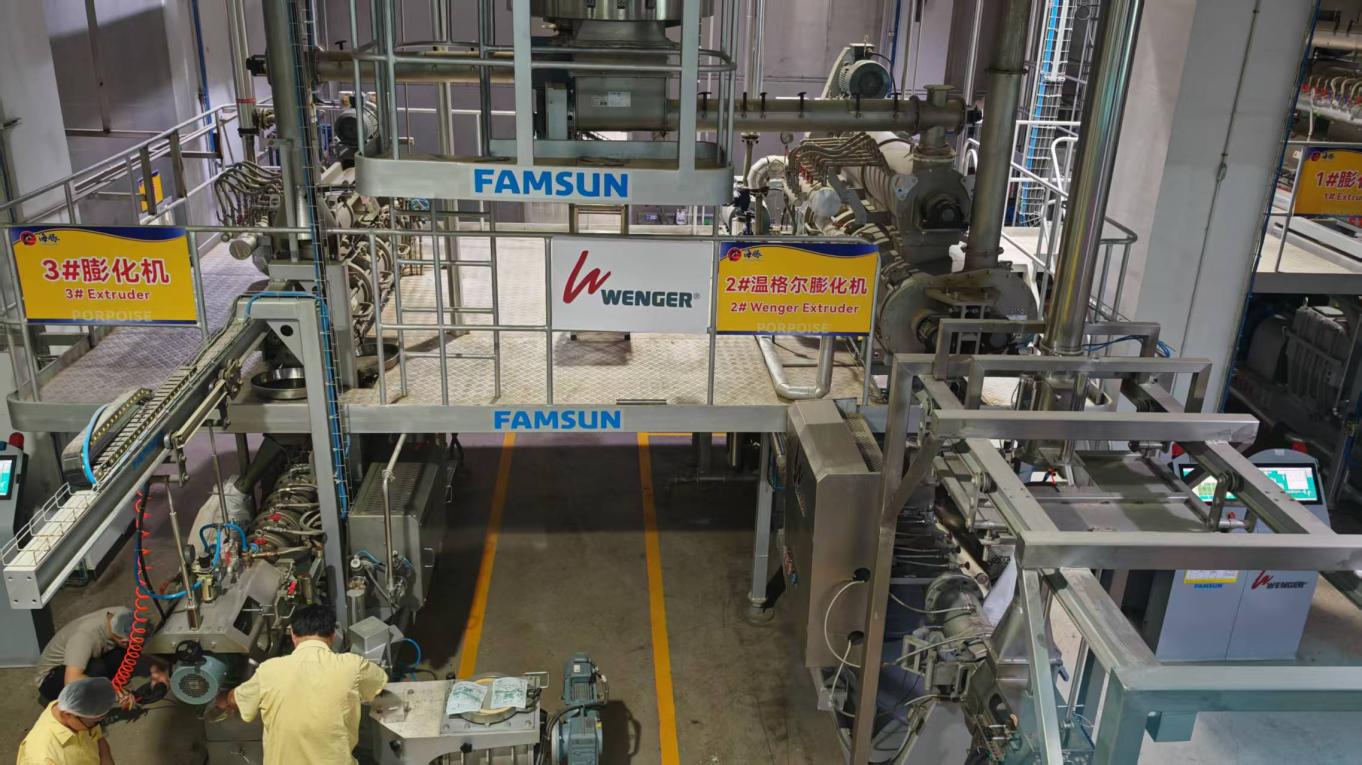
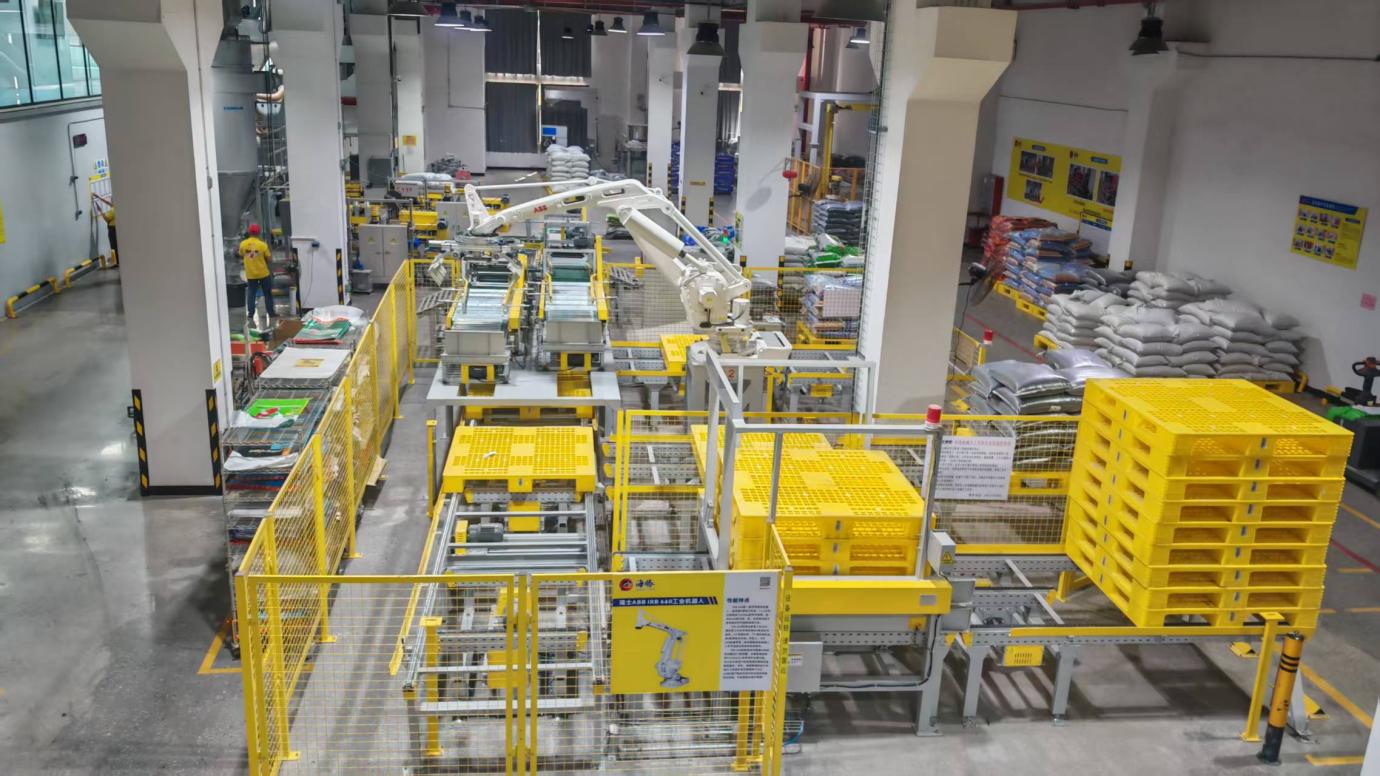
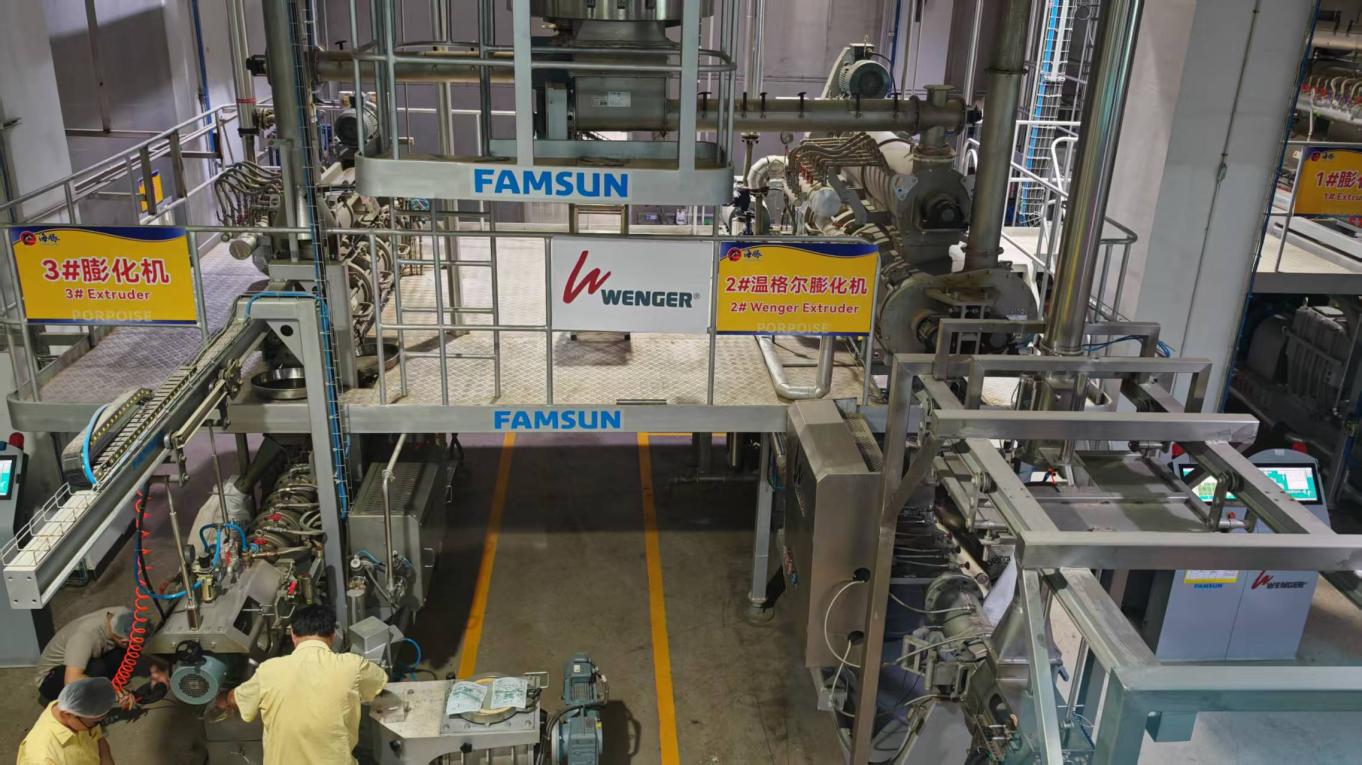
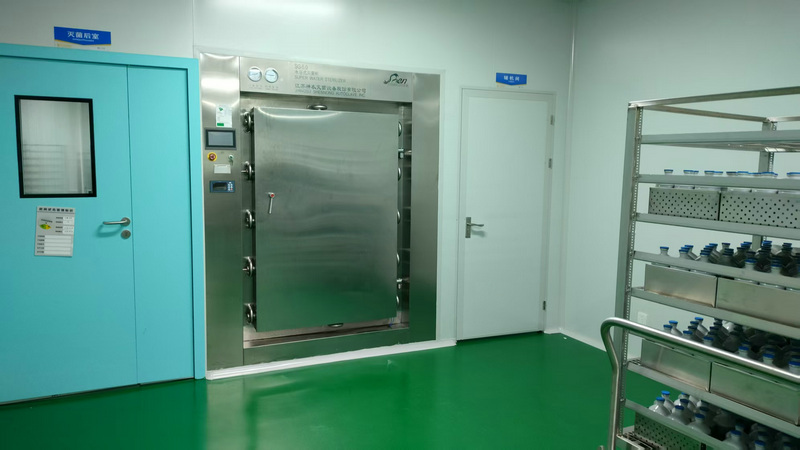
In response to global demands for transparency and high quality, China’s top iron sulfate factories have undergone a technological revolution. By shifting away from manual, batch-based processing, modern plants utilize automated, continuous crystallization loop technology. This ensures that every single batch matches the targeted molecular structure, eliminating the problem of inconsistent hydration which can ruin feed mix compositions or cement settings.
Furthermore, energy conservation and emission reduction programs in China have pushed manufacturers to adopt closed-loop heat recovery systems. By utilizing waste heat from nearby heavy industrial processes to dehydrate heptahydrate to monohydrate, our partner facilities achieve superior cost profiles, insulated from global coal and gas market price spikes. The end result is a highly reliable supply chain that guarantees consistent chemical purities and competitive price matrices even under difficult economic conditions.
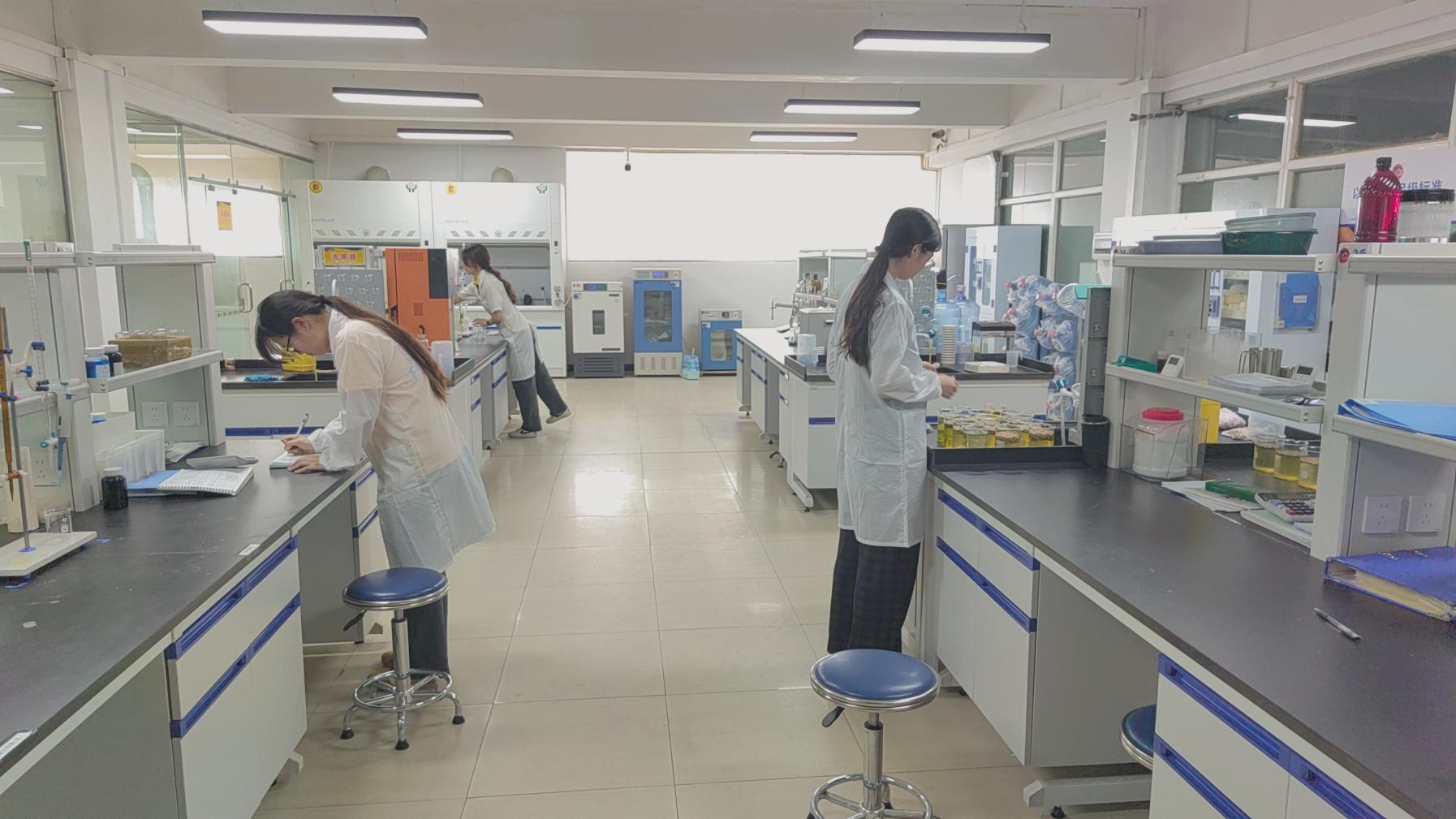
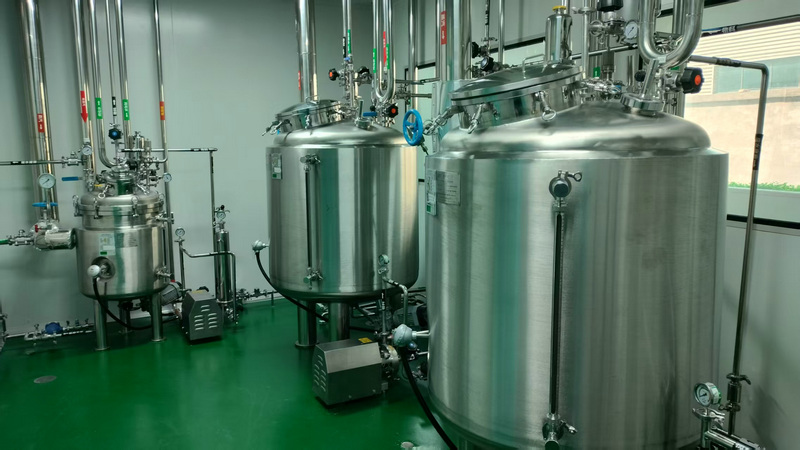
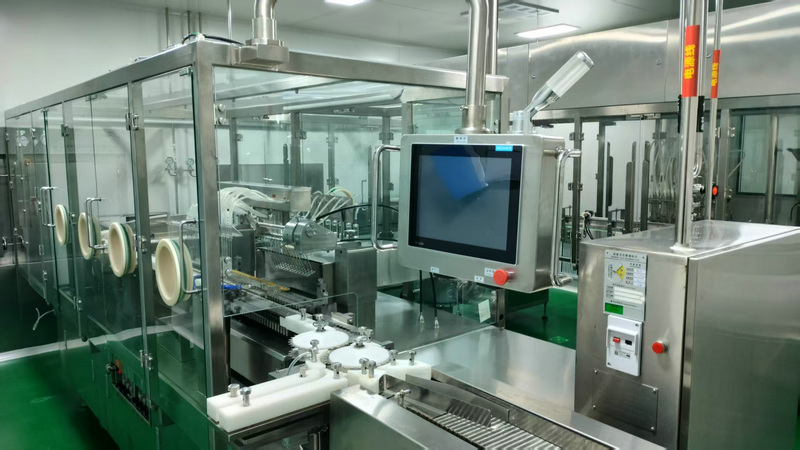
Strict Heavy Metal Mitigation Protocols: Feed-grade iron sulfate requires rigorous wet-chemical purification. Utilizing proprietary multi-stage ion-exchange filtration systems, we reduce toxic residues to trace levels far below standard EU, FDA, and FAMI-QS limits. This strict standard of quality ensures that Akston Health products are trusted by premium animal nutrition houses worldwide.
Qingdao Akston Health Co., Ltd. is a trusted manufacturer and global supplier dedicated to delivering innovative health and nutrition solutions for the animal feed industry. With a strong commitment to quality, sustainability, and continuous innovation, we provide high-performance feed additives and nutritional ingredients that support healthier livestock, improved productivity, and safer food production worldwide.
Our comprehensive product portfolio includes choline chloride, amino acids, vitamins, minerals, and other functional feed additives designed to meet the nutritional requirements of poultry, swine, ruminants, aquaculture, and companion animals. Our science-based formulations help optimize animal growth, enhance immune function, improve feed efficiency, and contribute to reducing the reliance on antibiotics in modern livestock production.
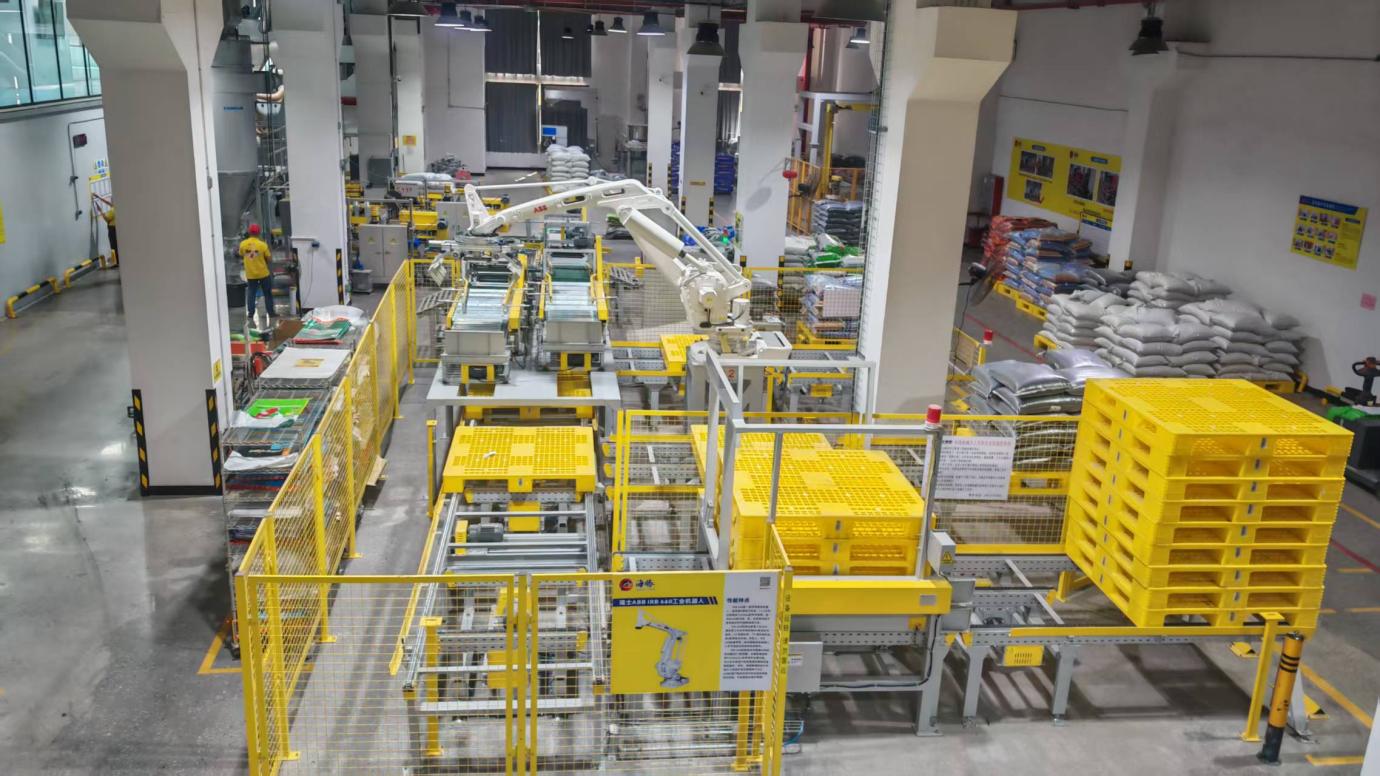
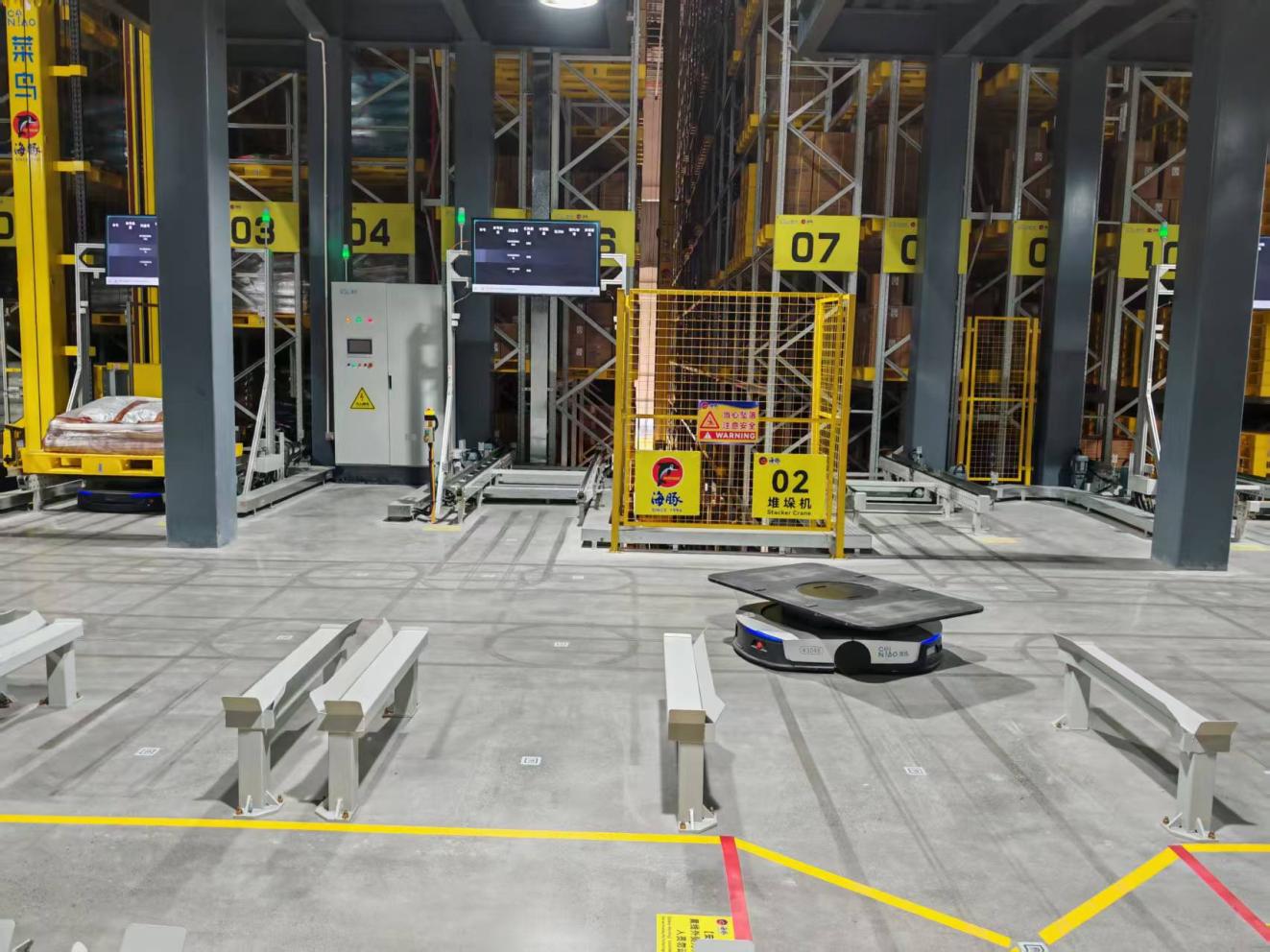
At Akston Health, quality is the foundation of everything we do. We work closely with qualified manufacturing partners and implement strict quality control systems throughout sourcing, production, and logistics to ensure every product meets international standards. Our experienced technical team also provides customized solutions and professional support to help customers achieve better production performance and sustainable business growth.
Driven by integrity, innovation, and customer satisfaction, Qingdao Akston Health Co., Ltd. has established long-term partnerships with clients across Asia, Europe, the Middle East, Africa, and the Americas. We are committed to creating lasting value through reliable products, competitive pricing, efficient supply chain management, and responsive customer service.
As your trusted partner in animal nutrition, Akston Health will continue to develop innovative solutions that promote animal health, improve farming efficiency, and contribute to a more sustainable global agriculture industry.
How our iron sulfate helps enterprises meet local soil, industrial, and ecological guidelines.
Lawn Care & Moss Control: Widely formulated in retail and commercial fertilizers to control moss growth in acidic soils and provide a rapid, non-burning green-up effect. Iron sulfate is also heavily sourced for municipal water treatment to meet EPA guidelines for phosphorus discharge in the Great Lakes region.
REACH Compliant Cement Sourcing: Strict EU laws restrict soluble chromate levels to less than 2 ppm. Our highly stable monohydrate product is the standard choice for EU cement blenders, offering long-term stability and resistance to oxidation even under variable warehouse conditions.
Agricultural Soil Amendment & Animal Feeds: Essential for citrus, banana, and palm plantation cultivation to correct iron chlorosis in alkaline soils. Also serves as a key nutritional trace mineral in high-density aquaculture and poultry operations across Brazil, Vietnam, and Indonesia.
Answers to critical questions asked by procurement managers, chemical engineers, and logistics heads.
Discover our wide selection of raw materials, feed minerals, amino acids, and plant extracts.