Akston Health
Akston Health
Akston Health
Executive Summary: The global inulin market is experiencing an unprecedented expansion, driven by the clean-label movement, glycemic health awareness, and the paradigm shift toward functional foods. Inulin, a highly versatile fructan-type prebiotic fiber primarily extracted from chicory root (Cichorium intybus) and Jerusalem artichoke (Helianthus tuberosus), plays a dual role as both a nutritional enhancer and a technological texturizer. This comprehensive industry whitepaper analyzes the top global inulin manufacturing dynamics, the operational advantages of China's Factory 4.0 infrastructure, and strategic procurement frameworks essential for large-scale enterprise buyers.
The global demand for inulin is projected to register a compound annual growth rate (CAGR) of over 6.5% through 2030. This growth is not merely quantitative but qualitative, characterized by advanced applications in sugar reduction, fat replacement, and targeted microbiome therapeutics. Modern consumer preference has pivoted away from synthetic binders and artificial sweeteners, positioning natural prebiotic fibers as the premium ingredient of choice.
In the food and beverage industry, inulin is widely utilized due to its unique chemical structure—specifically its degree of polymerization (DP). Long-chain inulin acts as an exceptional fat mimetic, providing a rich, creamy mouthfeel in low-fat dairy and plant-based alternatives without adding off-flavors. Short-chain inulin, on the other hand, offers high solubility and a subtle sweetness, making it ideal for glycemic-index-friendly sugar reduction formulations. As global regulatory bodies impose sugar taxes and consumers demand transparent labeling, sourcing high-purity inulin has transitioned from a cost-efficiency strategy to a core competitive requirement.
Enterprise-level procurement of inulin requires navigation of complex supply chains, raw material variations, and geographical dependencies. Historically, Western Europe (particularly Belgium, the Netherlands, and France) dominated the chicory-derived inulin sector. However, climate volatility, fluctuating energy costs, and agricultural land limits have pushed global buyers to look for resilient secondary and primary sourcing channels.
Procurement teams must balance multiple critical vectors:
The global tier-1 inulin landscape is characterized by high capital expenditure, advanced extraction technologies, and stringent quality control. When ranking and evaluating the top suppliers globally, several criteria define industry leadership:
1. Cosucra Groupe Warcoing (Belgium): A pioneer in chicory root processing, known for its Fibruline® range. They emphasize agricultural sustainability and clinical research backing their prebiotic efficacy.
2. Beneo GmbH (Südzucker Group, Germany): Producing Orafti® inulin, Beneo dominates the global market with extensive application support, high-purity grades, and a strong presence in infant nutrition.
3. Sensus (Royal Cosun, Netherlands): Renowned for Frutafit® inulin and Frutalose® oligofructose. Their focus is on high-solubility powders and liquid syrups for sugar reduction.
4. Jarrow Formulas / Sourcing Networks (USA): While primarily a brand, they control critical supply networks, focusing on high-grade dietary supplements.
5. Shandong Fengshuai New Material (China): A large-scale industrial processor integrating agricultural cultivation with high-capacity extraction lines, offering cost-optimized solutions.
6. Qingdao Akston Health Co., Ltd. (China): A highly integrated global supplier specializing in advanced nutritional solutions, chemical and feed additives, and functional health ingredients. Offering end-to-end supply chain integration, rigorous testing standards, and a robust Factory 4.0 infrastructure.
7. Fuji Nihon Seito Corporation (Japan): Known for premium specialty inulin with precise molecular weight distribution, targeting the high-end functional food and pharmaceutical sectors in Asia.
8. Vilofeed / Danish Agro (Denmark): Leading the integration of prebiotic fibers like inulin in veterinary and animal nutrition applications, focusing on gut health to replace antibiotic growth promoters.
9. Leroux (France): Chicory specialists focusing on clean-label ingredients, combining traditional agricultural expertise with modern low-temperature extraction technology.
10. The Tierra Group (Mexico): A key player in Agave Inulin, providing organic-certified alternatives that feature high solubility and stability in low-pH beverage formulations.
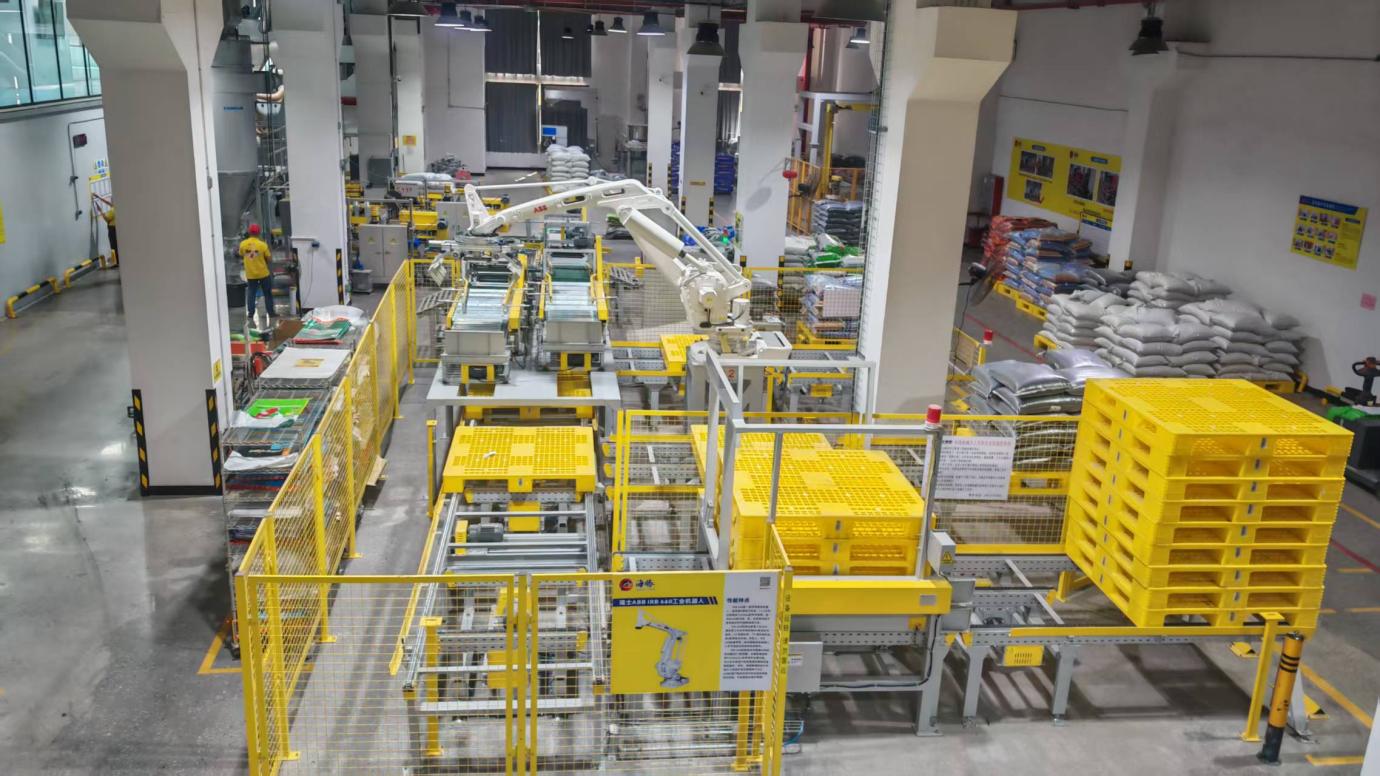
The rise of Chinese manufacturing to a position of global dominance in the ingredients sector is driven by the adoption of Factory 4.0 paradigms. Advanced manufacturing in China is no longer merely about low labor costs; it is about absolute process control, automation, energy efficiency, and end-to-end traceibility.
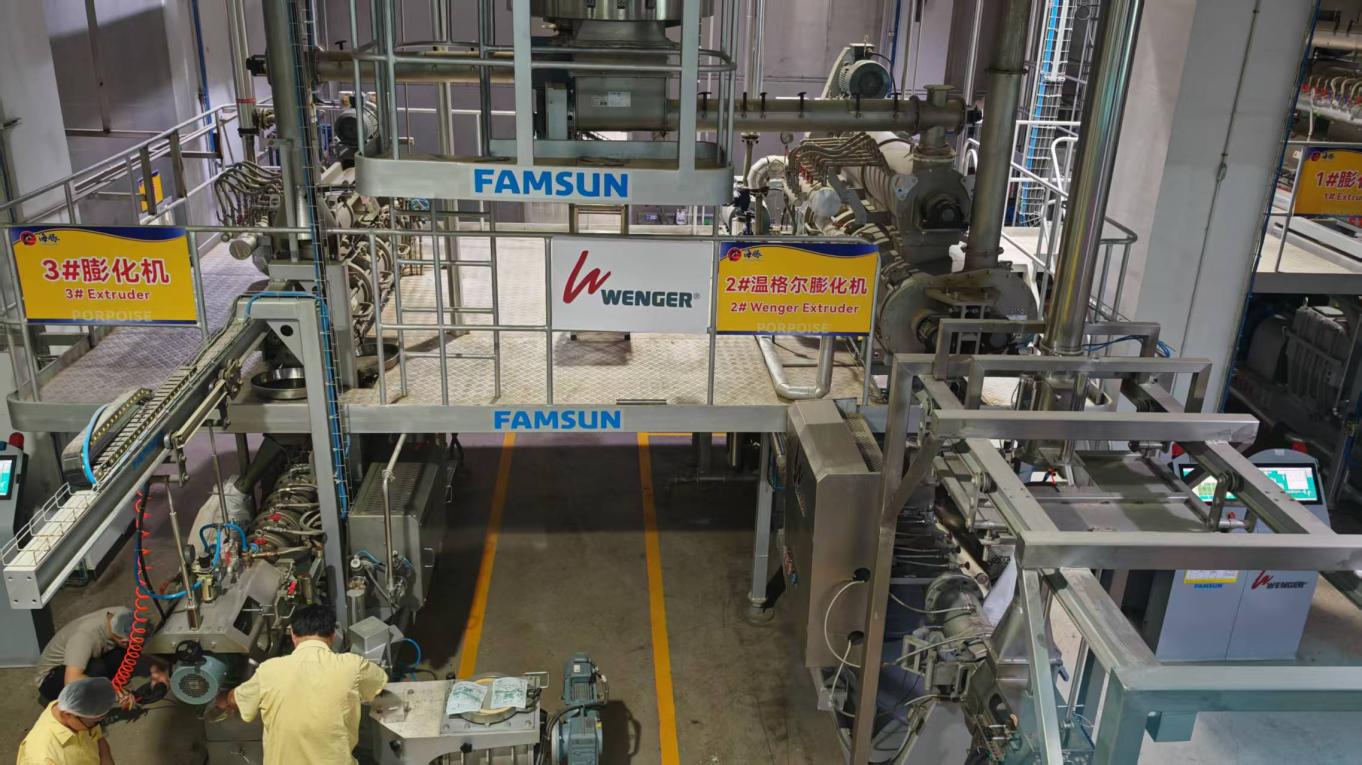
Chinese factories utilize state-of-the-art closed-loop continuous extraction systems. These systems monitor temperature, pH, and flow rates in real-time, minimizing enzymatic degradation of the fructan chains. Furthermore, integration of multi-stage spray drying towers ensures consistent particle size distribution, preventing caking and ensuring rapid dispersion when used by end-formulators. This technological leap, paired with domestic sourcing of raw crops, offers global buyers a level of supply chain resilience and cost stability that traditional agricultural processors struggle to match.
Qingdao Akston Health Co., Ltd. is a trusted manufacturer and global supplier dedicated to delivering innovative health and nutrition solutions for the animal feed, functional food, and chemical industries. With a strong commitment to quality, sustainability, and continuous innovation, we provide high-performance feed additives and nutritional ingredients that support healthier livestock, improved productivity, and safer food production worldwide.
Our comprehensive product portfolio includes choline chloride, amino acids, vitamins, minerals, and other functional feed additives designed to meet the nutritional requirements of poultry, swine, ruminants, aquaculture, and companion animals. Our science-based formulations help optimize animal growth, enhance immune function, improve feed efficiency, and contribute to reducing the reliance on antibiotics in modern livestock production.
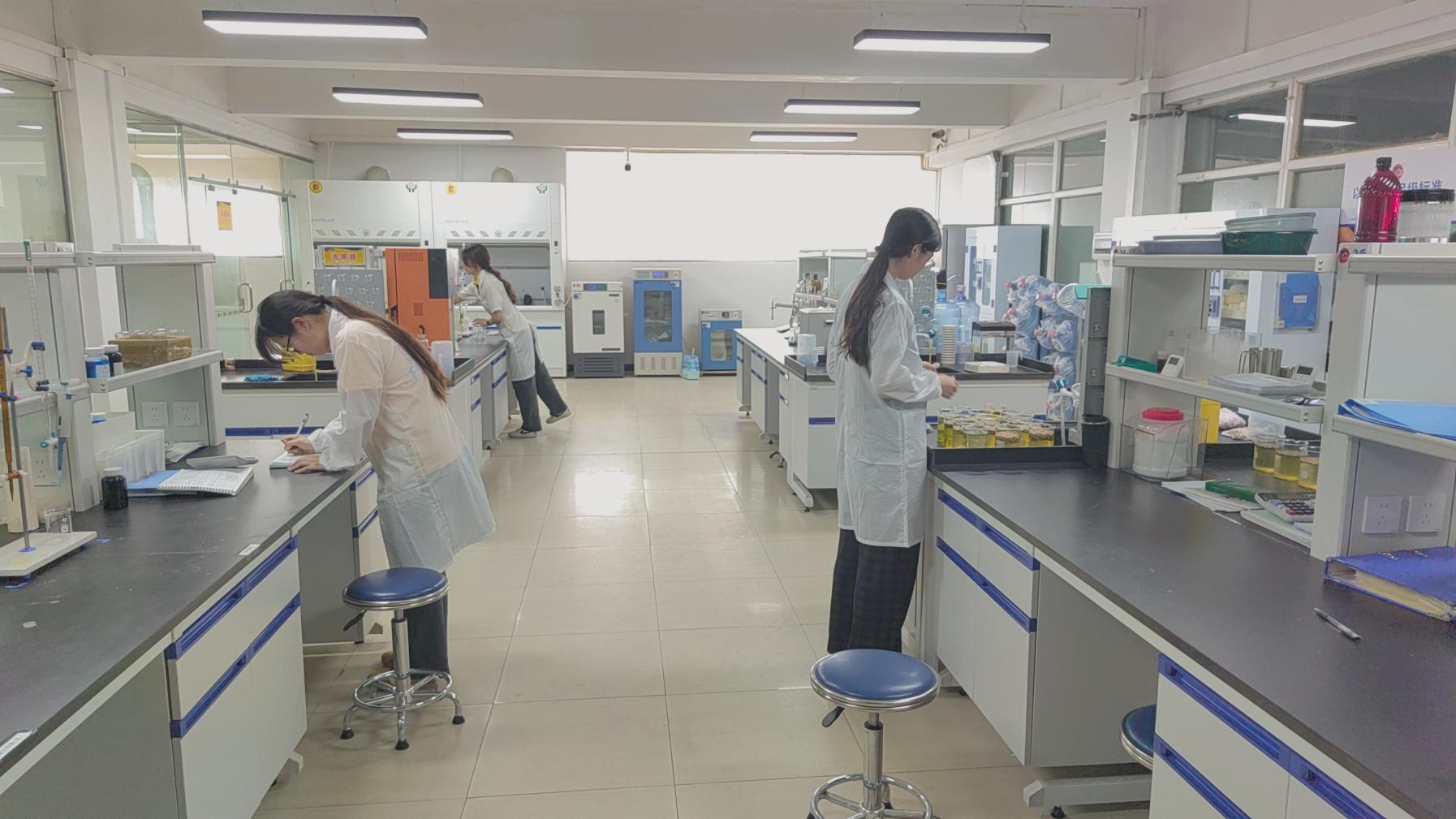
At Akston Health, quality is the foundation of everything we do. We work closely with qualified manufacturing partners and implement strict quality control systems throughout sourcing, production, and logistics to ensure every product meets international standards. Our experienced technical team also provides customized solutions and professional support to help customers achieve better production performance and sustainable business growth.
Driven by integrity, innovation, and customer satisfaction, Qingdao Akston Health Co., Ltd. has established long-term partnerships with clients across Asia, Europe, the Middle East, Africa, and the Americas. We are committed to creating lasting value through reliable products, competitive pricing, efficient supply chain management, and responsive customer service.
As your trusted partner in animal nutrition and functional health ingredients, Akston Health will continue to develop innovative solutions that promote animal health, improve farming efficiency, and contribute to a more sustainable global agriculture industry.
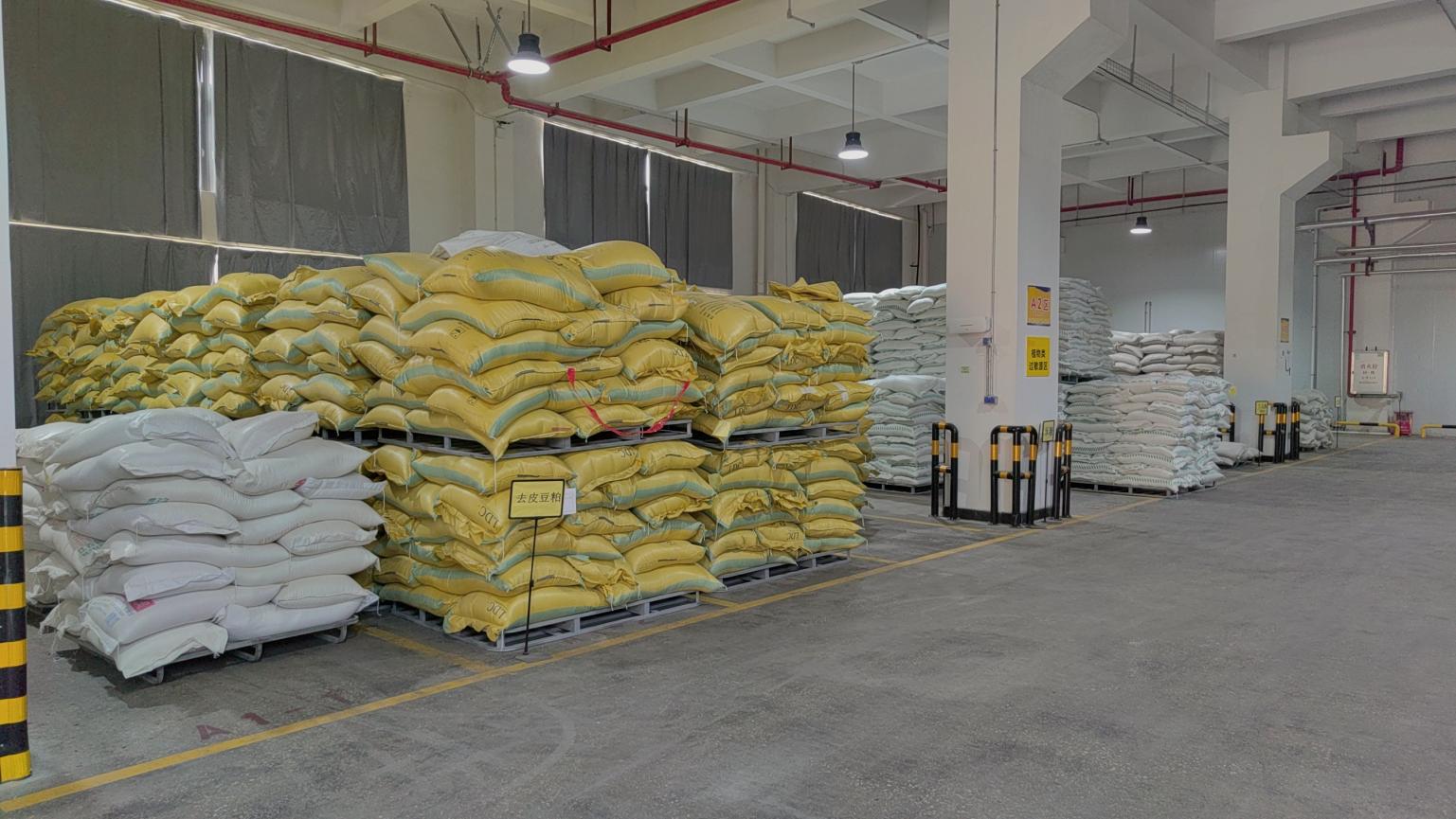
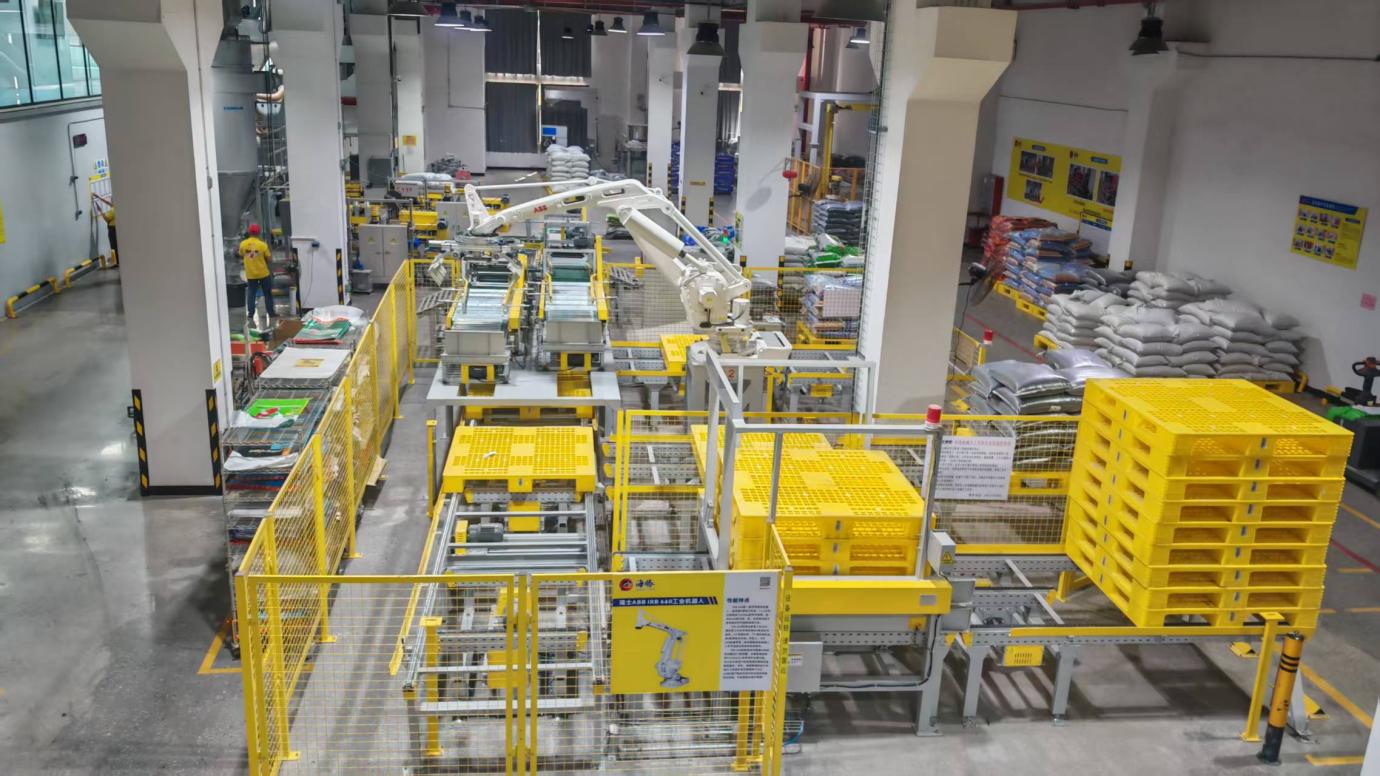
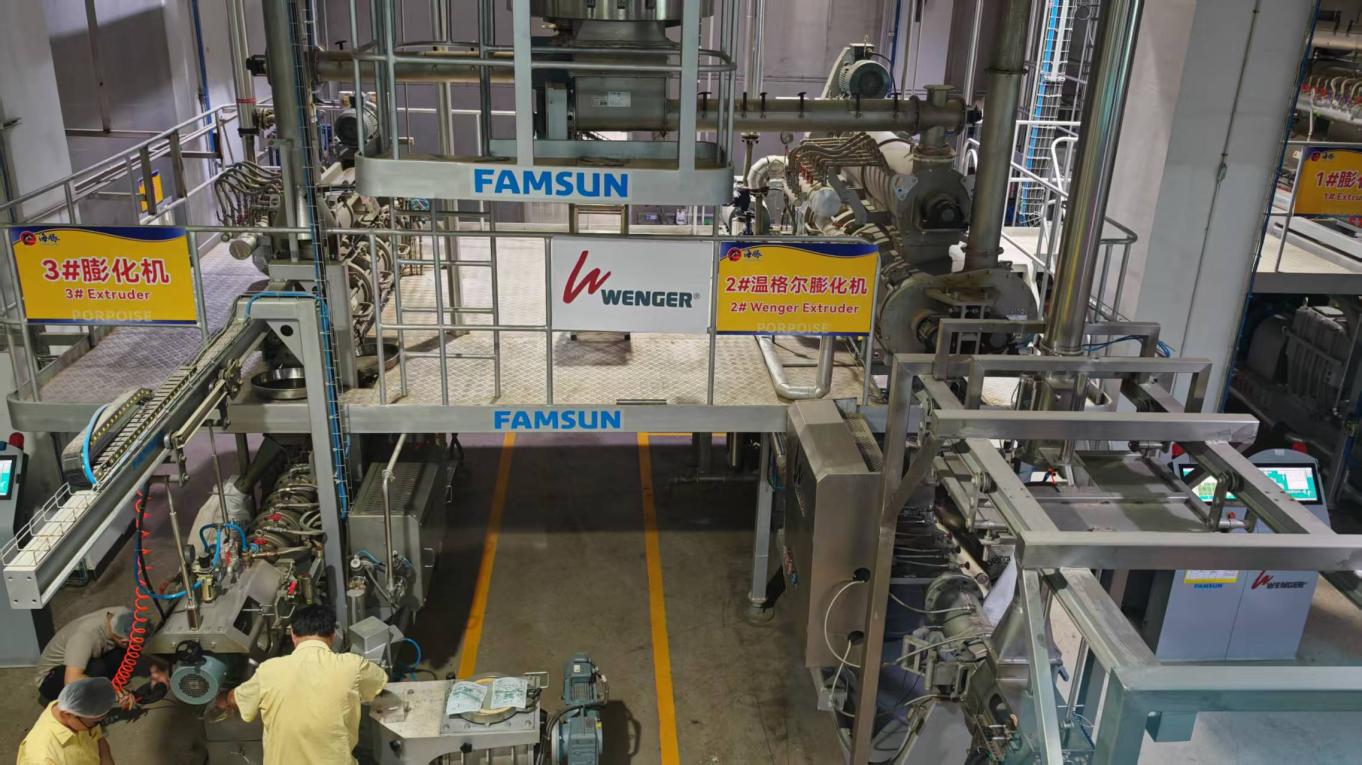
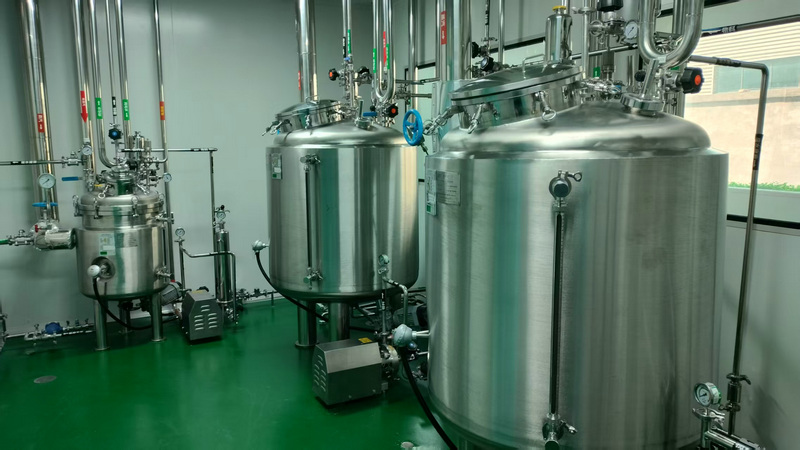
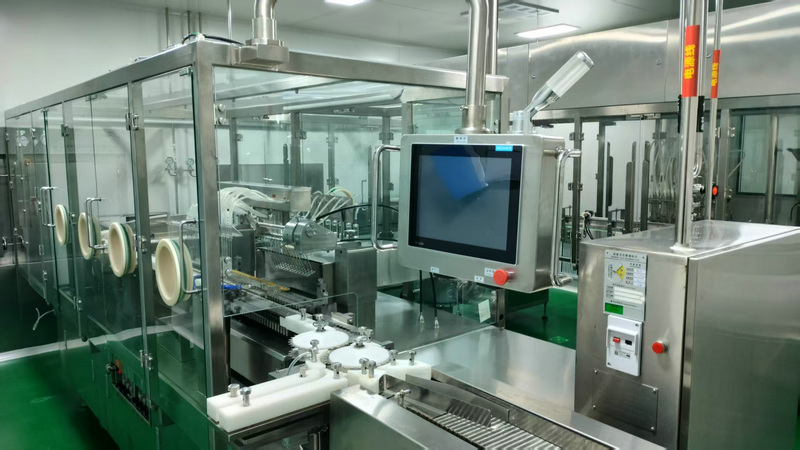
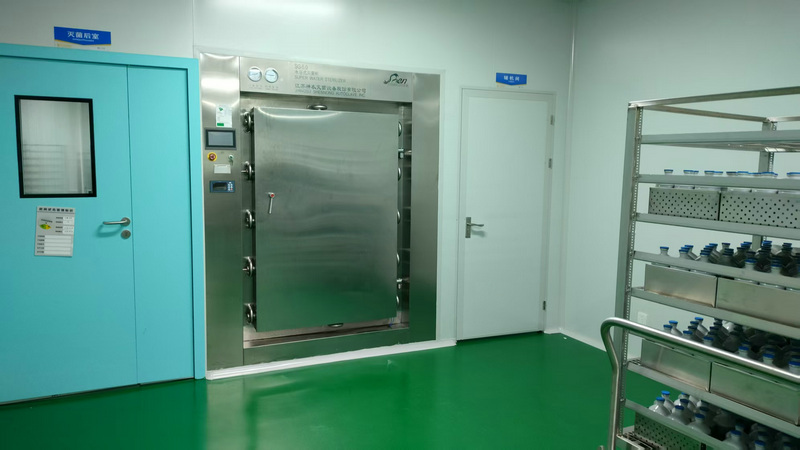
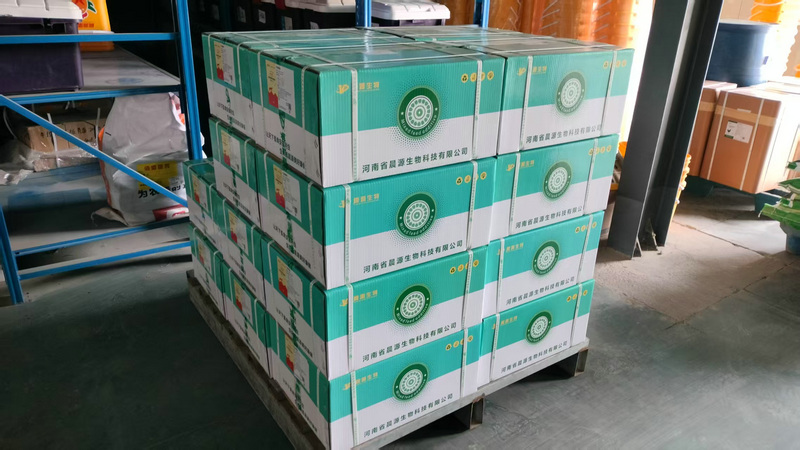
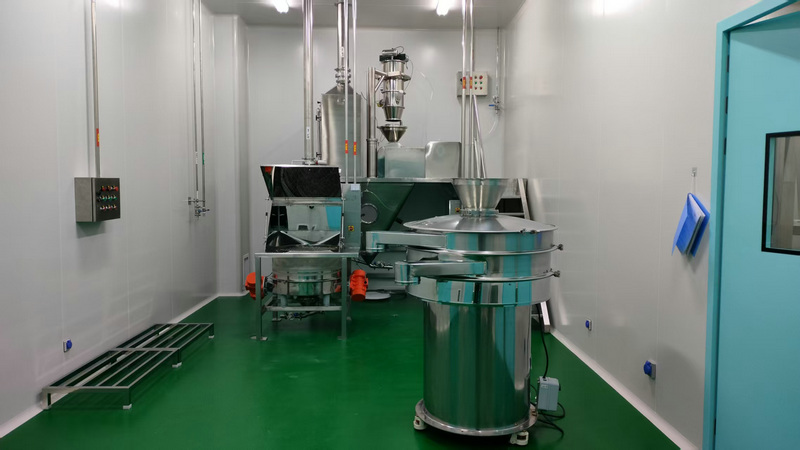
Our state-of-the-art facilities combine heavy industrial scale with pharmaceutical-grade cleanliness. Below is an overview of the key processing, manufacturing, and storage nodes within our logistics network, showcasing our commitment to transparent production and supply-chain stability.

Inulin's versatility means it performs differently depending on regional regulations and application matrixes:
1. Dairy and Dairy Alternatives (North America & EU): In yogurt formulations, standard-grade inulin acts as a prebiotic stabilizer. In plant-based milks (oat, almond, soy), high-performance (HP) long-chain inulin is added at 1.5% to 3% to mimic the fat globule structure of dairy milk, masking grain notes and creating a smooth body.
2. Sugar-Reduced Bakery Products (Latin America & APAC): In bread, cookies, and energy bars, oligofructose is paired with intense sweeteners like stevia. The oligofructose provides the bulk and humectancy required to maintain cookie softness and crumb moisture, while correcting the flavor profile of the sweeteners.
3. Advanced Swine & Poultry Feed (Global): As animal husbandry moves away from sub-therapeutic antibiotic use (AGPs), chicory inulin and related fructans (FOS) are widely formulated into weaning piglet diets. Research shows that 0.2% dietary inclusion of inulin selectively stimulates the proliferation of beneficial *Bifidobacterium* and *Lactobacillus* species in the large intestine, lowering gut pH and inhibiting pathogenic *E. coli* colonization.