Akston Health Akston Health

How to Use Organic Acids to Prevent Diarrhea in Weaning Piglets?

Time:2026-08-26 Author:Charlotte
0%

Diarrhea is a common challenge facing weaning piglets. It can lead to severe health issues and economic losses for farmers. Therefore, it is crucial to find effective methods to manage this problem. One promising approach is to explore how to prevent diarrhea in weaning piglets using organic acids. Organic acids play a significant role in gut health. They help maintain a balanced intestinal microbiota and improve nutrient absorption.

Research shows that adding organic acids to piglet diets can significantly reduce the incidence of diarrhea. These compounds lower the pH in the gastrointestinal tract, creating an environment less favorable for harmful bacteria. It is essential to optimize the dosage and type of organic acids used. Different acids have varying effects. For instance, formic and lactic acids are popular choices due to their proven effectiveness.

Despite the positive outcomes, some drawbacks need consideration. Over-reliance on organic acids may not address underlying causes of diarrhea. Also, individual piglet responses may vary. Farmers should monitor their herds closely. Continuous assessment and tailored strategies are vital for success. This reflection points to the need for integrating organic acids into a broader management plan.
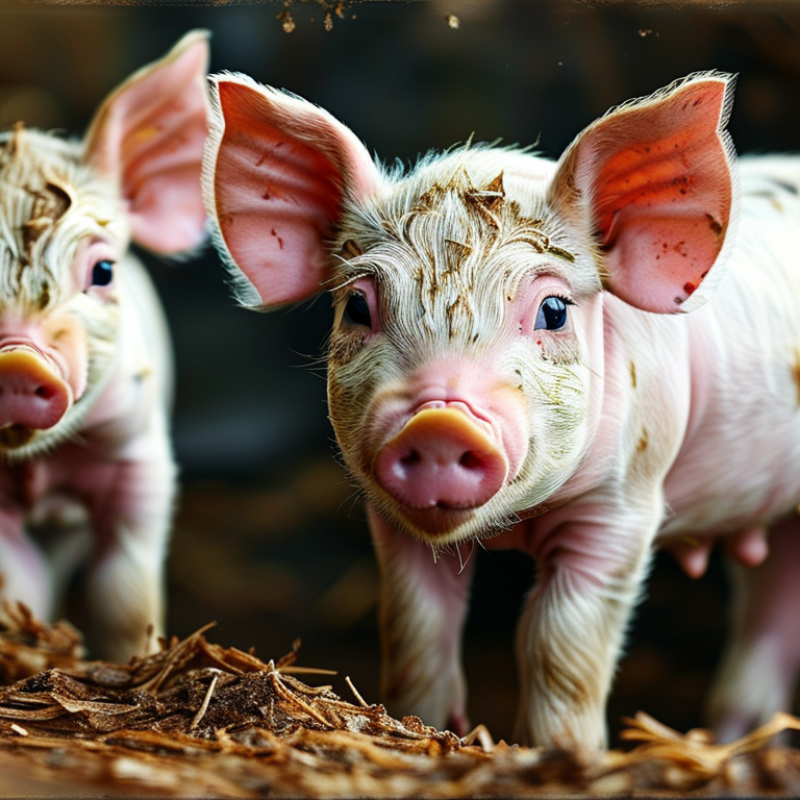
How to Use Organic Acids to Prevent Diarrhea in Weaning Piglets?

Understanding the Role of Organic Acids in Piglet Health

Organic acids play a crucial role in enhancing the health and growth of weaning piglets. Research indicates that the inclusion of organic acids in feed can significantly reduce the incidence of diarrhea. A study by the National Pork Board found that organic acids like lactic acid and formic acid can lower pathogen levels in the gut. This reduction is vital, as weaning stress can compromise piglet immunity, making them more susceptible to gastrointestinal diseases.

Maintaining gut health is essential for optimal growth. Organic acids help in balancing gut microbiota, fostering beneficial bacteria. Data from the Journal of Animal Science shows that piglets supplemented with organic acids gained 5-10% more weight than those without. While organic acids can improve piglet health, they are not a complete solution. Other factors, such as nutrition and management practices, significantly influence overall well-being.

Producers should carefully assess their use of organic acids. Over-reliance on these additives can lead to diminishing returns. It is crucial to balance organic acid use with proper hygiene and a complete dietary strategy, ensuring the holistic health of piglets during the stressful weaning period.

Types of Organic Acids Beneficial for Weaning Piglets

When weaning piglets, managing their digestive health is essential. Organic acids can play a crucial role in this process. Among the various types, formic acid and butyric acid have shown significant benefits. These acids can lower the pH in the gut. A more acidic environment can help in controlling harmful bacteria.

Formic acid is particularly effective for its antimicrobial properties. It can reduce pathogens like E. coli and Salmonella. Butyric acid, on the other hand, supports gut health by enhancing villus development. This promotes better nutrient absorption. Adding these acids to the diet can be a natural way to support piglet growth.

However, not all organic acids will suit all situations. The right concentration varies with individual farm conditions. It's crucial to monitor piglet responses closely. Regular assessments can help determine the best approach. Mistakes in dosage can lead to underperformance or digestive upset. Careful evaluation and adaptation are the keys to success in utilizing organic acids effectively.

Mechanisms of Action: How Organic Acids Combat Diarrhea

Organic acids play a crucial role in managing diarrhea in weaning piglets. Their effectiveness lies in both their antibacterial properties and their ability to modify gut pH. Acetic, propionic, and lactic acids are commonly researched options. They work by inhibiting pathogenic bacteria in the gut, creating a healthier intestinal environment. This helps ensure that beneficial bacteria thrive while harmful ones diminish.

The mechanism is complex but fascinating. Organic acids lower the pH in the digestive tract, disrupting the growth of harmful microbes. By maintaining a lower pH, these acids also support the absorption of essential nutrients. Furthermore, they encourage the development of a robust immune response in piglets. However, the exact dosage and combination of acids can vary. This means that experimentation is often necessary to find the ideal balance for each herd.

While the benefits are clear, there are challenges in application. Not all piglets respond the same way to organic acids. Factors like diet, health status, and environment play significant roles. Regular monitoring and adjustments are important. Relying solely on organic acids for diarrhea prevention may not be sufficient. Combining them with good management practices enhances overall effectiveness.

How to Use Organic Acids to Prevent Diarrhea in Weaning Piglets? - Mechanisms of Action: How Organic Acids Combat Diarrhea

Organic Acid Mechanism of Action Benefits for Piglets Recommended Dosage
Formic Acid Enhances gut health by lowering pH and inhibiting pathogen growth. Reduces diarrhea incidence, improves feed conversion ratio. 1-2 g/kg in feed.
Acetic Acid Promotes beneficial gut bacteria while suppressing harmful microbes. Supports immune function and gut integrity. 2-3 g/kg in drinking water.
Lactic Acid Aids in acidifying the gastrointestinal tract, promoting digestion. Enhances nutrient absorption and growth performance. 1-1.5 g/kg in feed.
Propionic Acid Inhibits the growth of spoilage bacteria and molds. Improves shelf-life of feeds and reduces digestive disorders. 0.5-1 g/kg in feed.

Recommended Dosages and Application Methods for Piglets

Organic acids can play a crucial role in preventing diarrhea in weaning piglets. Understanding the right dosages and application methods is essential. Typically, a dosage range of 1-2 kg per ton of feed is recommended, but adjustments may be necessary based on the specific needs of the piglets. For effective results, acids such as citric acid and lactic acid can be added directly to the feed. It’s important to mix them thoroughly to ensure even distribution throughout the feed.

For optimal results, provide organic acids close to feeding times. This practice enhances their effectiveness in the digestive system. Additionally, using water-soluble organic acids can be beneficial, offering flexibility in administration. Monitor piglet responses closely. Some may show varying tolerances to acids, which might lead to digestive discomfort. If any adverse effects occur, reassess the dosage and application method.

Encouraging healthy gut flora is vital. Employ a gradual introduction of organic acids into the diet to allow time for adaptation. This approach can lead to better overall health and improved weight gain. Always consult with a veterinarian for personalized advice, as each herd may respond differently to organic acid treatments.

Effects of Organic Acids on Diarrhea Prevention in Weaning Piglets

Monitoring and Evaluating the Efficacy of Organic Acids in Diets

Monitoring the efficacy of organic acids in weaning piglets is crucial for ensuring optimal health and growth. These acids help in maintaining gut health by lowering pH levels in the gastrointestinal tract. This environment can inhibit the growth of harmful bacteria. Regular assessments of piglet behavior and fecal consistency can provide valuable insights into the effectiveness of organic acids in their diet.

Applying organic acids requires precision. It is vital to monitor the dosage carefully. Too little may not be effective, while too much could lead to digestive upset. Use consistent evaluation methods, such as measuring growth rates and monitoring overall health. Observing piglet behavior during feeding can also reveal changes in appetite and comfort. These observations help in understanding the response to dietary modifications.

Collaboration with nutrition experts can further refine the use of organic acids. Gathering data over several weaning cycles enhances the reliability of findings. Sometimes results may not meet expectations, highlighting the need for further investigation. Continuous improvement and adaptation are essential in this field to achieve the best outcomes for piglet health.

FAQS

: Why are organic acids important for piglet health?

: Organic acids enhance health and growth by reducing diarrhea and lowering pathogens in the gut.

How do organic acids affect piglet growth?

Supplementation with organic acids can lead to a weight gain of 5-10% in piglets.

Can organic acids completely resolve health issues in piglets?

No, they improve health but do not replace good nutrition and management practices.

What should be monitored when using organic acids in piglet diets?

It is important to monitor behavior, fecal consistency, and growth rates regularly.

How can dosages of organic acids impact piglet health?

Too little may be ineffective, while too much can cause digestive problems.

What challenges can arise when using organic acids?

Results might not always meet expectations, requiring further investigation.

How can producers ensure effective use of organic acids?

Balance their use with hygiene and a complete dietary approach for piglet health.

What role do beneficial bacteria play in piglet health?

They are fostered by organic acids, contributing to balanced gut microbiota.

Why is collaboration with nutrition experts beneficial?

Experts help refine organic acid use and enhance the reliability of outcomes over time.

What is a key takeaway regarding the use of organic acids?

Continuous improvement and adaptation are essential for optimal piglet health outcomes.

Conclusion

This article explores effective strategies on how to prevent diarrhea in weaning piglets using organic acids. It begins by highlighting the crucial role these acids play in promoting overall piglet health, particularly during the stressful weaning phase. Various types of organic acids, such as formic, acetic, and propionic acids, are identified for their beneficial effects on gut health and pathogen control.

The mechanisms by which organic acids combat diarrhea are discussed, emphasizing their ability to lower gut pH and inhibit harmful bacteria. The article also provides recommended dosages and application methods to ensure optimal effectiveness in piglet diets. Lastly, it outlines the importance of monitoring and evaluating the efficacy of these acids, ensuring that their integration into piglet diets not only prevents diarrhea but also supports healthy growth and development.

Charlotte

Charlotte

Charlotte is a seasoned marketing professional with a deep understanding of the company's portfolio and a passion for elevating its presence in the market. With a keen eye for detail and a commitment to excellence, she ensures that our professional blog is regularly updated with insightful articles......