Storing bulk animal feed is a vital task for farmers. Proper storage prevents spoilage and protects animal health. However, many struggle with mold growth in feed. According to Dr. Jane Thompson, an expert in animal nutrition, “Mold can quickly ruin feed quality and pose health risks to livestock.” Understanding how to store bulk animal feed without getting mold is essential for maintaining quality.
Creating ideal storage conditions is crucial. Adequate ventilation, temperature control, and moisture management play significant roles. Many fail to consider these factors, leading to mold issues. Regular checks and adjustments can prevent unexpected problems. Choosing the right containers also matters. Not all bins effectively protect against mold, and some may even trap moisture.
Professional recommendations often focus on organization. Storing feed in designated areas reduces the risk of cross-contamination. However, even seasoned farmers can overlook details. It's important to regularly review storage practices. Adopting these methods can make a difference in feed quality and animal health.
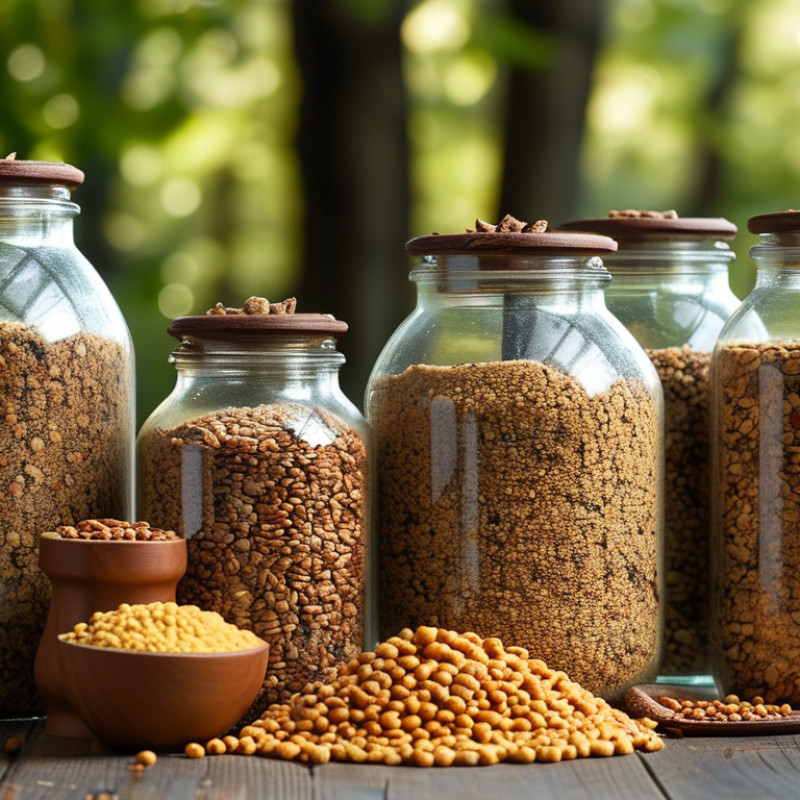
Understanding the Importance of Proper Animal Feed Storage
Proper storage of bulk animal feed is crucial for maintaining its nutritional quality. Mold can grow quickly in unsuitable conditions, making feed unsafe to consume. Understanding why proper storage methods matter can help prevent wastage. Moisture is the enemy when it comes to feed storage. Ensuring a dry environment helps deter mold growth.
Ventilation is also important. Without airflow, stale conditions can develop. Choosing a storage area with good air circulation can make a difference. Inspect regularly for any signs of mold or spoilage. Keep storage containers clean and dry. Even the best feed can become contaminated if not stored properly.
Temperature plays a key role, too. Ideally, animal feed should be kept in a cool place. Fluctuating temperatures can lead to condensation, creating an ideal habitat for mold. Elevate storage containers off the ground to prevent moisture seepage. Remember, even small oversights can lead to significant issues.
Awareness and diligence are vital in maintaining the quality of animal feed.
Choosing the Right Storage Location for Bulk Animal Feed
When choosing the right storage location for bulk animal feed, consider the environment. A dry and cool area is essential. High humidity encourages mold growth. If possible, select a location away from direct sunlight. Sunlight can heat the feed, promoting spoilage.
Proper ventilation is crucial for maintaining feed quality. Without air circulation, moisture builds up quickly. Look for spaces with natural airflow or use fans if necessary. If you have multiple options, prioritize your choices based on these factors.
Remember to clean the area regularly. Dust and debris can harbor pests. Even a small infestation can lead to significant feed loss. Reflecting on these details helps ensure that your feed remains safe for your animals. Regularly check for signs of mold or spoilage in your chosen location. Taking these steps seriously can make a difference in the health of your livestock.
10 Tips for Storing Bulk Animal Feed Without Mold - Choosing the Right Storage Location for Bulk Animal Feed
| Tip Number |
Tip Description |
Recommended Storage Conditions |
Potential Issues |
| 1 |
Choose a Dry Location |
Low humidity, ventilated area |
Mold growth due to moisture |
| 2 |
Avoid Direct Sunlight |
Shaded storage |
Degradation of feed quality |
| 3 |
Use Airtight Containers |
Sealed bins or bags |
Pest infestations |
| 4 |
Keep Feed Elevated |
Platforms or pallets |
Water damage from ground moisture |
| 5 |
Regularly Inspect Storage Area |
Monthly checks |
Undetected mold or pests |
| 6 |
Maintain Stable Temperatures |
Consistent cool temperature |
Increased spoilage |
| 7 |
Use Natural Preservatives |
Safe additives |
Chemical residues |
| 8 |
Limit Access to Storage Area |
Controlled entry |
User error and contamination |
| 9 |
Rotate Feed Stock |
FIFO method |
Stale feed |
| 10 |
Clean Storage Regularly |
Scheduled cleaning |
Accumulation of debris |
Strategies for Keeping Animal Feed Dry and Moisture-Free
Storing bulk animal feed can be a challenge, especially when it comes to maintaining dryness. Moisture is a primary factor that leads to mold growth. According to a report by the United States Department of Agriculture (USDA), mold can develop when the moisture level exceeds 14%. This threshold signifies the importance of monitoring feed storage conditions carefully.
To keep animal feed dry, proper ventilation is essential. Air circulation helps reduce humidity levels. Ventilation can be achieved by ensuring that storage bins are not sealed tight. Using breathable covers can also be effective. In addition, consider placing desiccants or moisture-absorbing materials in storage areas. This strategy helps maintain a stable environment, reducing the chances of mold growth significantly.
Regular checks on the feed's moisture content are crucial. The use of moisture meters can help monitor levels accurately. A study from the Animal Feed Science and Technology journal emphasizes that proactive management can lower mold-related feed losses by up to 40%. While it might seem tedious, this attention to detail can lead to healthier animals and more efficient feed use. The quality of feed affects animal health significantly. Moldy feed can cause digestive issues and lower productivity.
Selecting Appropriate Storage Containers for Animal Feed
Selecting the right storage containers for animal feed is crucial. It can significantly affect the longevity and quality of the feed.
Airtight containers are essential to keep moisture out. Choose durable materials like polyethylene or metal. These options help prevent mold growth.
Consider the size of the containers as well. Smaller bins are easier to handle and allow for better rotation of feed. Larger containers can store more, but they might be harder to manage.
Make sure to label each container clearly. This helps in identifying the feed type and its expiration date.
Inspect your containers regularly. Even the best storage can develop issues. Look for signs of wear or damage. A small crack can let moisture in. If you notice any mold, discard the feed immediately.
Understanding the importance of proper storage cannot be overstated. It requires ongoing attention and care.
Regular Monitoring and Maintenance of Stored Animal Feed
Regular monitoring and maintenance of stored animal feed are crucial to prevent mold growth. Mold can compromise the quality of feed and harm the health of animals. It is essential to check the stored feed frequently. Look for any signs of moisture or spoilage. If you notice anything unusual, take immediate action.
Implementing a few tips can help in keeping the feed safe. Store feed in dry, cool areas with good ventilation. Use airtight containers to minimize exposure to humidity. Regularly inspect your storage facilities for signs of pests or leaks. Keep records of feed usage and monitor expiration dates. This practice helps in managing inventory and ensures feed is used before it spoils.
Don't forget to involve others in monitoring tasks. Regularly discuss with team members about any concerns. Having multiple eyes on the feed can catch issues early. Engage in training on mold prevention practices. Encourage a culture where everyone takes responsibility for quality feed storage. Sharing knowledge and experiences drives better results in maintaining feed quality.
Conclusion
Storing bulk animal feed properly is crucial to prevent mold growth and ensure the feed's longevity and quality. Understanding the importance of proper storage is the first step. It involves choosing the right location that is dry, cool, and well-ventilated. Implementing strategies to keep the animal feed dry and moisture-free is essential, such as using dehumidifiers and ensuring proper ventilation in storage areas.
Selecting appropriate storage containers can also significantly impact mold prevention; airtight containers not only keep moisture out but also protect against pests. Regular monitoring and maintenance of stored feed are necessary to detect any signs of deterioration early on. By following these guidelines, anyone can learn how to store bulk animal feed without getting mold, ensuring the feed remains nutritious and safe for animal consumption.
 Akston Health
