Akston Health
Ammonia odor in poultry houses is a pressing issue for farmers. It affects not only the birds' health but also worker comfort. Dr. Jane Smith, an expert in poultry nutrition, highlights this concern. She states, "Addressing ammonia levels involves strategic feed management." Understanding how to reduce ammonia smell in poultry houses with feed is crucial.
Proper feeding practices can significantly reduce ammonia production. Specific feed ingredients, such as probiotics, can enhance digestion. This reduces nitrogen excretion and, consequently, ammonia emissions. However, many farmers overlook dietary adjustments. They may not realize the profound impact of feed on ammonia levels.
In addition, consistency in feed quality is essential. Inconsistent feed can lead to sporadic ammonia levels. Farmers need to be cautious about changes in feed formulation. Sometimes, these changes aren't well thought out. It is essential to assess the impact of feeding practices regularly. Careful management can lead to a healthier environment for poultry and workers alike.
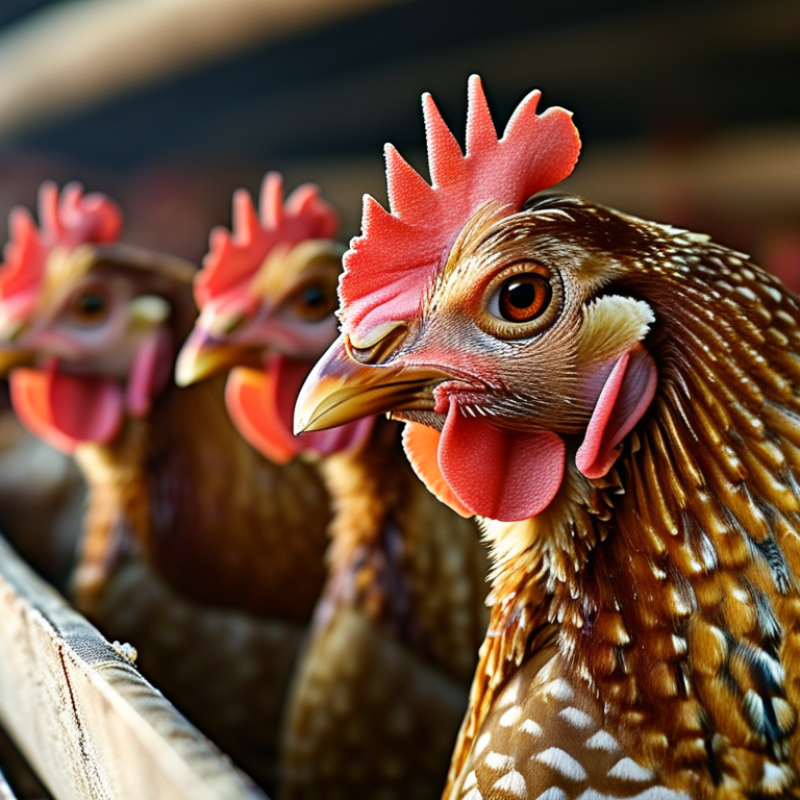
Ammonia smell in poultry houses can be a significant issue. It results from various factors, particularly the breakdown of nitrogen in feces. The poultry feed itself can influence ammonia production. If the feed is high in protein, it may increase nitrogen output in droppings. Understanding these factors is key to managing odor.
Tips: Adjust the protein content in feed. Consider using a balanced diet tailored to the specific needs of the poultry. Incorporating fiber can also help. Fiber aids in digestion and reduces nitrogen levels in excretion.
Additional factors contribute to ammonia odor, including litter management. Wet litter retains more ammonia. Regularly cleaning and maintaining dry conditions in the poultry house is essential. Use absorbent materials for bedding to minimize moisture.
Tips: Monitor litter moisture levels closely. Implement a routine cleaning schedule. Ensure adequate ventilation to disperse harmful gases. This can drastically reduce unpleasant odors, creating a healthier environment.
Ammonia production in poultry houses is closely linked to feed composition. Various ingredients in feed can contribute to ammonia emissions. High protein levels are often the main culprit, as excess nitrogen is converted into ammonia. This process can be exacerbated by poorly balanced diets. It’s crucial to ensure that feed provides adequate nutrients without excess proteins.
Phytate is another factor to consider. Some grains contain phytates that are not fully utilized by poultry. This leads to increased nitrogen content in manure. Also, certain feed additives can encourage better nutrient utilization. They aid in lowering nitrogen excretion, ultimately reducing ammonia smells.
Focusing on proper feed formulation not only improves bird health but also enhances the environment in poultry houses. There is room for improvement in many feed strategies. Observing the effects of different feed types on ammonia levels can provide valuable insights. Experimentation with feed composition can lead to innovative solutions for an age-old problem.
Selecting low-ammonia feed ingredients is essential for maintaining a healthy poultry environment. Certain feed components can significantly impact ammonia levels in poultry houses. Opt for ingredients that are high in digestibility. This helps minimize nitrogen excretion, reducing ammonia production. Look into options like higher-quality grains, legumes, and specific oilseeds.
Tips: Consider integrating herbs or natural additives. Some herbs may have properties that help manage ammonia. They can enhance digestibility and reduce waste. Always assess your local regulations regarding feed ingredients. This ensures compliance and optimal outcomes.
Moreover, monitor the protein levels in feed. Excessive protein can lead to higher ammonia emissions. Balancing protein intake with growth needs is crucial. Remember, different poultry species may have varying requirements. This consideration can help reduce overall ammonia levels.
Every poultry operation is unique. Regularly evaluate your feed formulation and its impact on ammonia smell. Engage with nutritionists for tailored guidance. This step can lead to better feed quality choices and improved animal health. Adjustments may take time, but the benefits will be worth the effort.
Ammonia emissions in poultry houses can pose a serious challenge. A key area to address is feed management. Properly managed feed can significantly reduce ammonia production. When feed is digested, the nitrogen content is converted into ammonia. By focusing on feed composition, we can mitigate these emissions effectively.
One tip is to use high-quality, balanced feed. Ensuring amino acids are in the right ratios can optimize protein utilization. Excess protein leads to more nitrogen excretion. Therefore, evaluating feed formulations is crucial. Adjusting protein levels based on the poultry's growth stage can also help reduce ammonia creation.
Monitoring feed waste is another valuable strategy. Implement measures to prevent overfeeding. Uneaten feed contributes to ammonia as it decomposes. Regular feed delivery schedules can promote freshness and minimize waste. Keeping the feed environment clean is essential, too. This not only supports health but also reduces unwanted odors.
Reducing ammonia in poultry houses requires effort and attention. Implementing these feed management practices can lead to noticeable improvements in air quality. Regular assessments of feeding strategies and their impact are vital. This ongoing reflection can guide more effective practices in the long run.
| Feed Type | Ash Content (%) | Protein Source | Ammonia Reduction Potential | Feeding Strategy |
|---|---|---|---|---|
| Corn-Soy Diet | 8% | Soybean Meal | Moderate | Optimize Feed Formulation |
| High Fiber Diet | 12% | Pea Protein | High | Supplement with Digestive Enzymes |
| Inclusion of Probiotics | 5% | Animal Protein | Very High | Regular Feed Monitoring |
| Low Protein Diet | 6% | Fish Meal | Low | Adjust Feeding Frequency |
Effective monitoring and evaluating of ammonia levels in poultry houses is vital for maintaining a healthy environment. Ammonia, a byproduct of manure decomposition, can pose serious health risks to birds. High levels in the air can lead to respiratory issues and decreased productivity. Regular checks of ammonia concentrations should be part of routine management practices.
There are various methods to monitor ammonia levels. One effective tool is the use of ammonia test kits, which provide immediate results. Continuous monitoring systems can also be installed for real-time data. It’s important to set a threshold for ammonia levels. Anything above 25 ppm can be harmful. Farmers need to clearly understand these metrics to protect their flocks.
Responding to high ammonia levels is essential. It often requires a combination of ventilation adjustments and manure management practices. Sometimes, despite best efforts, ammonia levels may remain elevated. This can happen due to insufficient ventilation or improper feed management. It's crucial for farmers to reflect on these shortcomings. Identifying the source can lead to effective solutions, ultimately contributing to a more sustainable poultry operation.
This chart illustrates the ammonia levels measured in a poultry house over six weeks. The data indicates fluctuations in ammonia concentration, with notable reductions in the final weeks following adjustments in feeding strategies.
: Ammonia smell comes from nitrogen breakdown in feces, influenced by protein content in feed.
High protein levels in feed lead to excess nitrogen, which is converted into ammonia.
Lower the protein content and include fiber in poultry diets to minimize nitrogen excretion.
Wet litter retains ammonia. Keeping litter dry and clean is essential for odor control.
Regular cleaning and using absorbent bedding materials can help maintain dry conditions.
Higher-quality grains and legumes improve digestibility, reducing nitrogen excretion and ammonia production.
Yes, certain feed additives can enhance nutrient utilization and lower nitrogen excretion.
Some herbs can improve digestion and reduce waste, potentially aiding in ammonia management.
Regular evaluations can provide insights into ammonia levels and guide better feed quality choices.
Ingredients should be high in digestibility and balanced for the poultry's specific growth needs.
Reducing ammonia smell in poultry houses is crucial for animal welfare and farm productivity. Understanding the causes of ammonia production is the first step, with feed composition playing a significant role. Certain ingredients can lead to higher ammonia emissions, so selecting low-ammonia feed components is essential.
Effective strategies for how to reduce ammonia smell in poultry houses with feed include incorporating specific feed management practices that minimize waste and optimize nutrient utilization. Regular monitoring and evaluation of ammonia levels are vital to assess the effectiveness of these strategies. By applying targeted feed adjustments and management techniques, poultry producers can significantly lower ammonia emissions, promoting a healthier environment for both the birds and the workers.
