Akston Health Akston Health

Why Does Corn Gluten Meal Change Poultry Skin Color?

Time:2026-09-05 Author:Amelia
0%

The poultry industry is continually exploring ways to enhance meat quality and visual appeal. One area of interest is the use of corn gluten meal. Its impact on poultry skin color has drawn attention from producers and researchers alike. A report from the American Poultry Association indicates that adding corn gluten meal can lead to a noticeable change in skin pigmentation, often resulting in a deeper yellow hue.

Dr. Helen Marcus, a leading expert in poultry nutrition, states, “How does corn gluten meal affect the color of poultry skin? The carotenoid content, particularly xanthophylls, plays a major role.” These pigments are crucial for color development in poultry. Carotenoids are natural colorants found in corn gluten meal, which chickens can metabolize effectively.

However, the extent of color change can vary. Factors include the diet, the breed of poultry, and the overall management practices. While corn gluten meal can enhance visual appeal, over-reliance on it without a balanced diet might lead to inconsistencies. The potential benefits are significant, yet further research is necessary to fully understand its implications. Integrating corn gluten meal requires careful consideration of these variables to achieve optimal results.
Why Does Corn Gluten Meal Change Poultry Skin Color?

The Role of Corn Gluten Meal in Poultry Diets

Corn gluten meal is often included in poultry diets for its nutritional benefits. It is a protein-rich feed ingredient derived from corn processing. This meal not only supplies energy but also provides essential amino acids. Poultry take in these nutrients, which help them grow strong and healthy.

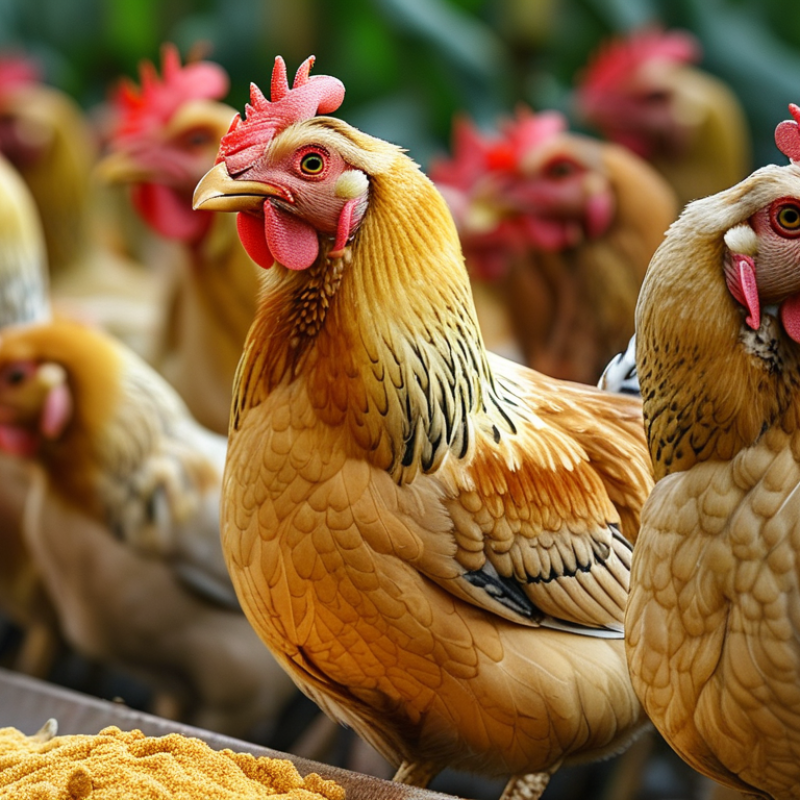
One noticeable effect of corn gluten meal is its impact on skin color in poultry. The carotenoids present in corn contribute to this change. These pigments influence the pigmentation of the skin. As birds consume more corn gluten meal, their skin can take on a richer hue. This is especially important for certain markets where skin color affects consumer preferences.

However, relying too much on corn gluten meal may have downsides. Not all poultry may benefit equally from this ingredient. Some animals may not digest it well, leading to digestive issues. Balancing the diet of poultry is crucial for optimal health. Nutritional needs can vary based on species and age. Always consult with an expert to tailor diets specifically to the needs of the birds.

Understanding the Nutrient Composition of Corn Gluten Meal

Corn gluten meal (CGM) is a unique byproduct of corn processing. It has a high protein content, making it an interesting dietary supplement for poultry. The nutrient composition of CGM includes amino acids, vitamins, and minerals that promote healthy growth. When integrated into poultry diets, CGM can influence skin pigmentation due to its natural pigments.

The carotenoids present in corn gluten meal can play a role in skin color enhancement. These pigments are responsible for the yellow and orange hues seen in poultry skin. The quantity of carotenoids varies based on CGM quality. This variability can lead to inconsistencies in poultry skin color. Farmers may need to assess the CGM quality before incorporating it into the feed.

While corn gluten meal offers benefits, not all poultry may respond uniformly. Some birds might show prominent color changes, while others might not react as expected. Factors such as genetics and overall diet can influence these results. Thus, observing and adjusting CGM amounts in the diet may be necessary for optimal skin coloration in poultry.

Impact of Corn Gluten Meal on Poultry Skin Color

This chart illustrates the relationship between the levels of corn gluten meal and the intensity of poultry skin color. As the inclusion of corn gluten meal increases, the skin color intensity significantly rises, indicating a potential impact on poultry appearance.

Mechanisms of Color Change in Poultry Skin Due to Diet

Diet significantly influences the color of poultry skin. One of the key ingredients affecting this is corn gluten meal. Its high carotenoid content is responsible for the vibrant yellow hue often seen in chickens. Carotenoids are pigments found in many plants. They not only provide color but also serve nutritional purposes.

When poultry consume corn gluten meal, the carotenoids are absorbed. These pigments are then deposited in the skin, fat, and egg yolk. The transformation can be quite striking. Consumers often prefer poultry with a richer color. This preference is tied to perceptions of quality and taste.

However, the relationship between diet and color is complex. Not all poultry will exhibit the same color change, even with similar diets. Factors such as genetics and age may play a role. Some birds may not respond as dramatically to carotenoid-rich diets. This variability means that while corn gluten meal can influence skin color, the outcome is not guaranteed. It underscores the importance of understanding poultry nutrition and its broader implications.

Impact of Carotenoids in Corn Gluten Meal on Poultry Skin Color

Corn gluten meal is often overlooked in poultry nutrition. This ingredient, rich in carotenoids, plays a significant role in enhancing poultry skin color. Carotenoids are natural pigments found in many plants. They can influence the visual appeal of chicken and turkey skins, making them more attractive to consumers.

When poultry diet includes corn gluten meal, the carotenoids are absorbed and deposited in the skin and fat. This process enhances yellow and orange hues. A deeper color may indicate better nutrition, leading to potential market advantages. However, not all producers may fully utilize this ingredient, reflecting a need for broader education on its benefits.

Many farmers may still be unaware of the potential impact of carotenoids on poultry products. Misconceptions exist about the necessity of using synthetic additives instead of natural options like corn gluten meal. This could limit their flock's overall health and the resulting product's marketability. It’s important for producers to evaluate their feeding strategies for optimal skin color development and assess if they are missing out on a simple yet effective nutritional addition.

Industry Standards for Poultry Skin Color and Nutrition Guidelines

Poultry skin color is a vital aspect of the poultry industry. Consumers often prefer skin with a golden hue. This color can influence purchase decisions. Nutrition plays a significant role in achieving the desired skin color. The diet of poultry influences pigmentation. Corn gluten meal is a common feed ingredient. It provides essential nutrients while contributing to skin coloration.

Industry standards dictate specific nutrition guidelines. These help ensure the health and appearance of poultry. The animal's diet needs to be balanced. A lack of certain nutrients can lead to undesirable skin tones. Poultry often require carotenoids for optimal skin color. These pigments are found in various feed ingredients. Corn gluten meal contains some carotenoids but not all necessary. Producers must carefully consider feed formulations.

These guidelines promote both quality and ethics in poultry farming. However, challenges do exist. Variability in ingredient quality can affect outcomes. Ensuring consistency in feed is not always easy. Monitoring bird health and appearance should be a continuous process. Feedback from consumers may influence future dietary changes. Balancing nutrition with appearance is an ongoing conversation in the industry.

FAQS

: What is corn gluten meal?

: Corn gluten meal is a byproduct of corn processing with high protein content.

How does corn gluten meal affect poultry skin color?

It contains carotenoids that enhance yellow and orange pigmentation in poultry skin.

Are all poultry affected the same way by corn gluten meal?

No, responses can differ due to genetics and diet. Some may show color changes, while others may not.

Why do consumers prefer poultry with a richer skin color?

A golden hue in poultry skin is often linked to quality and better taste perceptions.

What factors might influence the effectiveness of corn gluten meal in diets?

Factors include genetics, overall diet, and ingredient quality. Variability can be expected.

Are there specific nutrition guidelines for poultry skin color?

Yes, industry standards dictate balanced diets to maintain optimal skin color.

What challenges exist with feed formulations?

Inconsistencies in ingredient quality can lead to unpredictable outcomes in poultry pigmentation.

Should farmers monitor poultry health and appearance regularly?

Yes, continuous monitoring is important to ensure desired results in skin color.

Is corn gluten meal the only source of carotenoids in poultry diets?

No, other feed ingredients also provide carotenoids, but corn gluten meal contributes notably.

How can feedback from consumers impact poultry nutrition?

Consumer preferences may lead to adjustments in dietary formulations focused on appearance and quality.

Conclusion

The article "Why Does Corn Gluten Meal Change Poultry Skin Color?" explores the critical role of corn gluten meal in poultry diets, particularly focusing on its nutritious composition. Corn gluten meal is rich in carotenoids, which are essential pigments that significantly influence the skin color of poultry. By understanding the mechanisms of how carotenoids impact poultry skin pigmentation, the article elucidates how does corn gluten meal affect the color of poultry skin, contributing to more vibrant hues.

Additionally, the article discusses industry standards regarding poultry skin color and nutrition guidelines, emphasizing the importance of incorporating such dietary components to meet consumer expectations. Through a comprehensive analysis, it highlights the necessity of corn gluten meal in enhancing not just the nutritional profile of poultry but also the visual appeal, which is a vital aspect in the poultry industry.

Amelia

Amelia

Amelia is a seasoned marketing professional with a wealth of expertise in our company’s core offerings. With an unwavering passion for driving growth and innovation, she plays a pivotal role in shaping our marketing strategies and enhancing brand visibility. A key aspect of her responsibilities......