Akston Health
Copper sulfate plays a vital role in formulating safe diets for sheep. As an essential trace mineral, copper supports various bodily functions. It is crucial for red blood cell production and enhances immune response. Understanding how much copper sulfate is safe for sheep diets is important for optimal sheep health. Overdosing can lead to toxicity, whereas deficiency can cause severe growth issues.
Studies indicate that sheep require a specific copper intake. The National Research Council recommends a copper level of 10 to 25 mg per kg of diet. Proper supplementation can prevent health problems. However, farmers must monitor copper sulfate levels. High concentrations can cause liver damage and lead to death in severe cases. Regular veterinary check-ups can help manage these risks effectively.
Research shows that awareness and careful management of copper sulfate are necessary. Knowing safe levels promotes healthier, more productive sheep. The challenge remains to balance effective supplementation with safety. Awareness is a continuous journey in sheep husbandry.
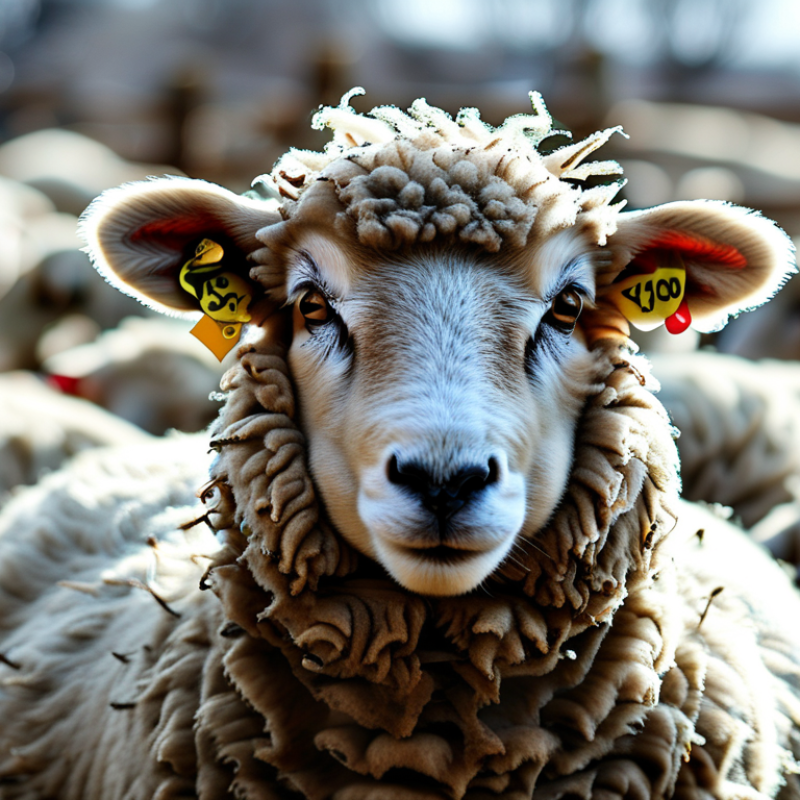
Copper plays a vital role in sheep nutrition and health. It is essential for many biological processes, including enzyme function and cellular integrity. Sheep require copper for optimal growth, reproduction, and overall health. Deficiency in copper can lead to serious health issues, such as anemia and weakened immune response.
In sheep diets, copper sulfate is a common supplement. However, it must be used carefully. Too much copper can be toxic and lead to liver damage. Sheep are especially sensitive to copper because their bodies process it differently than other livestock. Farmers must evaluate their flock’s specific needs concerning copper intake.
Monitoring copper levels is crucial for sheep farmers. Regular health check-ups can help identify deficiencies or excesses. Keep in mind, there are various factors influencing copper absorption, such as soil and forage type. Understanding these nuances will improve sheep health and farm productivity.
Copper deficiency in sheep can lead to serious health issues. Sheep need copper for various bodily functions, including the formation of red blood cells and proper growth. Without adequate copper, they may suffer from anemia and skeletal issues. Symptoms often include weakness, poor growth, and a rough coat. These signs can indicate underlying malnutrition that requires attention.
In some cases, farmers may not recognize early signs of copper deficiency. Affected sheep might display behavioral changes, such as lethargy. Regular health checks should include monitoring these signs. Additionally, understanding the environmental factors influencing copper absorption is essential. For instance, high levels of molybdenum in soil can hinder copper uptake. Farmers should be aware of these factors, as they can impact flock health.
It is crucial to ensure that sheep diets are balanced. A diet lacking in copper can mean disaster. Monitoring the health of sheep is an ongoing process. Educating oneself on copper requirements can be beneficial. Proper supplementation should be approached cautiously. Not all sheep require the same copper intake. Observing your flock can help in making the best decisions for their health.
| Nutritional Component | Function | Deficiency Symptoms | Recommended Levels |
|---|---|---|---|
| Copper | Essential for hemoglobin formation, immune response, and bone development | Anemia, poor growth, fertility issues, and weak bones | 10-15 ppm in diet |
| Iron | Key component of hemoglobin and myoglobin; essential for oxygen transport | Fatigue, pale mucous membranes, and lethargy | 50-100 ppm in diet |
| Zinc | Supports immune function and skin health | Dermatitis, poor wool quality, and reproductive failure | 30-50 ppm in diet |
| Manganese | Important for bone formation and metabolic processes | Lameness, skeletal deformities, and reproductive issues | 40-60 ppm in diet |
Copper sulfate plays a crucial role in sheep diets, particularly regarding copper supplementation. Copper is vital for sheep health but must be carefully dosed. Too much can be toxic. Therefore, understanding the recommended dosages is essential.
Experts suggest a copper dosage of around 10 to 20 ppm in sheep feeds. However, individual needs may vary based on factors like age and health. Regular assessments of copper levels can help prevent deficiencies or toxicities. Some sheep may show signs of copper deficiency, such as poor wool quality or anemia. In contrast, symptoms of excess copper can include liver damage.
Farmers often overlook copper sulfate's intricacies. Many assume a one-size-fits-all approach works. Yet, each flock has unique needs. Balancing copper intake with other minerals can be tricky. It's essential to monitor sheep health diligently. Regular vet consultations can provide valuable insights tailored to each flock's specifics. Using copper sulfate wisely ensures sheep thrive without risking their health.
Copper sulfate plays a critical role in the diets of sheep. It helps prevent health issues and supports essential bodily functions. This mineral aids in the production of hemoglobin, which is vital for oxygen transport. An adequate amount of copper in sheep diets promotes healthy growth and reproductive performance.
In terms of growth, copper sulfate can enhance weight gain in growing lambs. Lambs receiving the right amounts show improved health markers. Furthermore, reproductive performance benefits as well. A well-nourished ewe supports better lamb survival rates. Healthy copper levels can reduce the chance of reproductive failures.
Tips: Monitor copper levels regularly. Too much can be toxic, while too little can lead to deficiencies. Always consult with a veterinarian for tailored dietary advice. Observe sheep behavior for signs of mineral imbalance. Healthy diets pave the way for thriving flocks.
Copper sulfate plays a vital role in sheep diets. It can prevent certain deficiencies and promote overall health. However, the balancing act between benefits and risks is critical. Too much copper can lead to toxicity, which is a serious concern for farmers. Sheep are especially sensitive to copper levels. Even slight excesses can create problems.
The risks of copper toxicity in sheep are well-documented. Symptoms can include lethargy, jaundice, or even death. Not all sheep breeds respond the same way to copper. Some are more tolerant while others are not. This variability makes feeding practices challenging. Farmers need to monitor their livestock carefully.
Tip: Always test your feed for copper levels. Regular analysis can help ensure safety.
Another factor is the source of copper. Minerals can vary in concentration. It's important to know how much copper your specific feed contains.
Tip: Consult a vet or a nutritionist before making significant changes to diets. Their expertise can guide safer practices.
Understanding these aspects is vital for safeguarding sheep health. Caution is always warranted when adjusting the copper content in diets.
: Copper is essential for enzyme function, cell integrity, and overall sheep health. It supports growth and reproduction.
A deficiency can lead to anemia, a weakened immune response, and poor wool quality.
Copper sulfate is a common supplement, but it must be carefully dosed to avoid toxicity.
Experts suggest 10 to 20 ppm in feeds, but individual needs can vary based on age and health.
Regular health check-ups and assessments help identify deficiencies or excesses in copper.
Yes, excess copper can cause toxicity and lead to liver damage in sheep.
Signs include poor wool quality, anemia, and reduced overall health.
Adequate copper improves weight gain in lambs and supports better health markers.
Healthy copper levels can enhance lamb survival rates and reduce reproductive failures.
Each flock's unique needs and balancing copper with other minerals can be challenging.
Copper sulfate plays a crucial role in sheep nutrition and health, as it is vital for various physiological functions. A balanced copper intake is essential for preventing copper deficiency, which can lead to symptoms such as anemia, poor growth, and reproductive issues. Determining how much copper sulfate is safe for sheep diets is critical, as recommended dosages can significantly influence the overall health of the flock.
While copper sulfate can enhance growth and reproductive performance, it is also important to be aware of the risks of copper toxicity, which can arise from excessive copper intake. Therefore, it is essential for sheep producers to carefully monitor and regulate copper sulfate levels in their feeding practices, ensuring optimal health outcomes while avoiding potential toxicity.
