Akston Health
During the summer months, many chicken owners notice a troubling trend: soft-shelled eggs. This phenomenon raises the question, "why do chickens lay soft shelled eggs in summer?" Expert Dr. Emily Thompson, a vet specializing in poultry, explains, “High temperatures can stress hens, leading to weaker eggshells.”
Heat is a significant factor. When temperatures rise, hens may experience dehydration and stress. This condition affects their calcium absorption, vital for strong eggshells. With lower calcium levels, eggs become soft and brittle. Moreover, diet changes during the summer can contribute. Hens might consume less feed or switch to less nutritious options, exacerbating the problem.
Understanding this issue requires attention. Providing proper hydration and nutrition is essential. However, many owners overlook the environmental impacts on their flock. Soft-shelled eggs can indicate deeper issues in hen management. By addressing these areas, owners can enhance their chickens' well-being and egg quality. Exploring "why do chickens lay soft shelled eggs in summer" could lead to better practices in poultry care.
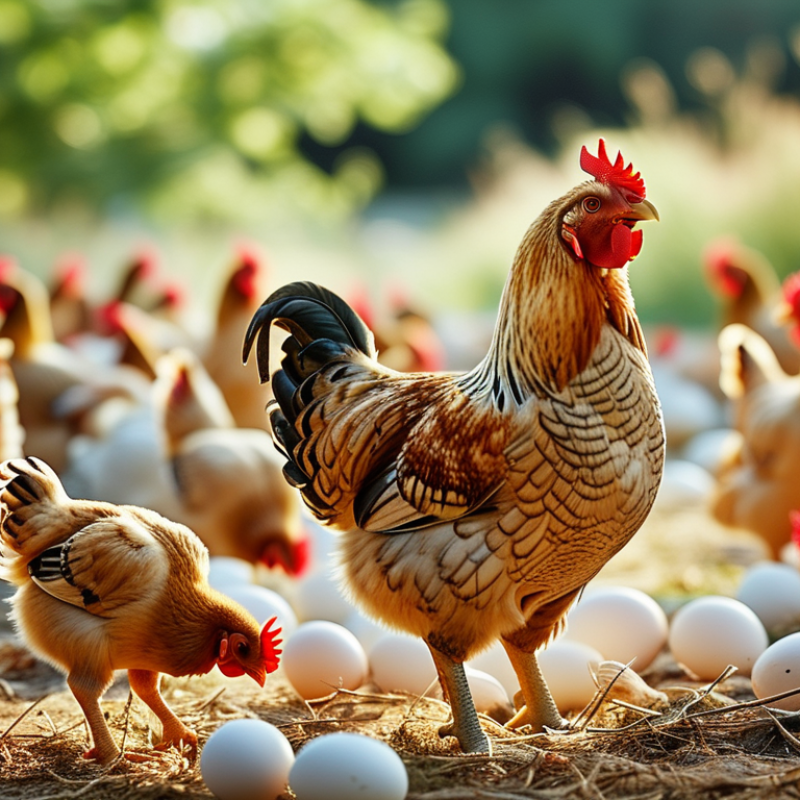
Chickens are fascinating creatures, especially during summer. Egg production is influenced by various factors. Heat stress can lead to soft-shelled eggs, particularly when temperatures soar. According to the American Poultry Association, higher ambient temperatures disrupt calcium metabolism. This results in thinner eggshells, making hens more vulnerable to environmental changes.
Nutritional balance is crucial for laying hens. A study by the Poultry Science Association highlights that calcium deficiency can lead to abnormal shell formation. In the summer months, hens require additional calcium and electrolytes. Keeping water fresh and cool is essential. Chickens need access to shade to minimize stress and maintain their productivity.
Tips: Ensure that your flock has plenty of clean water. Offering a balanced diet, rich in calcium, is vital. Consider using supplements if necessary. Monitor their behavior for signs of distress during hot weather. If soft-shelled eggs persist, reevaluation of their diet might be necessary. Observing these practices can lead to healthier chickens and better egg production.
Summer heat can impact chickens and their eggs, especially the quality of the eggshells. Soft-shelled eggs are a concern for many poultry keepers. High temperatures can lead to dehydration and stress in hens. This stress can result in weaker shells due to insufficient calcium intake.
Another factor affecting eggshell quality is diet. Chickens require a balanced diet rich in calcium and proteins. Inadequate nutrition can lead to deficiencies, which contribute to the production of soft-shelled eggs. Ensure your hens have access to high-quality feed and fresh water each day.
Tips: Provide shade and cooling areas in the coop. This will help chickens stay comfortable during hot weather. Regularly check their diet to ensure it meets their nutritional needs. Including sources of calcium, like crushed oyster shells, can improve eggshell strength.
Monitor your hens' health closely during summer months. Look for signs of stress or dehydration. Addressing these issues promptly can improve eggshell quality. Recognizing the signs early is key to maintaining a healthy flock.
During summer, chickens can face significant stress due to heat. This stress impacts their overall health and reproductive systems. High temperatures can lead to reduced egg production and poor eggshell quality. Chickens need a stable environment to produce strong, healthy eggs.
Heat affects the physiological functions of chickens. Their bodies may divert energy from egg production to regulate temperature. As a result, layers may struggle to form proper eggshells. Soft-shelled eggs can become more common. These eggs are weak and vulnerable, leading to worries about the chickens' well-being.
Farmers should monitor ambient temperatures and protect their flocks. Shade structures and ventilation can help. Providing ample water is also crucial. Yet, challenges remain. Not all measures are equally effective, and some solutions may lack reliability. Understanding chicken physiology can aid in finding better approaches to mitigate the effects of summer heat.
| Factor | Impact on Eggshell Quality | Recommended Solutions |
|---|---|---|
| High Temperatures | Heat stress can lead to calcium deficiency, resulting in soft-shelled eggs. | Provide shade and ventilation to the coop. |
| Increased Humidity | High humidity levels can affect the hens' ability to absorb calcium. | Ensure proper air circulation and use dehumidifiers if necessary. |
| Dietary Changes | Low calcium intake can lead to weaker eggshells. | Supplement diet with calcium sources like oyster shells. |
| Stress Factors | Stress can disrupt the laying cycle, affecting eggshell formation. | Minimize disturbances and ensure comfortable living conditions. |
| Laying Frequency | Increased frequency in summer can lead to fatigue and poor eggshell quality. | Monitor laying patterns and allow for rest periods. |
Soft-shelled eggs are a common problem during summer months. Chickens require optimal nutrition to produce eggs with strong shells. Nutritional deficiencies, particularly in calcium and vitamin D, are major contributors to this issue. Calcium is vital for shell formation. Without enough calcium, eggshells can become thin or even non-existent.
Heat can exacerbate these deficiencies. When temperatures rise, chickens may eat less feed. This can lead to an imbalance in essential nutrients. Many backyard farmers may not realize the importance of proper supplementation. Without a balanced diet, chickens struggle to meet their nutritional needs.
Farmers should observe their chickens closely. Changes in egg quality often indicate underlying dietary issues. Providing a mix of grains, greens, and minerals can help. Regular health checks are also important. Even small changes in diet can lead to better outcomes. A proactive approach to chicken care can ensure healthier eggs, reducing the occurrence of soft-shelled varieties.
In summer, many poultry farmers notice an increase in soft-shelled eggs. This issue is often linked to heat stress in hens. As temperatures rise above 85°F, chickens’ physiological processes can become disrupted. Stress affects calcium absorption, leading to weaker egg shells. According to a study by the University of Florida, nearly 20% of laying hens show decreased shell quality during hot weather.
Farm management practices can help mitigate this problem. Providing adequate ventilation in barns reduces heat buildup. Implementing misting systems or shade structures can further alleviate stress. Research from the American Poultry Association suggests that proper hydration is crucial. Hens drinking enough water are more likely to maintain shell quality. Farmers should monitor drinking systems to ensure all birds have access.
Nutrition also plays a vital role. Calcium and vitamin D3 levels need to be balanced in the feed. Some farmers may overlook the importance of adjusting feed during summer months. A well-managed flock can yield better quality eggs and improve overall productivity. Addressing these areas can significantly reduce the occurrence of soft-shelled eggs while optimizing hen welfare.
This chart shows the frequency of soft shelled eggs laid by chickens during the warm summer months, highlighting the increased incidence in July, which correlates with the peak of summer temperatures.
: Various factors influence egg production, including heat stress and nutritional balance.
High temperatures can lead to soft-shelled eggs due to disrupted calcium metabolism.
Calcium is crucial for shell formation. A deficiency can lead to abnormal shells.
Farmers can provide shade structures, ventilation, and ample fresh water to reduce stress.
Monitor chickens for unusual behavior, such as reduced activity or decreased egg production.
A balanced diet rich in calcium and electrolytes is vital for maintaining egg production.
If soft-shelled eggs continue, reevaluation of the hens' diet may be necessary.
No, not all measures are equally effective, and some solutions may lack reliability.
Heat can divert energy from egg production, affecting overall health and reproductive functions.
Fresh and cool water is essential for reducing heat stress and ensuring healthy egg production.
The article "Why Do Chickens Lay Soft Shelled Eggs in Summer?" explores the various factors influencing the quality of eggs produced by chickens during the hot season. It begins by outlining the fundamental processes involved in chicken egg production and highlights the specific challenges posed by summer heat on chicken physiology. As temperatures rise, chickens may experience stress, which can negatively affect their body functions and lead to the laying of soft-shelled eggs.
Additionally, the article examines nutritional deficiencies that may be exacerbated by warm weather, such as insufficient calcium and minerals essential for strong eggshells. To combat these issues, it emphasizes effective management practices that can be implemented to enhance the living conditions of chickens during summer. By understanding the reasons behind why chickens lay soft shelled eggs in summer, poultry farmers can take proactive steps to ensure better egg quality and overall chicken health.
