Akston Health
As summer temperatures rise, the health of cattle is at risk. Farmers face challenges in maintaining their cows' well-being during extreme heat. This leads us to explore how does betaine help cows survive extreme summer heat.
Betaine is a compound found in sugar beets. It supports hydration and helps cows cope with rising temperatures. By enhancing the ability to manage stress, betaine functions as a protective agent. Research indicates that when cows consume betaine, they exhibit lower body temperature and improved feed intake even in sweltering conditions.
Understanding the effectiveness of betaine can improve herd survival rates. However, it raises questions about optimal dosing and long-term effects. Not all farmers have access to this information. Comprehensive studies are essential for confidence in its application. A closer look at how betaine impacts cattle in extreme weather can lead to better management practices in the future.
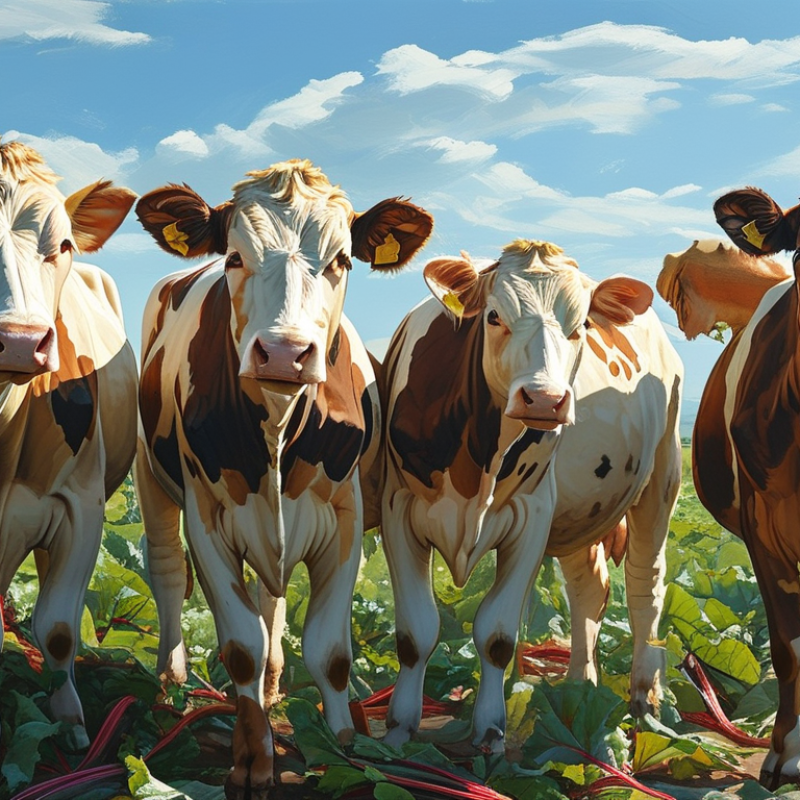
Heat stress poses a significant threat to cattle, especially during extreme weather. One promising solution is the use of betaine, an osmolyte that supports cattle during these stressful periods. Betaine helps maintain cell integrity and hydration, which is crucial when temperatures soar. As cattle experience heat stress, their physiological processes can be disrupted, leading to decreased milk production and weight loss.
Research has shown that betaine enhances the cows' ability to cope with heat. It stabilizes proteins and cell structures, ensuring vital functions continue. Just a small amount can make a substantial difference. It helps ease stress on the liver, which is essential for overall health. Often, cattle do not receive adequate attention during heat waves, leading to serious health concerns.
While the benefits of betaine are clear, challenges remain. Not all cattle respond equally to betaine supplementation. Factors like diet, genetics, and overall health can influence effectiveness. Further studies are needed to optimize usage, ensuring all cattle can thrive in harsh conditions. Finding the right balance of betaine could be a game-changer for farmers, but understanding individual animal needs remains key.
| Parameter | Normal Conditions | Heat Stress Conditions | With Betaine Supplementation |
|---|---|---|---|
| Body Temperature (°C) | 38.5 - 39.5 | 39.5 - 42.0 | 38.5 - 39.5 |
| Feed Intake (kg/day) | 20 | 15 | 18 |
| Milk Production (liters/day) | 30 | 20 | 25 |
| Mortality Rate (%) | 5 | 15 | 7 |
| Hydration Level (Total Body Water %) | 70 | 60 | 68 |
Extreme heat significantly impacts cattle physiology and productivity.
Cows are sensitive to rising temperatures. When exposed to extreme heat, their body temperature increases. This leads to poor feed intake and reduced milk production.
Cattle may also experience stress, which affects their overall health. Dehydration becomes a critical concern during hot weather, further complicating their well-being.
To enhance resilience, some farmers turn to betaine. This compound helps maintain hydration in cows. Studies suggest that it can improve feed efficiency. Additionally, betaine reduces heat stress symptoms. Cows consuming it tend to recover faster from heat exposure. This adaptation could be essential for livestock in hotter climates.
Tips for managing cattle during extreme heat are vital:
Extreme heat poses significant challenges for cattle, particularly in terms of hydration and cellular function. Betaine, a naturally occurring compound, plays a vital role in enhancing cows’ resilience under such stress. This compound helps maintain cellular hydration. In hot environments, cows often experience dehydration. However, betaine supports osmotic balance within cells. This balance is crucial for their survival during heat stress.
Recent studies indicate that betaine influences the expression of heat shock proteins. These proteins protect cellular structures from damage caused by high temperatures. By promoting cellular stability, betaine ensures that cows can better manage physiological stress. Furthermore, it aids in regulating the production of reactive oxygen species. These are harmful byproducts generated during stress. By controlling their levels, betaine reduces oxidative damage in cells.
While betaine's benefits are evident, more research is needed. Understanding the exact mechanisms of action is crucial. The complexity of how betaine interacts with various cellular pathways remains an area for further investigation. This reflection is essential for optimizing its use in livestock management. Farmers may benefit from knowing how to implement such strategies effectively. Addressing these gaps will enhance the welfare of cattle in extreme conditions.
This chart illustrates the positive effects of betaine supplementation on hydration levels, cellular function, and stress reduction in cows during extreme heat conditions. The data suggests that cows receiving betaine supplements show significantly improved performance across all measured parameters compared to those without supplements.
Heat stress poses a significant challenge to dairy and beef cattle, especially in summer months. Research indicates that heat waves can lead to a 10% reduction in milk production and a 20% drop in feed efficiency. These declines can represent substantial financial losses for farmers. Studies suggest that betaine supplementation can be a crucial factor in enhancing cows' heat tolerance.
Betaine is known to function as an osmolyte. It helps cells retain moisture under stressful conditions. This action may improve hydration status in cows experiencing extreme temperatures. A recent study revealed that cows supplemented with betaine showed a 15% decrease in core body temperature. Moreover, they exhibited better overall health and productivity scores. These findings imply that betaine can act as a protective agent against the adverse effects of heat stress.
Farmers must think critically about their herd management strategies. Relying solely on traditional cooling methods might not be enough. The integration of betaine into the diet could offer a promising alternative. Observations have indicated that while betaine shows benefits, more research is needed to refine its optimal use. Understanding the precise dosage and timing for supplementation remains crucial for maximizing efficacy.
Extreme heat poses a significant challenge to cattle farmers. Cows under thermal stress suffer from decreased feed intake and lower milk production. These conditions can lead to economic losses. Implementing dietary adjustments, such as including betaine, can be a viable solution to enhance cattle welfare.
Betaine helps regulate osmotic balance within the cells. This regulation aids in hydration and improves feed efficiency. Research indicates that cows receiving betaine supplements show better weight retention during heat stress. As a result, farmers can expect increased productivity and lower operational costs. This benefit translates to a more sustainable farming practice.
However, not all farmers are aware of betaine's advantages. Some may hesitate to adopt new practices due to perceived costs. It’s crucial to evaluate the return on investment. Current findings support the idea that the benefits of betaine far outweigh initial expenses. Understanding the science behind these changes can help farmers make informed decisions.
: Heat stress significantly affects dairy and beef cattle, leading to production losses.
Heat waves can result in a 10% reduction in milk production.
Betaine functions as an osmolyte, helping cells retain moisture under stress.
Cows on betaine showed a 15% decrease in core body temperature.
Solely relying on traditional methods may not suffice for effective heat management.
Some farmers worry about the initial costs associated with new practices.
It helps regulate osmotic balance, improving hydration and feed efficiency.
Farmers can expect better weight retention, increased productivity, and lower costs.
The precise dosage and timing for supplementation are crucial for effectiveness.
Yes, more research is necessary to refine its use and maximize benefits.
The article "How Does Betaine Enhance Cows Survival in Extreme Heat?" explores the critical role of betaine in aiding cattle during periods of intense heat stress. Betaine acts as an osmolyte, helping to maintain cellular hydration and function, which is vital for cattle's physiological well-being in extreme temperatures. The impact of heat on cattle physiology can lead to reduced productivity and increased mortality rates, making it essential to address these challenges.
Research findings indicate that betaine supplementation significantly improves heat tolerance in cows by enhancing hydration and cellular processes crucial for their survival. This not only benefits the health of the cattle but also yields economic advantages for farmers by promoting better livestock productivity. Understanding how does betaine help cows survive extreme summer heat provides valuable insights into effective management practices for raising cattle in increasingly challenging climates.
