Akston Health
Healthy shrimp immunity begins with balanced nutrition, not a miracle additive. In commercial ponds, feed quality influences growth, stress tolerance, gut condition, and disease resilience. The practical question is how to boost immune response in shrimp farming through nutrition without creating unrealistic expectations.
A reliable feeding plan starts with digestible protein, suitable amino acids, essential fatty acids, vitamins, and trace minerals. Vitamin C, vitamin E, selenium, and zinc may support antioxidant defenses when supplied at appropriate levels. However, more is not always better. Excessive supplementation can increase costs and disturb feed balance. Shrimp also need consistent energy, because poorly nourished animals may weaken during molting, temperature shifts, or low dissolved oxygen.
Experienced farmers should examine feed intake, fecal appearance, survival rates, and weekly growth records. These details often reveal problems before visible disease appears. Water quality matters equally. Ammonia, salinity, alkalinity, and oxygen can change how shrimp use nutrients. A premium feed cannot fully correct harmful pond conditions.
Functional ingredients, including selected probiotics, yeast products, and beta-glucans, may help support immune-related responses. Their effects vary by species, life stage, dosage, and farming system. Evidence is promising, but not universal. I would avoid treating laboratory results as guaranteed pond performance.
The best program combines reputable feed manufacturing, documented ingredient quality, careful storage, and professional monitoring. It also requires adjustment. Feed strategies should be reviewed when shrimp size, water conditions, or seasonal stress changes. Good nutrition supports resilience; it does not replace biosecurity, hygiene, or responsible farm management.
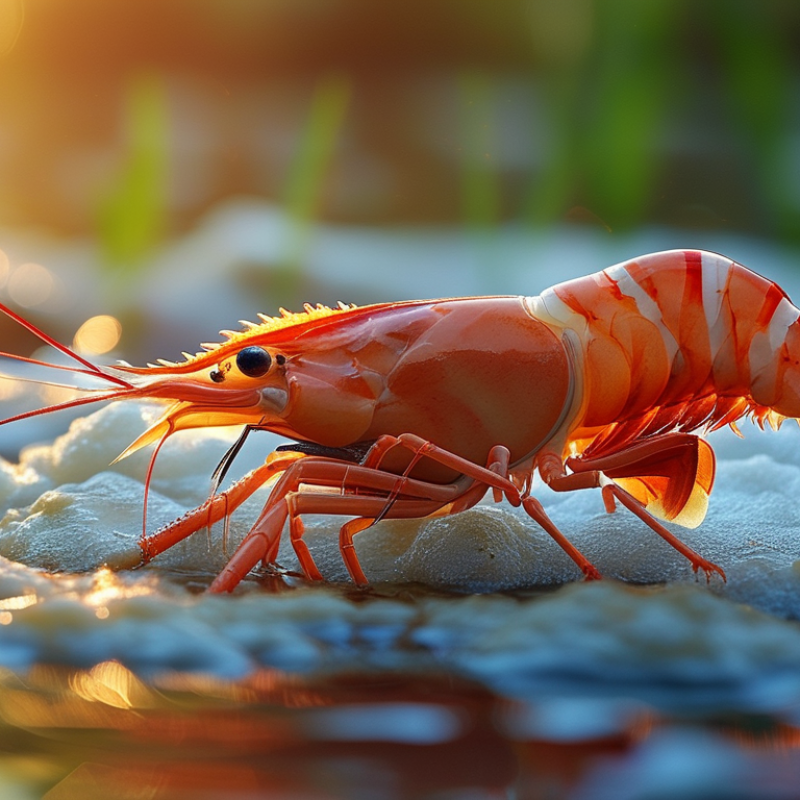
Shrimp immunity depends heavily on nutrition because shrimp lack the antibody-based immune system found in humans. Their defenses rely on healthy tissues, rapid wound repair, and efficient innate immune responses. A balanced diet should provide digestible protein and essential amino acids for muscle, molting, and immune-related enzymes. Protein alone is not enough. Lipids also matter, especially suitable levels of essential fatty acids that support cell membranes and stress tolerance.
Small nutritional details can become visible in a pond. Shrimp with poor feed intake may leave pellets in the feed tray, grow unevenly, or become less active after handling. Vitamins C and E help protect cells from oxidative stress, while minerals such as zinc and selenium support enzyme activity. However, more is not always better. Excess supplements can waste money, disturb feed balance, or increase water pollution. Feed should be stored in a cool, dry place, since heat and moisture can reduce nutrient quality.
A practical feeding plan must match shrimp size, biomass, temperature, and water conditions. During heavy rain, molting periods, or sudden salinity changes, appetite may fall quickly. Reducing feed temporarily can be wiser than forcing consumption. I would also question any claim that one additive can prevent disease. Nutrition supports resistance, but it cannot replace stable dissolved oxygen, clean water, or biosecurity. Farm records should track feed intake, survival, growth, and water quality together. That evidence is more useful than assumptions.
Shrimp immunity begins with a balanced diet, not a single miracle ingredient. The FAO’s State of World Fisheries and Aquaculture 2024 reported 94.4 million tonnes of farmed aquatic animals in 2022. That scale makes feed quality a production issue, not a minor detail. Digestible protein supplies amino acids for tissue repair and immune proteins. Phospholipids and essential fatty acids support cell membranes. Vitamins C and E help manage oxidative stress, while selenium and zinc support antioxidant enzymes and immune functions. Small deficiencies can become visible through slow growth, weak moulting, or uneven survival.
Consistency matters. National Academies guidance on fish and shrimp nutrition stresses species, life stage, and feed digestibility when defining nutrient needs. A practical ration should also protect fragile nutrients during storage and pelleting. Check the feed’s freshness, water stability, and actual intake. Then observe the pond: full guts, active swimming, and normal moulting offer useful clues. Not perfect clues. Water temperature, oxygen, salinity, and stocking density can suppress immunity even when the formula looks excellent. Functional ingredients, including selected probiotics or immunostimulant compounds, may help, but responses vary between species and farms. Evidence is promising, yet not universal. A better approach is to test one change at a time, record survival and feed conversion, and compare results across production cycles.
Protein is central to shrimp health because it supplies amino acids for tissue repair, growth, and immune defenses. Shrimp use these building blocks to produce protective enzymes and proteins after stress or infection. During molting, their demand may rise as new muscle and shell tissues develop. However, more protein does not always mean stronger shrimp. Poorly digested protein can increase waste, cloud water, and encourage harmful microbial changes. Protein quality matters as much as protein percentage. Balanced amino acids support better use of each meal.
Tips: Choose a highly digestible feed with balanced amino acids, and adjust feeding to shrimp size, temperature, and appetite. Watch the feeding tray. Uneaten pellets may signal stress, low oxygen, or excessive feeding. Keep dissolved oxygen stable, because shrimp cannot use nutrients efficiently under prolonged stress. Adequate minerals, essential fatty acids, and vitamins also work with protein. Protein alone is not a cure.
In practical pond management, steady growth is a more useful sign than a single impressive feed label. Check gut fullness, shell condition, survival, and feed response regularly. I have found that small feeding adjustments often protect water quality better than sudden diet changes. Still, visual checks can miss early disease. Laboratory testing may be needed when mortality rises or behavior changes. Nutrition supports resistance, but biosecurity, clean water, and careful stocking remain equally important.
Shrimp immunity depends on balanced feed, stable water, and careful management. Nutrition cannot repair poor oxygen levels or sudden salinity changes. In pond work, appetite is often the earliest warning sign. Weak feeding responses may appear before visible disease symptoms.
Vitamin C supports collagen formation and stress resistance. Vitamin E protects cell membranes from oxidative damage. B vitamins help energy metabolism, especially during rapid growth. Minerals also matter. Zinc and selenium support antioxidant enzymes, while calcium and phosphorus contribute to molting and shell development. Their amounts must remain balanced. More is not always better. Excessive supplementation may waste money or disturb feed formulation.
Functional additives can strengthen the diet when used carefully. Probiotics may support intestinal microbial balance, while prebiotics provide useful substrates for beneficial microbes. Beta-glucans and certain marine-derived compounds may help stimulate innate immune responses. Results vary between shrimp species, life stages, and farming systems. That part is easy to overlook. Feed should be tested in small groups before wider use. Record survival, feed intake, molting, growth, and water conditions. Some farms focus only on survival, but slower growth can reveal hidden nutritional stress. A practical formula should also protect vitamin stability during storage, because heat, moisture, and long storage can reduce activity.
| Nutrient or Functional Additive | Primary Immune-Support Function | Useful Dietary Sources | Potential Benefits in Shrimp | Practical Feeding Considerations |
|---|---|---|---|---|
| Vitamin C | Supports antioxidant protection, collagen formation, wound repair, and stress response. | Stabilized vitamin C premixes, citrus-based plant ingredients, and formulated feeds. | May improve resistance to handling stress and support recovery after injury or infection challenges. | Use a stable form because vitamin C can degrade during storage, heat processing, and exposure to moisture. |
| Vitamin E | Protects cell membranes from oxidative damage and works with selenium in antioxidant defense. | Vitamin E premixes, vegetable oils, and naturally occurring plant ingredients. | Helps maintain cellular integrity and may support survival during environmental and handling stress. | Balance with dietary fat and selenium; excessive supplementation is not automatically better. |
| Vitamin A and Carotenoids | Vitamin A supports epithelial tissues and immune regulation; carotenoids provide antioxidant activity and pigmentation support. | Carrot, algae, marigold, paprika-derived ingredients, and vitamin premixes. | Supports barrier tissues, normal development, and antioxidant capacity. | Avoid excessive vitamin A because fat-soluble vitamins can accumulate; requirements vary by species and life stage. |
| B-Complex Vitamins | Assist energy metabolism, tissue formation, nervous-system function, and stress adaptation. | Complete aquatic-animal vitamin premixes, yeast ingredients, and fortified feeds. | Helps maintain normal growth, feeding activity, and physiological resilience. | A complete premix is generally more reliable than depending on a single raw ingredient. |
| Selenium | Forms part of antioxidant enzymes, including glutathione peroxidase. | Carefully formulated mineral premixes, selenium-enriched yeast, and feed ingredients. | Supports antioxidant defense and normal immune-related enzyme activity. | The safe range is narrow; formulate according to species-specific requirements and local regulations. |
| Zinc | Participates in enzyme activity, protein synthesis, tissue repair, and immune signaling. | Organic or inorganic zinc sources used in balanced aquaculture feeds. | Supports growth, integument condition, and normal immune function. | Availability can be affected by water chemistry and dietary antinutritional factors; avoid excessive mineral loading. |
| Copper and Iron | Copper supports hemocyanin-related oxygen transport and enzymes; iron supports cellular metabolism and oxygen handling. | Balanced trace-mineral premixes and suitable marine or plant feed ingredients. | Helps maintain normal respiration, metabolism, and physiological condition. | Dose carefully because excess trace minerals may be toxic and can affect water quality. |
| Calcium, Phosphorus, and Magnesium | Support exoskeleton formation, molting, muscle function, and mineral balance. | Mineral premixes, marine-derived meals, and appropriately mineralized feeds. | Promotes normal molting and recovery, which can indirectly improve disease resilience. | Consider both feed supply and pond or water mineral status, especially in low-alkalinity systems. |
| Omega-3 Fatty Acids | Contribute to cell membranes and the regulation of inflammatory responses. | Marine microalgae, fish-derived oils, and selected algal ingredients. | Supports membrane function, growth, and physiological responses to stress. | Protect oils from oxidation and maintain an appropriate balance with other dietary fatty acids. |
| β-Glucans | Can stimulate innate immune pathways, including activity of circulating and tissue-associated immune cells. | Purified yeast-cell-wall fractions and selected cereal or fungal sources. | May enhance nonspecific immune indicators and improve robustness during some disease challenges. | Effects depend on source, molecular structure, dose, and feeding duration; use as a supplement, not a replacement for biosecurity. |
| Probiotics | Provide beneficial microorganisms that may support gut balance, digestion, and interaction with host immunity. | Well-characterized bacterial or yeast preparations suitable for shrimp culture. | May improve feed utilization, gut condition, and resistance to selected environmental or microbial pressures. | Strain identity, viability, storage conditions, and application method strongly influence results. |
| Prebiotics and Fermentable Fibers | Supply substrates that can support beneficial microbial communities in the digestive tract. | Selected mannan-based ingredients, inulin-type fibers, and other validated fermentable substrates. | May support gut microbial stability and improve nutrient utilization. | Introduce gradually and avoid excessive inclusion that could reduce digestible energy or feed intake. |
| Nucleotides | Provide building blocks for nucleic acids and may support rapidly dividing intestinal and immune-related cells. | Yeast extracts, animal-derived hydrolysates, and purified nucleotide preparations. | May help maintain gut integrity and recovery during periods of stress or high demand. | Best evaluated as part of a complete diet and under the specific production conditions of the farm. |
| Phytogenic Compounds | Certain plant extracts contain antioxidant or antimicrobial compounds that may influence digestion and innate immunity. | Garlic-derived compounds, oregano-related extracts, herbal polyphenols, and seaweed-derived compounds. | May support feed intake, antioxidant status, and selected immune responses. | Activity varies greatly by plant species, extraction method, and dose; avoid treating plant extracts as substitutes for veterinary care. |
What Is the Best Nutrition to Boost Shrimp Immunity?
Strong shrimp immunity begins with consistent feeding, not expensive ingredients alone. FAO’s The State of World Fisheries and Aquaculture 2024 reports that aquaculture supplied 51% of global aquatic-animal production in 2022. This growth increases the need for precise health management. Shrimp should receive balanced feed containing adequate protein, essential amino acids, vitamins C and E, minerals, and marine omega-3 fatty acids. These nutrients support growth, molting, antioxidant protection, and immune-cell activity.
Feed smaller portions several times daily. Use feeding trays to check uneaten pellets after each meal. Remove excess feed quickly. Water quality often worsens before farmers notice disease signs. Store feed in a cool, dry place, and use older batches first. A rancid smell means trouble. Probiotics and functional ingredients, including beta-glucans, may improve immune indicators such as phenoloxidase activity. However, reviews in Aquaculture and Fish & Shellfish Immunology report inconsistent results across species, doses, and farming conditions. More additives do not always mean stronger shrimp.
Avoid changing the ration sharply after cloudy weather, molting peaks, or oxygen stress. Reduce feeding temporarily, then restore it gradually. This is where many programs fail. Farmers often trust a fixed chart too much. Biomass estimates can be wrong, especially in muddy ponds. Record feed intake, survival, molting, dissolved oxygen, and daily behavior. These simple records provide stronger evidence than assumptions. Profit-focused feeding can still weaken immunity when pellets accumulate on the pond bottom.
A balanced diet supports immune performance through adequate protein, moderate lipid levels, antioxidant vitamin C, functional β-glucans, and beneficial probiotics. The chart presents commonly used practical target levels in shrimp feed formulations.
Reference targets: approximately 38% crude protein, 7% lipid, 200 mg/kg vitamin C, 0.25% β-glucan, and probiotic levels around 107 CFU/g feed. Actual requirements vary with shrimp species, growth stage, water quality, and farming conditions.
Shrimp lack human-like antibodies. Their defenses depend on healthy tissues, wound repair, and innate immune responses. Nutrition supports these systems. It does not guarantee disease resistance.
Digestible protein supplies amino acids for growth, moulting, tissue repair, and immune enzymes. Essential fatty acids and phospholipids support cell membranes. Vitamins C and E help limit oxidative stress. Zinc and selenium support enzyme activity.
Uneaten pellets may remain in the feed tray. Shrimp may grow unevenly or move less after handling. Weak moulting can also appear. These signs are useful, but not proof of one deficiency.
No. Excess supplements may waste money, upset feed balance, or increase water pollution. A bigger dose is not automatically safer. I would question miracle claims.
Appetite can fall during heavy rain, moulting, sudden salinity changes, or temperature stress. Reduce feed temporarily when intake drops. Forcing pellets can leave them decomposing on the pond bottom. This judgment needs records.
Keep feed cool and dry. Heat and moisture can damage fragile nutrients. Use clean, sealed storage when possible. Old feed deserves suspicion.
No. Selected probiotics or immunostimulant compounds may help some farms. Results vary by species, life stage, and conditions. Stable oxygen, clean water, and biosecurity remain essential.
Change one factor at a time. Record feed intake, survival, growth, feed conversion, and water quality. Compare complete production cycles. One successful week may mislead.
Nutrition plays a central role in maintaining shrimp immunity, supporting growth, recovery, and resistance to disease-related stress. A balanced diet should provide high-quality protein and essential amino acids for tissue repair, immune cell activity, and healthy development. Vitamins and minerals also help regulate physiological functions, strengthen antioxidant defenses, and support the shrimp’s ability to respond to environmental challenges. Functional additives, such as immune-supporting compounds and digestive aids, may further improve nutrient utilization and overall condition when used appropriately.
Effective feeding practices are equally important. Farmers should select feed according to shrimp size, developmental stage, water conditions, and production goals, while adjusting feeding rates to avoid waste and water-quality problems. Consistent feeding schedules, careful observation of appetite, and regular monitoring of growth can improve results. In practical terms, understanding how to boost immune response in shrimp farming through nutrition requires combining nutrient balance, responsible feed management, and stable environmental conditions rather than relying on a single ingredient or feeding strategy.
